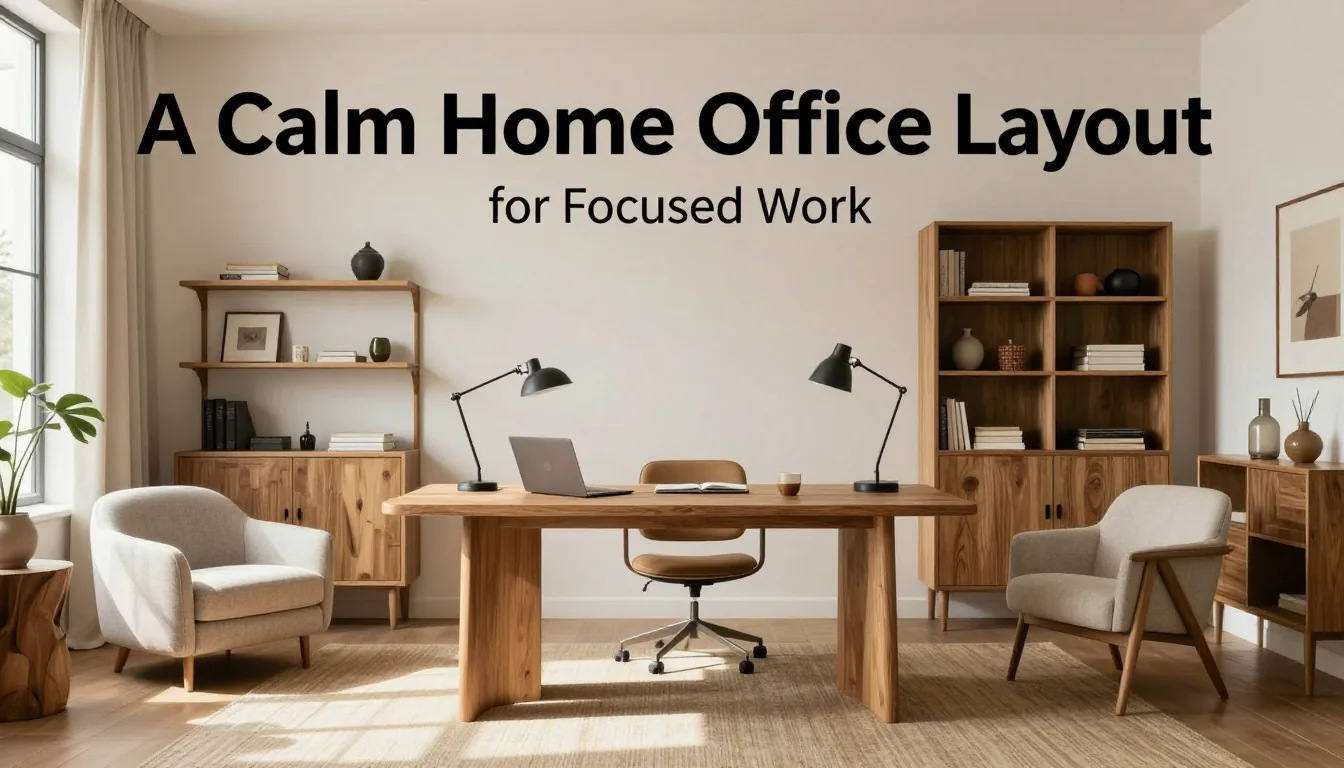
A truly effective home office is not defined by its latest trends, but by its ability to support the rhythm of your work. The goal is simple: create an environment where friction—the mental drag caused by clutter, poor ergonomics, or distracting sensory input—is minimized. This guide moves beyond superficial aesthetics, offering practical decisions on layout, organization, and atmosphere that foster genuine concentration without sacrificing comfort.
Optimizing Spatial Flow and Ergonomic Zoning
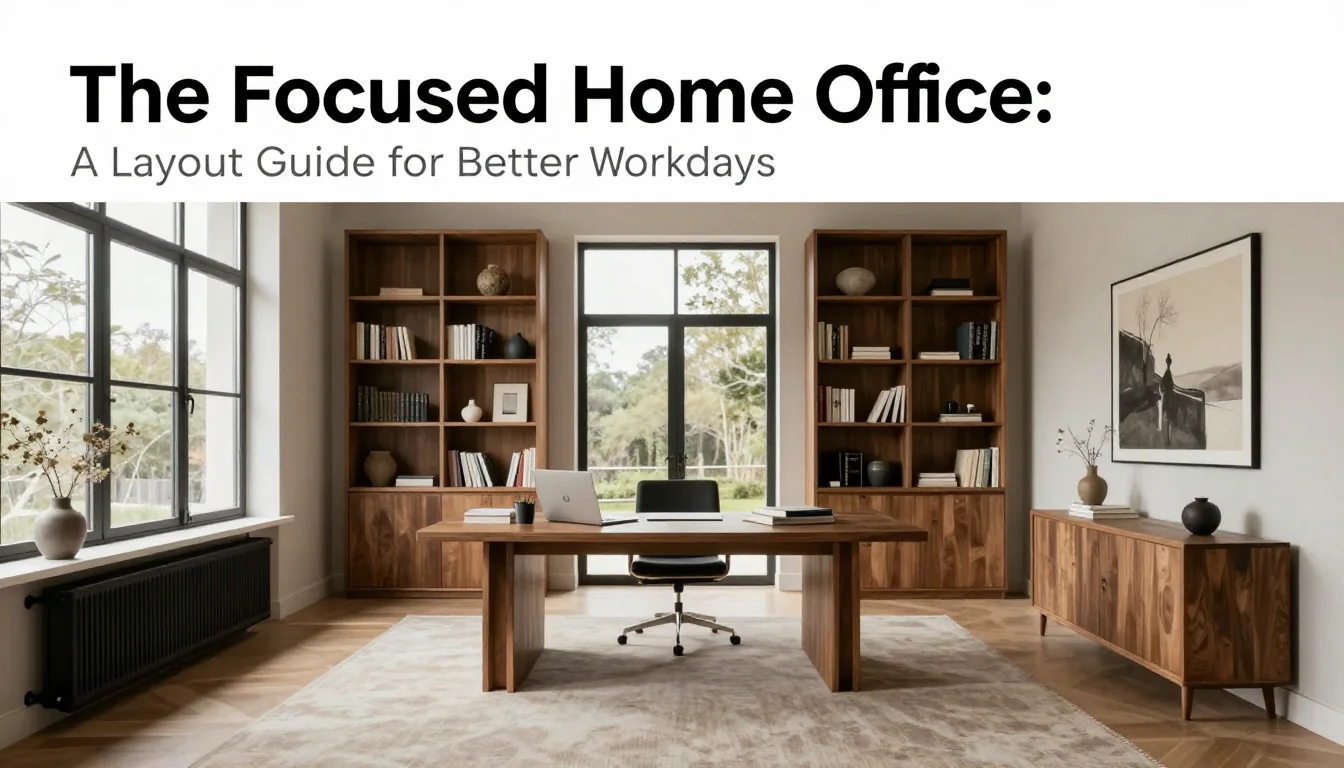
The foundational decision in any focused workspace is ensuring generous movement. Do not allow furniture to dictate the room's function; instead, let the required workflow define the layout. For optimal comfort, ensure at least 90 centimeters of clear space behind your chair when fully extended, allowing you to pivot and move without bumping into walls or storage units. When selecting a primary desk, consider depth over width—a surface measuring around 75 cm deep is often superior for housing monitors and providing adequate elbow room compared to a shallower model, which can feel cramped during long sessions.
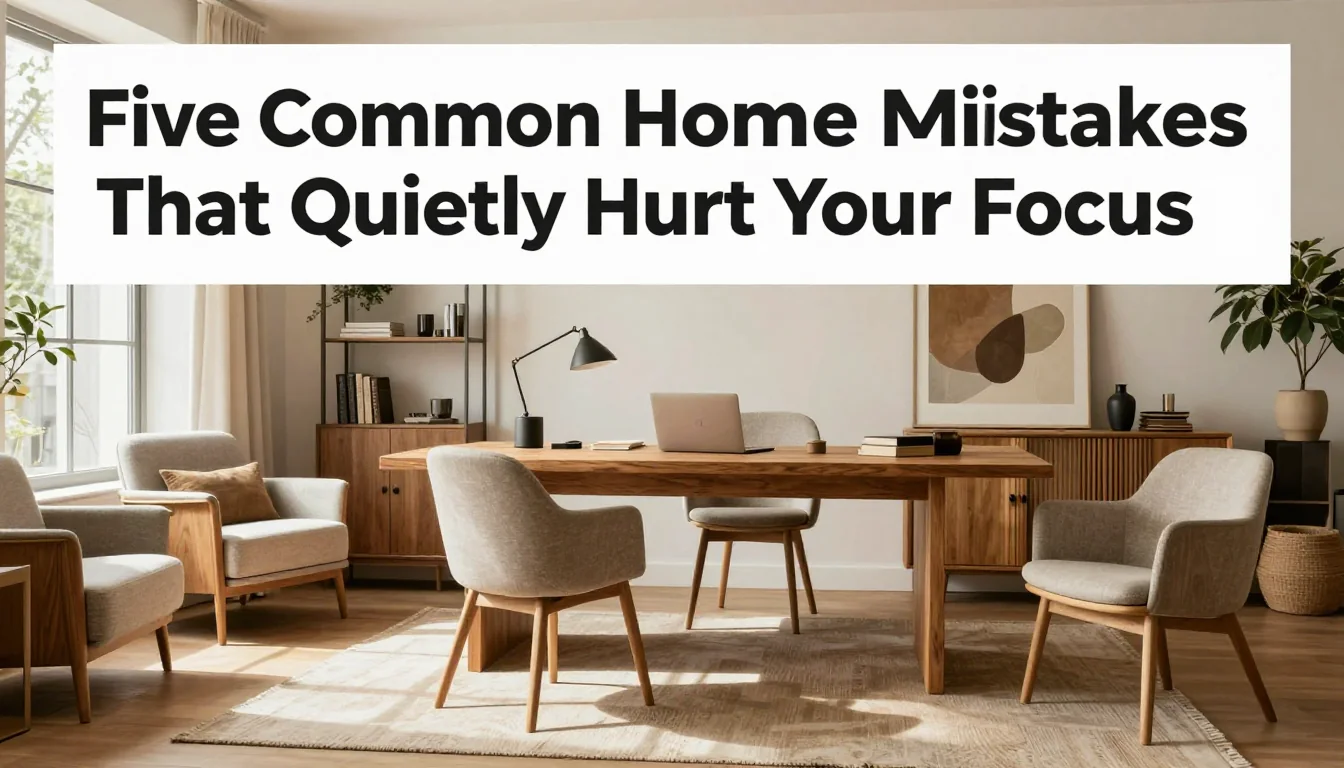
Effective zoning separates the high-focus tasks from the low-key activities. If your office doubles as a reading or contemplation space, define that area visually but not physically; perhaps by placing a textured rug beneath it, or positioning a comfortable secondary chair facing away from the main desk setup. The trade-off here is space: dedicated zones consume square footage, so choose multi-functional pieces—a credenza that serves as both storage and a surface for displaying curated items, rather than two separate units.
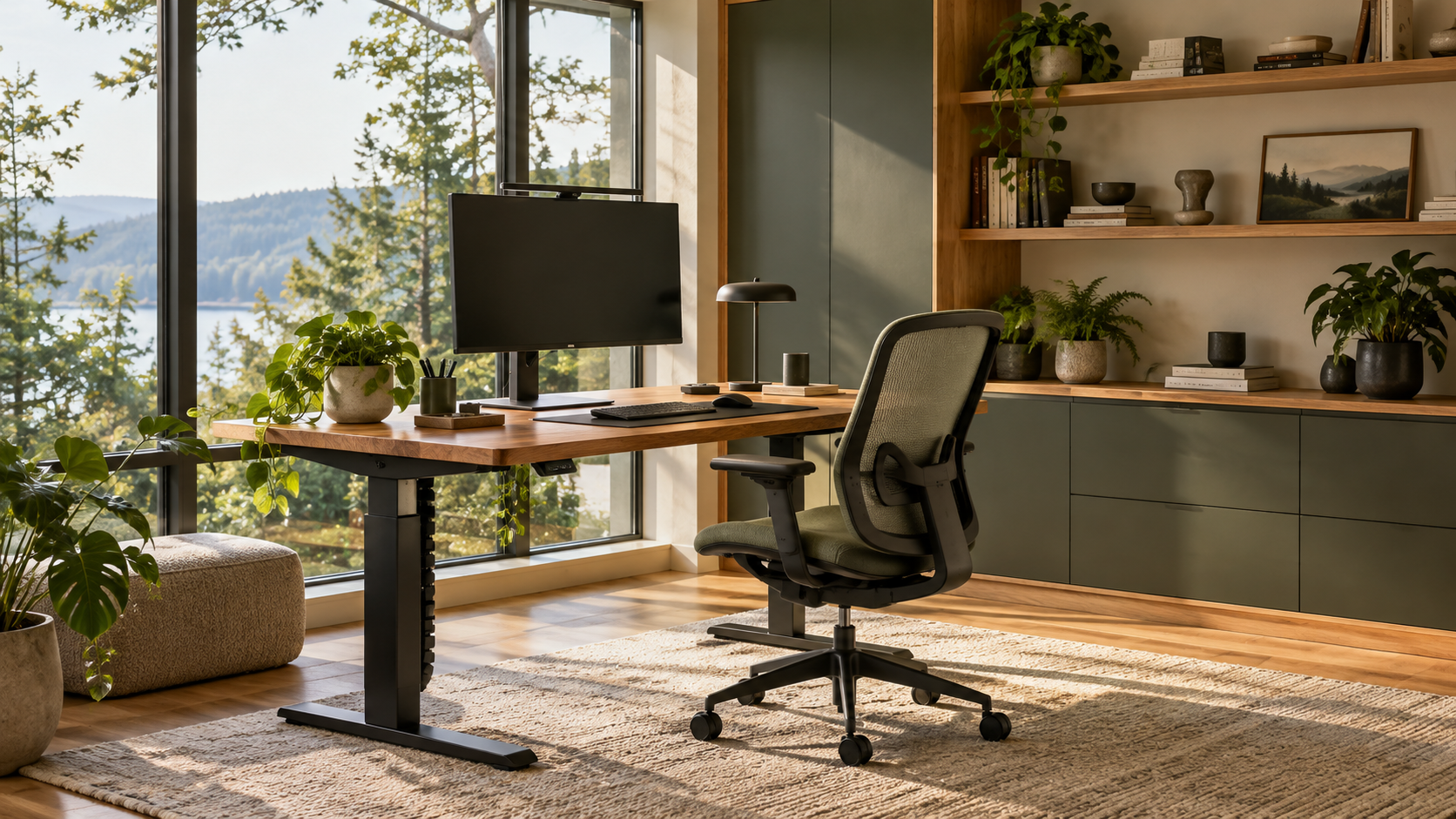
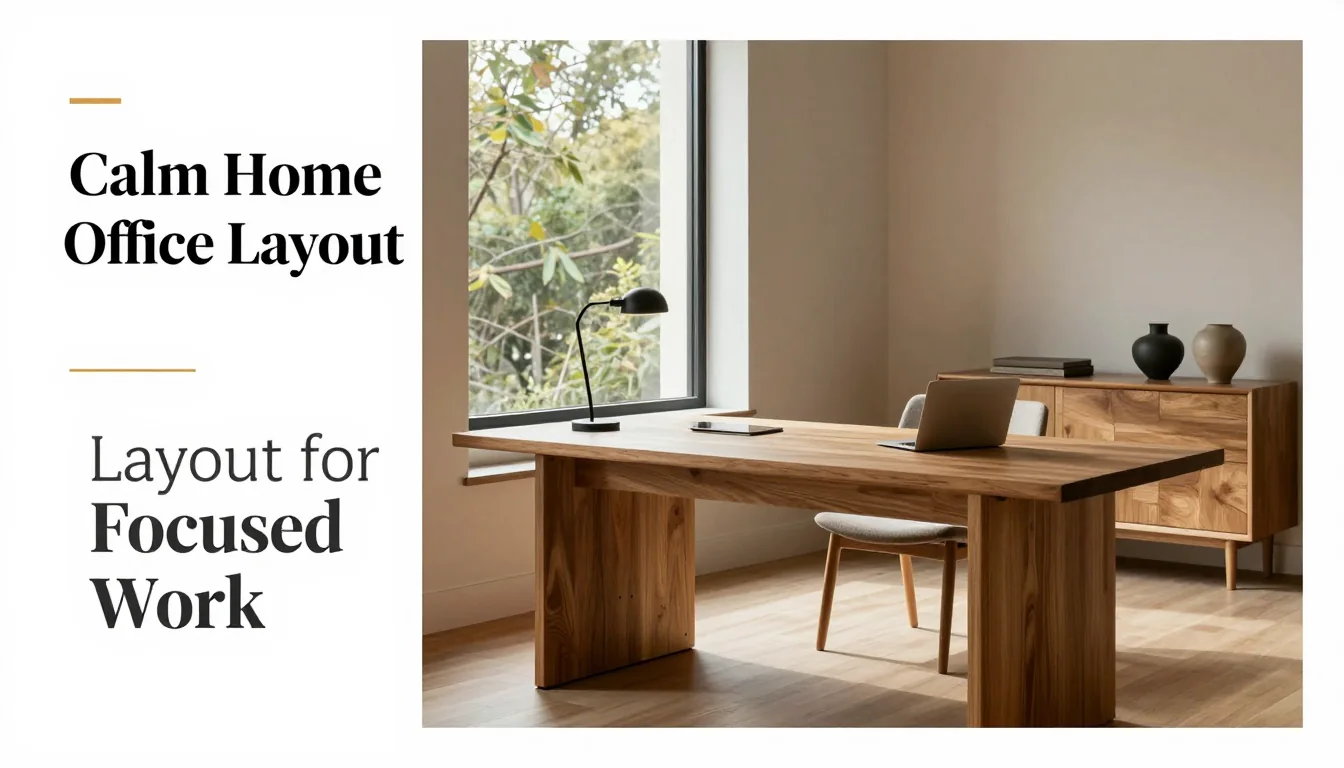
A common mistake is placing the primary workspace directly against an exterior wall or in a corner without consideration for natural light direction. Position your desk perpendicular to the main light source (window) if possible. This minimizes screen glare while providing sufficient ambient illumination. If space restricts this ideal placement, prioritize furniture that allows you to maintain a clear sightline toward a point of visual rest—a window view or a simple piece of art—to reduce eye strain during intense periods of concentration.
Curated Storage and Visual Harmony
The secret to a calm office is not having less stuff, but making the clutter invisible. Implement the 'closed-first' storage rule: prioritize cabinets, drawers, and closed shelving over open displays for routine items like cables, stationery, and reference materials. When selecting storage pieces, choose those with substantial, matte finishes (like powder-coated metals or rift-cut oak) to ground the space. These heavier textures lend a sense of permanence and quiet order.
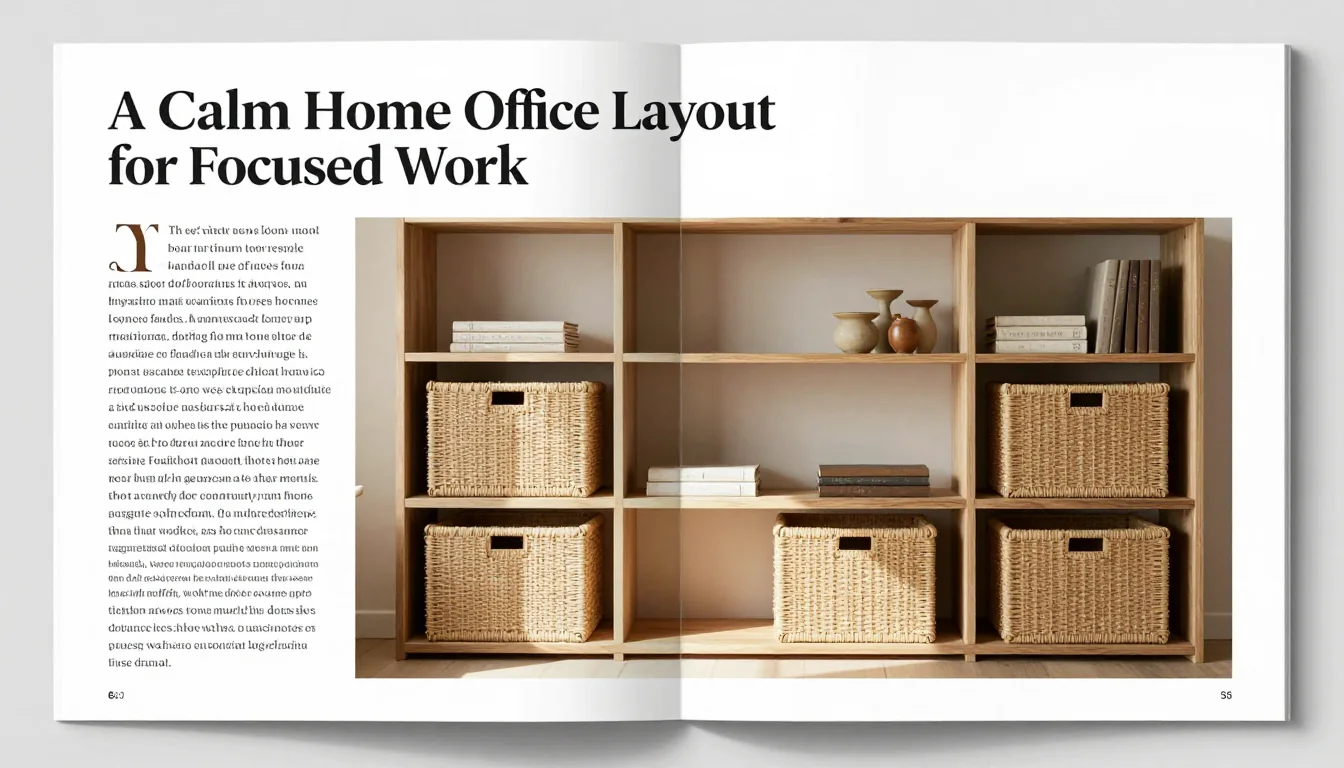
If you utilize open shelving—which is useful for displaying intentional items like books or ceramic vessels—treat it as a gallery, not a dumping ground. Maintain strict visual rhythm by grouping objects in odd numbers (three or five) and ensuring that the materials displayed echo one or two core finishes used elsewhere in the room (e.g., if your desk has brushed brass accents, use small brass trays on the shelf). This repetition creates intentionality, transforming functional storage into a design feature.
A practical consideration is managing cables. Visible wiring instantly introduces visual noise and anxiety into a workspace. Invest in cable management solutions—under-desk trays, sleeves, or adhesive clips—to route cords neatly and keep them out of sight. While this requires an initial investment of time and effort, the trade-off against persistent visual distraction is substantial; it allows the eye to rest on the intended focal points rather than tracing tangled wires.
Layering Light and Tactile Elements
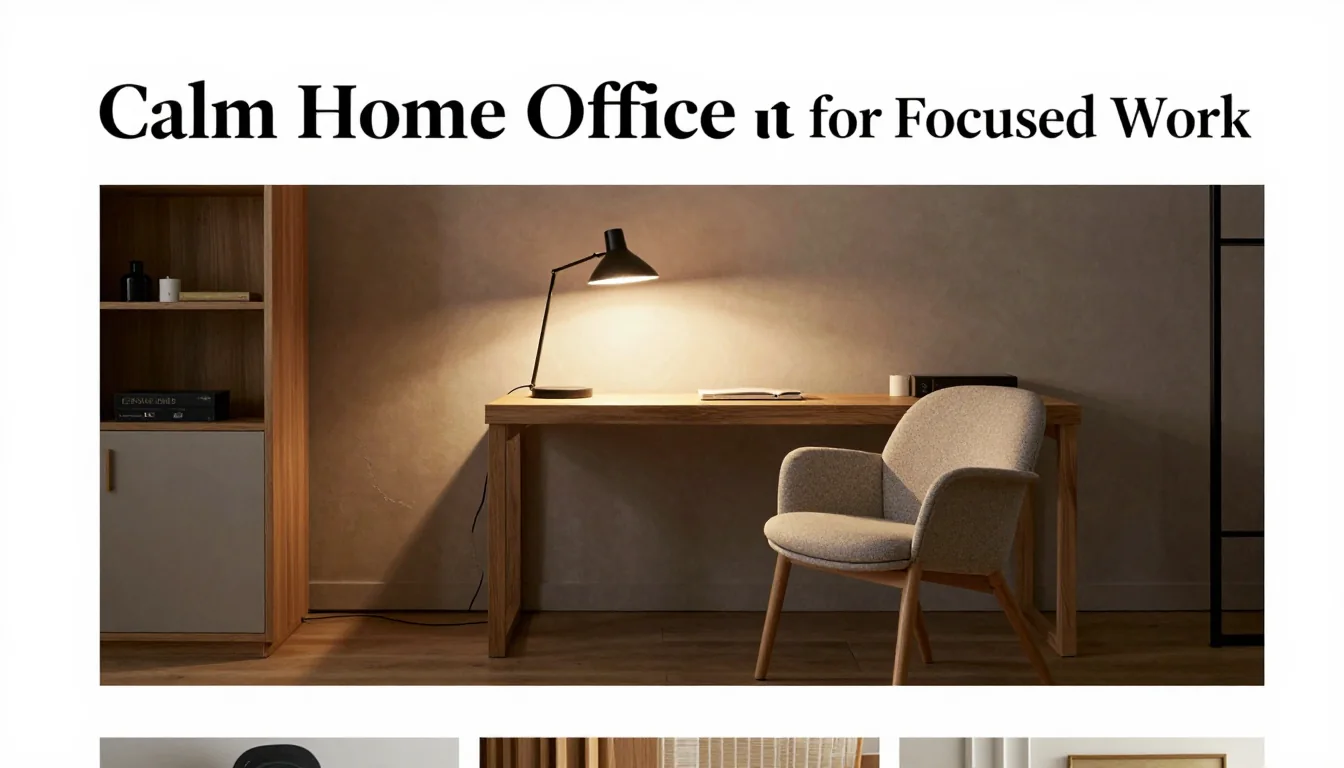
Lighting should never be a single overhead fixture. A layered approach—combining ambient, task, and accent light—is crucial for mood regulation throughout the day. The primary task light (e.g., an adjustable architect lamp placed on your desk) must provide concentrated illumination without creating harsh shadows on documents or screens. Supplement this with diffused ambient lighting, such as a floor lamp featuring fabric shades to cast a soft, even glow across the room during non-working hours.
In terms of tactile elements, introduce materials that absorb sound and invite touch: linen chair upholstery, woven fibre desk mats, or wool throw blankets draped over an accent chair. These textiles soften the hard lines typical of office furniture, creating acoustic dampening and a sense of warmth. When considering natural wood surfaces, remember to patch-test any cleaning products on an inconspicuous area first; for oil finishes, use only specialized, non-solvent cleaners designed specifically for that finish type.
Finally, incorporate plant life not just as decoration, but as a functional element of air quality and visual respite. Select species suited to indoor low light (like Sansevieria or Zamioculcas zamiifolia). The strategic placement of plants—near the window or on shelving units—adds organic shape and color variation, providing the eye with a natural point of focus that is calming and restorative after intense periods of screen time.