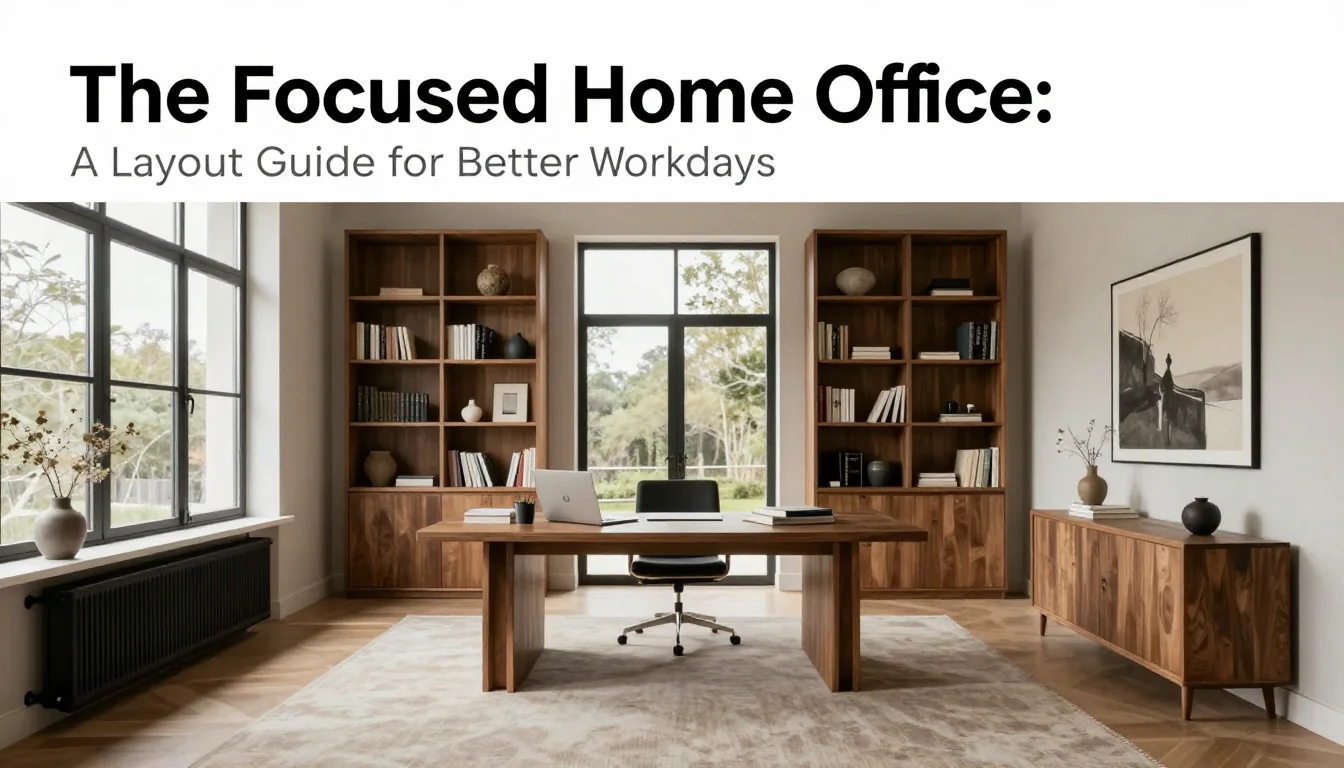
The transition to remote work has irrevocably reshaped the domestic landscape, turning living spaces into productive environments. However, simply moving a laptop onto a kitchen table does not constitute a functional workspace; it merely invites distraction. A truly focused home office is an intentional design solution—a sanctuary engineered for high performance and mental clarity. It must do more than house technology; it must support your workflow rhythm, manage cognitive load, and delineate the boundary between professional endeavor and personal life. Designing this dedicated space requires moving beyond aesthetics to prioritize function, flow, and psychological comfort. We delve into the architectural considerations, ergonomic necessities, and sensory details required to transform a spare corner or room into a powerhouse of productivity.
Strategic Zoning: Defining the Work Boundary
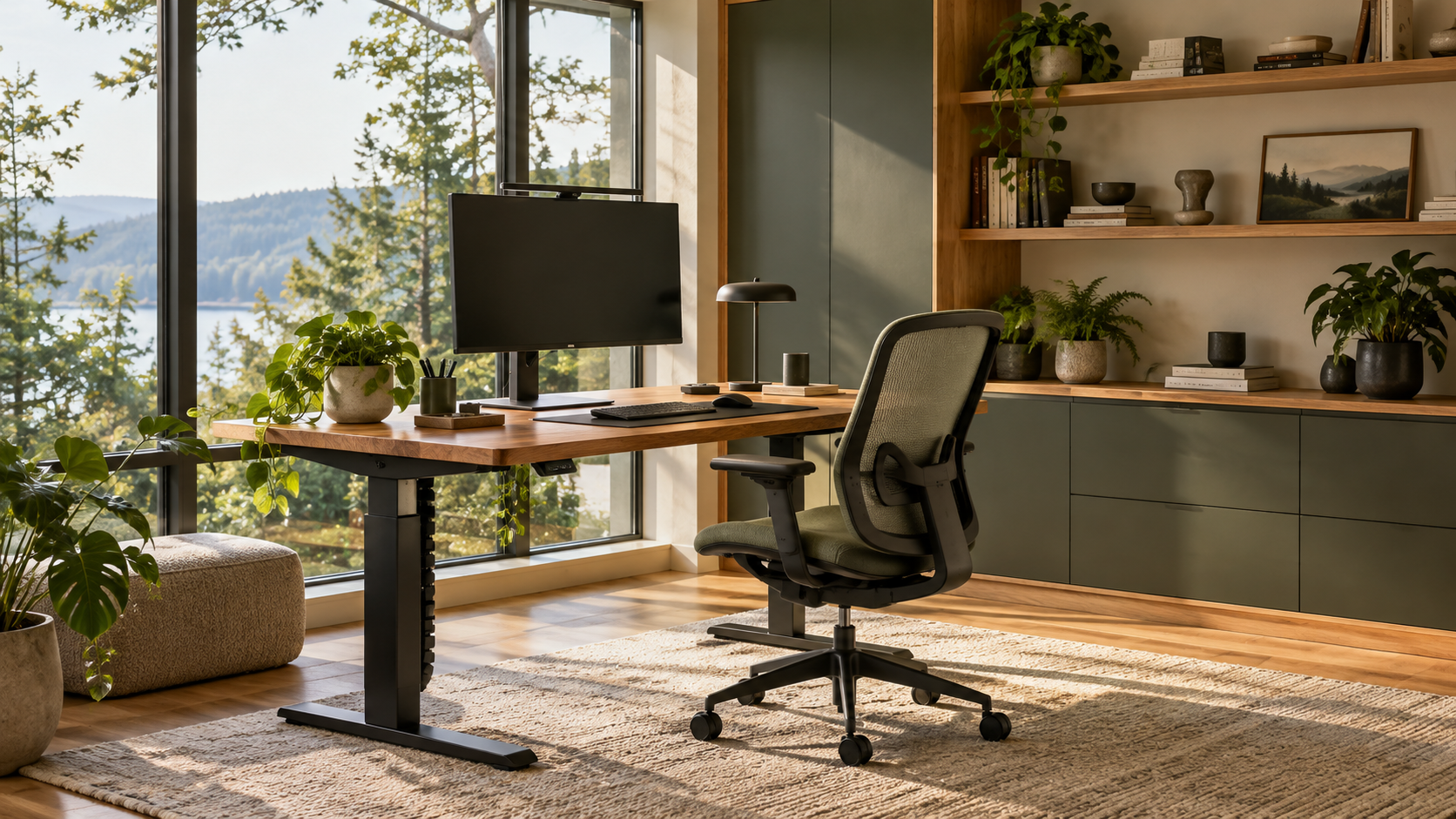
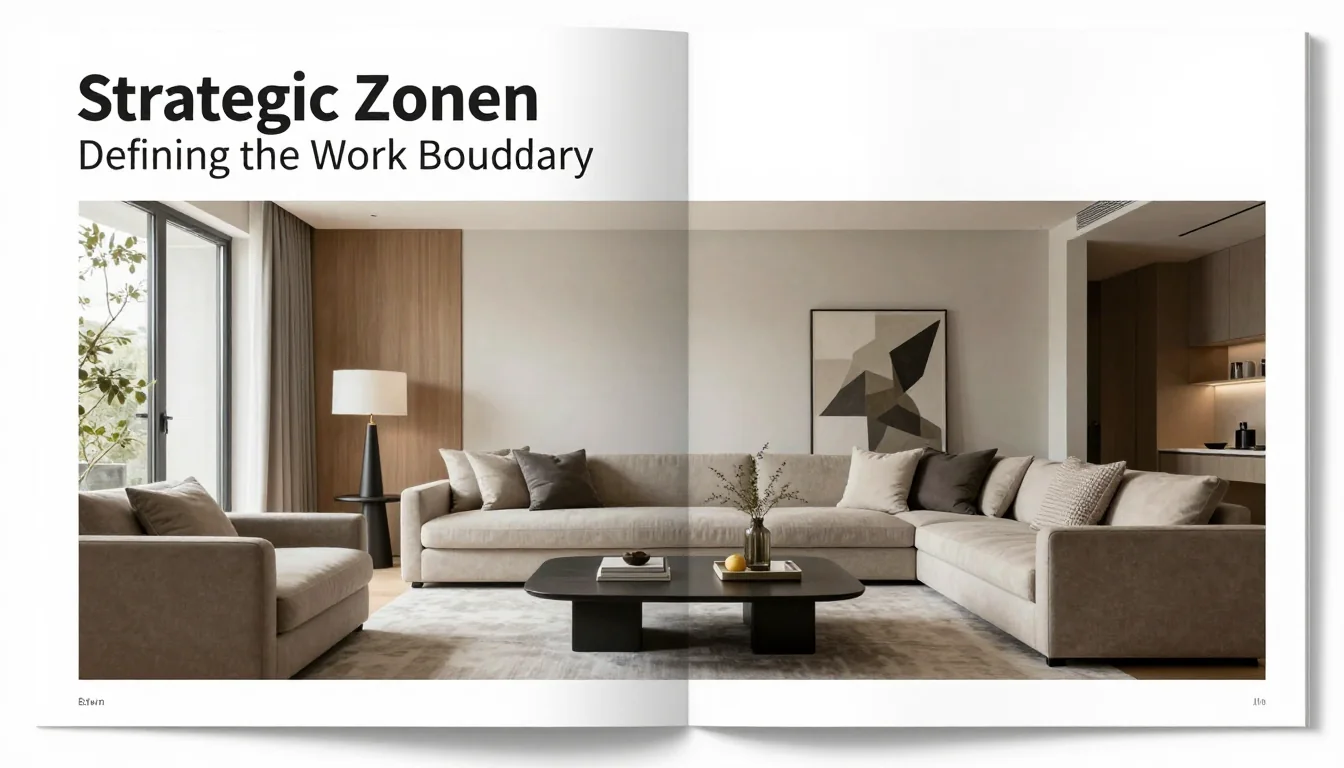
The most critical step in establishing focus is creating an unambiguous physical boundary between work and life. If your office bleeds into your living area, your brain will never fully switch off, leading to chronic cognitive drain. Effective zoning requires treating your workspace as a distinct room or designated zone within a larger space. This might mean using strategic dividers—be it a tall bookshelf acting as a visual screen, or even a large, potted plant arrangement that defines the perimeter of the desk area. The placement of the desk itself is paramount. Instead of facing a wall (which can feel isolating), positioning your workspace to face an inspiring view or allow you peripheral sightlines into nature promotes a feeling of openness and control. An L-shaped desk often provides superior zoning, allowing dedicated areas for active computer work and more contemplative tasks, like reading or sketching. Ensure the chosen location receives adequate natural light without introducing excessive glare on monitors; side lighting is generally preferred over direct front lighting to reduce eye strain throughout long working sessions.
Optimizing Flow and Ergonomics: The Human Factor
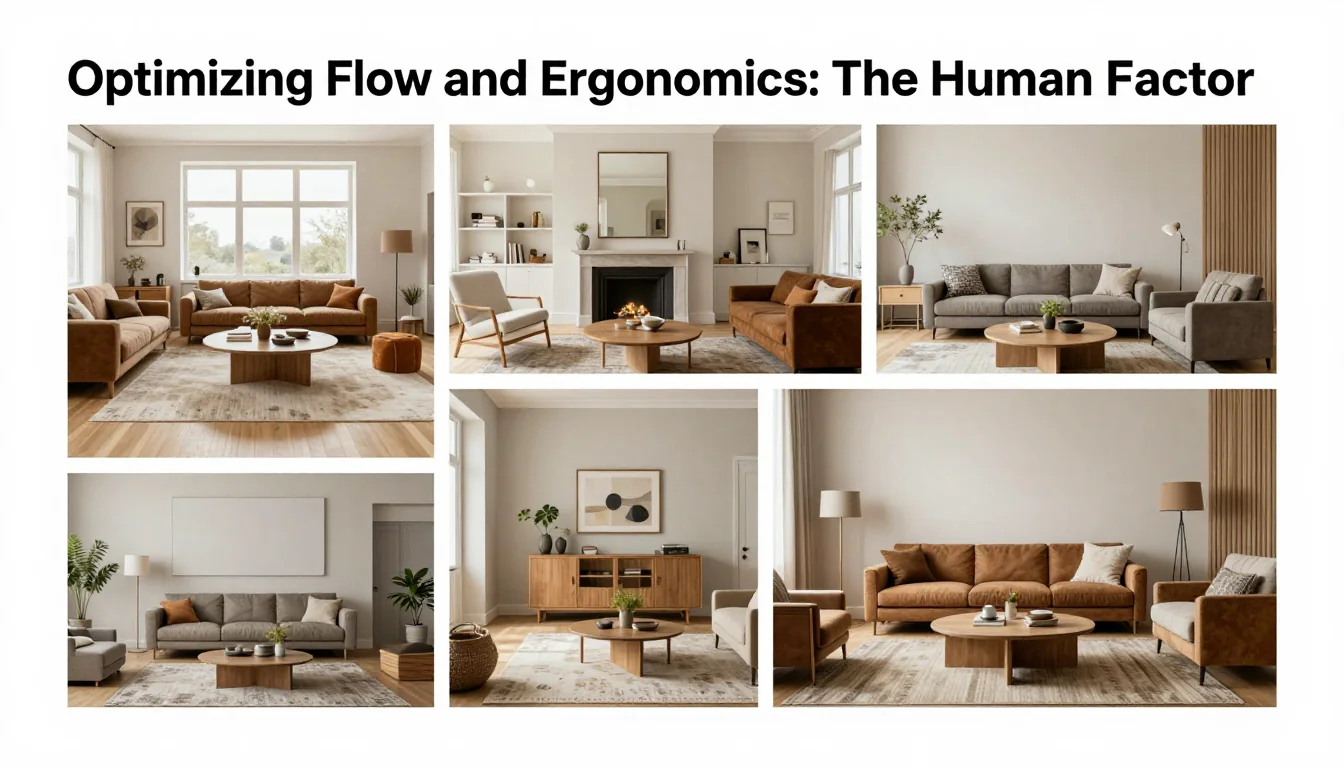
A perfectly designed office must be fundamentally comfortable for the human body, not just the digital devices. Ergonomic design is not merely about buying a fancy chair; it's about orchestrating movement and posture to support sustained concentration. Your desk height must allow your elbows to rest at a 90-degree angle while typing, and your monitor should sit at eye level—this prevents neck strain and encourages better spinal alignment. Integrating standing options is highly beneficial for maintaining energy throughout the day; consider an adjustable-height desk setup that allows you to shift posture frequently, breaking up long periods of sitting. Furthermore, thoughtful storage must be implemented. Clutter acts as visual noise, directly competing with your focus. Utilizing vertical space with attractive shelving units—which can also double as room dividers—keeps surfaces clean and readily accessible while maintaining a visually serene atmosphere. The flow should allow for easy movement between the desk, filing areas, and break zones without feeling cramped.
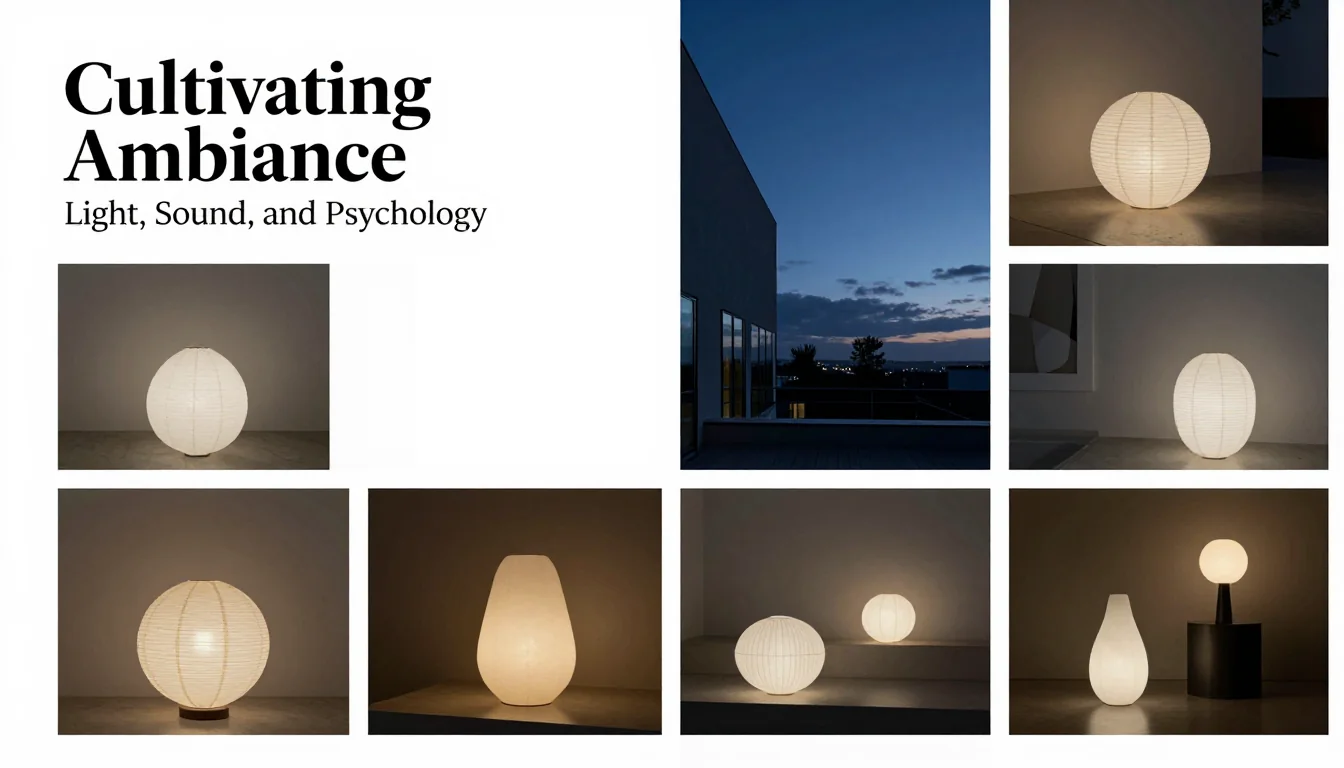
Cultivating Ambiance: Light, Sound, and Psychology
The environment you inhabit profoundly influences your mood and output. Therefore, treating sound, light, and color as design elements is crucial. For acoustically demanding environments, investing in sound-dampening panels or heavy textiles (like thick rugs or curtains) can dramatically reduce distracting echoes and ambient noise from outside the room. If external noise cannot be controlled, consider white noise machines to mask sudden auditory interruptions. Regarding lighting, while natural light is king, supplemental task lighting is essential for evening work. Opt for warm-toned LED bulbs that mimic daylight without being harsh; avoid overly cool, blue-spectrum lights which can induce alertness but also anxiety during long hours. Color choices should support the desired state of mind: muted greens and blues are known to promote calm and concentration, while deep neutrals provide a professional anchor. The careful selection of decorative elements—a piece of abstract art or a thriving indoor plant—injects personality and life into the functional space, transforming it from a mere station into a genuine haven for productivity.