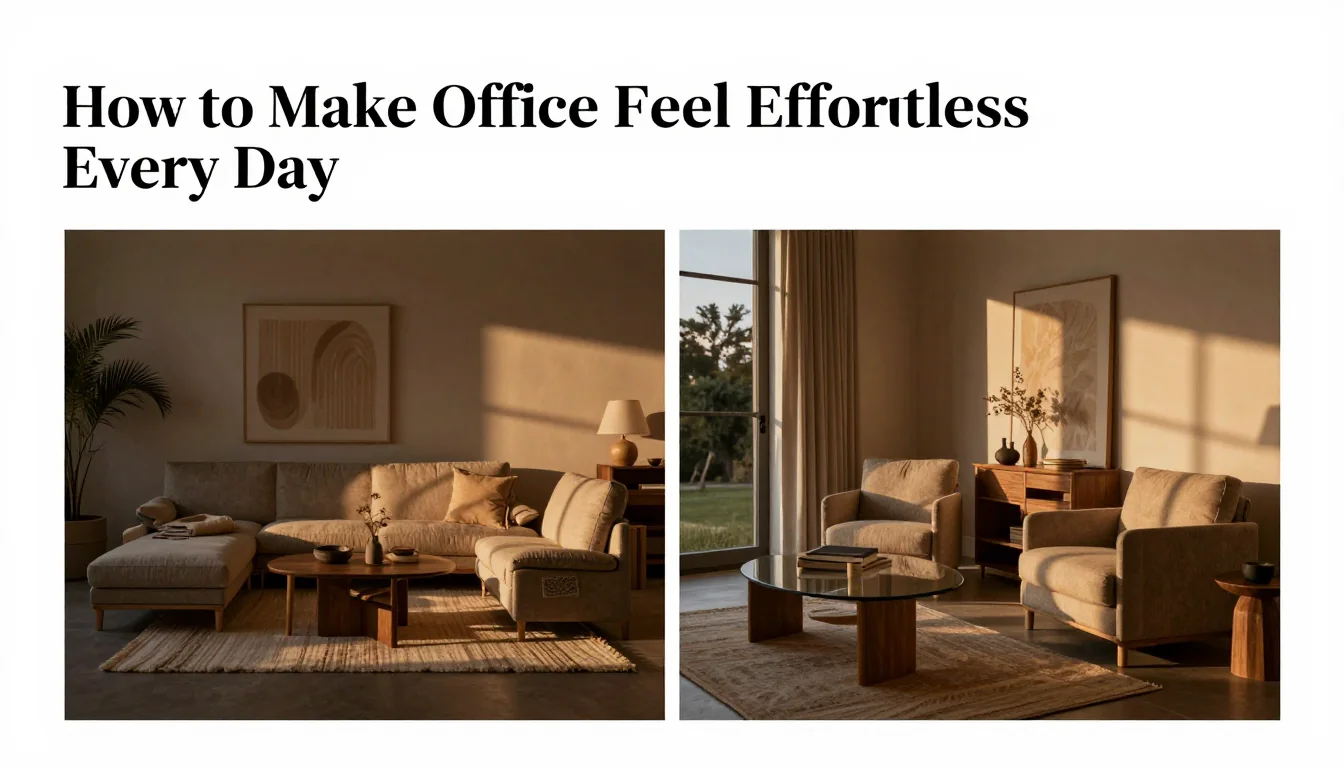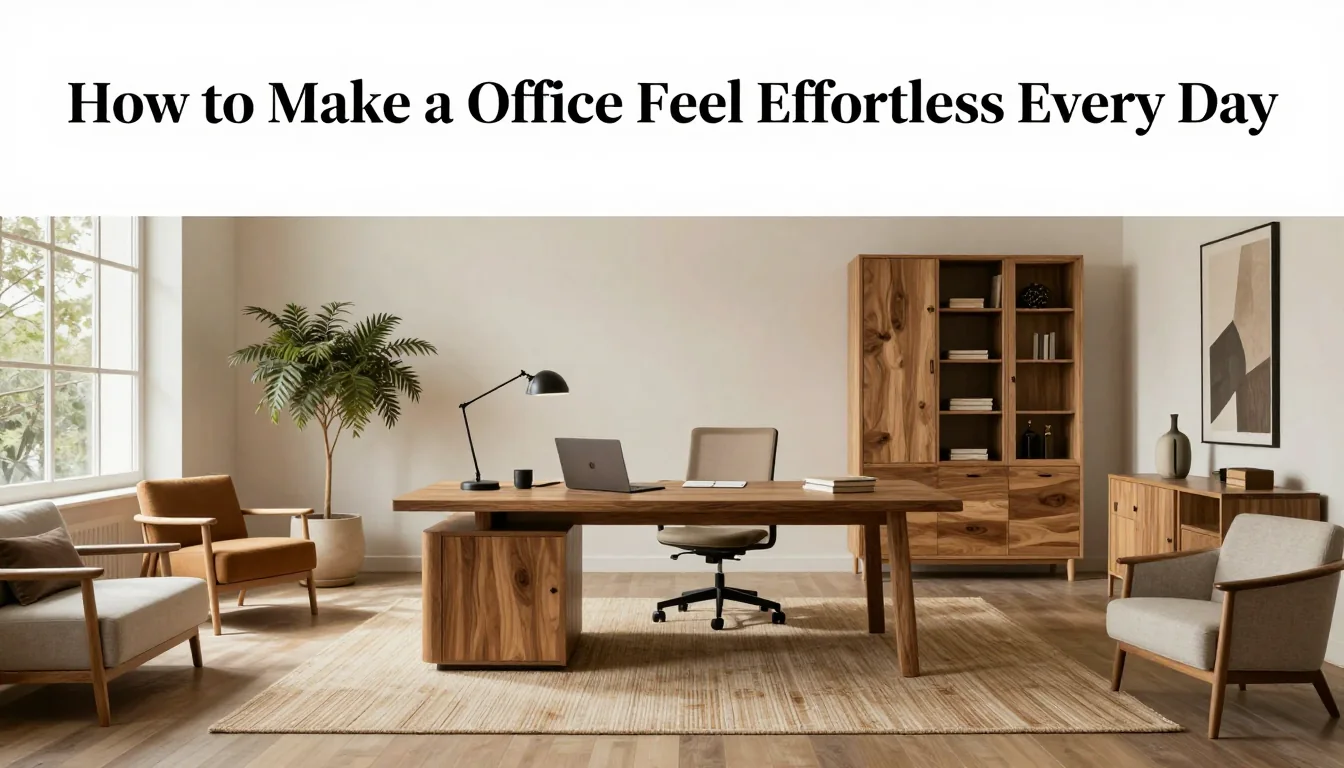
An effective office space is not defined by its aesthetic perfection but by its capacity to support consistent productivity. The goal is a functional environment that accommodates real-life work habits—deep focus sessions, quick administrative tasks, and necessary pauses—without generating friction. Instead of chasing fleeting visual trends, this guide focuses on the practical decisions: how proportions dictate movement, how materials influence mood, and how smart maintenance keeps the space feeling effortless day after day.
Foundational Layout and Ergonomic Flow
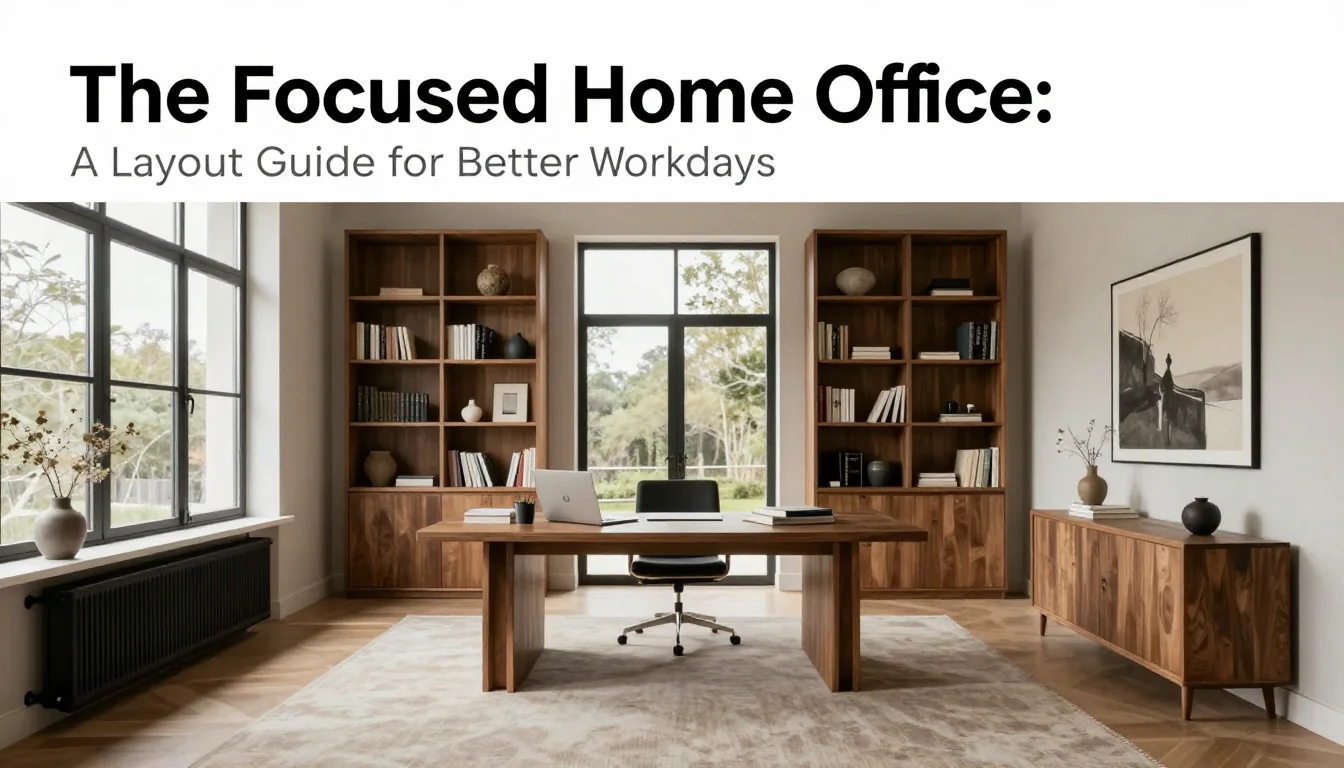
The primary function of an office is utility; therefore, layout must precede décor. Before selecting a desk or chair, map out the required movement paths. A common mistake is placing furniture too close to walls, which severely restricts functional clearance. Ensure you maintain at least 1 meter (39 inches) of open space behind your task chair to allow for easy pivoting and drawer access without bumping into other objects. If space is constrained, consider a corner desk that utilizes verticality while keeping the immediate working surface uncluttered.
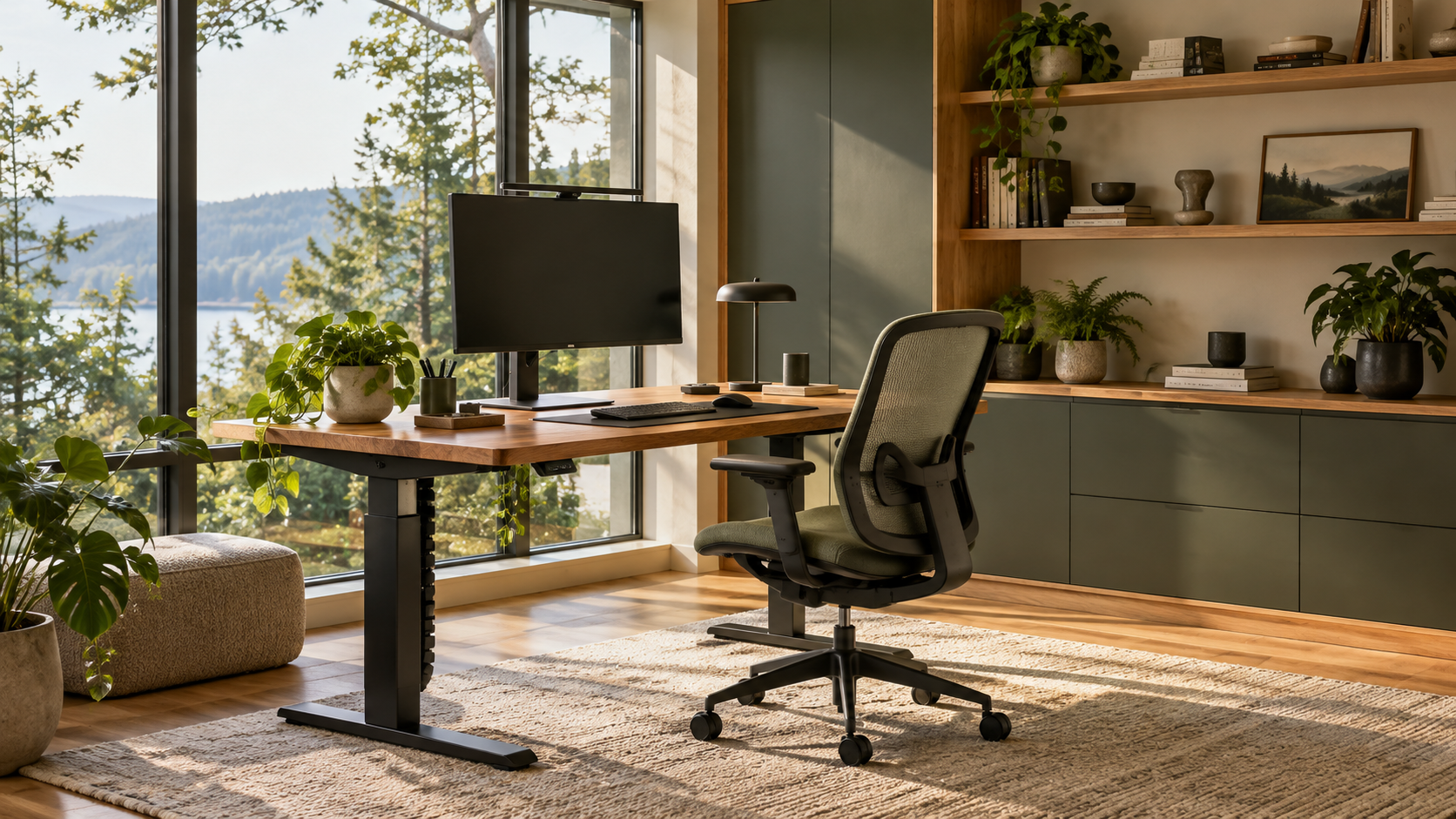
Desk placement significantly influences cognitive load. Position your primary monitor setup so that it avoids direct glare from windows or overhead lighting; this prevents eye strain over long periods and minimizes disruptive visual shifts. When designing for dual-purpose rooms (e.g., a home office in a living area), ensure the desk acts as a defined boundary, perhaps using a low shelving unit or an acoustic screen to subtly separate the work zone from relaxation areas.
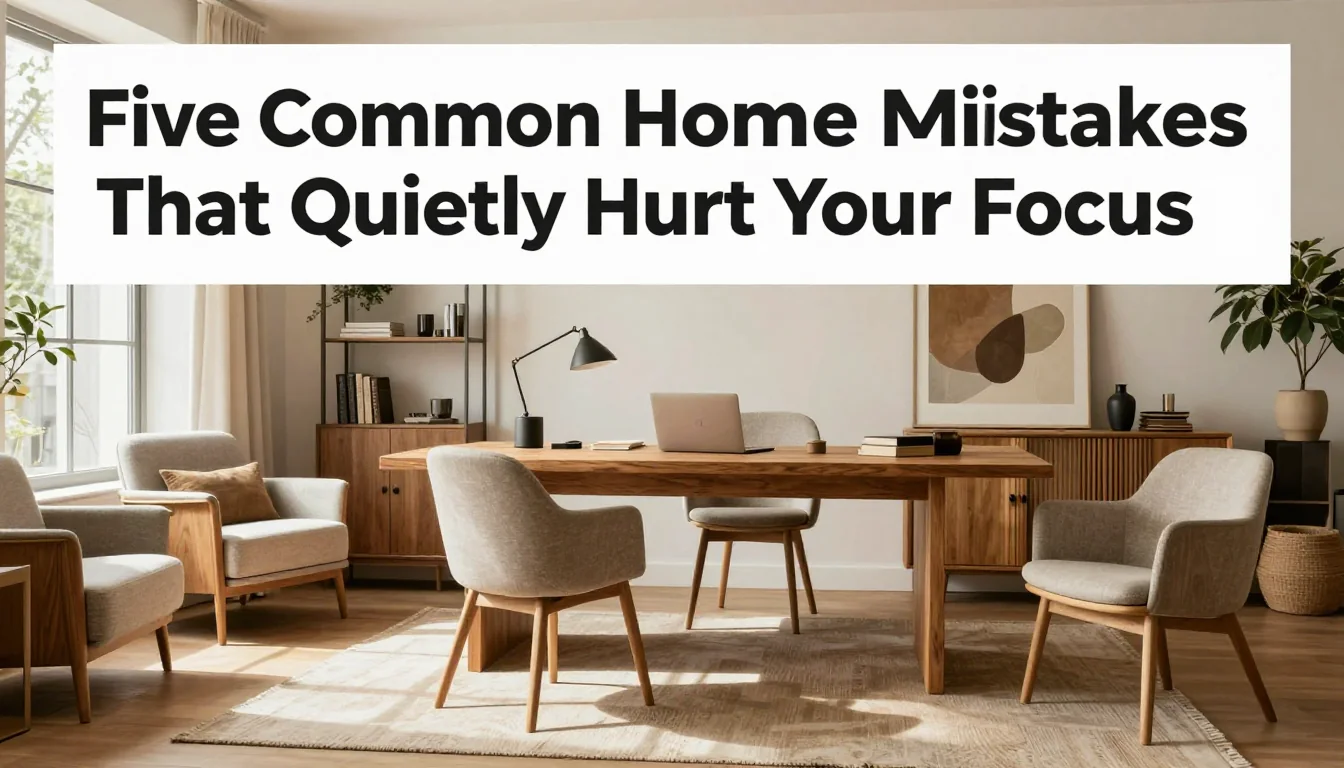
Proportion matters more than piece count. Avoid choosing large, imposing furniture if the room feels cramped; this creates psychological pressure. Opt instead for modular pieces that can be adjusted based on your daily needs—a small side table that doubles as a temporary document holder, or shelving systems that offer open access rather than solid blocks. This flexibility allows the space to adapt instantly from a focused work hub to a brief resting area.
Curating Sensory Calm Through Materiality
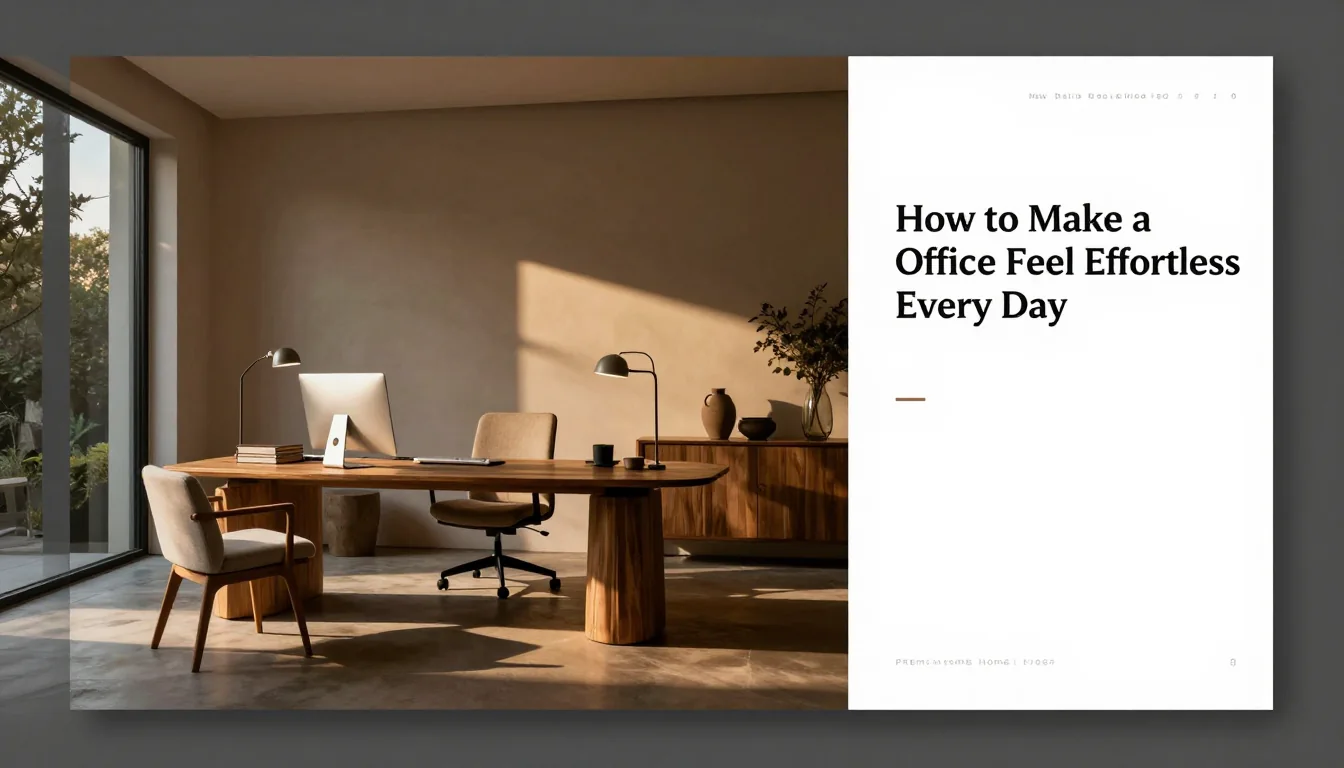
To achieve a sense of effortless calm, introduce texture with extreme restraint. Instead of collecting numerous decorative objects, select one or two key materials—such as matte ceramic on storage trays, brushed brass hardware, or woven wool rugs—and repeat them throughout the room. This repetition creates visual rhythm and makes the space feel settled, rather than curated for a photograph.
When selecting surfaces, consider how they interact with light and touch. Natural timber (like ash or oak) provides inherent warmth, but ensure the finish is matte or satin to absorb light softly, preventing harsh reflections that can be tiring during long working hours. Counterbalance hard materials by incorporating soft elements: a linen desk mat under the keyboard, or a textile chair cushion in a natural fiber like bouclé. These tactile choices anchor the room and make daily interaction more pleasant.
Color palettes should support focus rather than demand attention. Neutrals—soft greys, off-whites, deep taupes, and forest greens—are ideal because they recede into the background, allowing your concentration to remain on the task at hand. If you wish to use a bolder accent color, confine it strictly to accessories, such as a single plant pot or a pen holder, ensuring that the primary working surfaces remain visually quiet.
Sustainable Maintenance and Visual Discipline
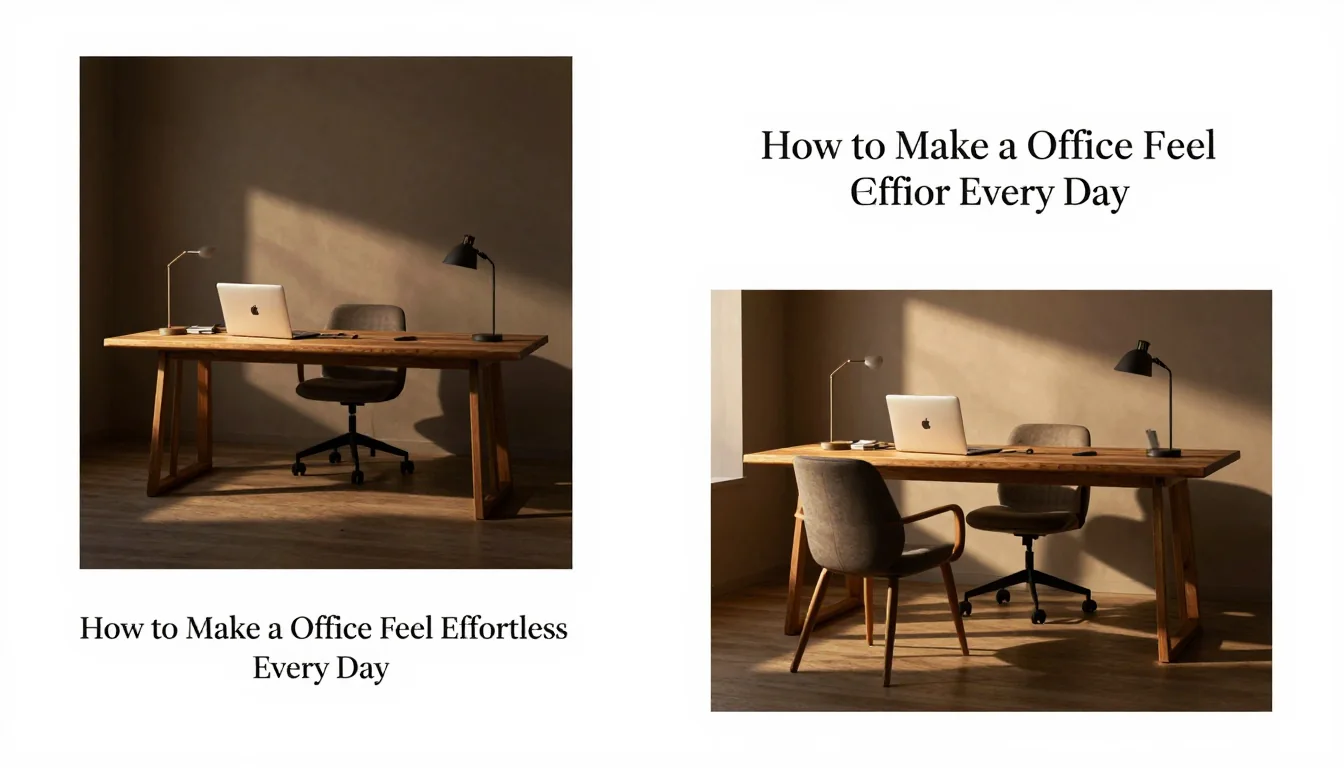
The key to an effortless office is predictable upkeep. Select furniture with clean lines and simple construction; overly ornate pieces collect dust in intricate crevices, demanding more time for maintenance. Prioritize surfaces that are easy to wipe down—a sealed wood finish or a durable laminate desk top will require only a damp microfiber cloth after daily use.
For wooden elements, always verify the specific protective coating (e.g., polyurethane varnish vs. hardwax oil) before cleaning. For sealed finishes like lacquer, avoid abrasive cleaners; gently wipe spills with a barely damp cloth and dry immediately. For porous woods treated with oil, use a soft brush and minimal moisture to lift surface dust without compromising the finish integrity.
Implement micro-organization rather than grand decluttering. Instead of waiting for a major purge, establish small 'drop zones' near high-traffic areas—a specific tray for charging cables, a dedicated stack of incoming documents. Keeping these minor items contained prevents the slow creep of clutter from undermining the room’s sense of calm. If you find yourself reaching for something often (like scissors or paperclips), ensure it is stored within arm's reach to minimize disruption.