The modern home office is more than just a place where work happens; it must be an environment that actively supports concentration, minimizes friction, and promotes sustained well-being. Effective design in this context prioritizes function over fleeting style. This guide moves beyond abstract trends to provide specific, actionable strategies for creating a workspace that feels tailored, productive, and genuinely comfortable day after day.
Optimizing Flow and Ergonomics Through Layout
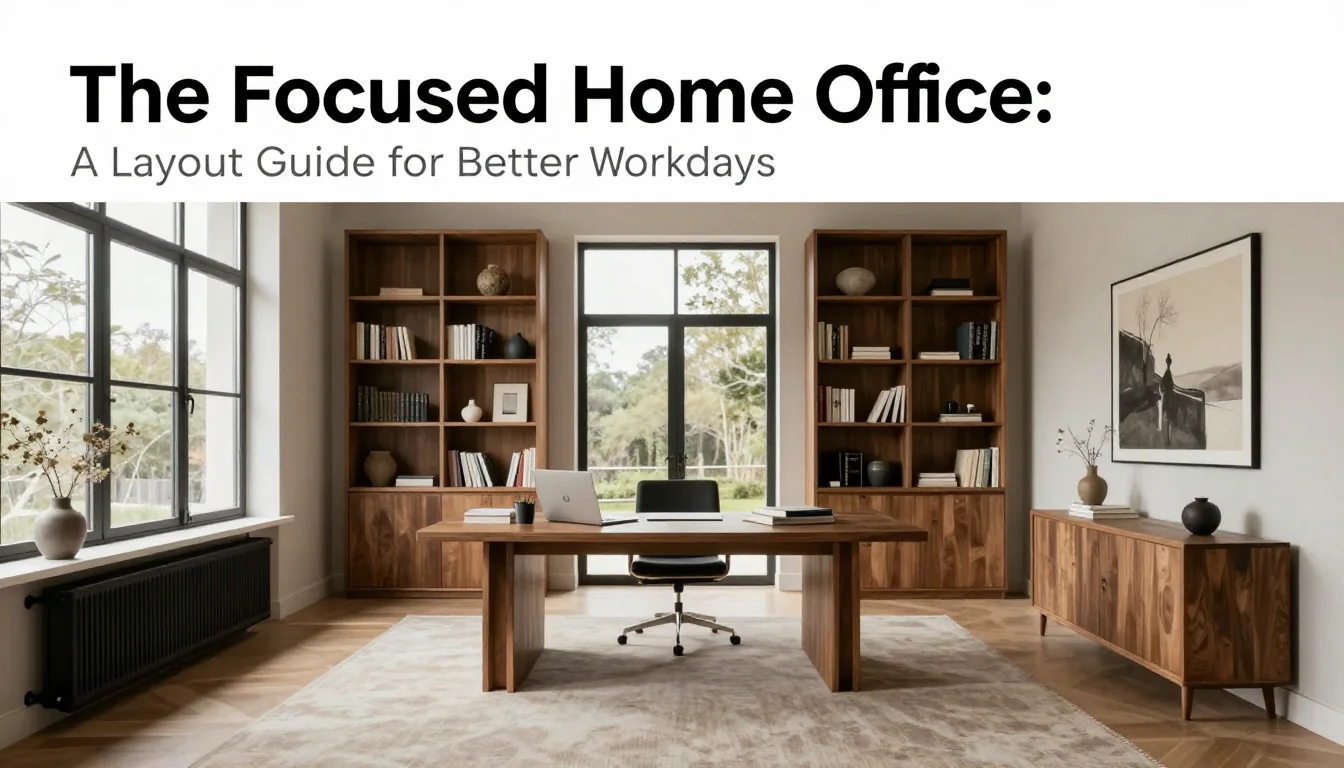
The foundational decision in office design is spatial planning. Before selecting any piece of furniture, measure the room precisely to determine necessary clearances. A minimum operational space around a desk—allowing for chair movement (pulling out 60-75 cm) and peripheral access—is critical. If your primary task involves extensive computer work, aim for a clear path behind the chair and at least 90 cm of open floor space in front of it. Common mistakes involve placing desks directly against walls without consideration for cable management or blocking natural light sources. Prioritize an arrangement that allows you to face a window or a visually appealing focal point, rather than staring at a blank wall.
When selecting furniture proportions, remember that scale dictates comfort. A massive, heavy desk in a small room can feel oppressive, while pieces that are too delicate may lack the gravitas needed for focused work. If space is severely limited (e.g., under 2.5 square meters), consider vertical storage solutions or wall-mounted desks, which free up valuable floor area. However, be mindful of the trade-off: while minimalist floating shelves save space, they often sacrifice deep, accessible storage, forcing you to rely on smaller, less efficient filing systems.
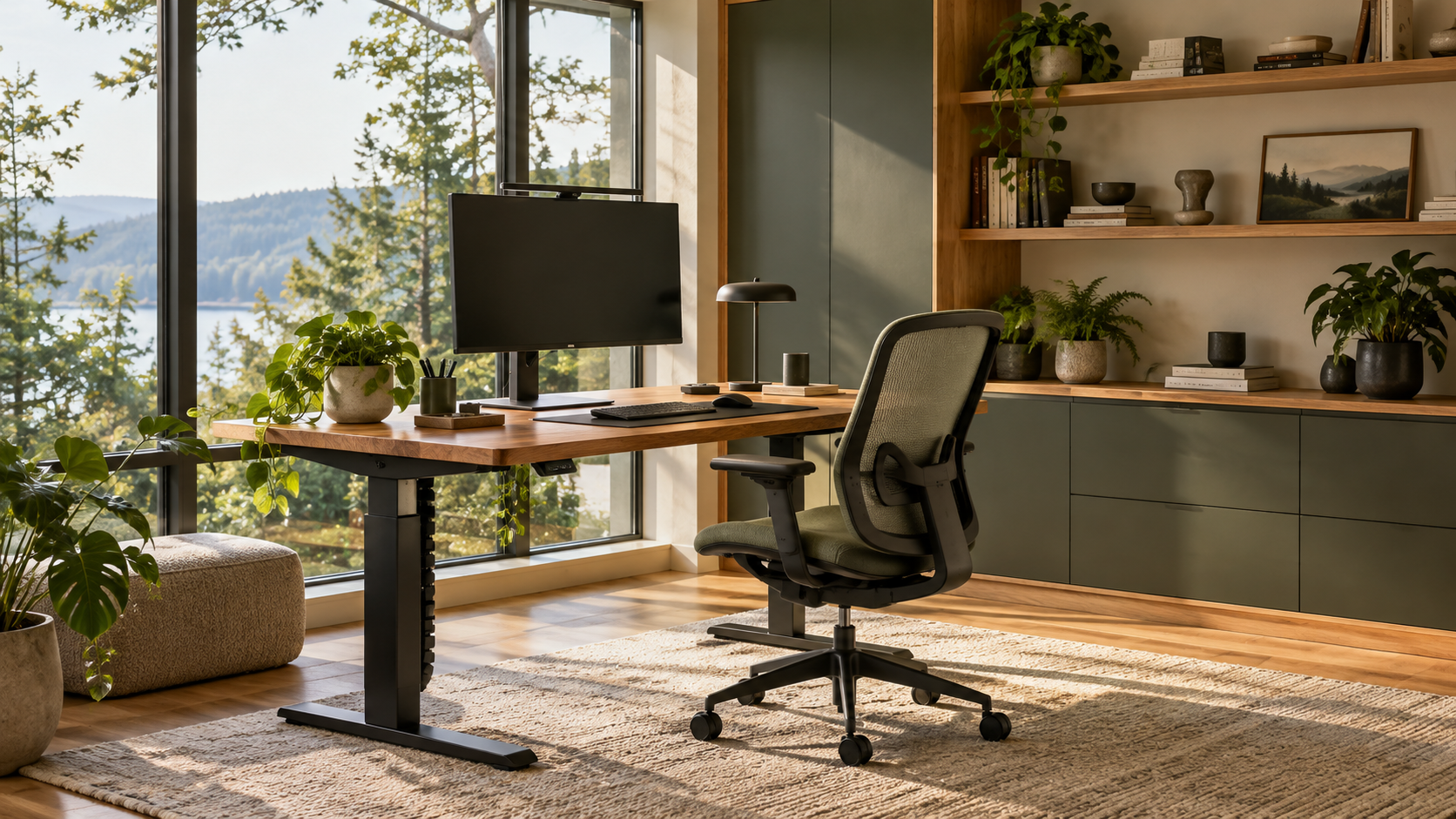
Cable management is not a cosmetic detail; it is an ergonomic necessity that prevents visual clutter and physical tripping hazards. Invest in integrated solutions such as cable trays mounted beneath the desk surface or grommets within the desktop itself. For monitor setups, utilize adjustable arms (gas spring mechanisms are highly recommended) to raise screens to eye level, ensuring your upper body remains neutral. This simple investment can drastically reduce neck strain and improve long-term comfort far more than any aesthetic choice.
Selecting Materials for Focus and Mood
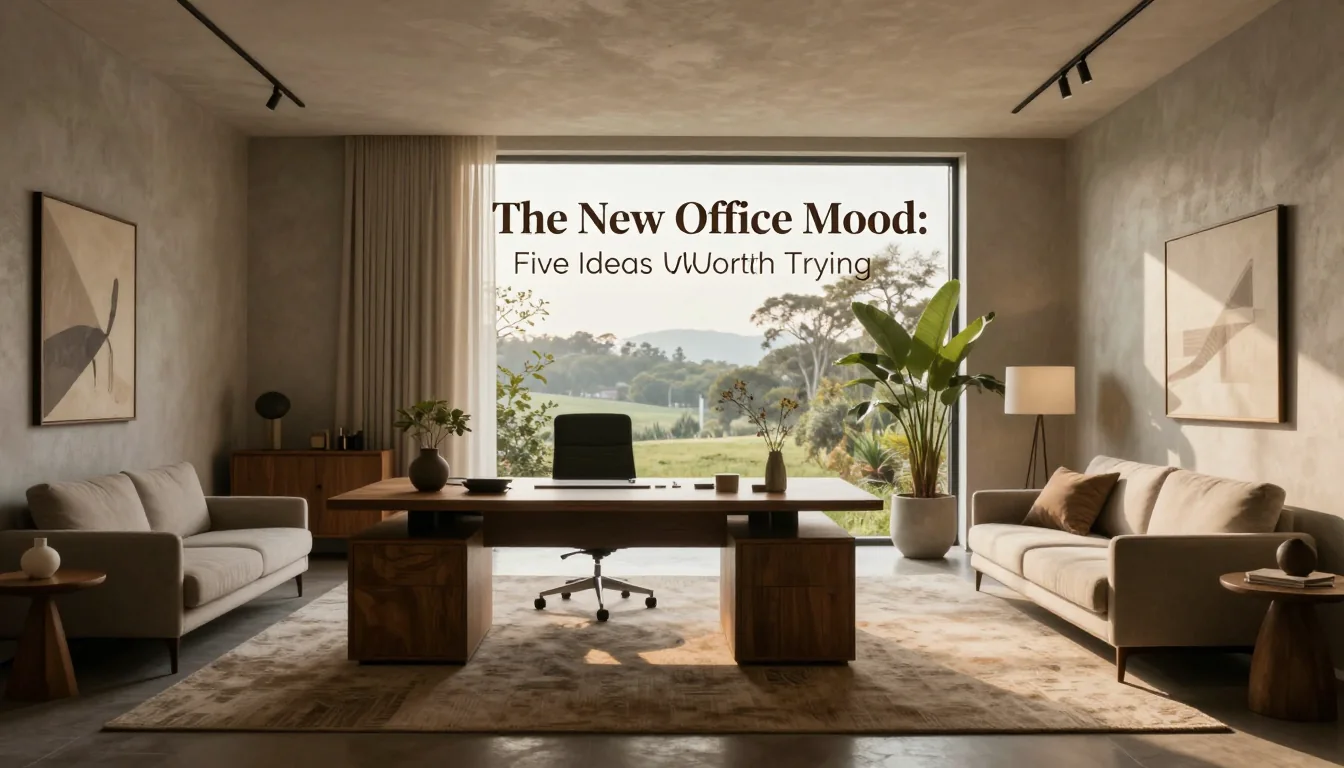
Materiality shapes the atmosphere of a workspace, influencing both visual calm and tactile experience. For primary surfaces like tabletops, durable, matte finishes are preferable to high-gloss ones, as reflective surfaces can cause distracting glare throughout the day. Natural woods, such as light oak or walnut, provide warmth while offering inherent texture. When working with wood, always patch test any cleaner or oil finish on an inconspicuous area first. For oiled finishes (like Danish oil), cleaning involves gentle wiping with a soft cloth dampened with mineral spirits; avoid harsh solvents entirely.
Introduce secondary textures to prevent the room from feeling sterile, but apply restraint. Instead of layering many different patterns, repeat one material—for example, woven wool or linen—in varying shades across accessories like chair cushions, desk mats, and storage baskets. These soft, natural fibers absorb sound, which is invaluable in an open-plan home setting. A trade-off to consider is the maintenance required; highly textured items like boucle fabric require more careful vacuuming than smooth leather.
Metals should be used sparingly as accent pieces, favoring brushed or matte finishes (like anodized aluminum or soft brass) over polished chrome. Highly reflective metals can introduce sharp visual interruptions when catching light. If you are working with metal hardware, ensure the finish is consistent across all elements—drawer pulls, lamp bases, and shelving brackets—to create a cohesive rhythm. This repetition of one or two finishes, rather than a collection of disparate materials, anchors the design and makes the space feel intentionally composed.
Layering Light and Ensuring Practicality
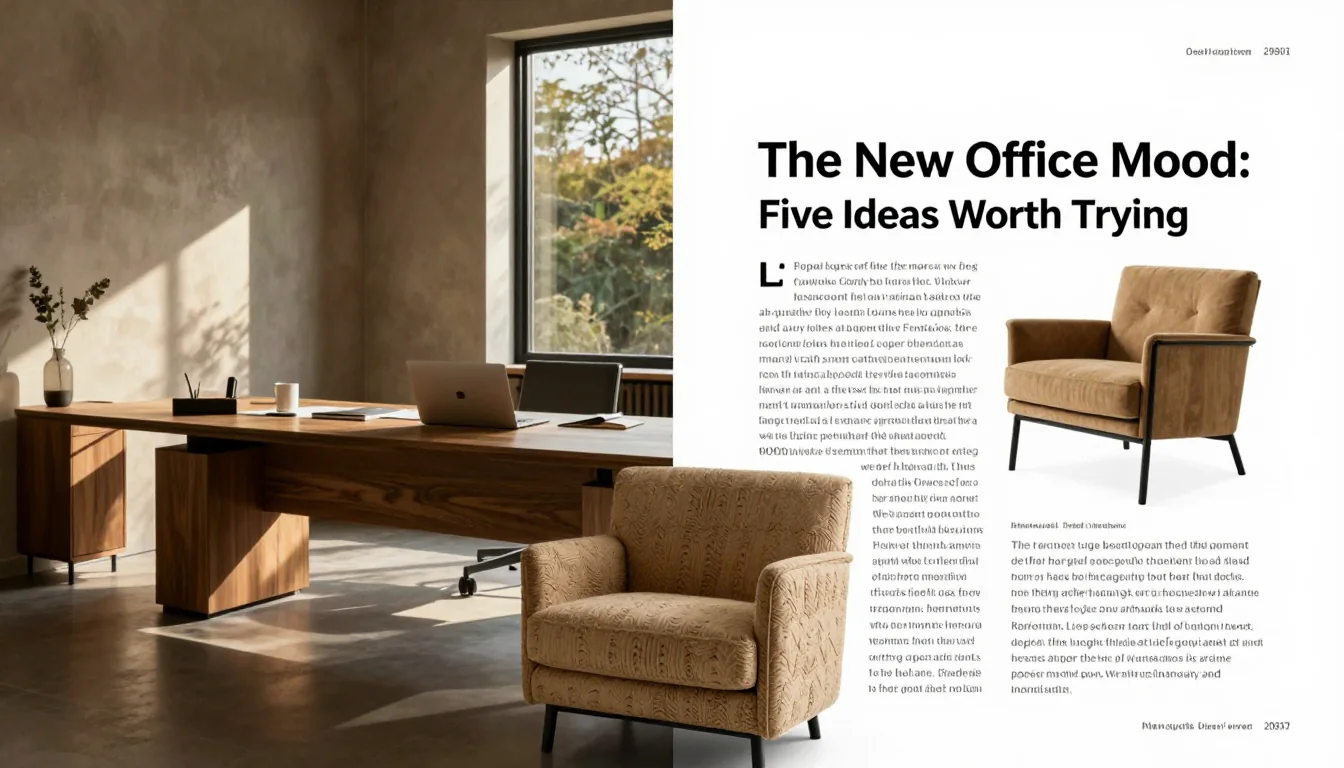
Lighting must be layered to support different activities throughout the day. Relying solely on overhead ambient light is harsh and fatiguing. The ideal setup combines three types: general ambient light (often recessed ceiling fixtures), task lighting (a focused desk lamp, ideally adjustable with directional control), and accent light (a floor lamp or small table lamp that introduces warmth). Task lighting should provide concentrated illumination where you are writing or reading, typically 30-45 cm away from the work surface.
Natural daylight is the single most important factor for mood and circadian rhythm. Position your desk to receive indirect natural light; placing a monitor directly facing a window can cause severe screen glare, while positioning it with the window behind you creates harsh backlighting shadows. If direct sun exposure is unavoidable, use sheer linen blinds rather than heavy curtains, which allow diffused light penetration while maintaining privacy. This offers a practical balance between brightness and visual comfort.
Finally, every element must pass the 'daily usability' test. Does this accessory make your routine easier or harder? Opt for closed storage (cabinets, drawers) to contain clutter, reserving open shelving only for items you genuinely want on display—a small plant, a curated book, or an aesthetic paperweight. When considering maintenance, choose surfaces that can withstand spills without warping; laminated wood tops or stone composites are generally more forgiving than unsealed natural finishes.