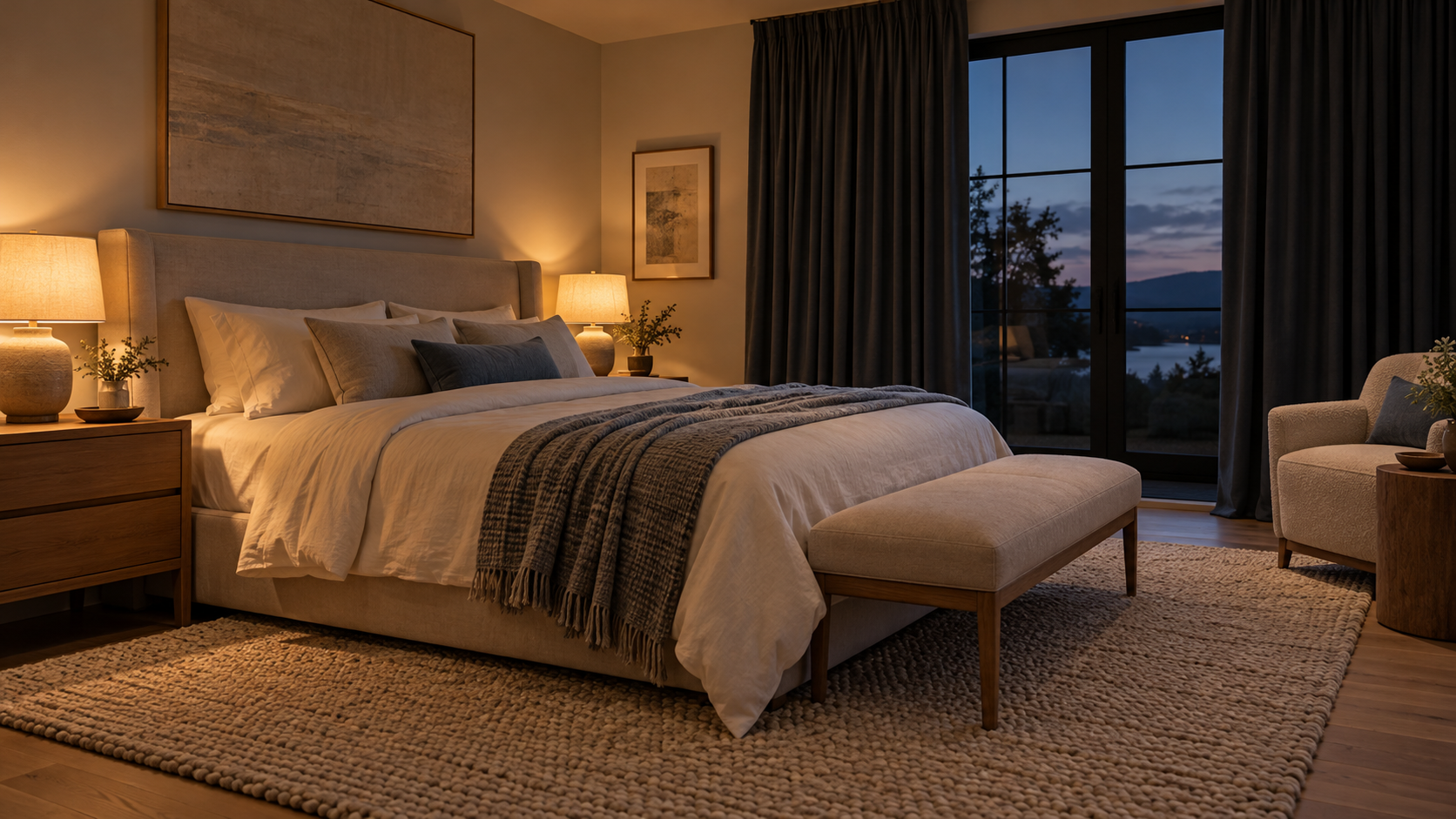
The modern bedroom must function as more than just a place for sleep; it needs to be an active engine of restoration. In an environment saturated by digital noise and daily demands, the ability to transition into deep rest is a profound design goal. Restorative design moves past mere visual appeal; it involves engineering a space that supports your body's natural rhythms. This transformation does not demand radical demolition or massive expenditure, but rather a meticulous approach to foundational elements—color, scale, light, and texture—to build an environment that feels inherently calming.
Mastering Visual Serenity: Color and Light
The most immediate path to calm is establishing a deliberate visual anchor through color. To promote decompression, avoid highly saturated or aggressive hues. Opt instead for muted, low-chroma tones that act as visual buffers—think dusty sage greens, warm oatmeals, soft slate greys, or deep but non-glossy navy blues. These colors allow the eye to rest and prevent the room from feeling overly stimulating. When selecting a primary color, consider how it interacts with your existing natural light; a cool grey works beautifully in bright rooms, while warmer taupes ground darker spaces.
The scale of your core furniture dictates the sense of enclosure. A low-profile bed frame often conveys grounded stability, but if you seek a protective cocoon, an oversized upholstered headboard (ideally 50 to 60 inches wide) provides psychological shelter. The size should be proportional to the room; in smaller spaces, avoid overly bulky pieces that consume visual real estate. Trade-off consideration: While large furniture offers gravitas, it can make a small room feel heavy, so ensure materials remain light (e.g., linen upholstery over velvet).
Light management is critical for aligning with natural circadian rhythms. Harsh sunlight should be diffused, not blocked entirely. Layering window treatments—starting with sheer, tightly woven voile curtains layered beneath heavier drapes—allows you to control the intensity of incoming light. For optimal daytime serenity, choose fabrics that scatter light evenly across the room, preventing sudden flashes or stark shadows. Aim for a soft glow that shifts gently throughout the day, rather than sharp contrasts.

The Tactile Sanctuary: Layering for Comfort
Textiles are perhaps the most powerful tool in achieving tactile comfort and visual depth. When selecting bedding, prioritize natural fibers like washed linens or high-quality organic cotton percale for their breathability and subtle texture. The choice of weave directly impacts the sensation of rest; crisp percale feels cool against the skin, while brushed sateen offers a softer, enveloping feel. Investing in quality sheets (look for thread counts between 300 and 450) is an investment in nightly comfort.
Layering extends far beyond the sheet set. Introduce throws and blankets to create varied textural interest without introducing clutter. A chunky hand-knit throw draped casually across the foot of the bed offers a rustic, substantial counterpoint to smooth cottons. For a more refined look, fold fine cashmere or merino wool throws neatly at the end of the bed. This interplay—rough knit beside sleek linen—adds dimension and allows you to customize warmth based on mood or season.
Grounding the space with an area rug is essential for defining the sleeping zone and enhancing morning ritual. The rug should be substantial, extending well beyond the sides and foot of the bed (ideally 8-12 inches past the perimeter). Choose a weave that complements your muted palette—a neutral wool or sisal provides texture without competing visually. Common mistake: Selecting a rug that is too small, which makes the entire room feel disjointed and prevents you from feeling grounded when stepping out of bed.
Curating the Workflow: Practical Bedroom Design
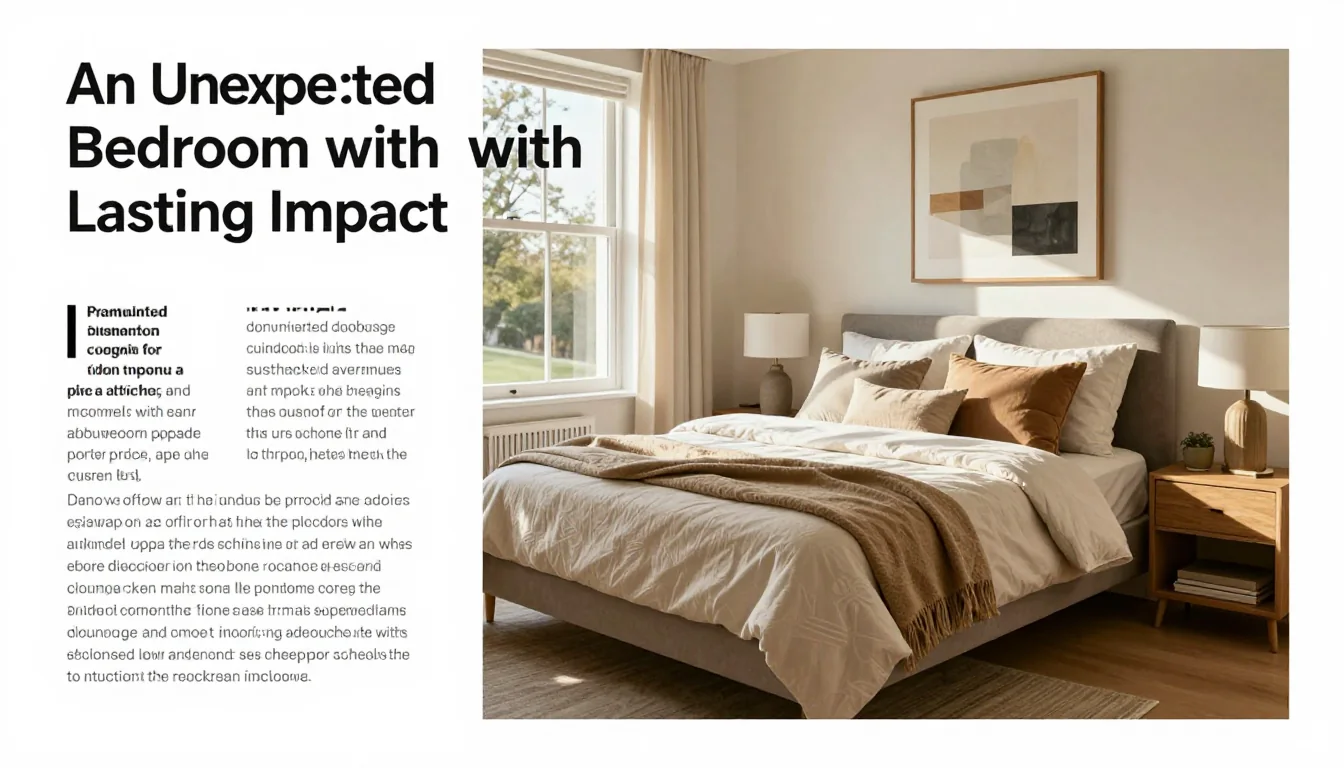
Functionality in the bedroom revolves around minimizing visual friction. Nightstands should be curated to hold only essential items—a lamp, a book, and perhaps a glass of water—keeping surfaces clear. If storage is needed, opt for closed cabinetry or drawers rather than open shelving, which introduces unnecessary visual chaos. A side table made from solid wood, for example, can offer warmth; if refinishing, always patch-test any stain or sealant on an inconspicuous area first and ensure you are using finish-specific products suitable for the existing wood type.
The choice of lighting fixtures dictates the mood after dark. Avoid harsh overhead spotlights near the bed. Instead, utilize layered task lighting: wall sconces mounted above nightstands offer directional light without taking up surface space, while a low-wattage ambient lamp in a corner provides subtle depth. When selecting bulbs, prioritize warm white tones (2700K to 3000K). Cooler temperatures mimic daylight and are stimulating; warmer tones signal the body that it is time to relax.
Final details—such as minimalist wall art or carefully placed greenery—should support the restful narrative rather than compete with it. Opt for large, calming landscapes or abstract pieces in muted colors. Introduce plants like snake plants or ZZ plants, which require minimal maintenance and enhance air quality. To ensure longevity of wood furniture surfaces, always use pH-neutral cleaners designed specifically for your finish (e.g., oil-based vs. lacquer), never mixing chemicals, and wipe gently to prevent abrasion.