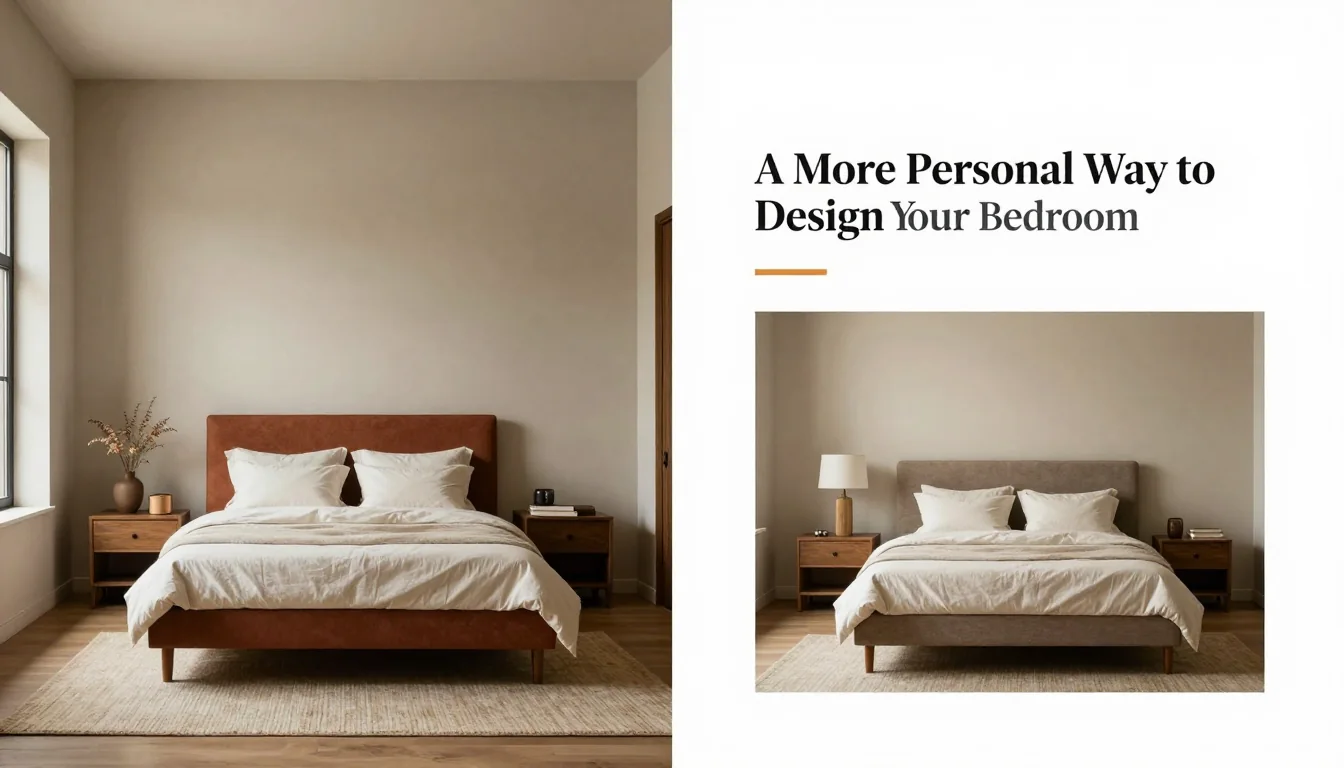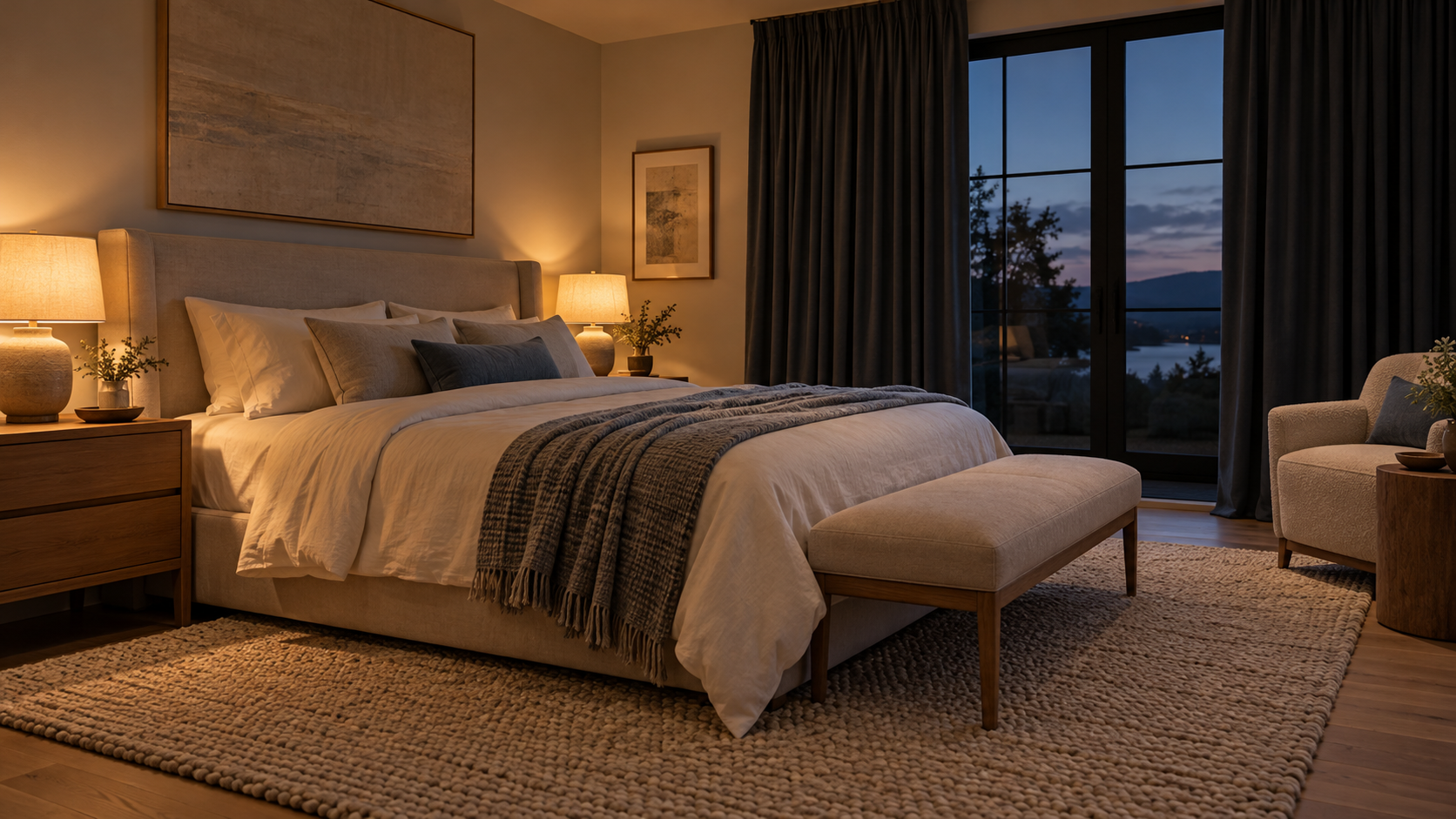
The modern bedroom is far more than a place to sleep; it is a crucial performance space dedicated to restoration. When we treat this private environment merely as a functional backdrop, we miss the opportunity for it to actively support our well-being. A truly intentional sanctuary moves beyond fleeting trends, focusing instead on how every material, shade, and line contributes to a feeling of grounded calm. Designing for rest requires shifting focus from aesthetics alone to functionality—ensuring the room is a gentle transition zone that signals deep relaxation as you enter it and supports peaceful reflection as you wake.
Optimizing Atmosphere: Light, Color, and Flow
The foundational element of any restorative space is the management of light. Before selecting a single piece of furniture or paint swatch, assess how natural light behaves in your room—is it sharp and directional, or soft and diffuse? If intense morning sun streams directly into the space, avoid sheer curtains alone; instead, utilize layered treatments. A combination of blackout blinds (for deep sleep) paired with linen-backed drapes (to filter harshness) allows you to control the transition from darkness to daylight gradually. For rooms facing east, consider a light-filtering roller blind in a pale grey or oatmeal tone to soften the initial glare without completely obstructing the dawn.
Color selection must prioritize psychological calm over visual excitement. High saturation levels can trigger alertness, making them counterproductive for repose. Opt instead for muted, enveloping tones that absorb light gently. Deep sages (think Farrow & Ball’s ‘Treron’) or warm charcoals create a cocoon-like effect without feeling heavy. If you prefer lighter walls, choose sophisticated off-whites with subtle undertones—such as those containing hints of beige or blue—rather than stark white, which can feel clinical and jarring in the early morning.
Avoid placing high-energy elements directly opposite your bed. The placement of mirrors, for example, needs careful consideration; while they enhance light, a large mirror positioned to reflect direct sunlight onto the mattress can disrupt sleep cycles. When designing the flow, ensure there is clear visual breathing room around the sleeping area. If your room is narrow (under 10 feet wide), use vertical lines in textiles or wall art to draw the eye upward, creating an illusion of height and openness.

The Art of Tactile Layering: Defining Comfort
In a sanctuary focused on rest, texture is paramount. The goal is not maximalism, but layered depth—the combination of different materials that invite touch without creating visual clutter. Start with the bedding ensemble, which must be the undisputed focal point. Invest in natural fibers like washed linen or high-quality organic cotton percale. Linen offers a beautiful, relaxed drape and breathes exceptionally well; it is ideal for warmer climates. Cotton percale provides a crisp, cool feel that signals clean comfort.
When layering, think about contrast: pair the smooth coolness of your primary sheet set with the nubby warmth of a chunky wool throw draped across the foot of the bed, or anchor the look with velvet piping on the headboard. For side tables and accent pieces, introduce organic textures like woven rattan baskets for storage or ceramics with an imperfect, matte glaze. These tactile elements add character and prevent the room from feeling sterile.
Consider the scale of your accessories relative to the mattress size (e.g., Queen). A nightstand should ideally be no more than 24 inches high so that its surface aligns closely with the top edge of the mattress, ensuring a balanced visual line. If you use a tall dresser opposite the bed, ensure it is visually grounded by using darker wood finishes or heavy textiles to prevent it from appearing too dominant in the sleep zone.
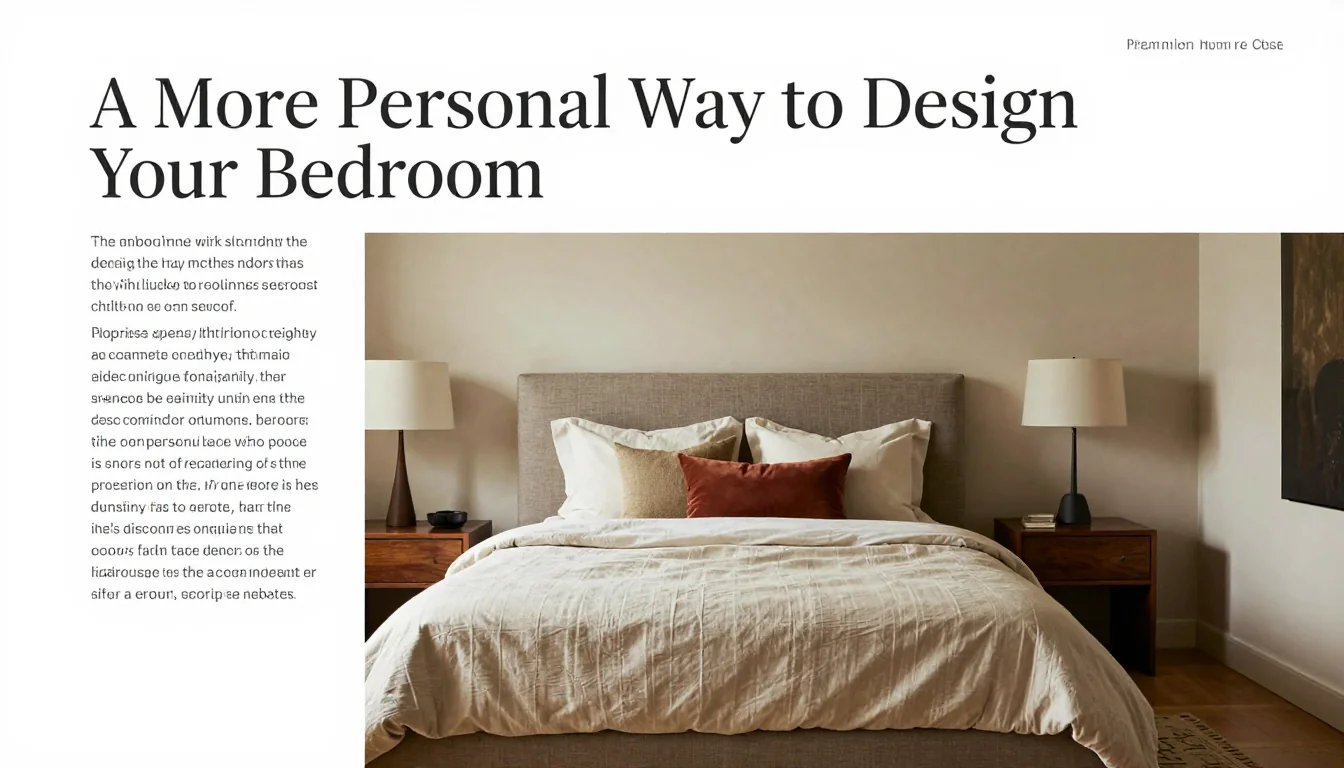
Intentional Functionality: Supporting Daily Rituals
A truly functional bedroom supports your personal rituals, whether that is quiet contemplation upon waking or a pre-sleep reading routine. Designating a small 'transition zone' near the window—perhaps a slim floor chair (around 18 inches high) and a narrow side table—can transform a corner into a dedicated spot for journaling or coffee. This micro-zone allows you to mentally detach from the bedroom’s function as solely sleeping quarters.
Storage must be integrated seamlessly; visible clutter is visual noise, which actively works against calm. Favor closed storage solutions like built-in wardrobes or dressers with solid doors over open shelving, particularly for items that are not decorative. If you use an open shelf, ensure it holds curated items—a few books, a small plant—rather than functional overflow. Aim to keep the floor space around the bed clear and accessible.
Before purchasing any piece of wood furniture, consider its finish compatibility with your intended cleaning method. For solid oak or walnut pieces, matte oiled finishes are often easier to maintain than high-gloss lacquers, as they resist showing minor surface wear and can be gently wiped down without harsh chemicals. Always perform a small patch test on an inconspicuous area before applying any wood treatment, ensuring the finish remains stable regardless of its chemical makeup.