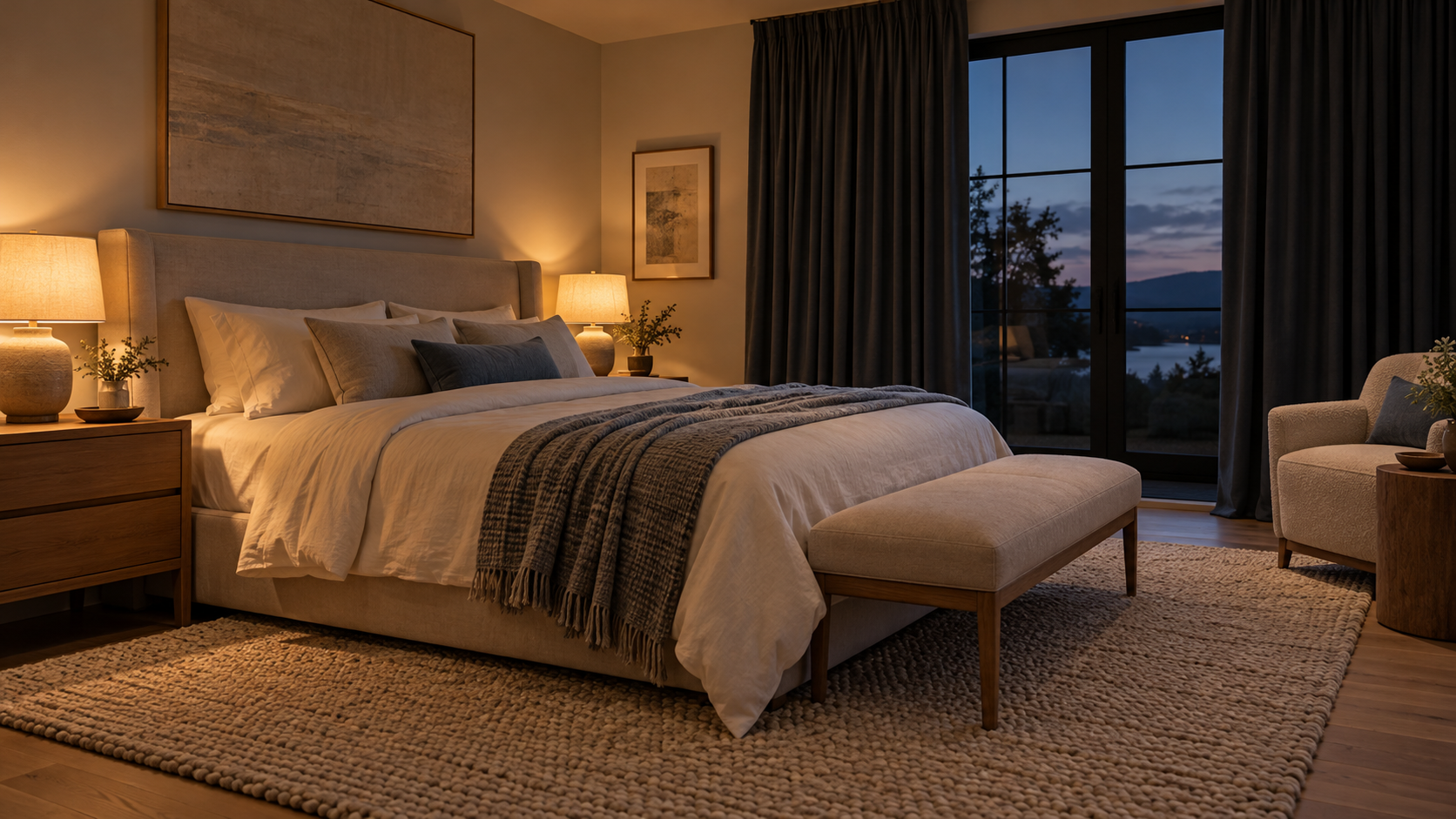
In our hyper-connected world, the bedroom has often devolved into a multi-functional space—an office during the day, an entertainment center in the evening. Yet, if we view it purely through this lens of utility, we miss its most profound potential: being a true sanctuary for rest. Sleep is not merely a passive state; it is a fundamental biological process that dictates our mood, productivity, and overall health. When our sleeping environment actively works against our need for deep, restorative rest—through excessive noise, harsh lighting, or visual clutter—we are undermining our well-being before we even close our eyes. A bedroom reset is not about superficial decoration; it is a strategic design overhaul focused on creating an atmosphere of profound calm, where every element, from the weave of the duvet to the hue of the wall paint, supports the body's natural transition into repose. By approaching this room with intention, we transform it from a space for just sleeping into a vital component of our holistic health regimen.
Curating the Sensory Sanctuary
The immediate experience of entering your bedroom is dominated by sensory input—light, sound, and temperature. To achieve optimal sleep readiness, these inputs must be meticulously controlled. Light is perhaps the most critical element; exposure to blue light in the evening signals wakefulness to the brain. Invest in blackout drapery that achieves complete darkness, ensuring that even subtle streetlights cannot penetrate the room. During waking hours, utilize natural light when possible, but transition to soft, warm-toned lamps (below 2700K) as dusk approaches. Temperature is equally crucial; most sleep specialists recommend maintaining a cool environment between 60–67 degrees Fahrenheit. Beyond visual and thermal cues, sound plays a powerful role. If you live in a busy area, consider investing in a high-quality white noise machine or gentle ambient sounds to mask sudden disruptive noises—the chirping birds outside or the neighbor's late-night footsteps can instantly pull us from deep sleep cycles.

The Tactile Dialogue: Materiality and Comfort
The interaction between your body and your environment should be one of immediate, luxurious comfort. This begins with the foundation: the mattress and pillows. These are non-negotiable investments; they must support spinal alignment and match your preferred sleeping style (side sleeper, back sleeper, etc.). However, true restfulness extends beyond structural support into the realm of texture. The bedding selection should prioritize natural fibers—linen, organic cotton, or high-grade Tencel. These materials are inherently breathable, helping to regulate body temperature throughout the night and preventing overheating, which is a common sleep disruptor. Layering textiles adds depth and visual warmth but must remain breathable. Consider throws made from soft merino wool for cool evenings, balanced by sheets that wick away moisture. The tactile experience of slipping into crisp, natural bedding sends an immediate psychological signal to your brain: it is time to relax and surrender.

Psychological Flow and Visual Tranquility
A cluttered space creates a clutter in the mind. Before you worry about throw pillows or lamp styles, address the visual noise. A truly restful bedroom should possess a clear sense of psychological flow—a minimalist approach that reduces cognitive load before sleep even begins. Eliminate non-essential items: remove work materials, stacks of magazines, and excessive decorative knickknacks from sight. The goal is an uncluttered expanse that allows the mind to settle without processing extraneous visual information. Color psychology dictates that muted, earthy tones or cool neutrals (soft sage greens, pale blues, warm grays) promote calmness and lower heart rate. These colors are restorative and non-stimulatory. If you do keep storage items, utilize closed cabinetry rather than open shelving, maintaining the room’s sleek, serene profile. The bedroom should be a visual palate cleanser.
The ultimate reset is about creating an ecosystem where your body feels safe, supported, and protected from external stressors. It demands that design serves function—and in this case, the highest function is restorative sleep. By mastering the sensory environment, selecting materials that cradle you, and maintaining profound visual simplicity, you are not simply furnishing a room; you are designing better health. Embrace the transformation, and let your bedroom become the most cherished refuge in your life.
Practical Planning Notes
Aim for 24–30 inches of clearance beside the bed where possible, and keep the sleep zone visually quieter than storage.
Material Perspective
Blackout-lined linen softens a room; woven shades filter daylight while preserving a lighter feel.
Before You Commit
Test light control, bedside reach, night-time circulation, and charging before committing to the layout.
For related, room-specific ideas, continue with the guides in this category or return to the Furnlyra home page.