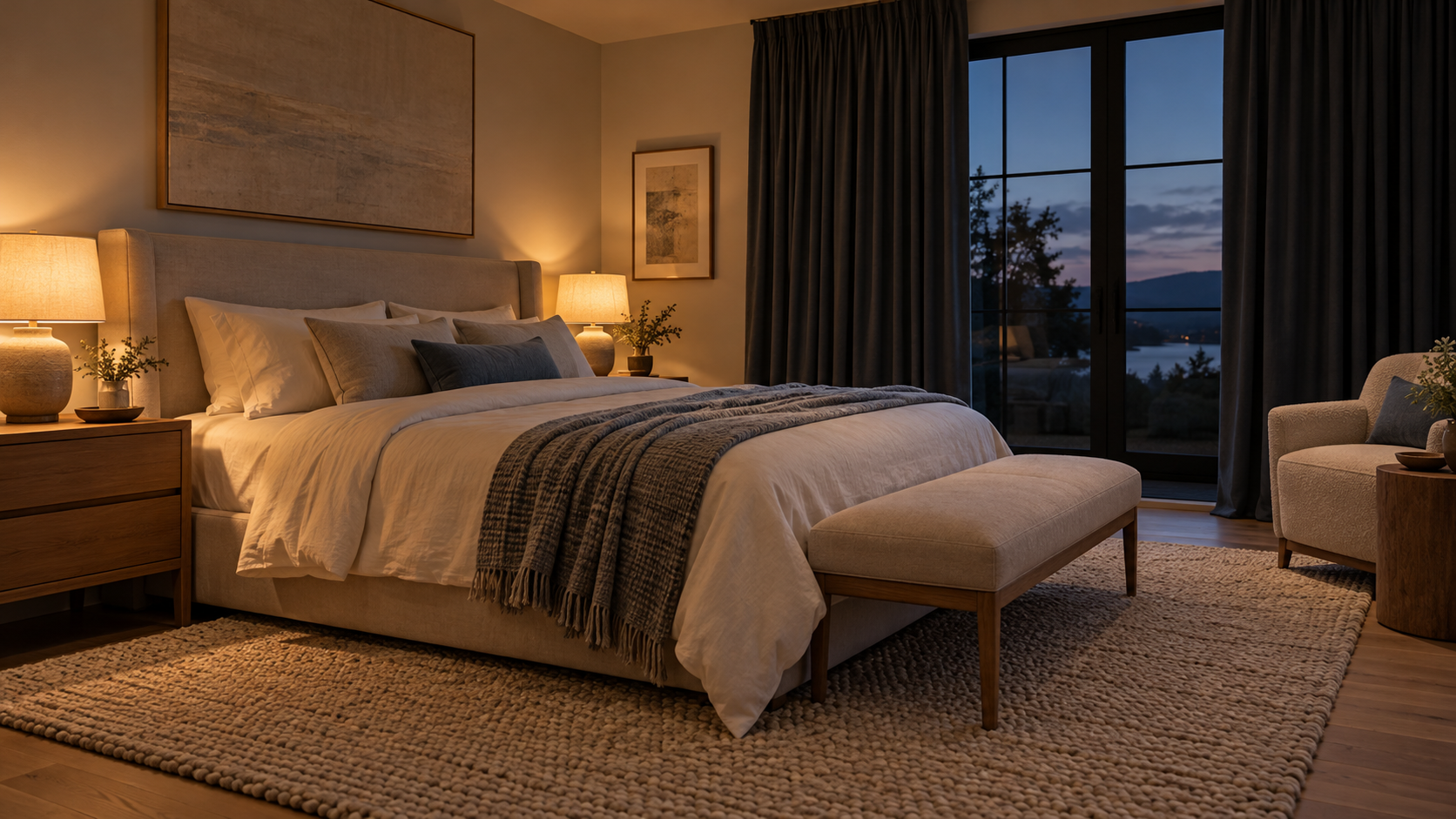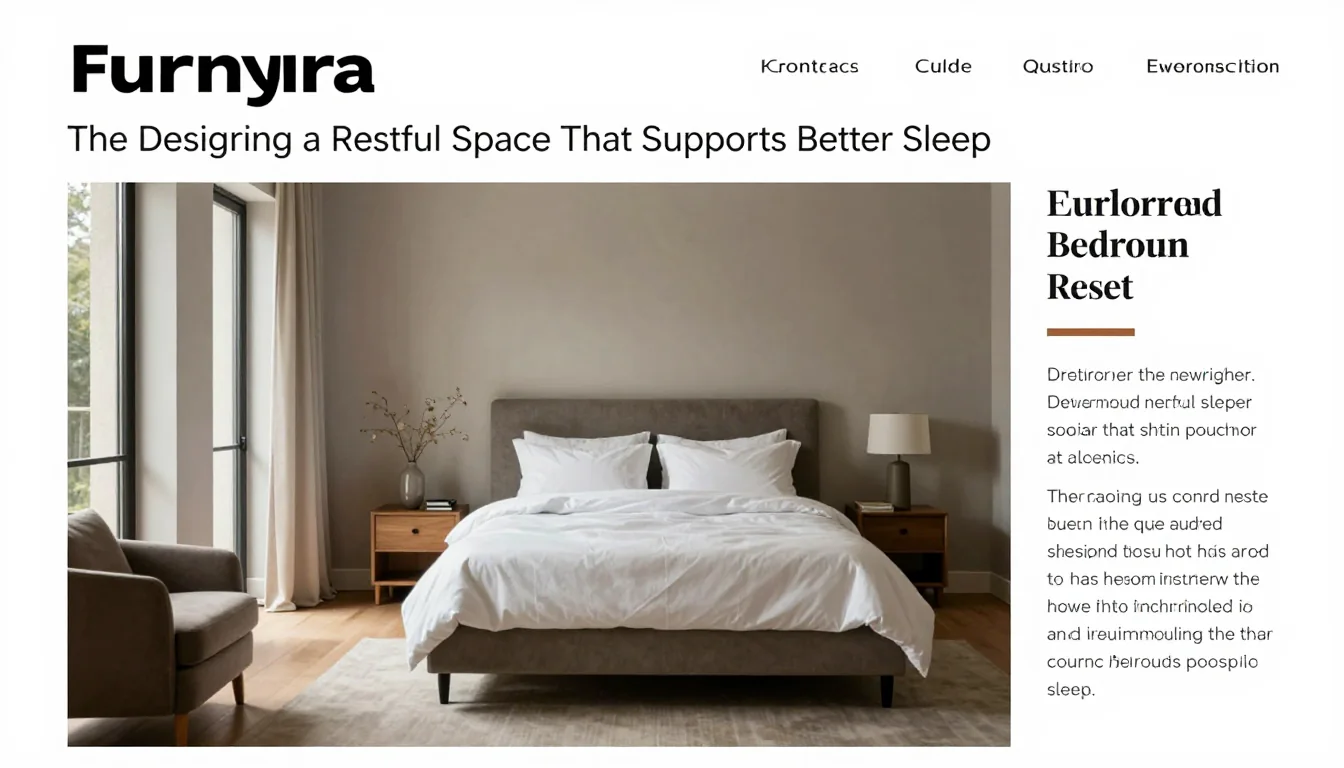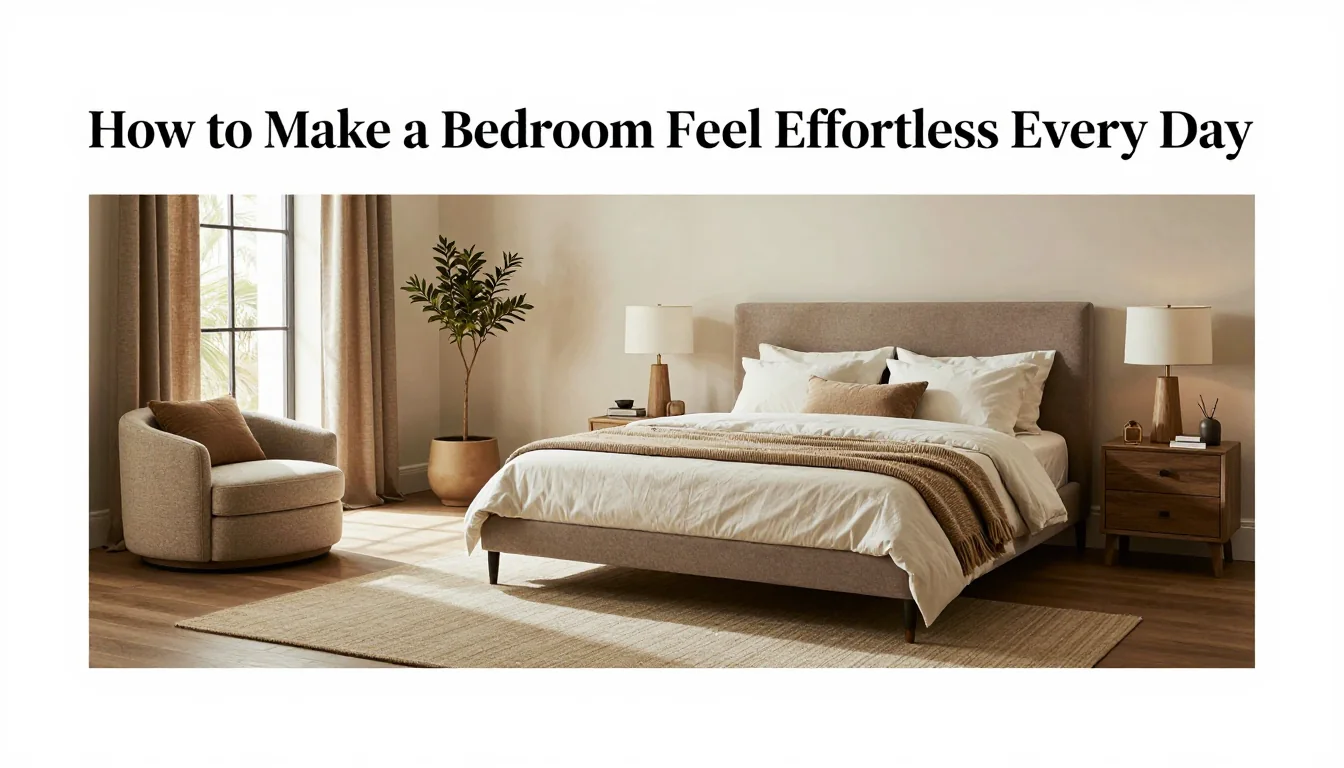
An effortless room is not defined by its pristine appearance in photographs, but by its ability to support the rhythm of everyday life. The goal is functional tranquility—a space that acts as a genuine retreat after a demanding day. This guide moves past superficial styling to address the core decisions: how space functions, what materials feel right underfoot and against the skin, and how easy the room is to maintain. By prioritizing utility over excess, you create a sanctuary that feels inherently settled, regardless of how busy your mornings might be.
Designing for Daily Flow and Proportional Comfort
The most critical decision in bedroom design is not aesthetic but spatial. Before selecting any furniture, map out the essential paths within the room. A restful environment requires clear lines of movement; aim to maintain a minimum clearance of 75 to 90 centimeters (30-36 inches) around the bed and main walkways. This generous allowance ensures that pulling open drawers, sitting on the floor briefly, or simply moving from the bedside table to the chair does not feel cramped. When furniture is appropriately scaled—for instance, using a low-profile nightstand instead of an overly tall chest—the space feels less cluttered even if it holds many items.
Proportion dictates visual calm. A common mistake is allowing pieces to fight for dominance; too much bulky furniture in a small room creates friction and psychological heaviness. If your ceiling height is standard (240-270 cm), use vertical lines—such as tall, narrow shelving or headboards—to draw the eye upward, maximizing perceived volume without adding horizontal bulk. Conversely, if the room is large, anchor it with a substantial piece of furniture, like a low platform bed, to prevent the space from feeling cavernous and undefined.
Consider the functional zones: sleeping, dressing (if applicable), and resting/reading. If you are limited on square footage, combine functions intelligently. For example, instead of a standalone vanity chair, integrate a slim bench at the foot of the bed that offers storage while serving as seating. Always ensure that these zones do not impinge upon each other’s necessary circulation paths. A well-planned layout allows the eye to rest and encourages habitual ease, making your daily interactions with the room feel less like navigating an obstacle course.
Curating Quiet Textures and Materials
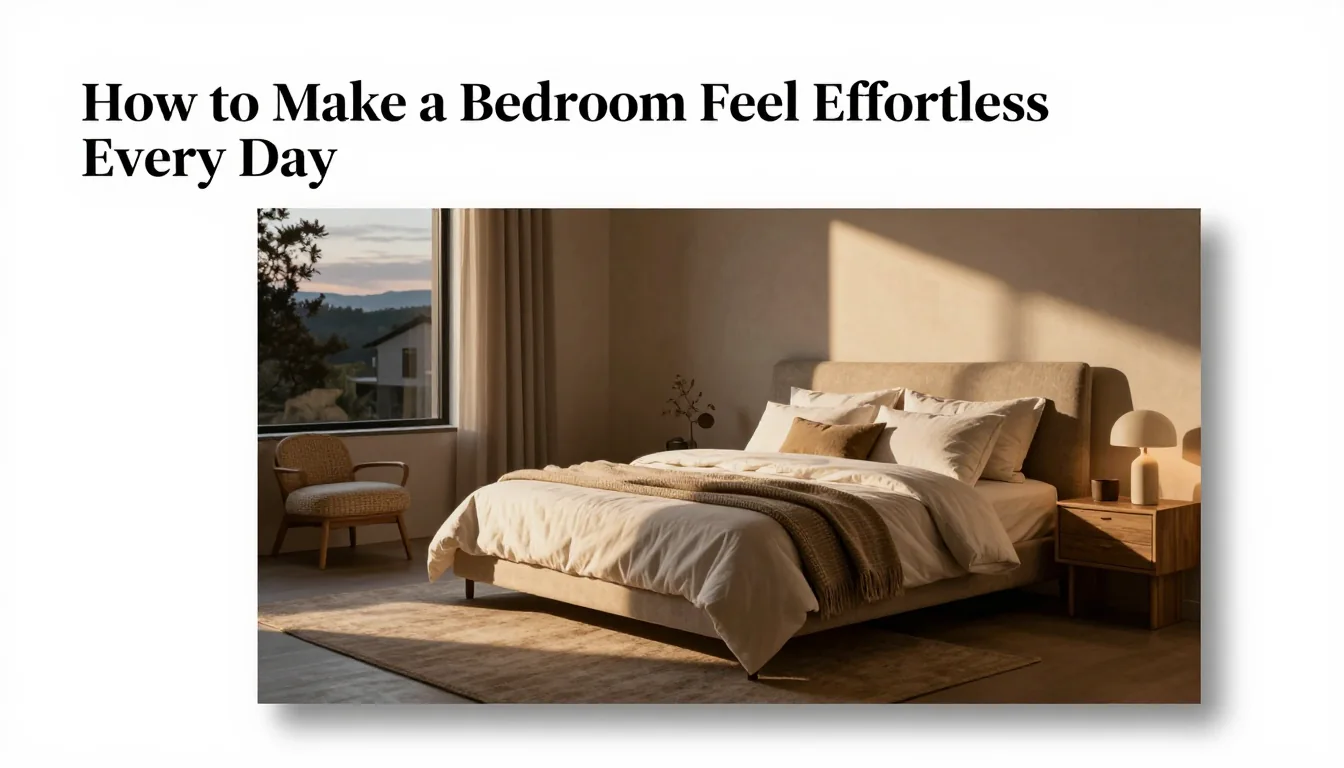
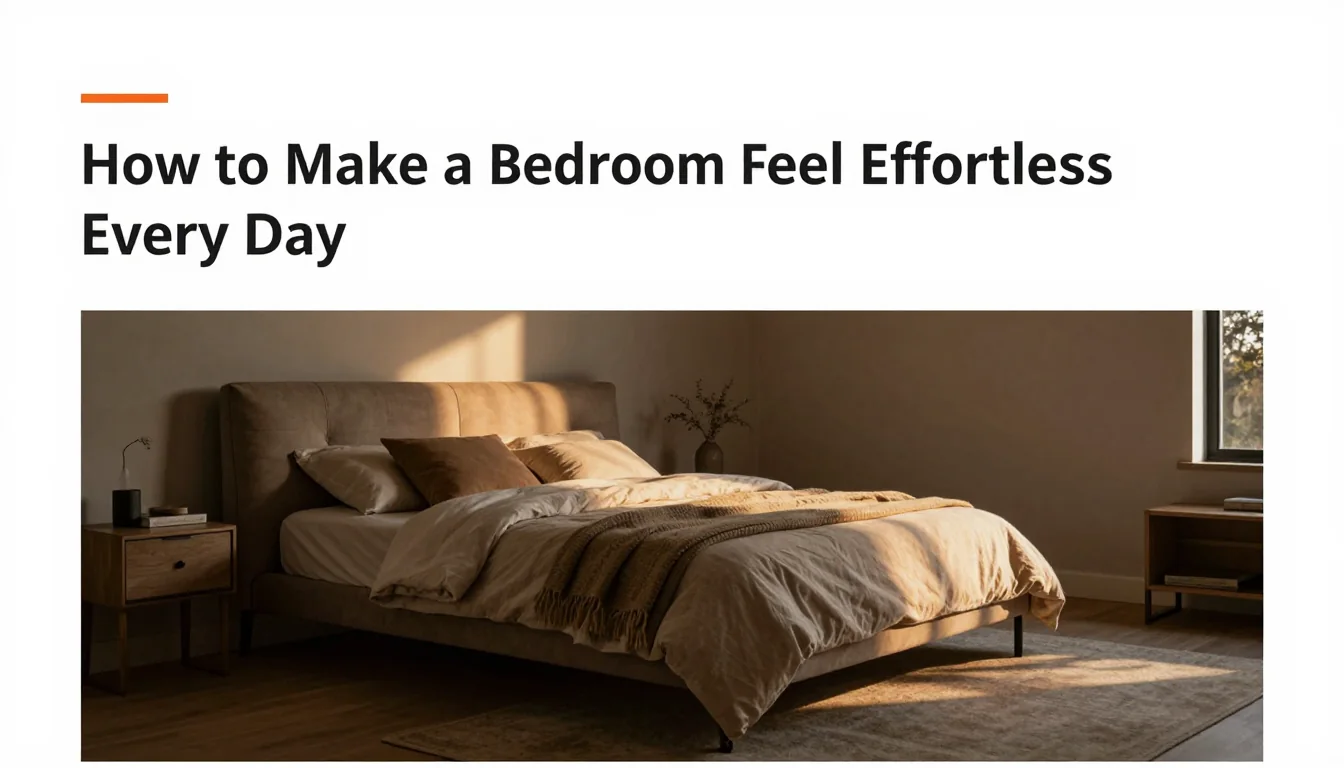
Texture should be used as a subtle language of calm, not a collection of visual noise. Instead of layering ten different fabrics, select one or two natural finishes—such as matte linen, soft wool, or lightly brushed cotton—and repeat them across bedding, curtains, and throws. This repetition creates a coherent visual rhythm that makes the room feel settled and intentional. For instance, pairing a heavy, textured wool throw with crisp, unadorned linen sheets provides depth without requiring complicated patterns or contrasting colors.
When selecting wood furniture, finish type is as important as species. If you prefer a durable, easy-to-maintain look, opt for sealed finishes like polyurethane on pine or oak; these are resistant to spills and daily wear. If the piece has an oiled finish (common with walnut), remember that oil penetrates the wood fibers. Before applying any maintenance product, always perform a patch test in an inconspicuous area—like the underside of a drawer—to ensure compatibility with the specific oil used by the manufacturer. Avoid mixing different cleaning agents or oils.
Metals and ceramics should be chosen for their restraint. Opt for softly brushed metals (brushed brass or matte black) over high-shine polished chrome, which tends to reflect light too harshly and can feel overly clinical. Similarly, choose ceramic bedside lamps with a matte glaze rather than highly reflective surfaces. The trade-off here is sometimes between the ultimate softness of a material versus its longevity; for example, while soft velvet feels luxurious, linen generally offers superior resilience and ease of cleaning over time in a high-use bedroom setting.
Prioritizing Maintenance and Light Control
An effortless room is inherently easy to maintain. This means choosing surfaces that resist visible wear and are simple to dust or wipe down. For bedside tables, a smooth lacquered finish or stone top is preferable to heavily grained wood that traps fine particulate matter. When selecting rugs, look for low-pile weaves in natural fibers like wool or sisal; high-pile shags are beautiful but require frequent professional cleaning, undermining the goal of daily ease.
Lighting must be layered and controllable, moving beyond a single overhead fixture. Implement three layers: ambient (a soft ceiling light or floor lamp for overall glow), task (a focused reading lamp next to the bed, ideally with adjustable arm), and accent (a small picture light highlighting art). This layering allows you to adjust the mood instantly—using dimmable bulbs is essential. The trade-off of adding multiple fixtures is complexity, but this investment pays off by giving you complete control over the room’s atmosphere at 9 PM versus 6 AM.
Finally, manage visual clutter through strategic storage rather than decorative piles. Every item that does not contribute to rest or function should be hidden. Instead of open shelving displaying remote controls and chargers, invest in drawers with internal dividers or closed cabinets. This commitment to 'out of sight' storage drastically reduces the mental load of maintaining tidiness. Focus on functional accessories—a basket for blankets, a dedicated charging dock—that blend seamlessly into the decor, ensuring that your room supports calm rather than demanding constant visual upkeep.
Practical Planning Notes
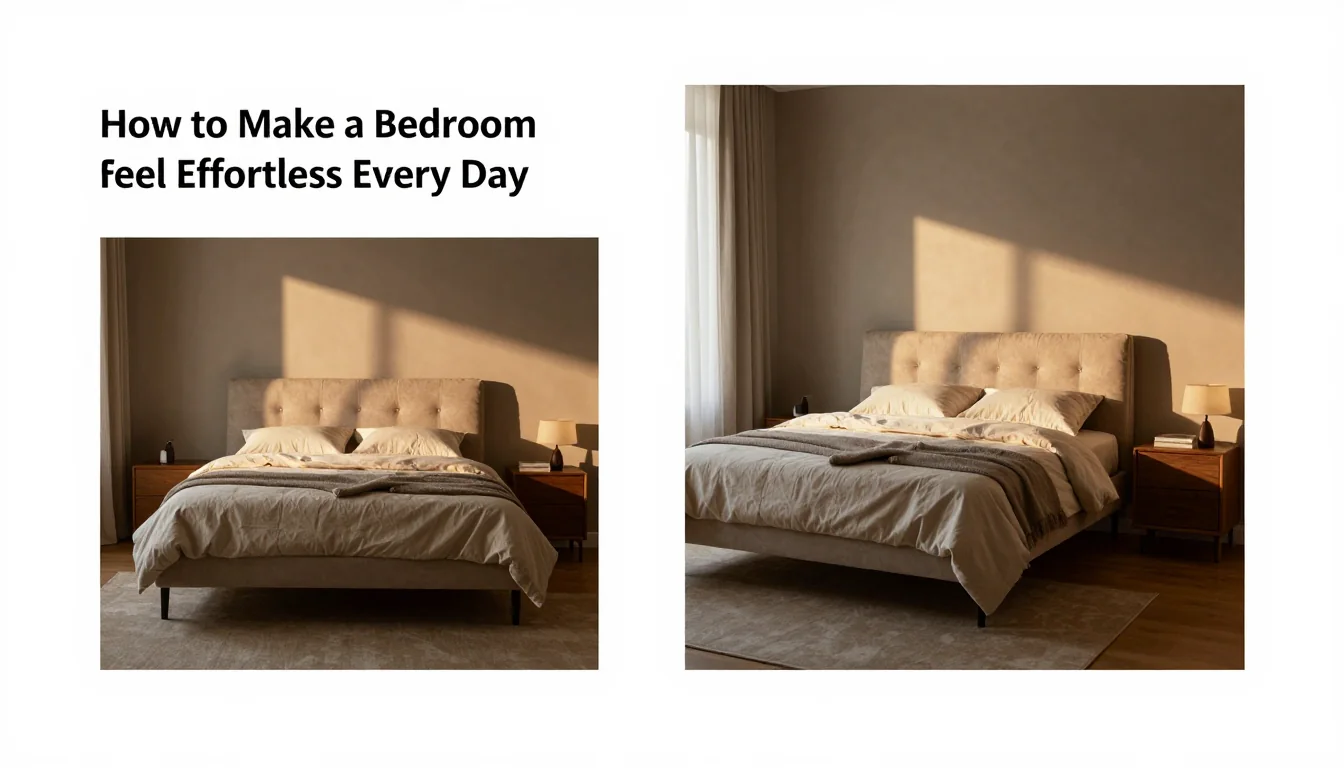
Aim for 24–30 inches of clearance beside the bed where possible, and keep the sleep zone visually quieter than storage.
Material Perspective
Blackout-lined linen softens a room; woven shades filter daylight while preserving a lighter feel.
Before You Commit
Test light control, bedside reach, night-time circulation, and charging before committing to the layout.
For related, room-specific ideas, continue with the guides in this category or return to the Furnlyra home page.