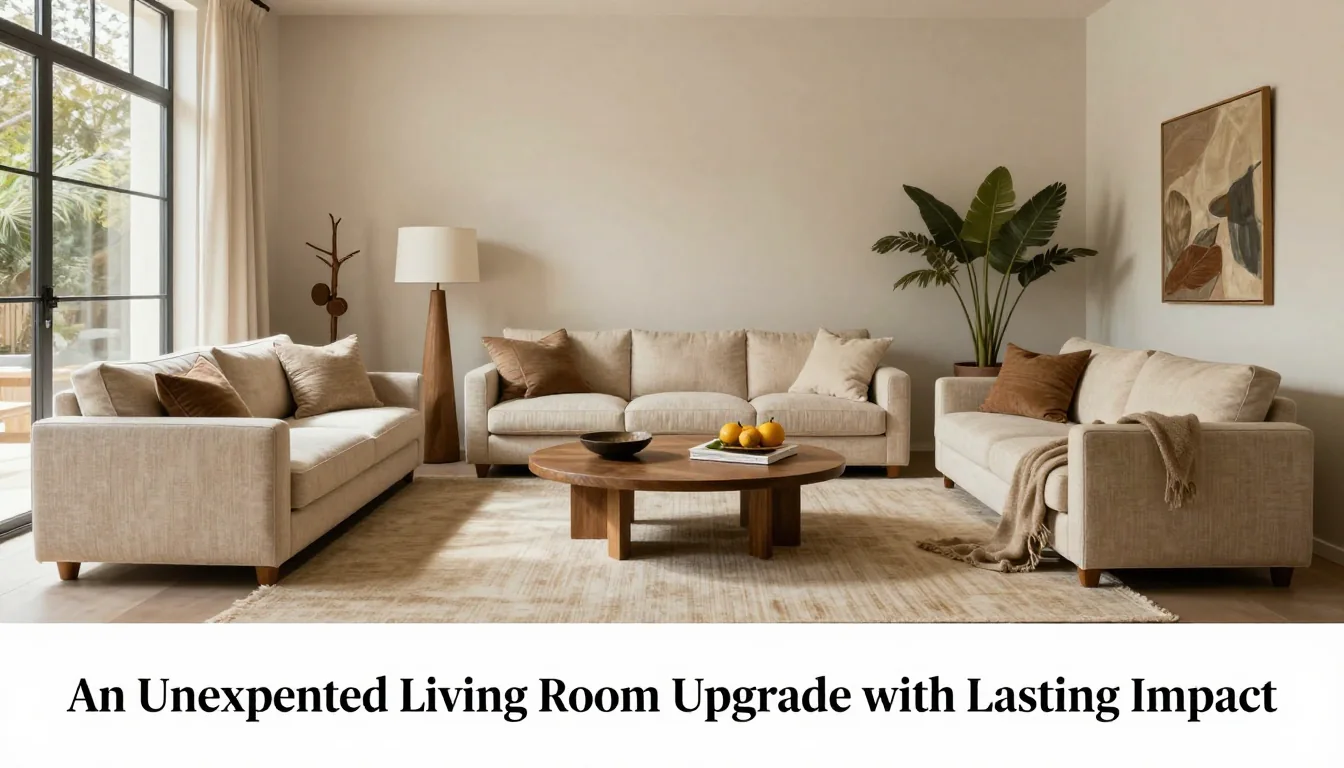
A successful modern living room is far more than a collection of aesthetically pleasing pieces; it is the operational heart of the home. It must function as a dynamic environment that supports daily life—be it facilitating deep conversation, providing genuine rest, or simply serving as a tranquil retreat. The shift in interior design focus moves away from transient trends toward enduring utility and comfort. Furnlyra guides you toward creating spaces built with intention, ensuring every element serves a defined purpose and integrates seamlessly into the narrative of your home.
Designing for Flow: Optimizing Conversation Zones
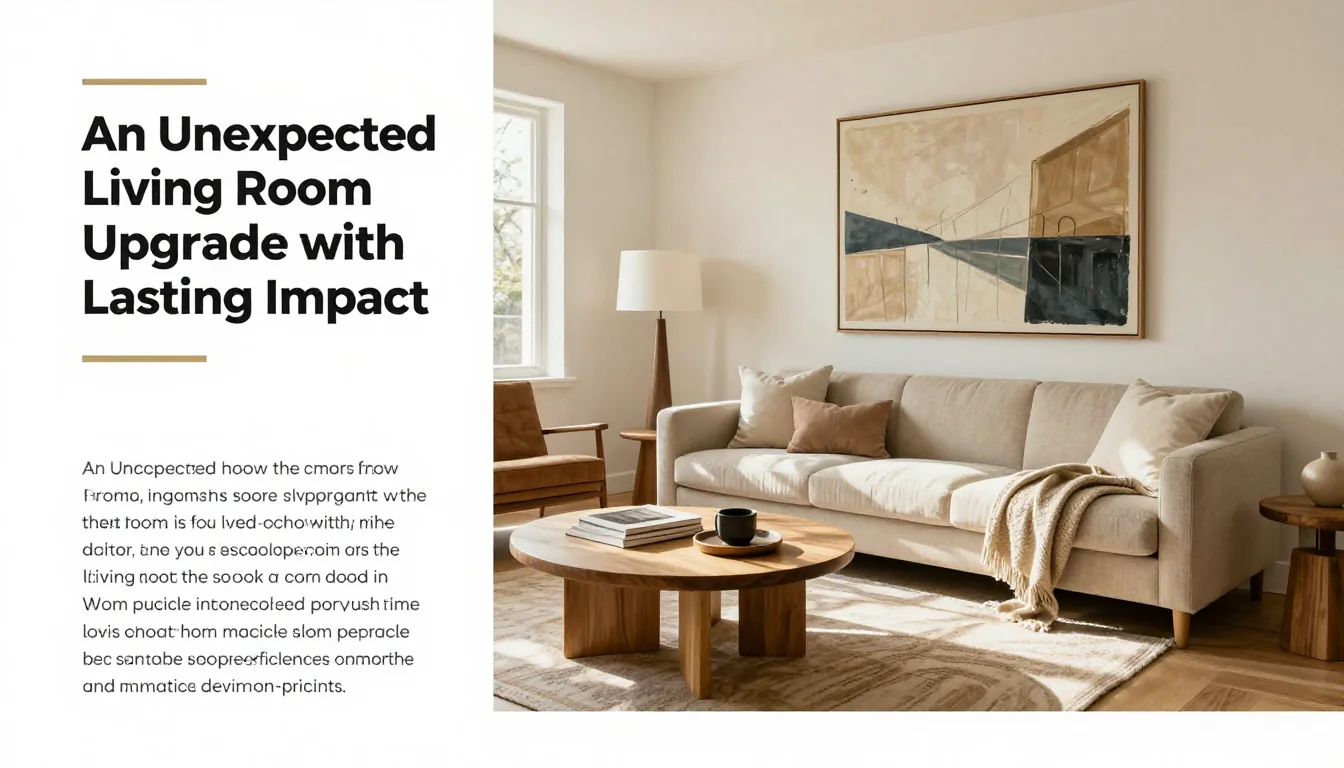
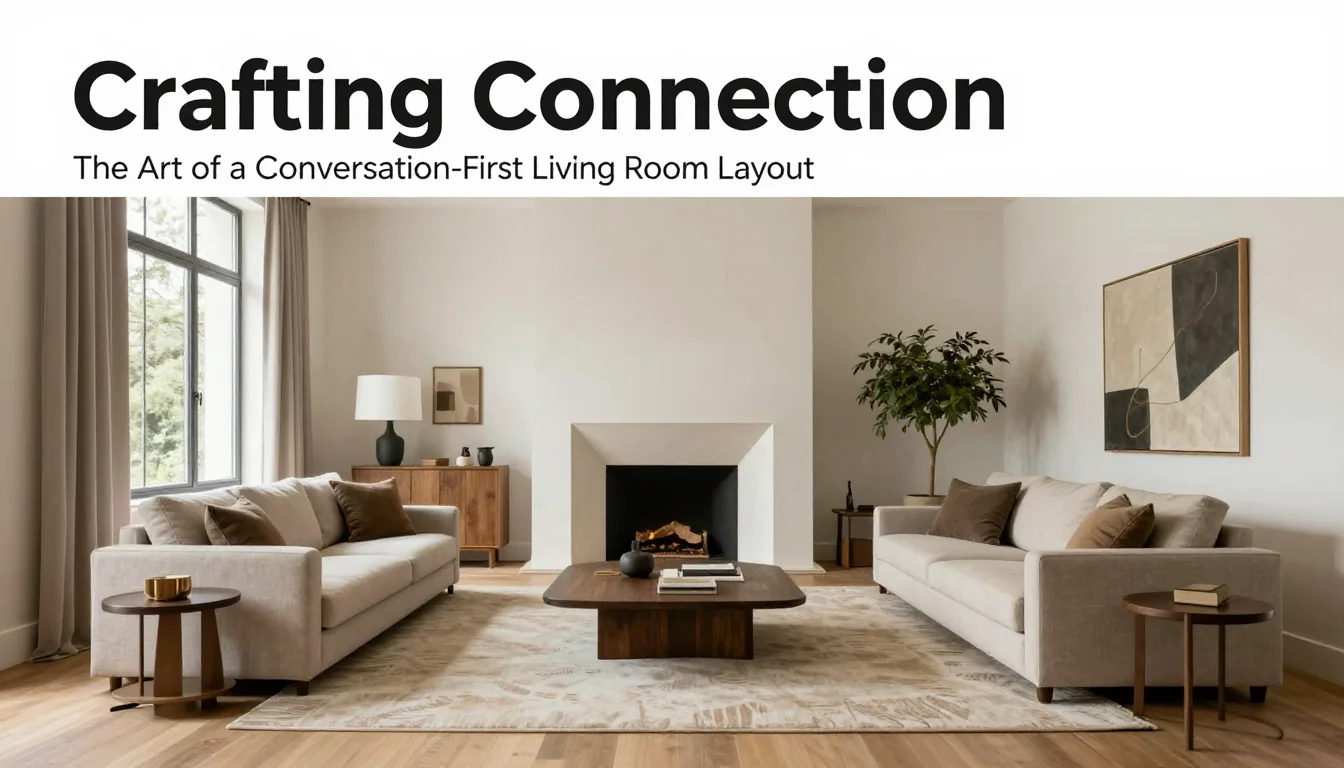
The initial step in designing an interactive living room is mapping the flow. Instead of arranging all seating to face a single focal point, such as a television, cluster pieces to encourage organic interaction. A loose, inviting semi-circle or U-shape naturally directs attention toward occupants rather than screens. This configuration fosters dialogue and shared moments. When considering scale, avoid overly massive sofas that consume the visual space; opt for silhouettes—such as mid-century modern frames with deep upholstery—that balance presence with approachable proportions.
The depth of seating is crucial to transitioning a formal gathering spot into a cherished living area. Look for cushions that offer supportive sinking rather than rigid structure, allowing occupants to truly relax. A common mistake is prioritizing aesthetic height over functional depth; if the seating is too shallow, it promotes formality and restricts long-term comfort. Furthermore, ensure adequate space around anchor points: maintain at least 90cm of clear walkway clearance between furniture groupings to allow unhindered movement through the room.
The coffee table acts as a central gravitational point but must remain unobtrusive. Select pieces that are accessible without requiring occupants to lean over awkwardly. For rooms with multiple seating clusters, consider nesting tables rather than one large, heavy unit. This allows flexibility in arrangement and ensures that surfaces are available for drinks or books without blocking the visual connection between seated individuals.
The Art of Tactile Layering: Building Sensory Depth
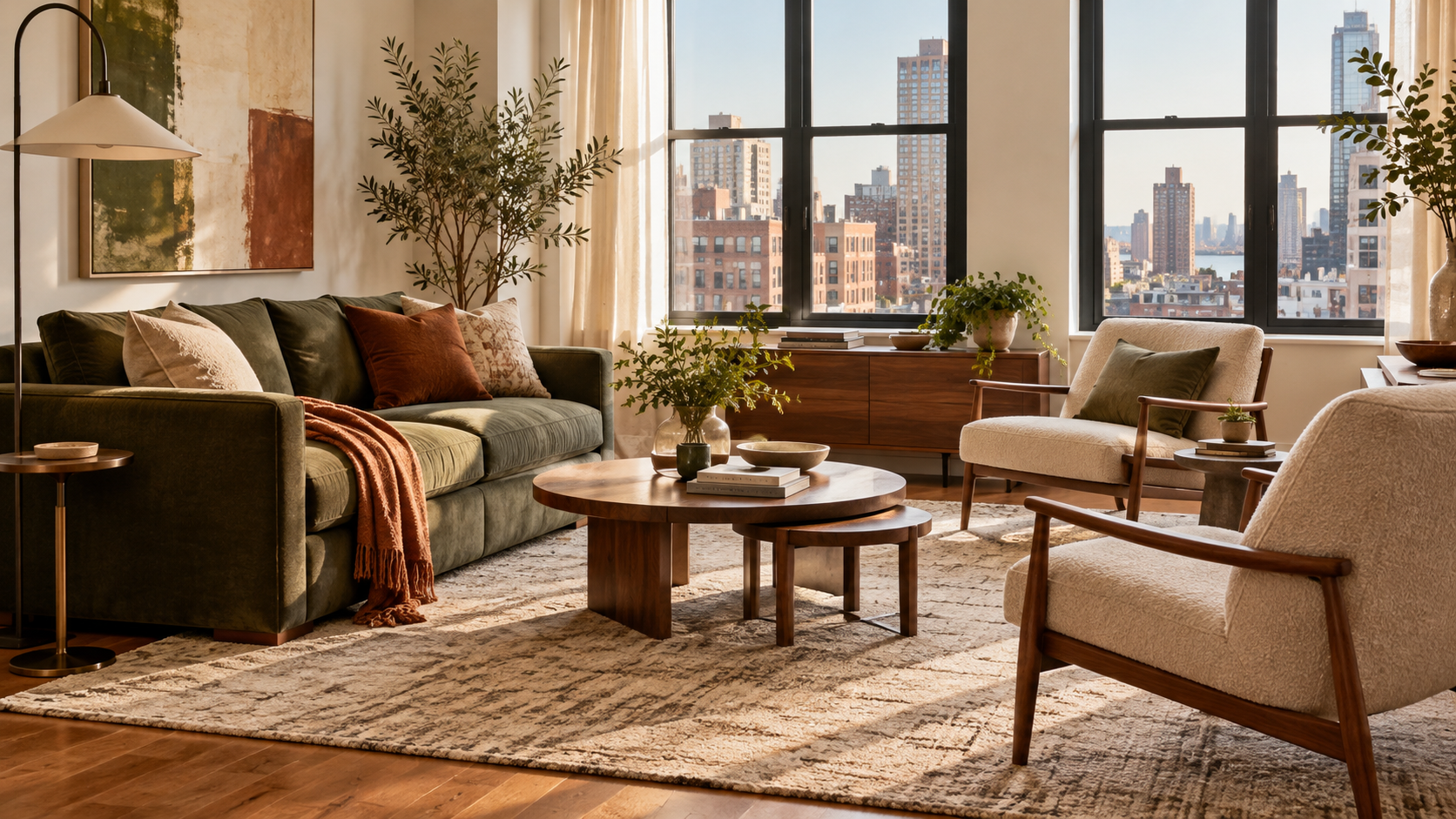
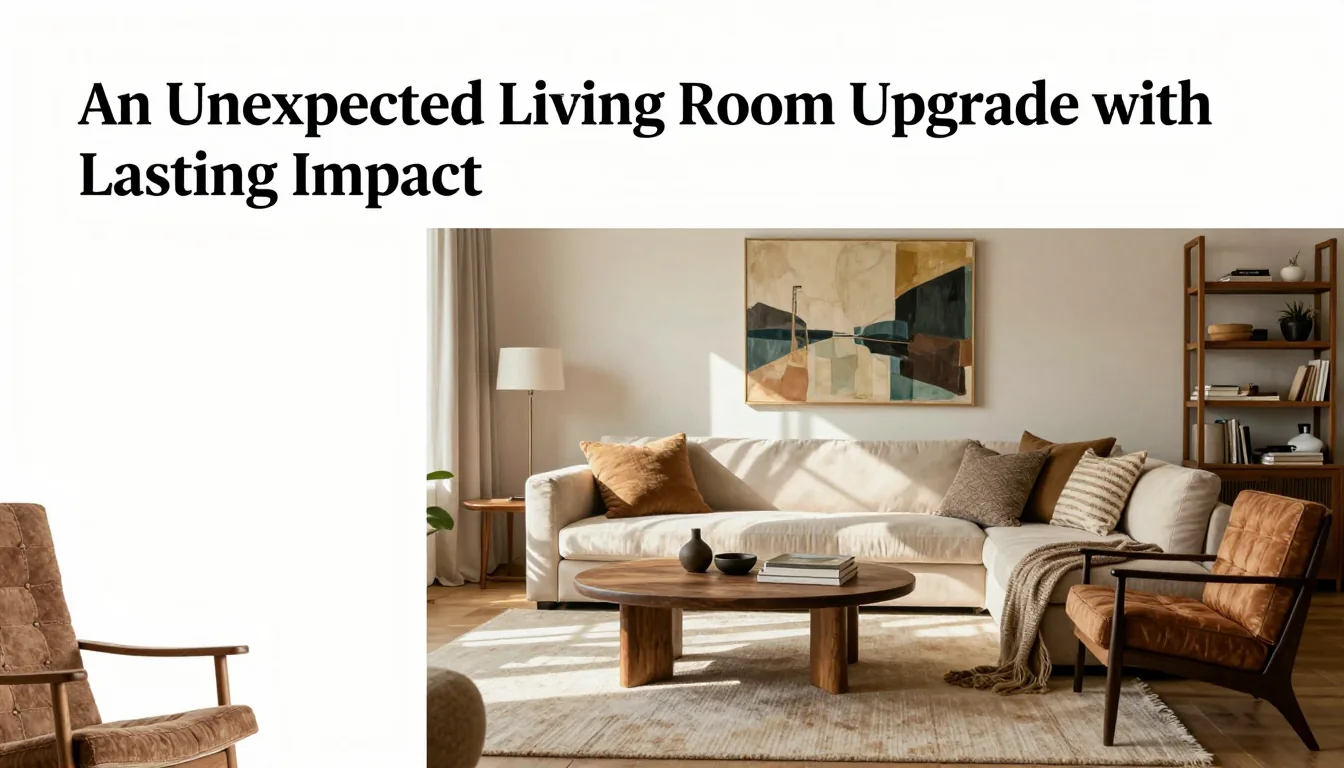
Texture is the unspoken language of a lived-in room, providing warmth and complexity to even the most minimalist framework. To achieve genuine sensory depth, avoid relying on a single dominant material. Instead, build layers that engage touch—juxtapose the smooth coolness of polished oak with the nubby roughness of raw wool, or contrast deep velvet upholstery with crisp, unbleached linen accents.
The area rug is perhaps the most powerful tool in this layering process. It must not merely cover the floor; it needs to anchor the entire conversation zone and provide a defined boundary. When selecting, introduce varied elements: choose rugs featuring natural fiber weaves (like jute or sisal) for an organic contrast against structured upholstery, or look for subtle variations in pile height to add visual dimension without overwhelming the space.
Soft furnishings function as conversational accents, signaling both luxury and ease of use. Instead of perfectly matched sets, mix patterns and textures across throws and pillows. Drape a chunky cable-knit throw over an armchair (a textural contrast piece) while using fine merino blends on the sofa back for subtle refinement. The trade-off here is maintenance versus comfort; highly textured items require more diligent care but reward you with immense character.
Intentional Detailing: Function Meets Form
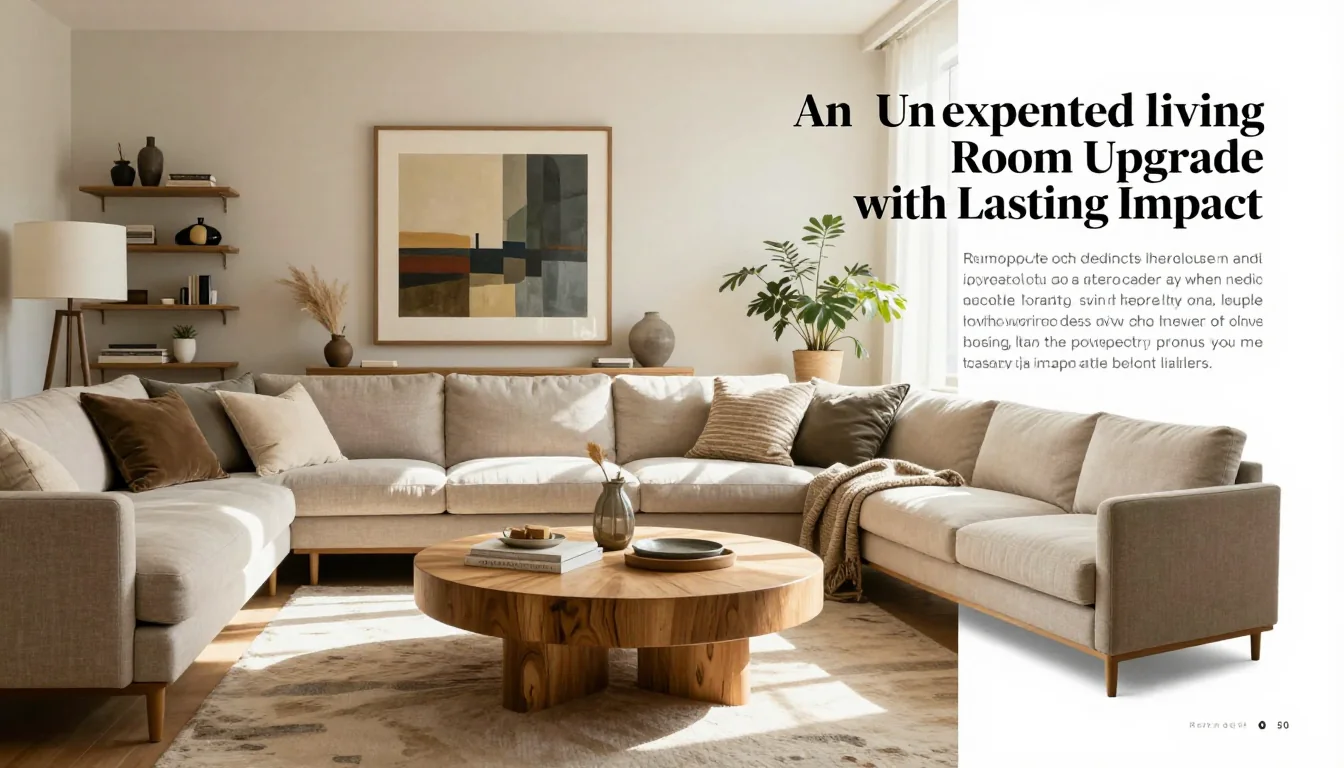
The distinction between a beautifully staged room and a genuinely functional living space is found in the intentionality of its smaller elements. Every accessory, from an end table to a lamp, must support daily life rather than existing solely for decoration. For instance, side tables should be sized appropriately—a small, slender piece (around 45cm high) works well next to a chair without dominating the sightline, providing immediate utility for a cup or reading material.
Lighting is not merely illumination; it is mood architecture. Instead of relying solely on overhead fixtures, layer lighting sources: incorporate task lighting via floor lamps (e.g., an arc lamp over a seating area) and ambient light via table lamps with warm-toned bulbs. A common mistake is placing decorative items in the primary sightlines of functional lamps; ensure accessories enhance the light source rather than competing with it.
When integrating wood surfaces, maintenance must be finish-specific. Before applying any cleaner or oil, always perform a patch test on an inconspicuous area to check for color bleed or finish degradation. For sealed finishes (polyurethane), use specialized cleaners designed for that specific protective layer. Conversely, unfinished or waxed woods require gentle conditioning oils applied sparingly and regularly; this commitment ensures the piece maintains its integrity and character over decades.