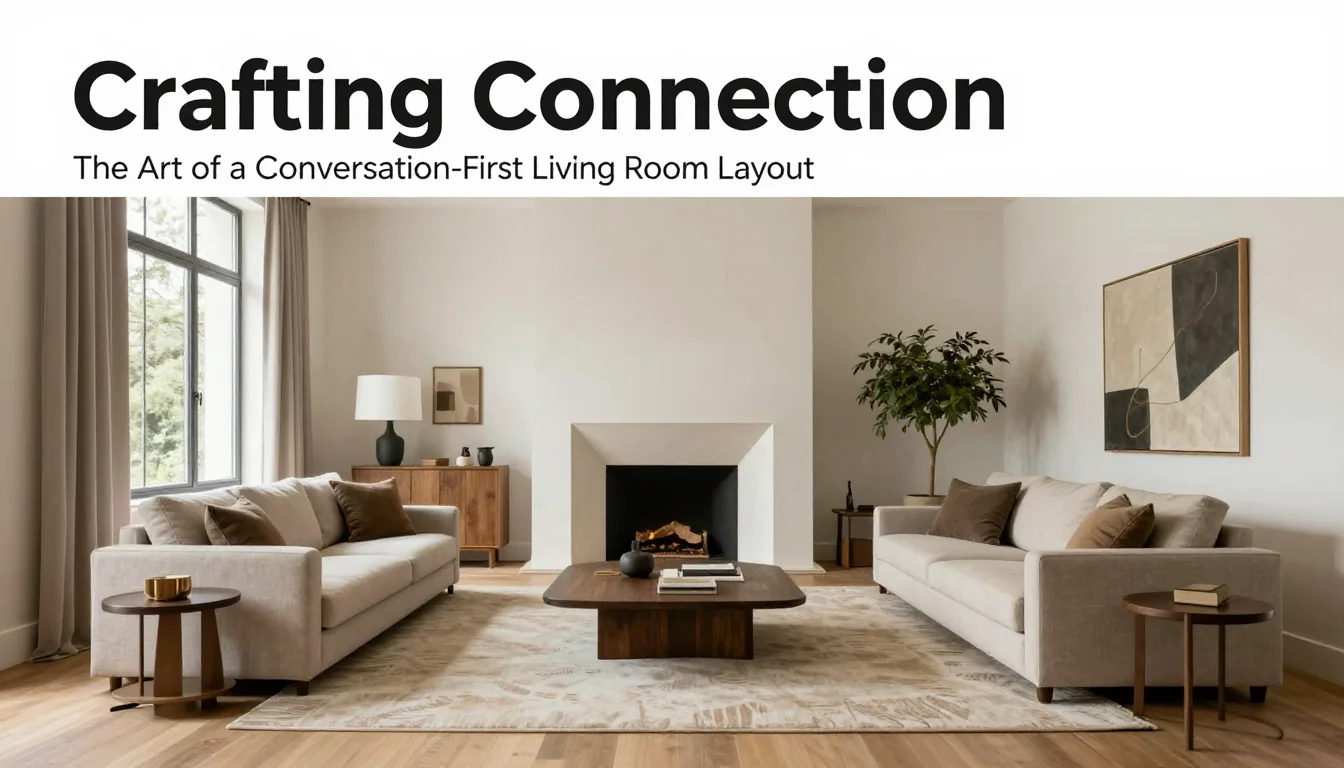
In the modern home, the living room has evolved beyond a passive viewing area. It is intended to be the heart of social life—a space where laughter resonates and genuine connection flourishes. Yet, too often, furniture placement dictates distance rather than dialogue, resulting in awkward seating arrangements that encourage isolation. Designing for conversation requires shifting your focus from maximizing floor space to optimizing human interaction. This design philosophy prioritizes intimate groupings and clear lines of sight, ensuring that every seat invites participation. It is about creating a dynamic zone where the flow of ideas is as effortless as the flow of traffic around the room. By mastering these principles of scale, proximity, and visual balance, you can transform your living space into a sophisticated hub for meaningful social exchange.
Optimizing Furniture Geometry and Proximity
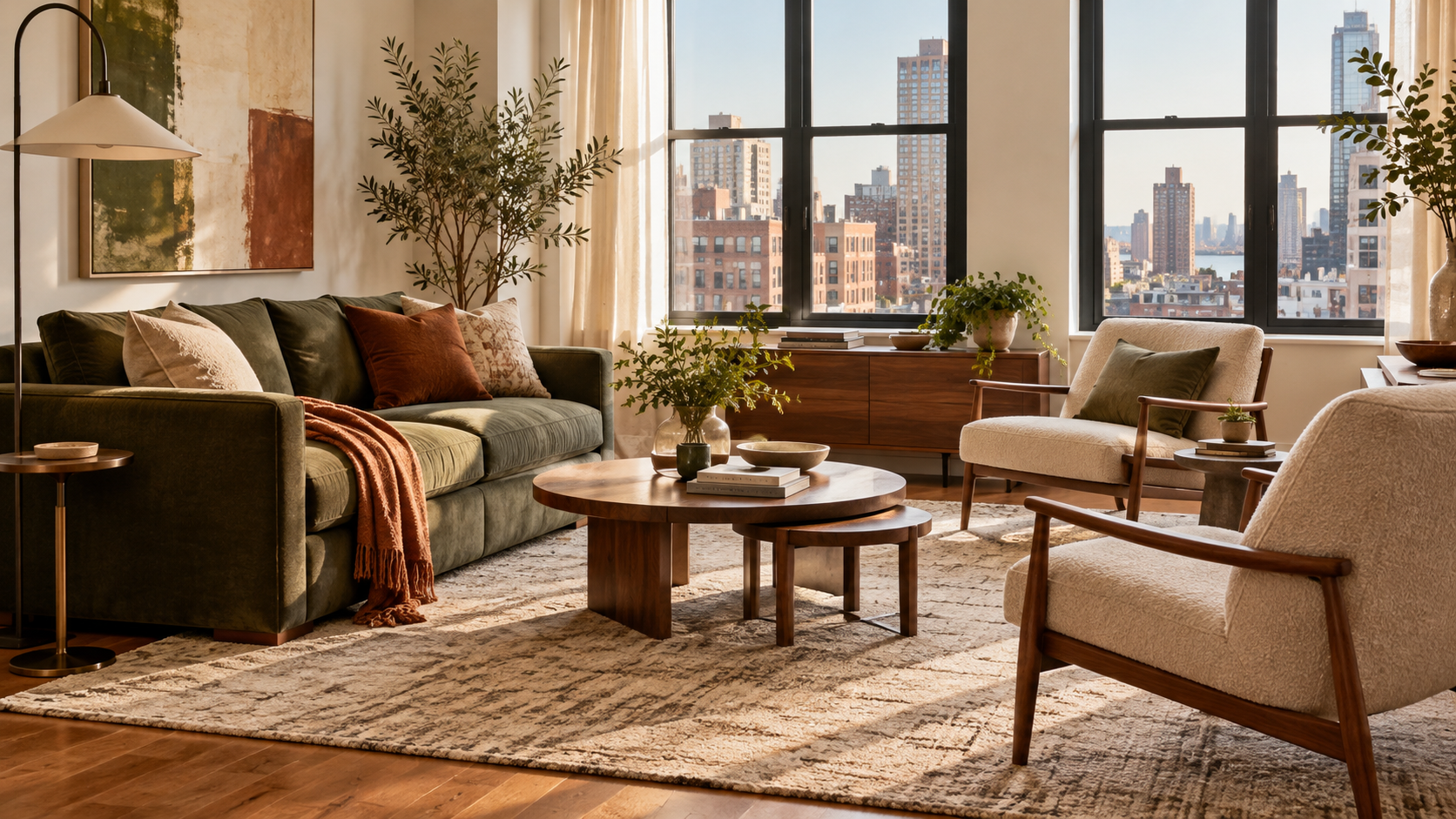
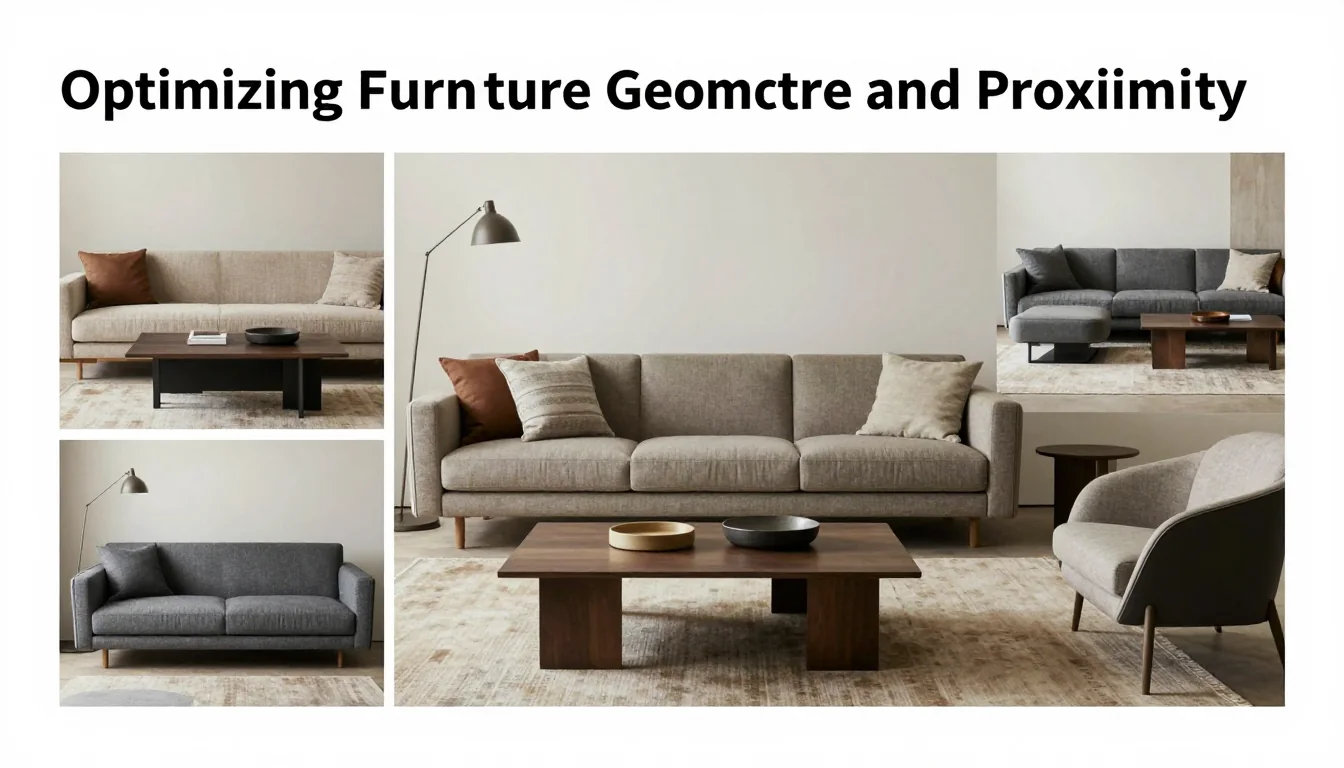
The most critical element in achieving conversational success is the thoughtful clustering of seating elements. Rather than distributing chairs along opposing walls—a setup designed for viewing media—grouping pieces together creates an immediate sense of intimacy. Aim for arrangements where occupants can naturally engage without having to crane their necks or strain their voices. This means defining a clear central focal point, which doesn't have to be a fireplace; it could be a piece of art, a unique coffee table, or the view outside. When clustering sofas and armchairs, ensure they face inward toward this center point, forming an organic, semi-enclosed circle or U-shape. The distance between seats should be close enough for comfortable conversation—ideally within speaking range, but not so close that it feels cramped. Consider using accent chairs instead of large sectionals to maintain flexibility and allow multiple distinct conversational pods to exist within a single large room.
Establishing Seamless Sightlines and Flow
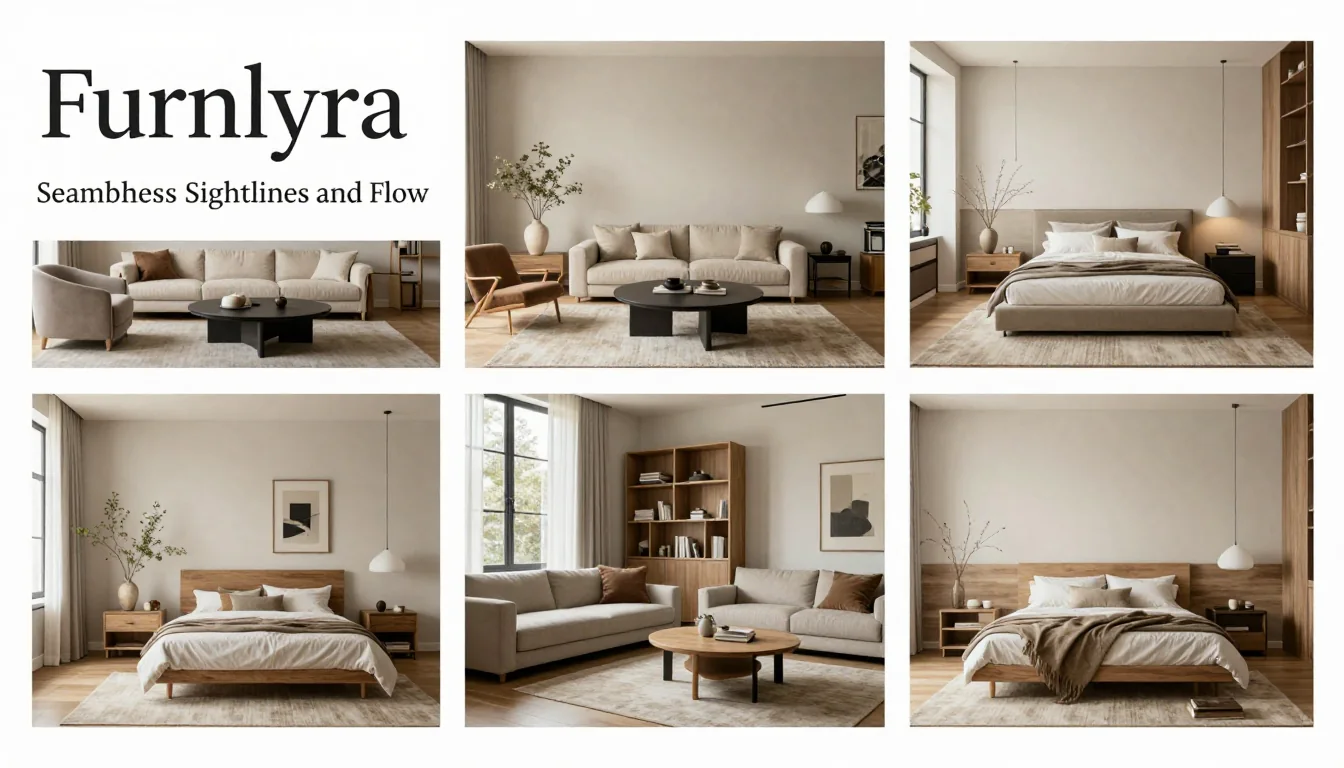
A conversation-centric layout must respect the movement pathways through the home. A beautiful arrangement is useless if guests constantly have to navigate around bulky furniture or stumble over coffee tables. Before finalizing any placement, mentally trace the primary circulation paths from the entryway to other rooms. These lanes of travel should remain clear and unimpeded by seating. Furthermore, consider sightlines not just for movement, but for interaction. If one person is seated in a corner, they should still feel visually connected to the main group. Avoid placing tall pieces of furniture—like massive bookcases or high credenzas—directly between conversational groups, as these create unwelcome visual barriers and disrupt the flow of energy within the space. Utilizing low-profile tables and carefully angled sofas helps maintain an open vista across the room, keeping the entire layout feeling cohesive and expansive.
Anchoring the Space with Scale and Texture
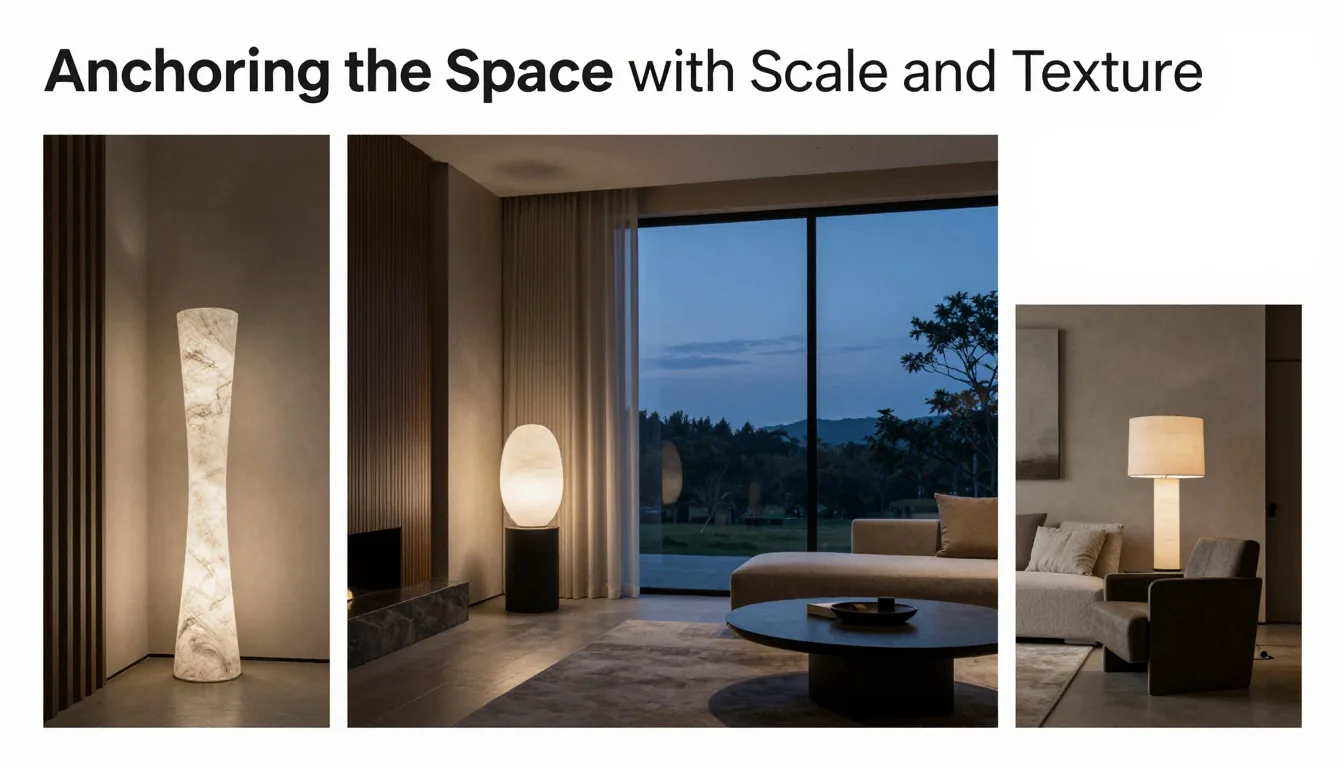
The details are what elevate a merely functional arrangement into a truly inviting experience. The scale of your furniture must harmonize with the dimensions of the room; overly large pieces will overwhelm and shrink the conversational area, while tiny pieces will feel lost and inadequate for social gatherings. Use an appropriately sized rug to visually anchor the entire seating cluster, effectively defining the conversation zone within the larger living room footprint. This rug should be substantial enough that all major furniture legs rest upon it, physically unifying the group into a single design element. Layering textures—mixing soft wools with smooth leather and adding woven throws—introduces tactile warmth, which psychologically encourages relaxation and openness. Finally, incorporate subtle lighting sources, such as floor lamps positioned between seating areas, rather than relying solely on harsh overhead fixtures. This localized, warm glow draws people in and helps foster the comfortable atmosphere necessary for deep connection.
By following these principles of proximity, clear movement, and harmonious scale, your living room will cease to be a mere collection of furniture and become a genuine stage for human connection.