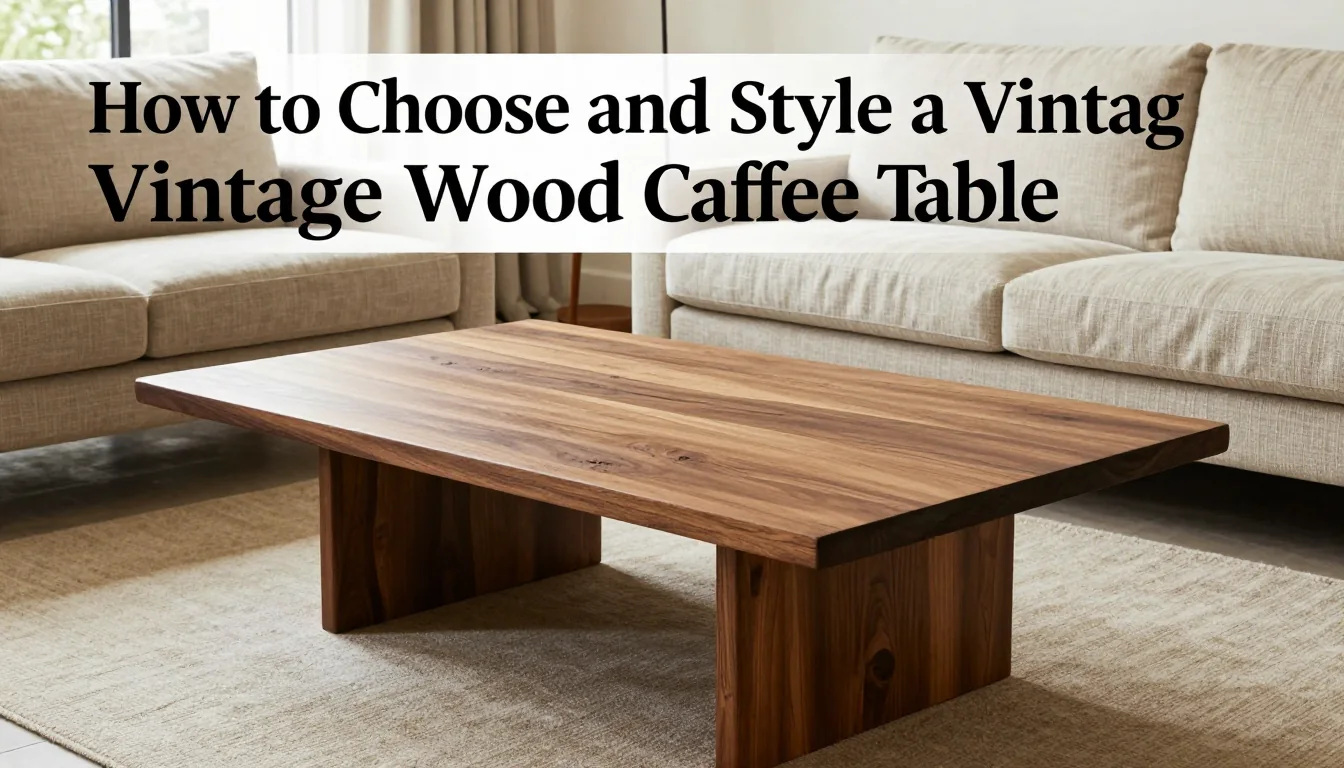
How to Choose and Style a Vintage Wood Coffee Table
Inspecting the Vintage Candidate: Condition and Authenticity
Before committing to a vintage wood coffee table, a thorough inspection of its physical state is mandatory. Examine all surfaces for deep gouges or structural cracks that might compromise stability, particularly in load-bearing areas like the legs or apron. Pay close attention to the joinery; look for signs of loose dovetails or poorly mended seams, as these indicate potential future weakness and costly repairs. The quality of the original craftsmanship is often reflected in how cleanly the pieces fit together.
The finish requires careful scrutiny. Some tables will have a distressed patina—a desirable sign of age—while others may require complete refinishing. Note whether the wear is natural fading or damage caused by neglect, such as water rings or severe scratches that penetrate the wood grain entirely. If the piece has been heavily sanded down and re-stained multiple times, it loses some of its historical integrity; this should be a factor when deciding if you value authenticity over appearance.
Finally, assess the material itself. Different woods respond to wear differently. Hardwoods like oak or walnut are generally more resilient to daily use, while softer woods may dent and scratch more easily. Check for insect damage, which often appears as small pinholes or powdering, especially in older pieces stored improperly. If you spot any signs of active infestation, the table must be professionally treated before it can safely enter your home.
Determining Scale and Proportion: Finding the Right Footprint
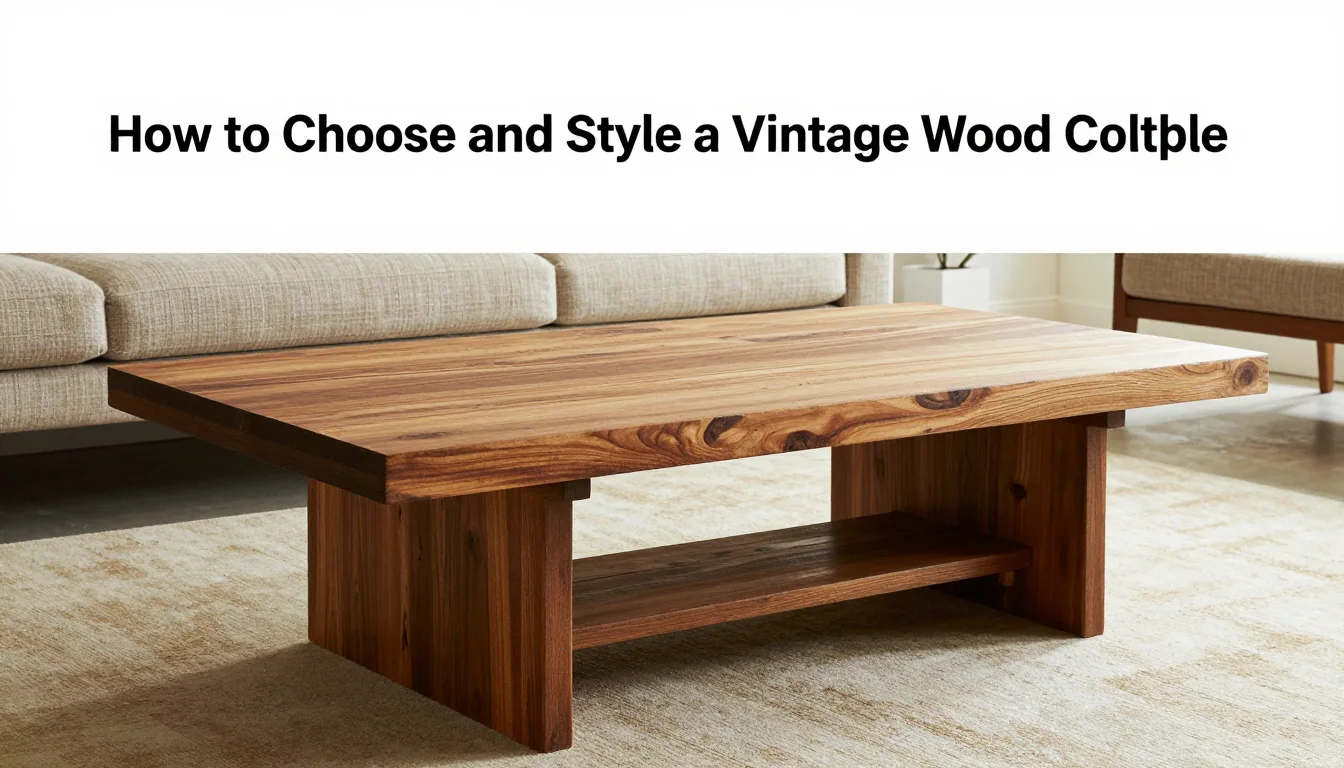
The primary mistake people make when selecting a coffee table is choosing one that is too large or disproportionate to the seating arrangement. A good rule of thumb suggests the table should be approximately two-thirds the length of your sofa, ensuring it anchors the conversation area without overwhelming the space. Its width should allow for easy navigation and access, preventing guests from feeling cramped when seated nearby.
Height is equally critical for comfortable interaction. The tabletop height should generally align closely with the seat cushion level—ideally within 1 to 2 inches of the seating surface. If the table is too high, using it as a resting place for drinks becomes difficult; if it is too low, items placed on it may feel dwarfed by the surrounding furniture. Adjusting the height via shims or risers can sometimes be an option, though this should be done cautiously to maintain structural integrity.
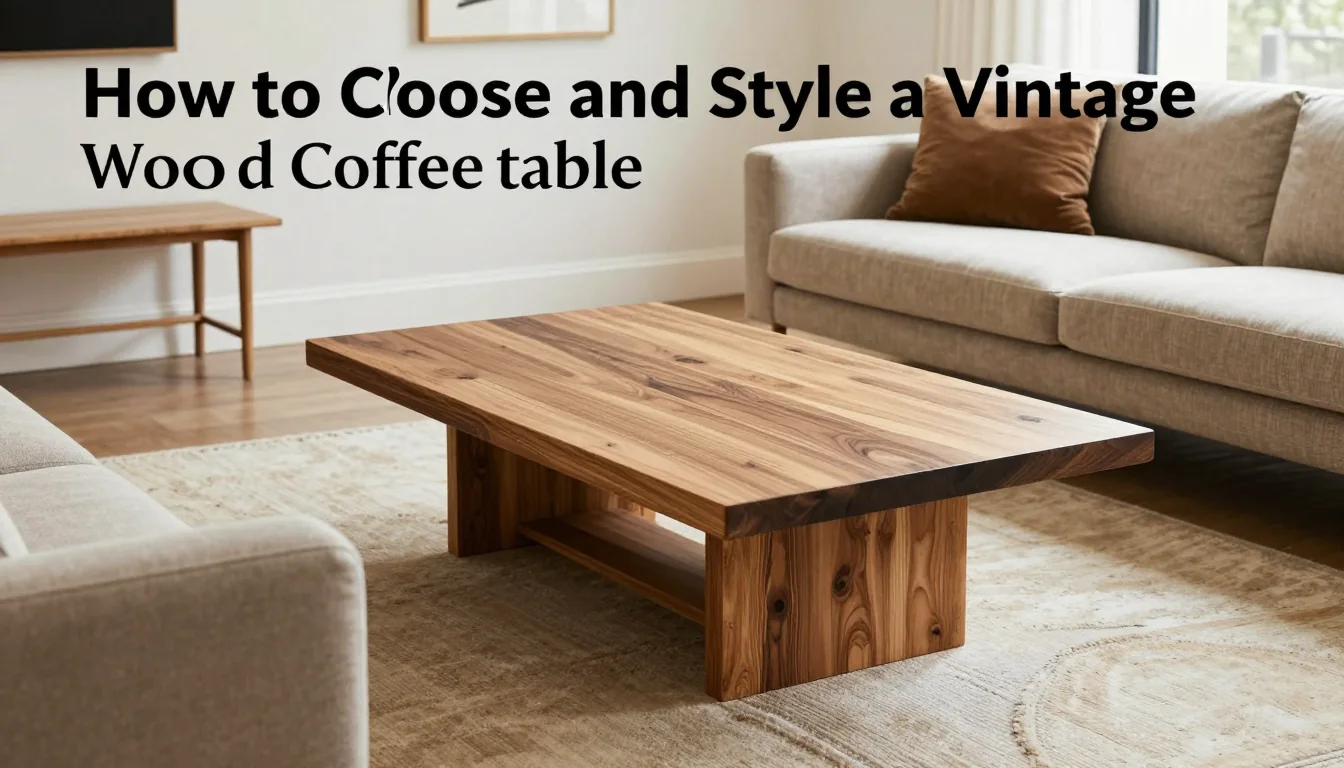
Consider the traffic flow of your living room when placing the table. Ensure there is adequate clearance—at least 14 to 18 inches—between the edges of the coffee table and the nearest seating edge. This spacing allows people to comfortably slide into or out of their chairs without bumping into the furniture, which is especially important if the piece is a large, solid wood construction.
Integrating Old Charm with Modern Design
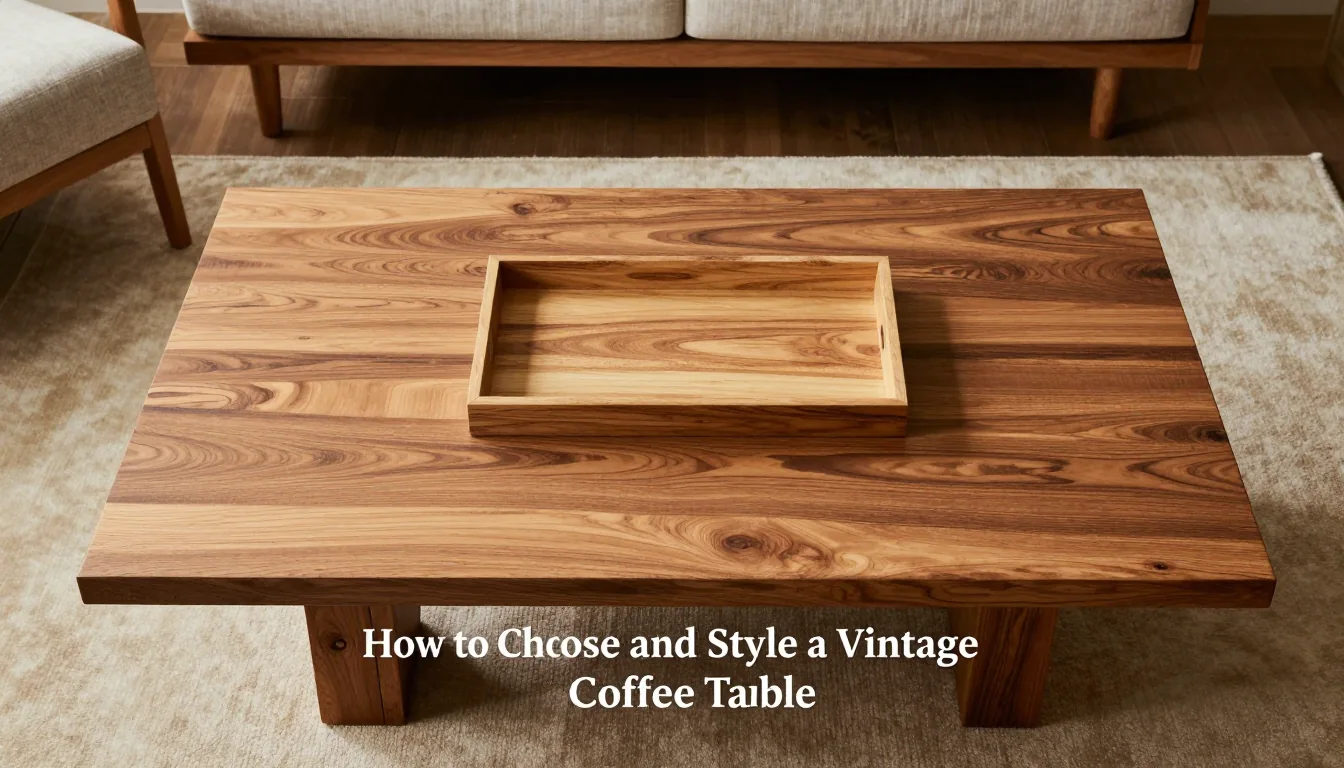
The key to successfully styling an antique table in a modern setting is contrast. Do not try to make the old piece look new; instead, celebrate its history by pairing it with sleek, contemporary elements. If your coffee table features heavy, dark walnut and ornate legs, balance this weight by surrounding it with minimalist sofas upholstered in light linen or crisp geometric patterns. This juxtaposition allows the vintage piece to serve as a unique focal point rather than an antiquated fixture.
Styling surfaces requires restraint. Instead of cluttering the tabletop with too many small items, focus on grouping objects into curated vignettes. Use varying heights—a stack of large art books, a low ceramic bowl, and perhaps a sculptural brass object—to create visual interest. These groupings should complement the wood tone but not necessarily match it perfectly; introducing contrasting materials like polished marble or matte metal adds modern sophistication.
For material care, always treat vintage wood with respect. If your table is solid hardwood, regularly apply a quality furniture oil or wax appropriate for its finish to nourish the grain and prevent drying cracks. Avoid placing hot items directly on the surface, as thermal shock can cause immediate damage. Always dust using soft microfiber cloths and never use harsh chemical cleaners that strip away the aged patina you worked so hard to preserve.
Practical Planning Notes
Leave roughly 30–36 inches for a main circulation path and 14–18 inches between a sofa and coffee table.
Material Perspective
Wool and performance linen bring texture; leather is easier to wipe but benefits from controlled sunlight.
Before You Commit
Confirm seating, side tables, reading light, and a reachable surface for every main seat.
For related, room-specific ideas, continue with the guides in this category or return to the Furnlyra home page.