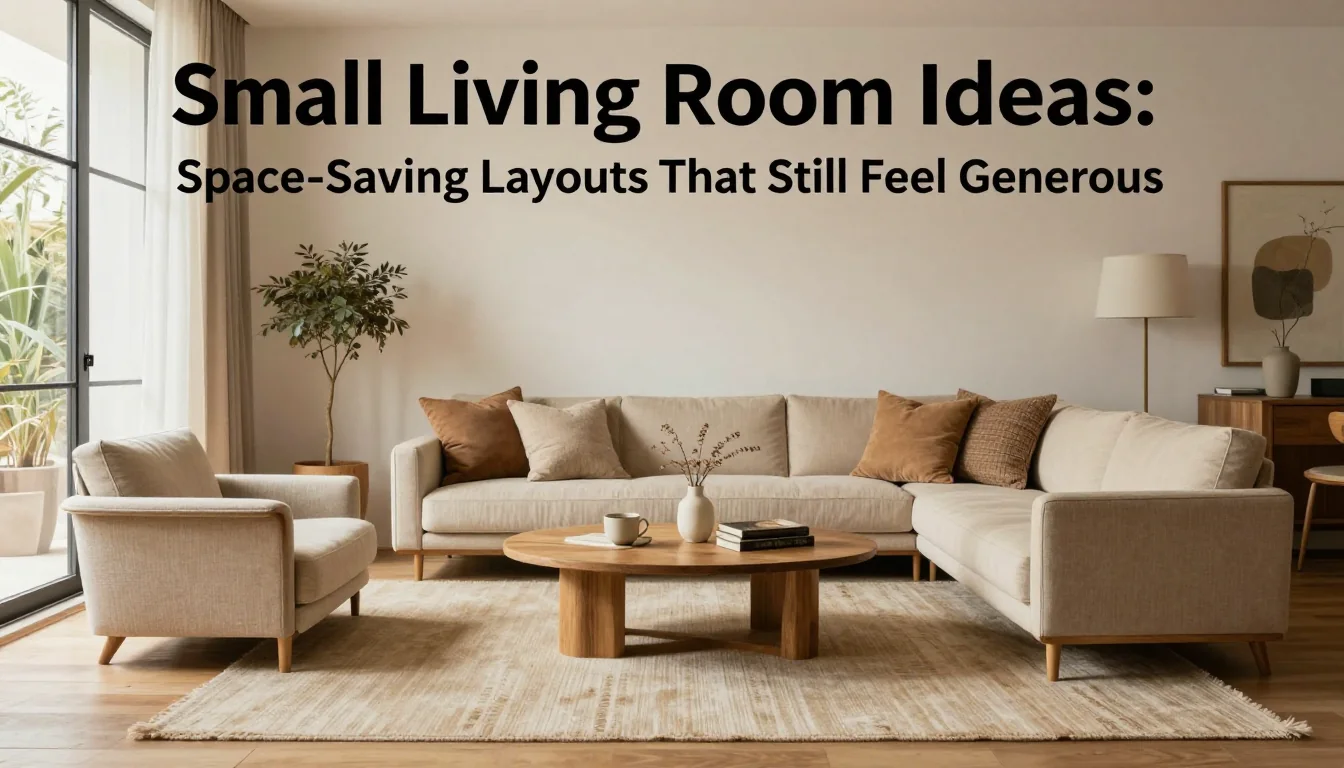
A compact living room does not require a compromise between style and functionality. Instead, it demands precision in design. The goal is to create an environment that supports daily life—a setting where movement is effortless and every chosen object feels deliberate. Effective small-space design moves beyond simple decluttering; it involves strategic placement, careful selection of scaled pieces, and the masterful use of light to redefine boundaries. By focusing on these three pillars—flow, function, and visual volume—even the most modest rooms can achieve a sense of expansive comfort.
Establishing Unobstructed Circulation Paths
The foundational rule for any small room is guaranteeing clear movement. Before selecting a single piece of furniture, map out the essential traffic lanes: the path from the doorway to the window, the route between the seating area and the storage unit, and enough space to pull out a chair or open a drawer without bumping into another item. For comfortable flow, aim for a minimum circulation pathway width of 75 to 90 centimeters (30-36 inches). If your main thoroughfare is narrower than this, you are forcing the room to negotiate around its contents, which immediately creates visual tension and discomfort.
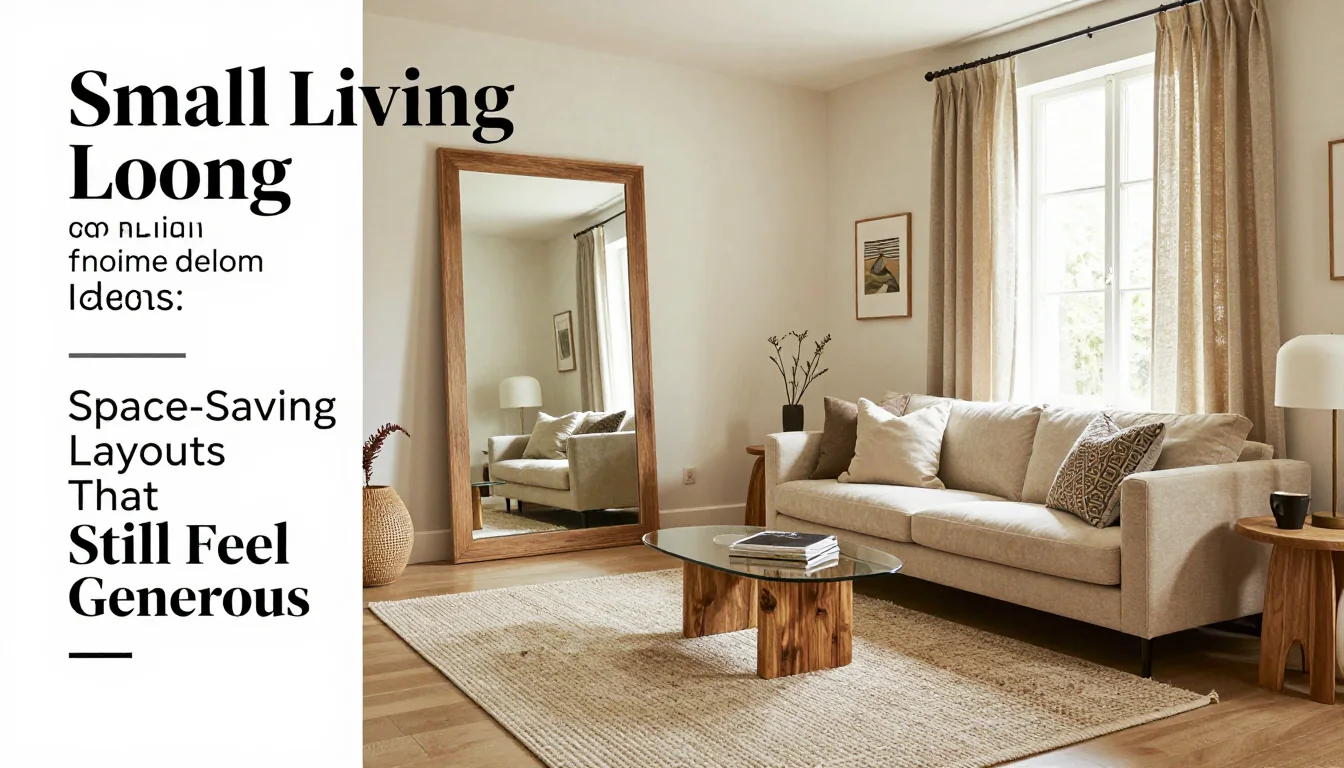
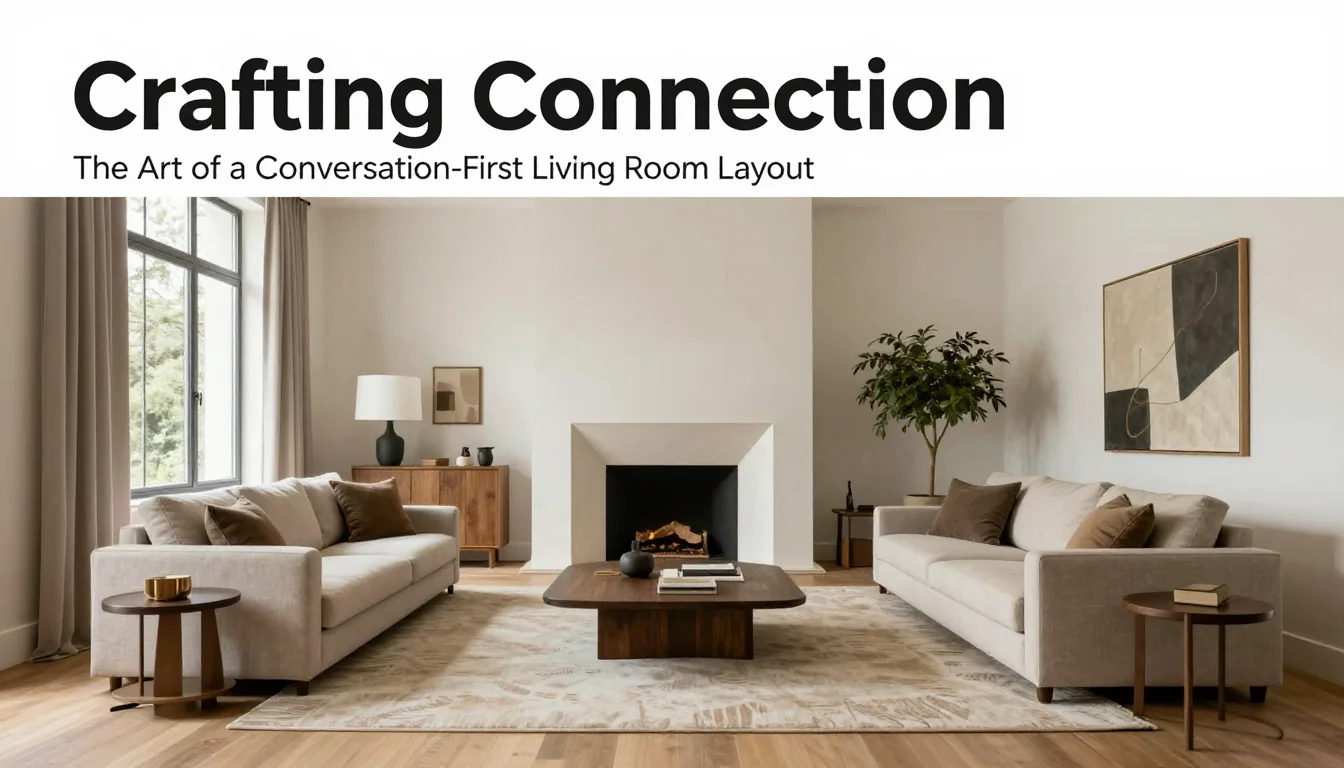
When arranging seating clusters, avoid pushing all pieces against the walls. This often makes a small room feel like a hallway with furniture. Instead, float key elements—like an accent chair or a side table—a few centimeters away from the wall. This slight gap allows light to penetrate behind the piece and creates an illusion of depth, making the wall itself seem further away. Furthermore, prioritize pieces that maintain visual lightness; opt for sofas and armchairs raised on slender legs rather than heavy, skirted silhouettes, as seeing more floor area is key to expanding perceived space.
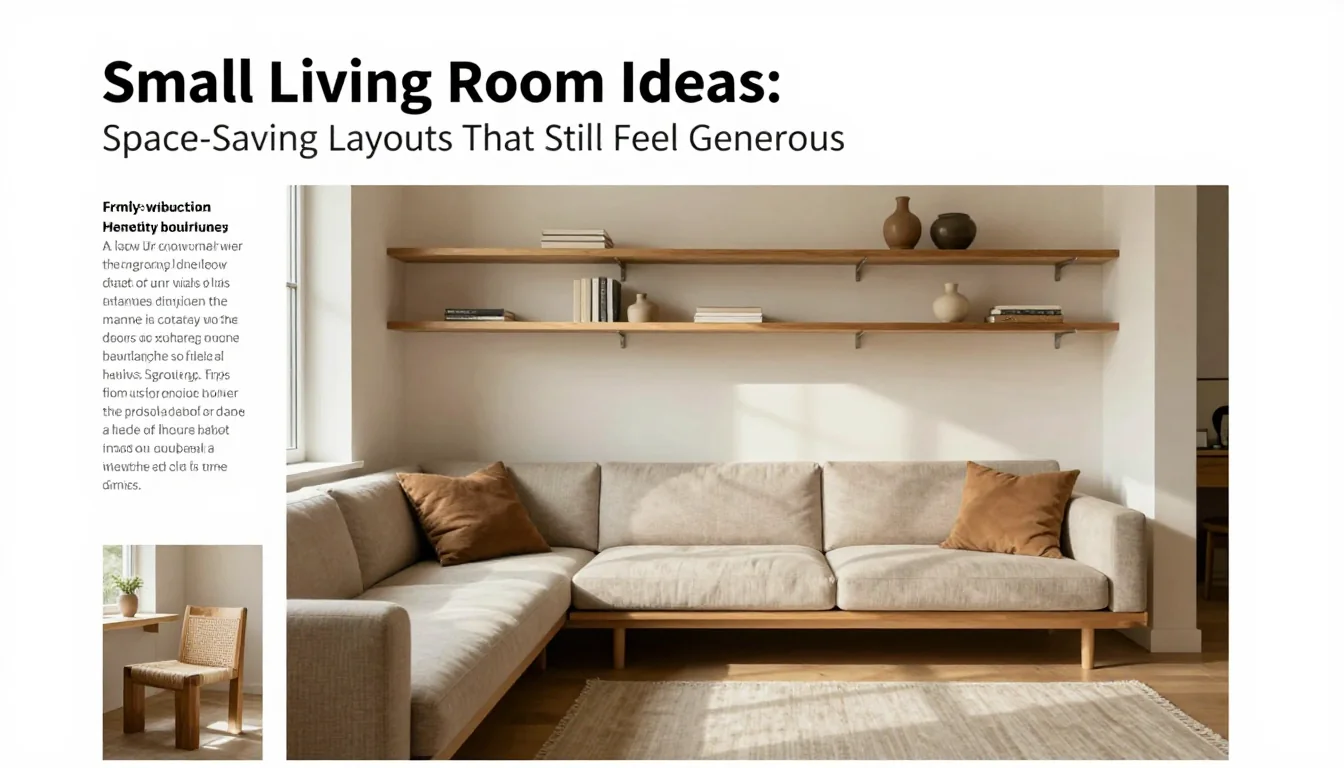
A common mistake in tight quarters is over-clustering furniture into one dense zone. If your room is long and narrow, consider segmenting the space using low, open shelving or a carefully placed console table rather than a solid barrier. These elements define zones—a reading nook versus a conversation area—without visually walling off sections. This division provides structure while maintaining visual connectivity throughout the entire volume of the room.
Strategic Furniture Selection and Multi-Functionality
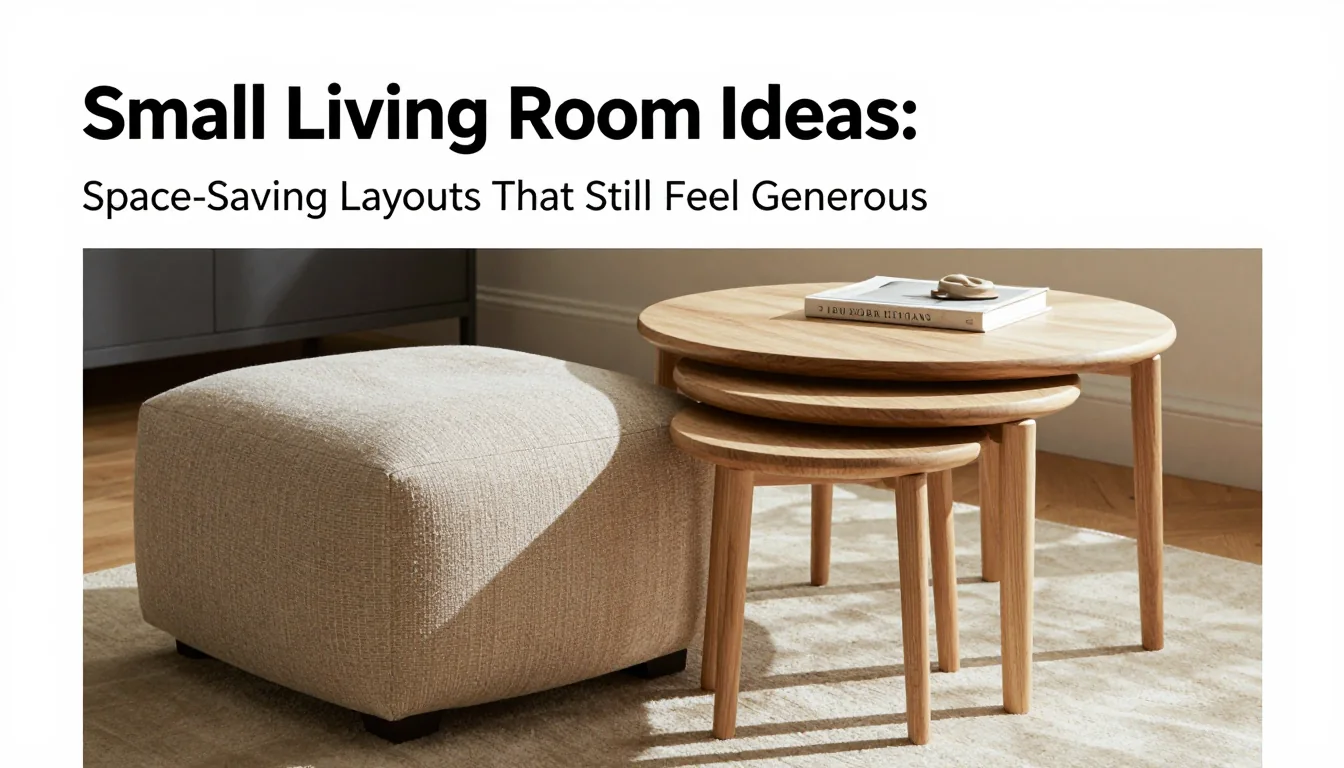
In small spaces, every piece must earn its place by serving more than one purpose. The coffee table is a prime candidate for dual duty; consider nesting tables that can be separated when entertaining or stored neatly together during daily use. Alternatively, opt for an ottoman with hidden storage rather than a traditional end table. When choosing seating, look for modular sofas or loveseats that allow you to reconfigure the arrangement based on the occasion—a necessity in rooms where function must shift quickly from quiet reading to hosting guests.
Verticality is your most powerful ally against smallness. Instead of sprawling horizontally with low storage units, utilize tall, narrow shelving. These units draw the eye upward, emphasizing ceiling height and providing significant accessible storage without consuming valuable floor real estate. When selecting media consoles or bookcases, ensure they are proportional to the wall; a massive piece will dominate and crush the room's scale, regardless of its storage capacity. A console that is approximately 45-60 cm (18-24 inches) high is usually a harmonious fit under television screens.
A trade-off exists between maximum storage and maintaining an airy feel. If you prioritize deep, closed cabinetry for maximal clutter containment, be aware that this heavy visual weight can shrink the room further. To mitigate this, use open shelving sparingly—only displaying items with intentional design value rather than simply stacking books. For delicate wooden surfaces, if cleaning involves oil-based treatments, always patch test a hidden corner first to ensure compatibility with the specific finish type (e.g., polyurethane vs. wax).
Maximizing Visual Volume Through Light and Color
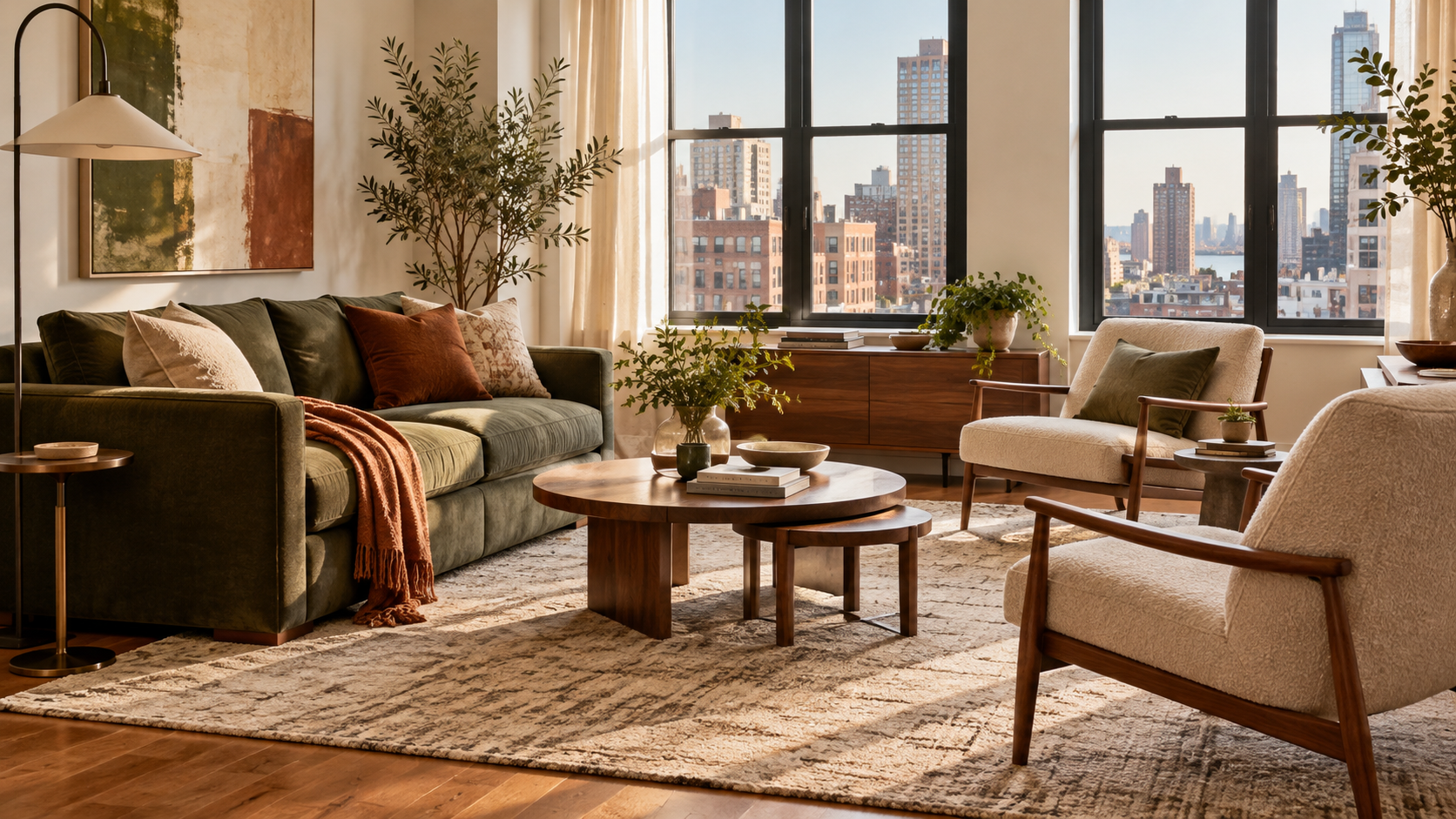
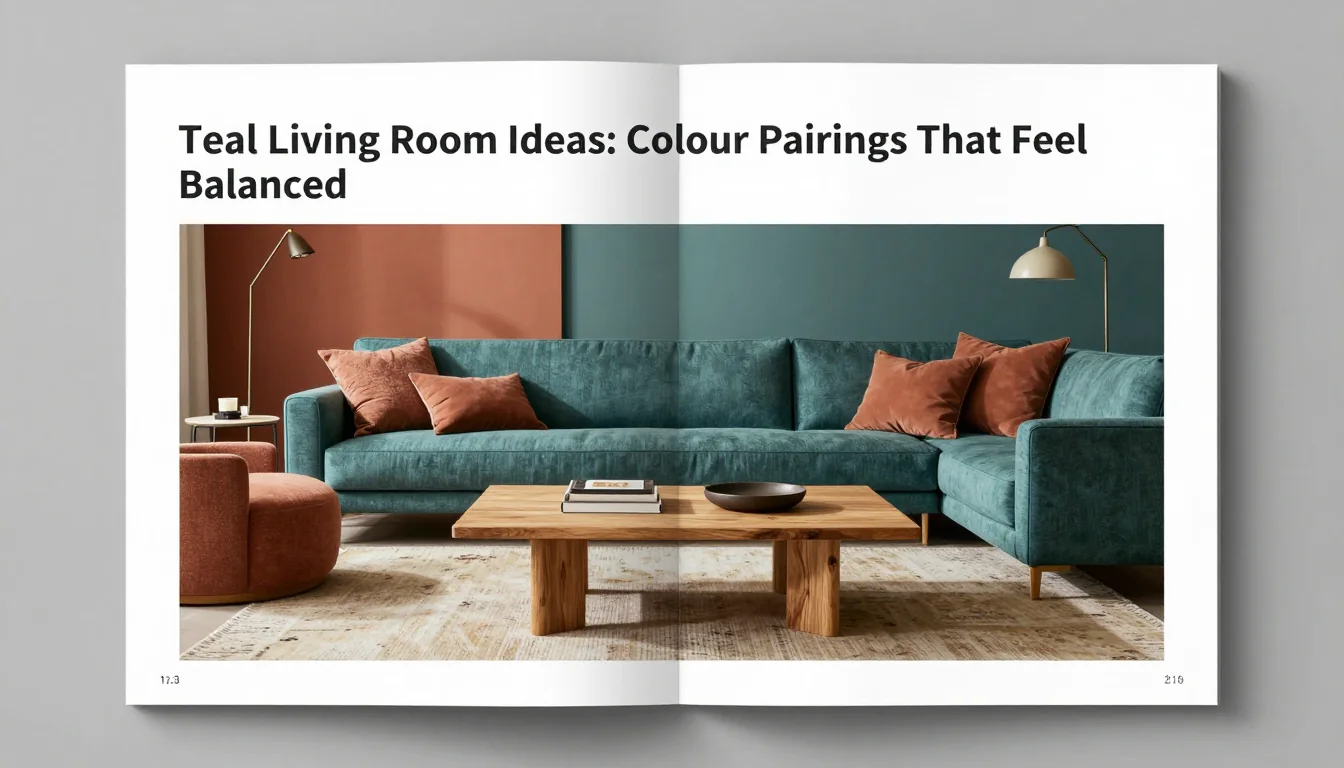
The color palette dictates how large or small a space feels, making it one of the easiest levers to pull for visual expansion. Employ light, neutral tones—such as soft grays, muted off-whites, or pale sage greens—on the walls and on your largest upholstery pieces. These colors reflect natural and artificial light, preventing corners from feeling dark or heavy. While bold color accents are welcome through textiles (cushions, throws), keep them contained; allowing the majority of the room's surface area to remain bright ensures that the eye travels smoothly across the space.
Strategic use of reflective surfaces is a classic technique for tricking the eye into perceiving greater depth. A large mirror placed on an interior wall—ideally opposite a window or light source—will bounce ambient light deep into the room and visually double the perceived size of the space. Similarly, selecting furniture with glass tops (such as side tables) allows light to pass through them, preventing solid objects from creating visual blockages that restrict flow.
Layering lighting is crucial for transforming a small living area throughout the day. Relying solely on one overhead fixture creates harsh shadows and emphasizes the room's boundaries. Instead, integrate multiple sources: use an ambient floor lamp in a corner to provide soft uplighting, place a table lamp on a side console for task light, and add subtle picture lights if you have wall art. This layering adds dimension and warmth, making the space feel lived-in and intentionally designed rather than merely small.