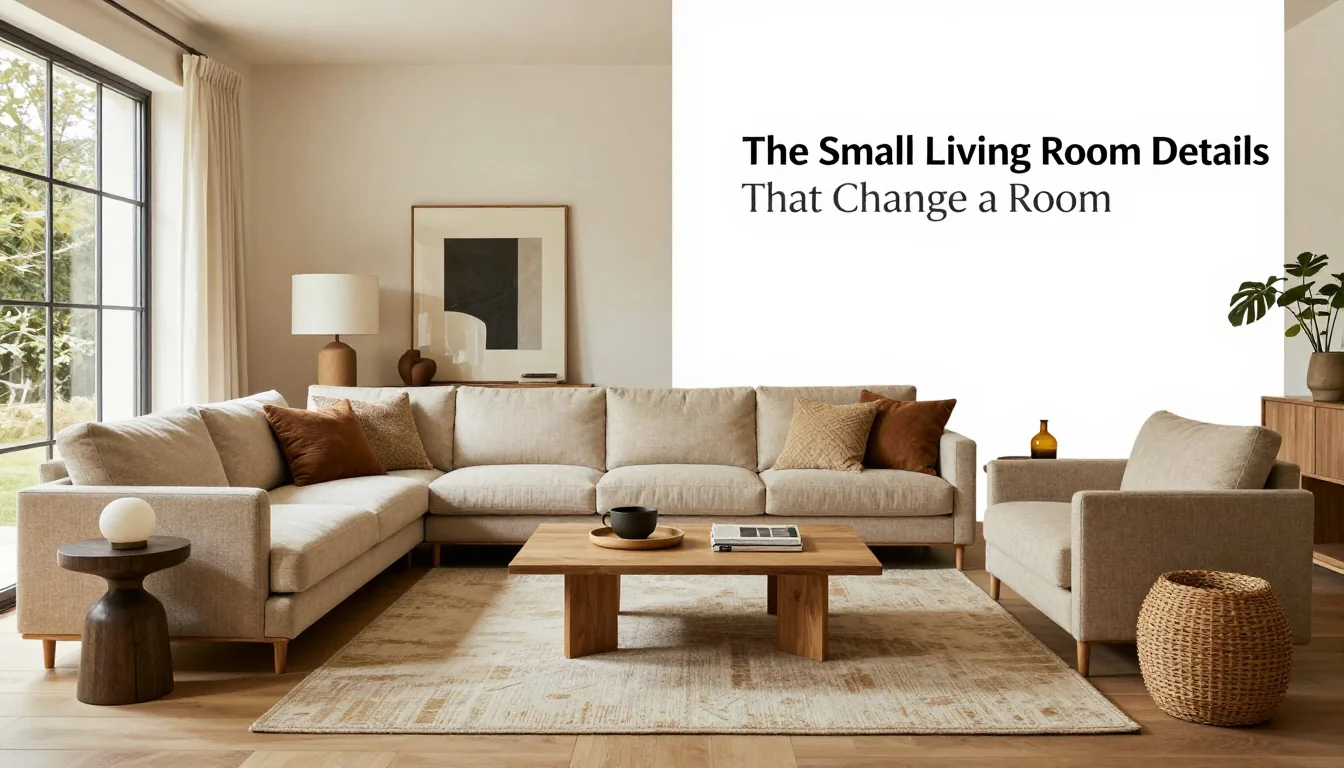
Designing a small living room is fundamentally an exercise in intentionality. The goal should never be merely to cram the most furniture into the available square footage; rather, it is about curating an atmosphere that feels expansive, grounded, and deeply comfortable. When space is limited, every decision—from the height of a side table to the weave of a throw blanket—carries significant weight. A successful small-space design moves beyond simple decoration, creating a subtle dialogue between form and function where visual lightness meets tactile richness. This guide provides actionable strategies for transforming constrained areas into intimate sanctuaries that support genuine daily life.
Strategic Furniture Scaling and Layout Flow
The most immediate pitfall in a small room is opting for pieces that are too voluminous. An oversized sofa or an excessively deep armchair can consume the perceived space, making the area feel compressed rather than cozy. Instead of prioritizing grand scale, focus on generous proportion combined with visual lightness. Select seating where the frame allows light to pass through—think exposed wood legs instead of heavy skirted bases. For a primary conversational grouping, aim for pieces that offer deep comfort without excessive bulk; for example, an armchair should feel substantial enough to invite settling but not so wide that it blocks movement paths. This thoughtful selection ensures the room feels usable and breathable.
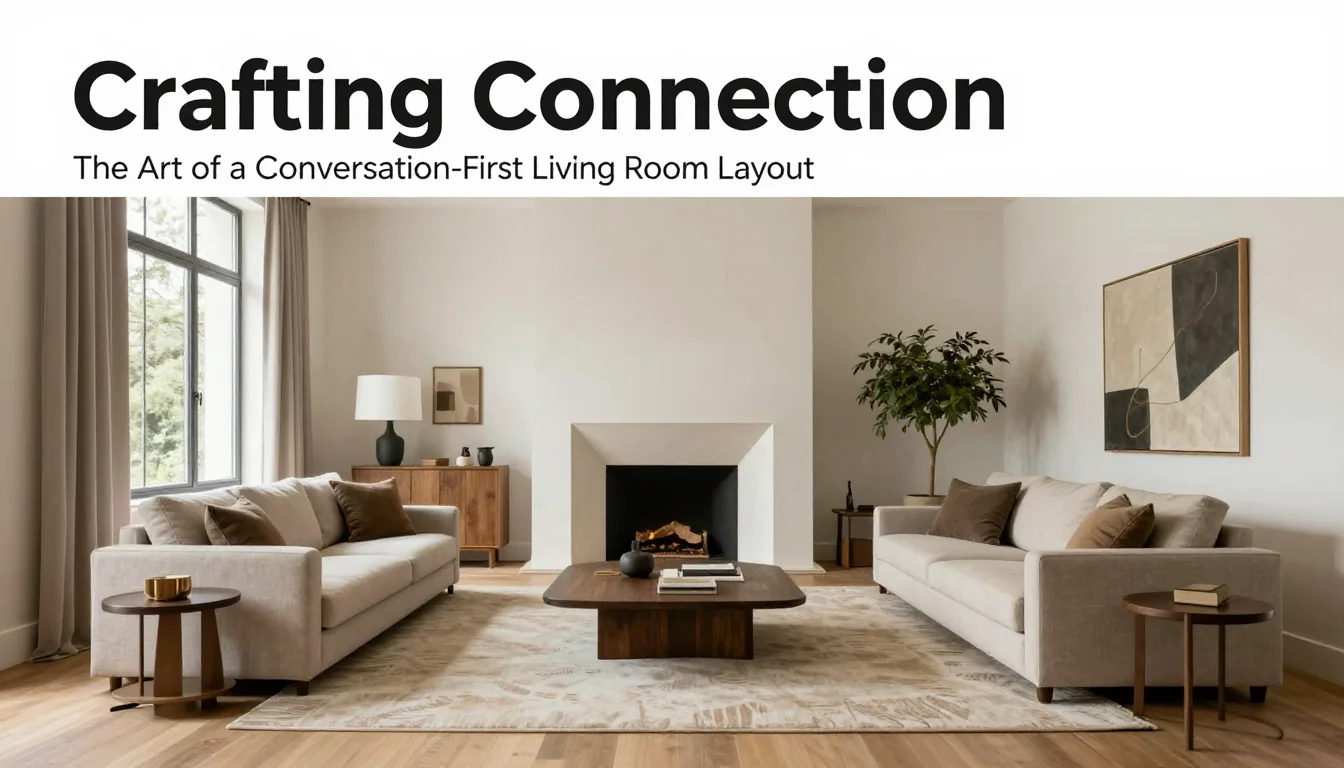
Layout geometry is as critical as material choice. Instead of defaulting to rigid wall-hugging arrangements, introduce strategic negative space by 'floating' furniture slightly off the perimeter walls. Allowing a sofa or chair to sit 6 to 12 inches away from the wall prevents the room from feeling like a museum exhibit and encourages natural flow. Furthermore, opt for organically shaped tables—round or oval coffee tables are superior to sharp squares in small settings because their curves soften sight lines and prevent the visual 'stop' that angular furniture creates. A round table with a diameter of 28–32 inches is often ideal for intimate seating arrangements.
A common mistake is treating all pieces as standalone islands; conversely, placing everything against the walls kills energy. To create depth without adding physical bulk, utilize verticality and layering behind primary elements. Placing a slim console table (no deeper than 10–12 inches) behind a sofa serves multiple purposes: it provides structural interest, offers a functional landing zone for lamps or books, and visually anchors the seating area without encroaching on floor space. This technique adds curated depth while maintaining an open feel.
Tactile Layering: Building Depth Without Clutter
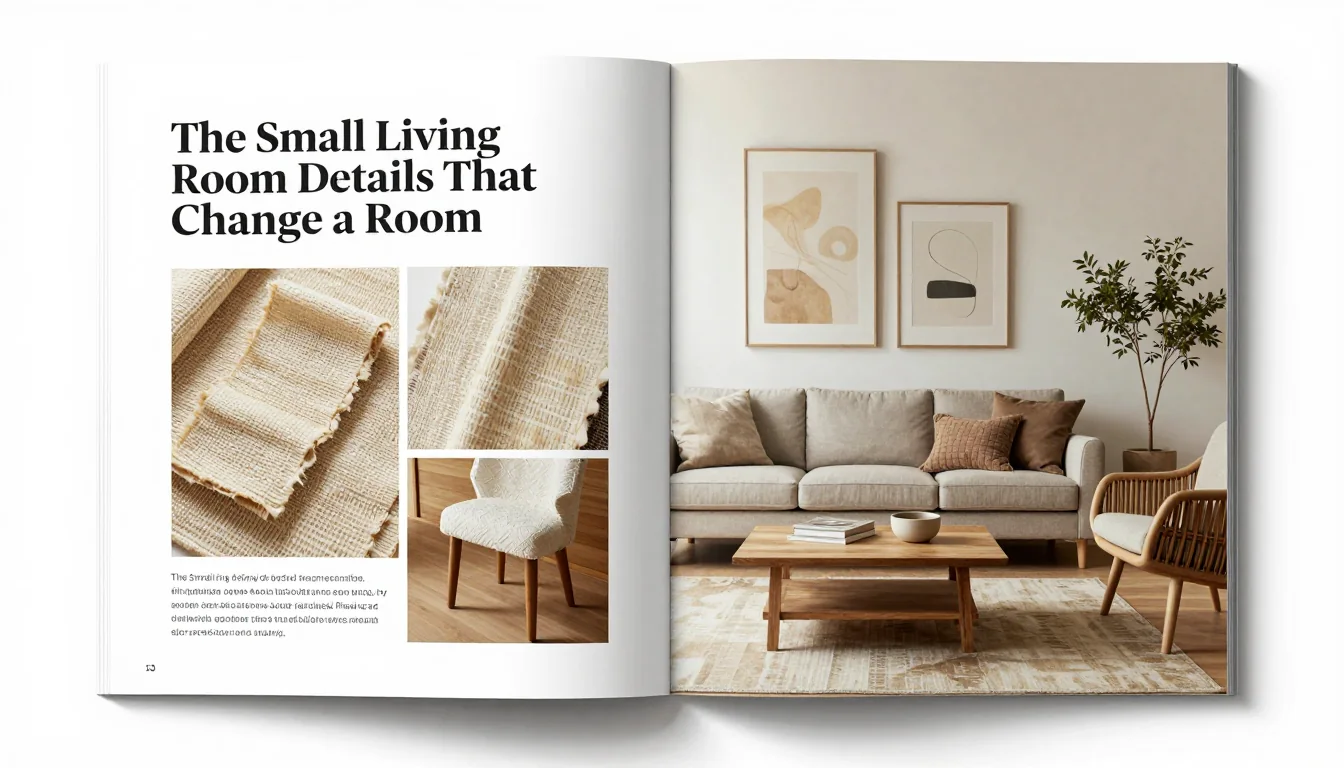
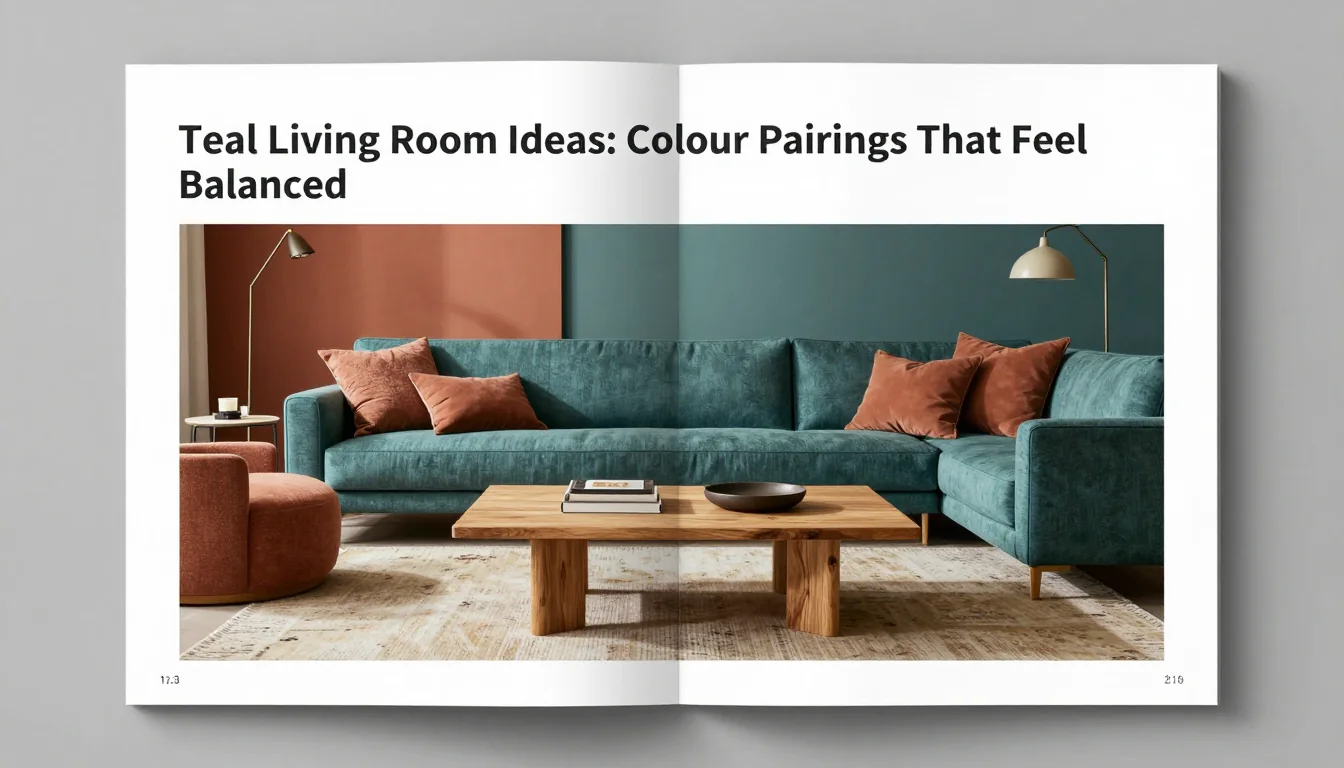
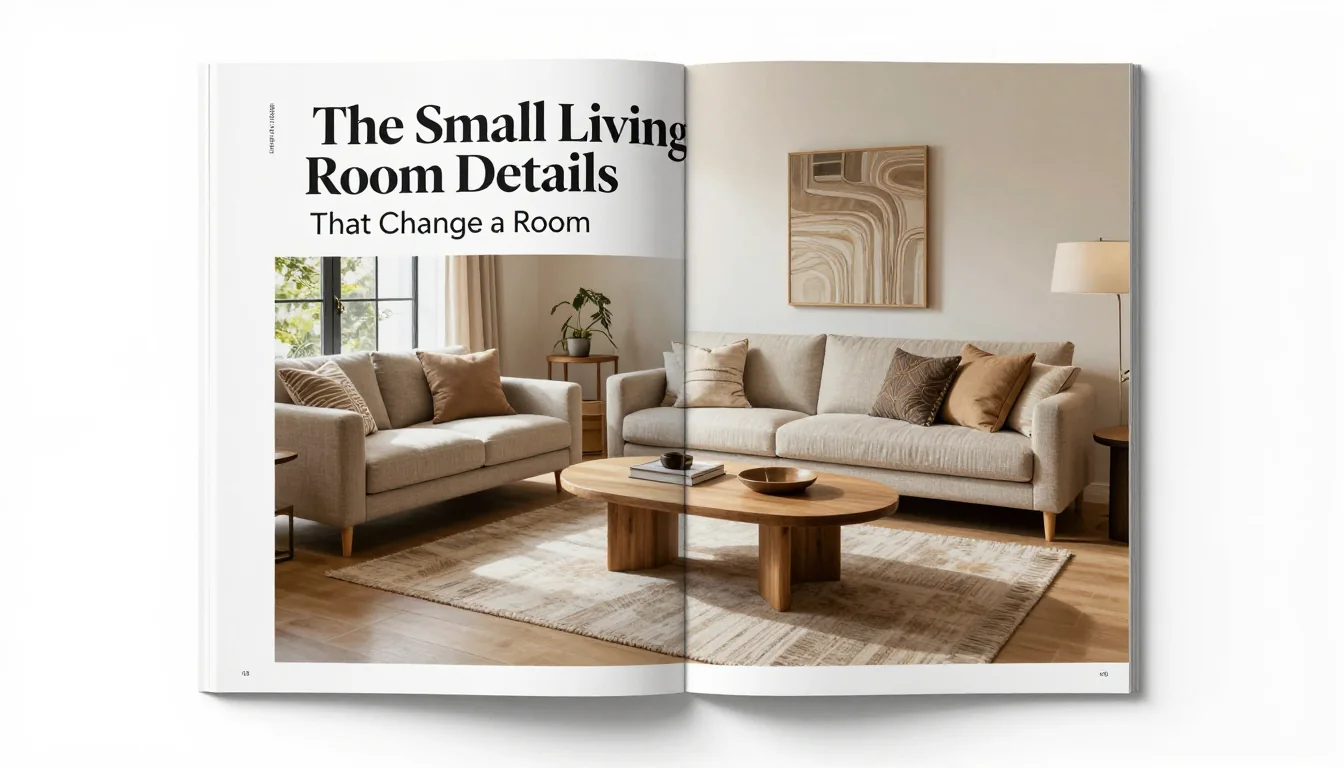
In small rooms where color palettes are often deliberately restrained—leaning toward warm neutrals like sage, oat, or terracotta—texture becomes the primary tool for adding visual complexity. Instead of relying on loud patterns, introduce depth through varied tactile materials. Drape chunky, loosely knitted throws over chair arms; select cushions in linen blends that feature subtle variations in weave rather than solid blocks of color; and incorporate natural fibers like brushed wool or mohair accents. The goal is a rich surface narrative—a sense of layered comfort—that invites touch even when the room is not occupied.
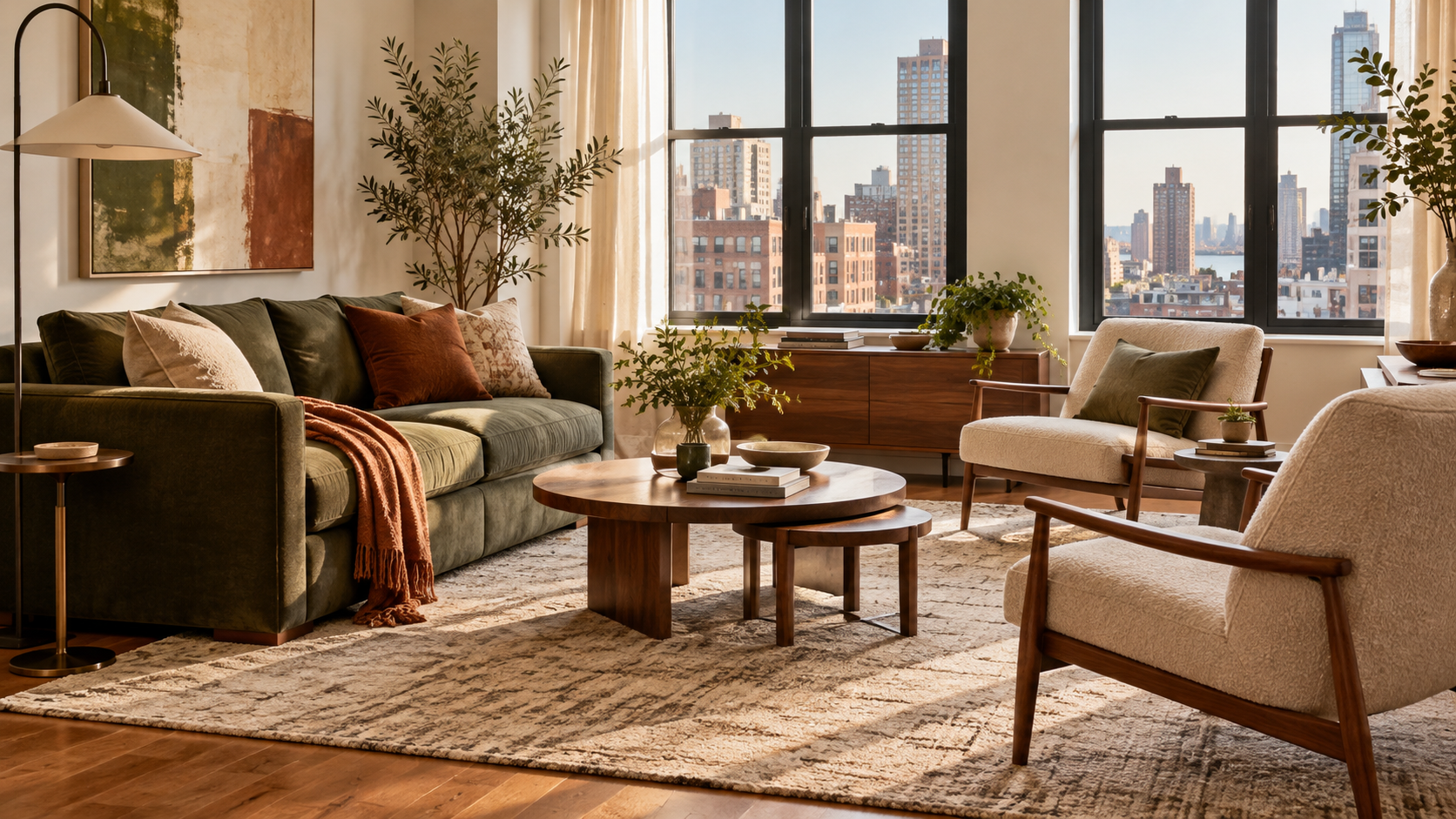
The area rug must function as the foundational anchor for this textural story, and its size is often underestimated. A critical rule is that at least the front two legs of every primary seating piece (sofa, chairs) should rest on the rug. If the rug is too small, the furniture appears to be floating in a bare, unfinished space. For a typical 10x12 foot living area, an 8x10 or even 9x12 rug will usually suffice, depending on how tightly you group your seating. Choosing natural fibers—wool blends, jute, or sisal—introduces essential organic warmth that counteracts the sterility of hard surfaces.
The layering process must feel effortless, never forced or overly curated for a photo shoot. A simple stack of two to three coffee table books placed beside a hand-thrown ceramic bowl, paired with one richly textured throw draped loosely across an adjacent chair, signals genuine habitation. The trade-off here is restraint: while you want variety in texture (rough wool next to smooth linen), avoid mixing too many contrasting textures simultaneously, as this quickly devolves into visual noise and chaos.
Functional Details and Vertical Space Optimization
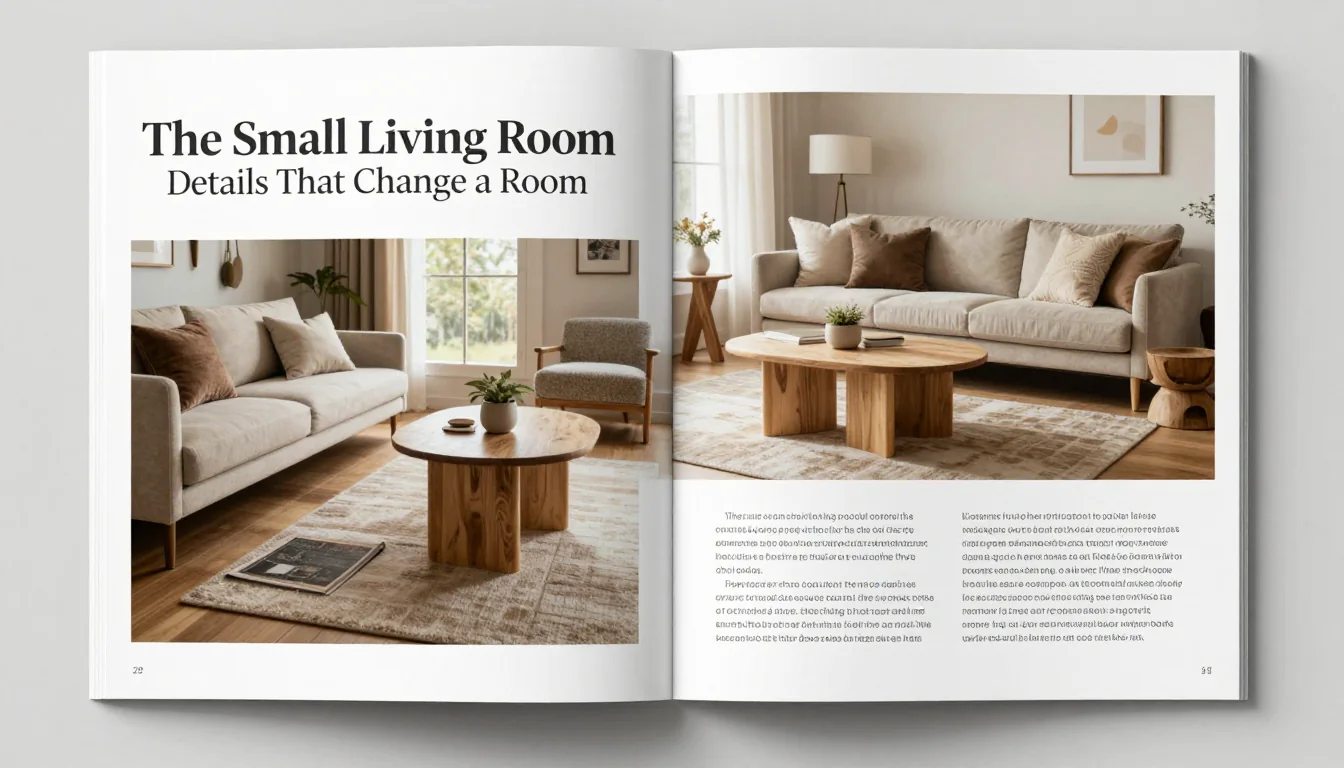
True design success lies in weaving functionality seamlessly into the aesthetic. In small rooms, every surface must justify its presence; clutter is the enemy of perceived space. Instead of relying on wide, sprawling bookcases that consume floor real estate, prioritize tall, slim shelving units. These pieces draw the eye vertically, making the ceiling feel higher and giving the illusion of greater volume. When selecting these units, ensure they have closed storage options (drawers or cabinets) for everyday items to keep visual surfaces clean.
Multi-functional furniture is a non-negotiable element in constrained spaces. Consider ottomans that double as footrests but contain internal storage for blankets or remotes; nesting side tables that can be pulled apart when extra surface area is needed; or modular seating options that allow pieces to be rearranged based on the number of guests. These items provide essential utility without adding permanent visual weight, offering flexibility that static furniture cannot match.
When integrating details like lamps and decorative objects, prioritize impact over quantity. Instead of scattering many small knick-knacks across a mantel or shelf, opt for one substantial, well-designed piece—perhaps an architectural ceramic vase or a sculptural lamp base. For wood surfaces, always ensure any cleaning product is specifically rated for the finish type (e.g., oil vs. lacquer) and conduct a patch test in an inconspicuous area first. This focus on quality over volume ensures that every detail contributes to a sense of sophisticated ease rather than overwhelming accumulation.