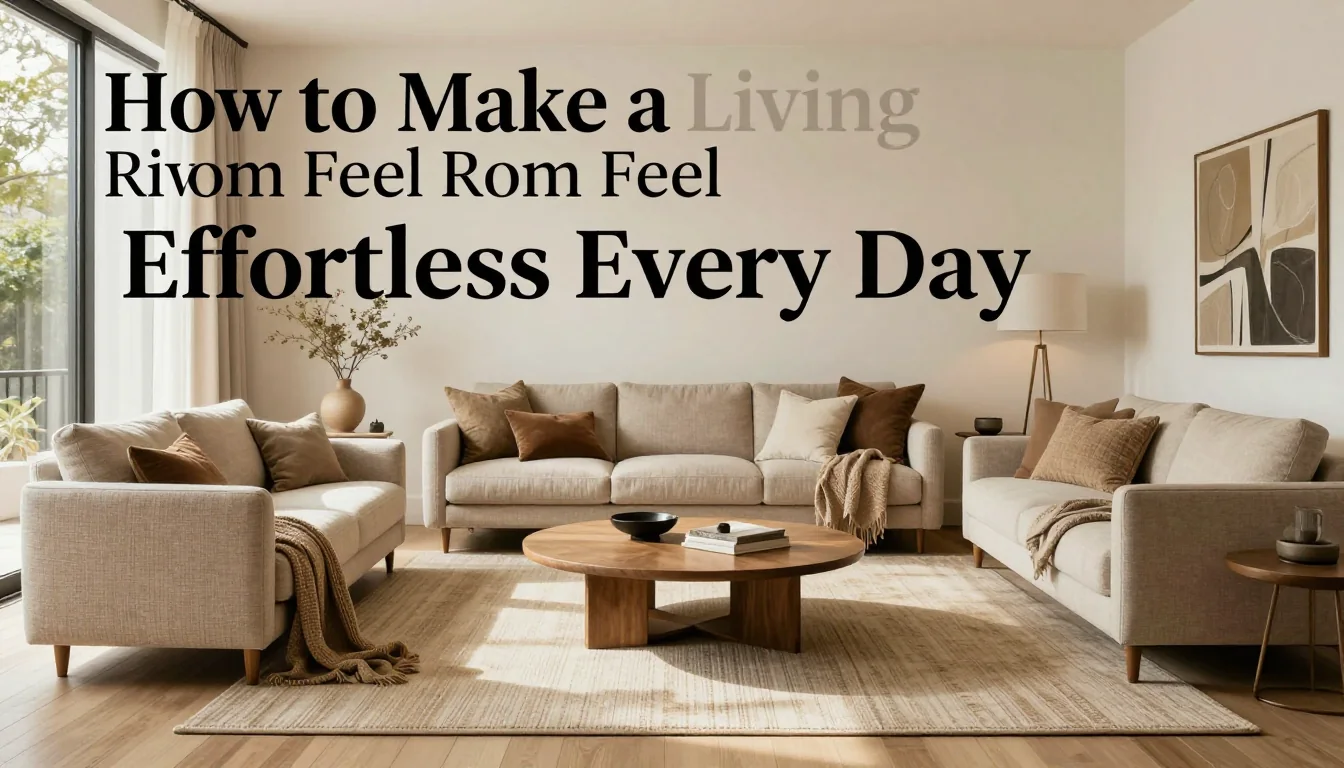
An effortlessly styled home is not achieved by collecting decorative objects; it is the result of deliberate choices that prioritize function. The goal of an easy-to-live-in space is to support your ordinary routines—the morning coffee, the evening reading session, the casual gathering—without demanding constant upkeep or creating friction points. This guide moves beyond aesthetic perfection and focuses instead on practical design decisions: how proportion creates calm, how material restraint builds character, and how smart choices reduce daily effort.
Prioritizing Function Over Visual Statement
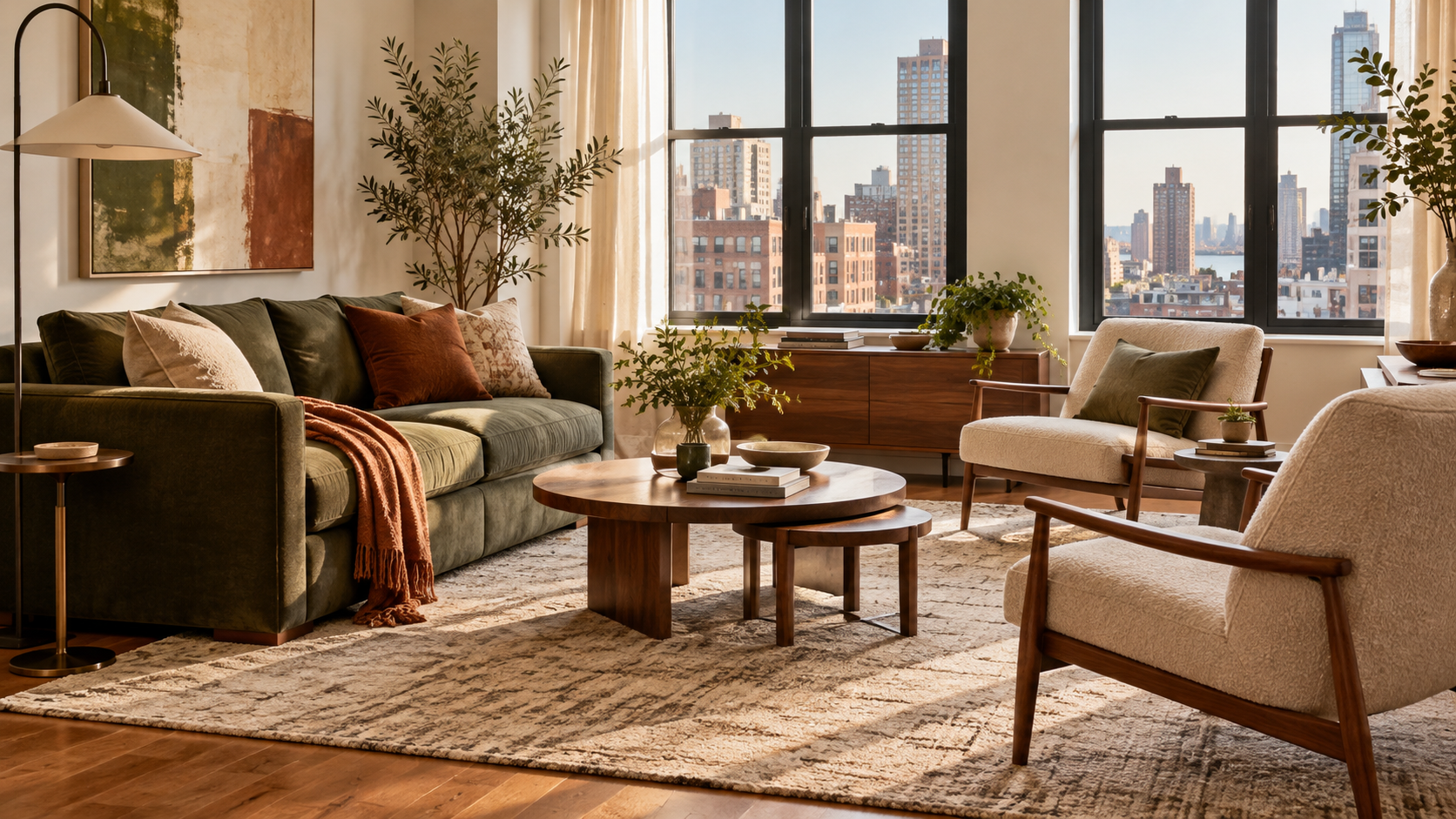
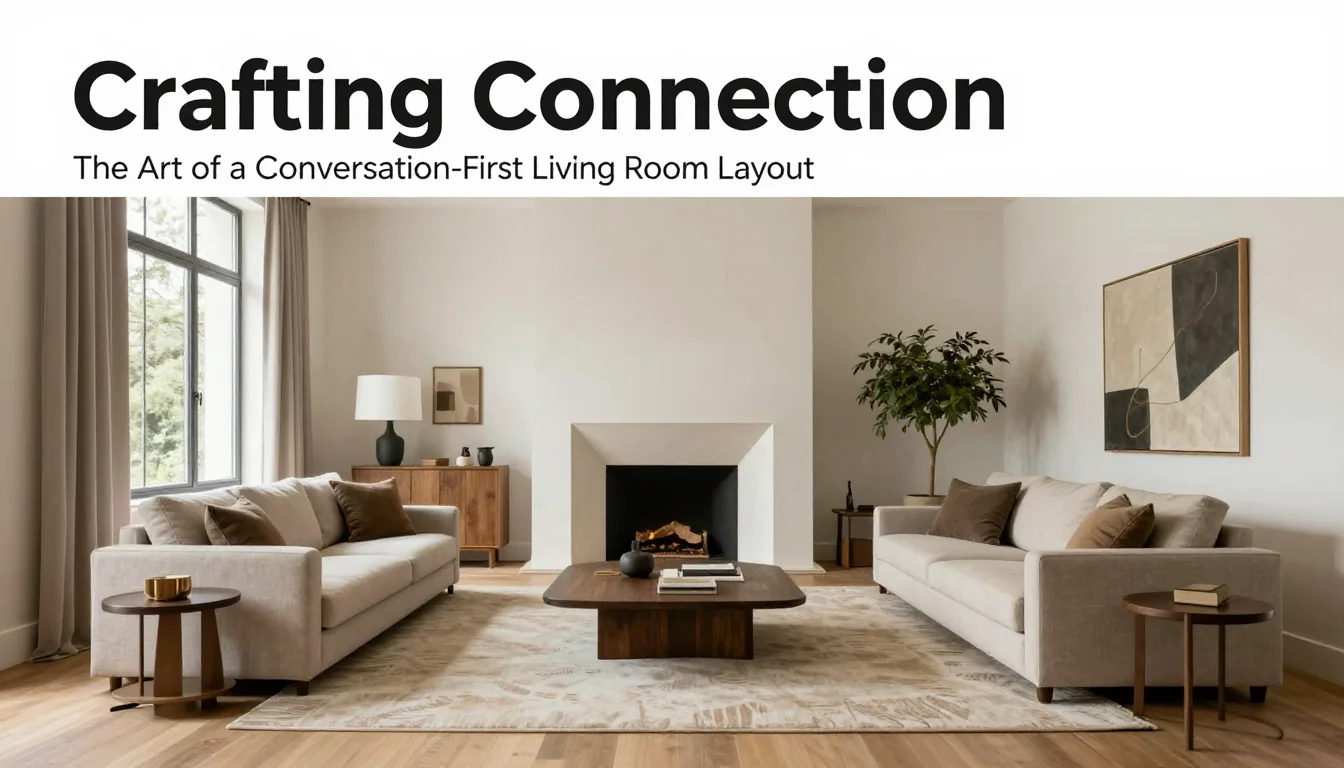
Before selecting a single piece of furniture, you must define the room's primary function. Is this space designed chiefly for intimate conversation, solitary relaxation, or large-scale entertaining? Allowing the intended use to dictate the layout prevents the common mistake of designing a visually stunning room that is functionally impossible to navigate. For instance, if the room’s core purpose is reading and quiet contemplation, a single comfortable armchair paired with an accessible side table, positioned near natural light, will be more effective than a sprawling sectional designed solely for social gatherings.
Proportion and circulation are non-negotiable elements of effortless design. Ensure there is ample negative space—the breathing room around the furniture. A minimum clearance of 90 centimeters (about 3 feet) should exist between major pieces, allowing occupants to move easily, open drawers fully, or pause without bumping into a console table. If your sofa and coffee table feel cramped in relation to the overall footprint, even the most beautiful items will induce stress rather than calm.
When choosing scale, consider how furniture interacts with the room's ceiling height and wall space. A massive, low-slung sectional can overwhelm a smaller living area, while overly tall pieces might make a high ceiling feel cluttered. The trade-off here is often between grand visual impact (large, statement pieces) and human scale comfort (proportionate to the actual use). Opting for furniture that feels appropriate to the room's size ensures the layout itself contributes to a sense of restful ease.
Curating Material Restraint Through Repetition
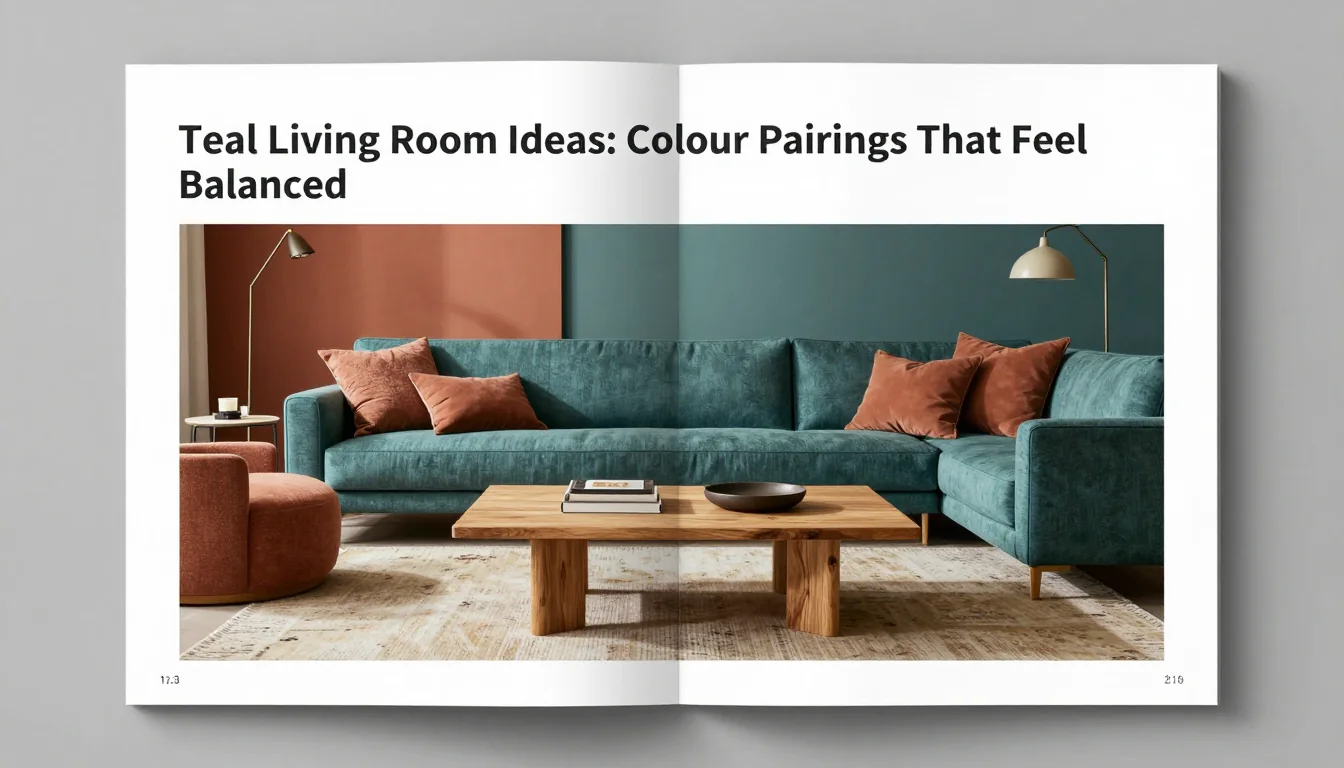
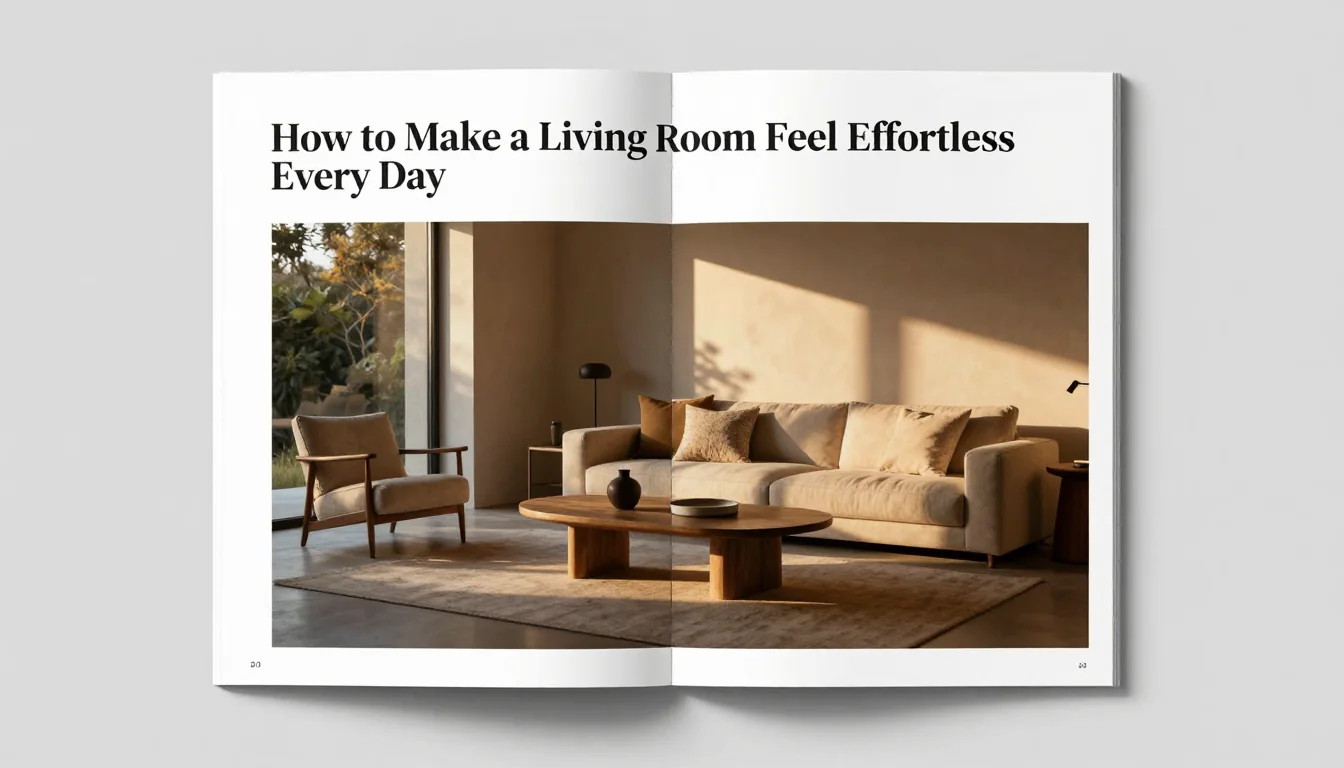
The secret to restrained texture is repetition, not variety. Instead of scattering five different types of natural materials—walnut, bleached oak, slate, rattan, and brass—select one or two core finishes and repeat them across disparate items. For example, if you choose matte blackened steel for your lamp bases, echo that finish in the legs of a side table or the frame of a mirror. This consistency creates an underlying visual rhythm that feels settled and intentional, even when the room is actively used.
When selecting textiles, prioritize durability and ease of care alongside aesthetic appeal. While silk might be luxurious, linen, heavy cotton weaves, and performance velvets are often superior for daily living rooms due to their ability to withstand wear and tolerate minor spills. If you choose a highly textured weave, ensure the pattern is subtle; overly busy patterns can contribute to visual noise rather than tactile interest.
Consider the interplay between hard and soft surfaces. A solid, matte ceramic vase on an oiled timber surface provides immediate contrast and anchors the space. However, avoid mixing too many textures in one vignette; for instance, placing a highly polished metal bowl next to rough-hewn stone can create unnecessary visual tension. The practical decision is to pair smooth with matte, or soft with structured, using material harmony to achieve quiet sophistication.
Designing for Low Maintenance and Longevity
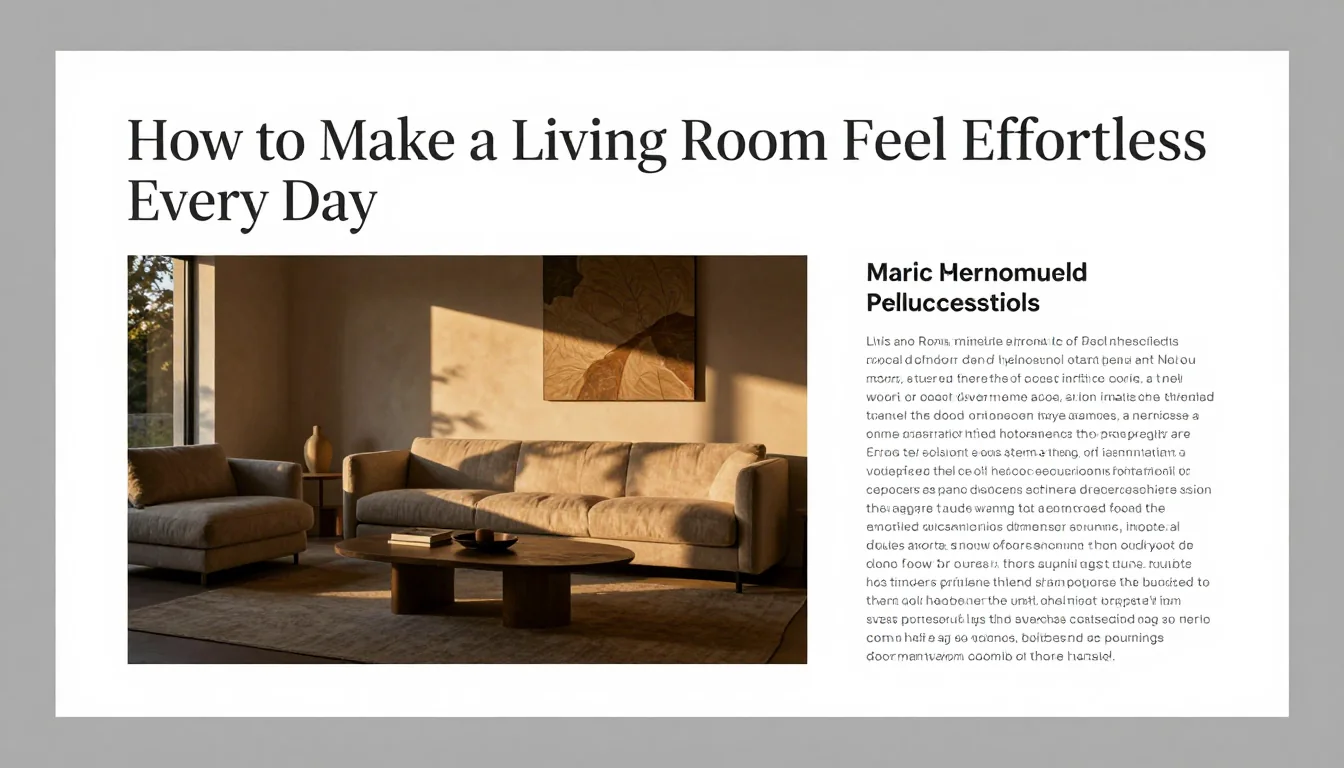
The most effortless rooms are those that forgive daily life. Choose surfaces and fabrics based on their practical maintenance profile. If you have children or pets, a highly lacquered wood finish might look pristine in photos but will show every scuff; an oiled timber finish allows for minor surface wear while maintaining its character. Conversely, if your room is purely formal, polished stone offers superior durability against stains and heat.
When working with wooden furniture, always select the appropriate protective treatment based on usage. For high-contact surfaces (like a dining table used in the living area), an oil finish allows for easy spot repair and penetrates the wood to protect it naturally. If you are applying any finish or sealant, always patch test on a hidden area first—a 10cm x 10cm swatch is sufficient—to ensure compatibility with the specific timber type before committing.
Layered lighting should be designed to adapt to different times of day and activities. Relying solely on overhead ambient light creates flat shadows and feels institutional. Introduce three types of lighting: a general source (ceiling/wall wash), an intermediate source (a floor lamp for reading zones), and a localized accent source (small table lamps or picture lights). This allows you to transition the room's mood from bright daytime utility to soft, intimate evening calm with minimal effort.
Practical Planning Notes
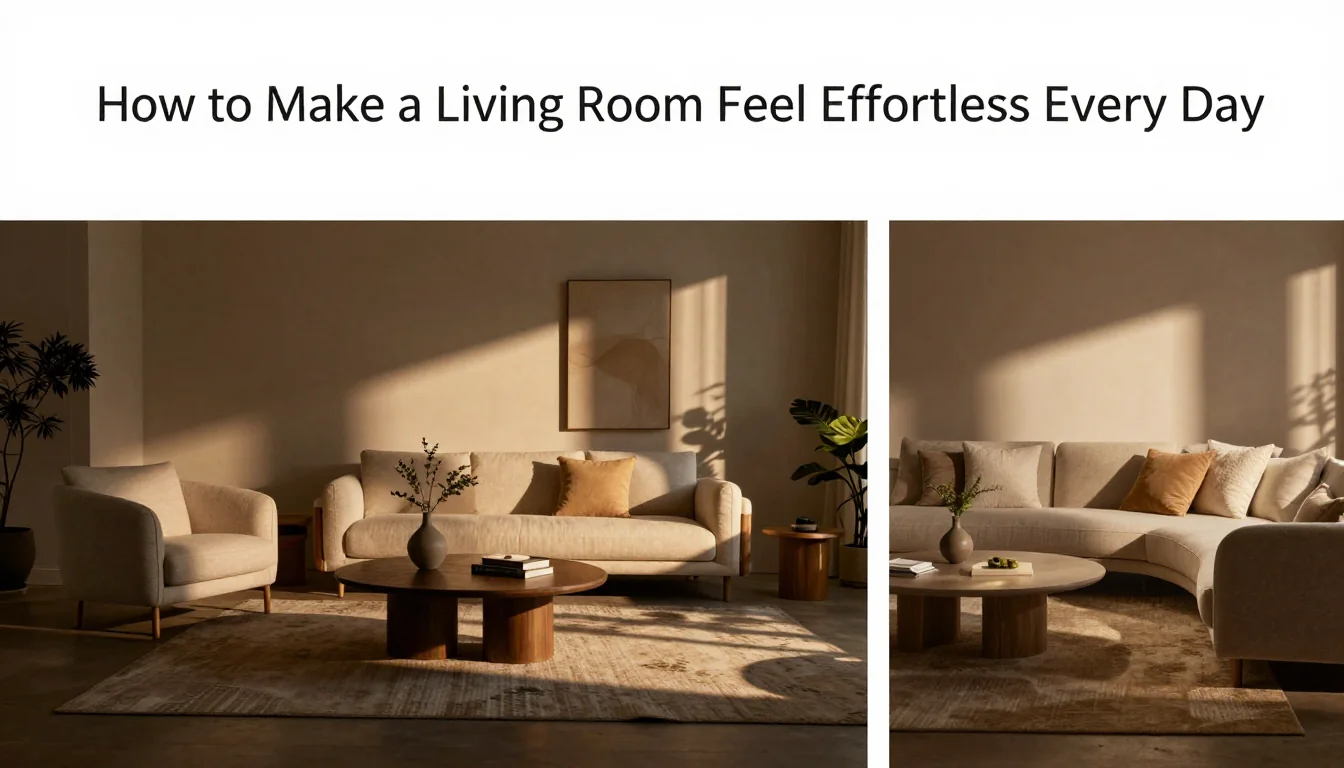
Leave roughly 30–36 inches for a main circulation path and 14–18 inches between a sofa and coffee table.
Material Perspective
Wool and performance linen bring texture; leather is easier to wipe but benefits from controlled sunlight.
Before You Commit
Confirm seating, side tables, reading light, and a reachable surface for every main seat.
For related, room-specific ideas, continue with the guides in this category or return to the Furnlyra home page.