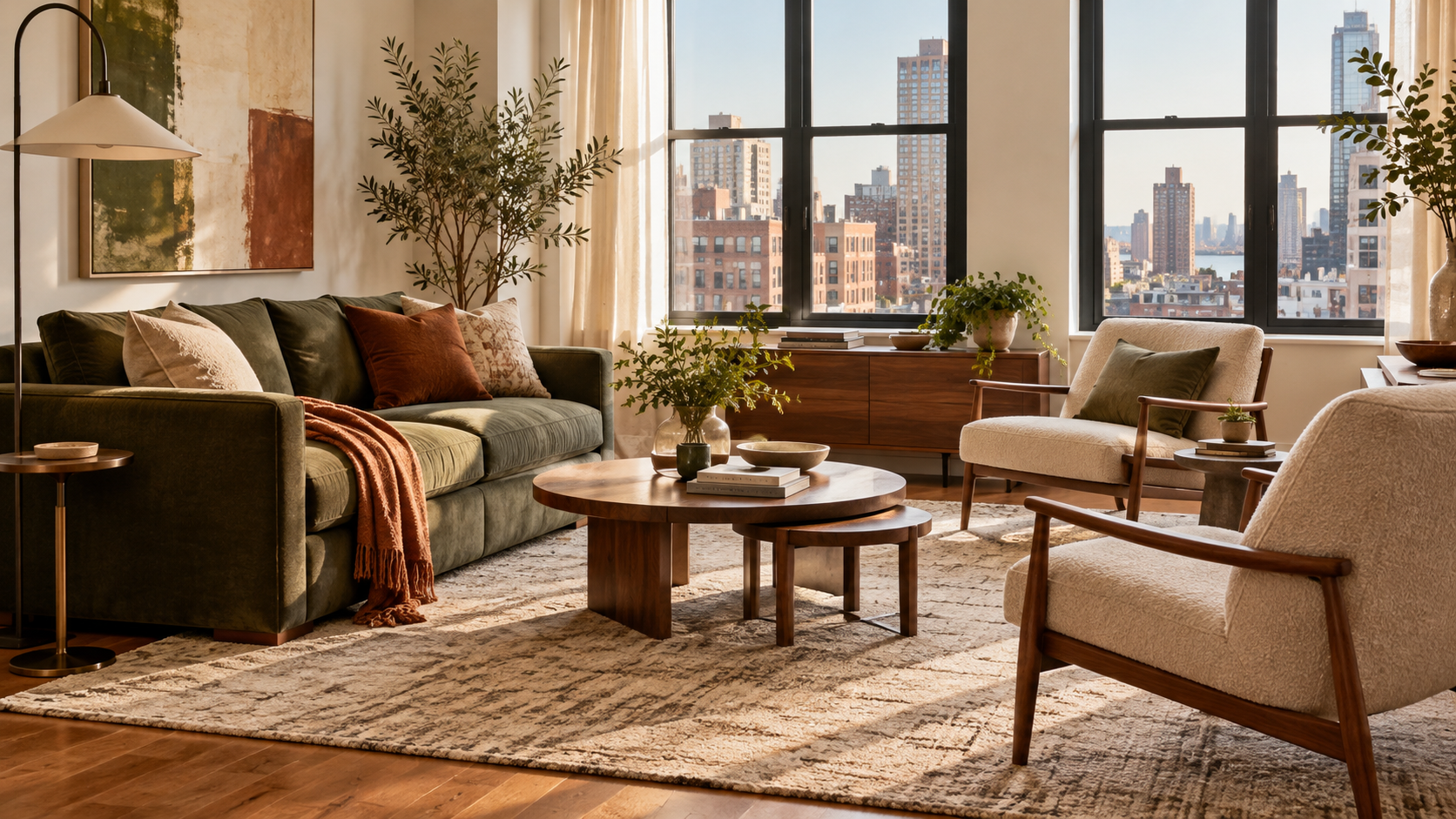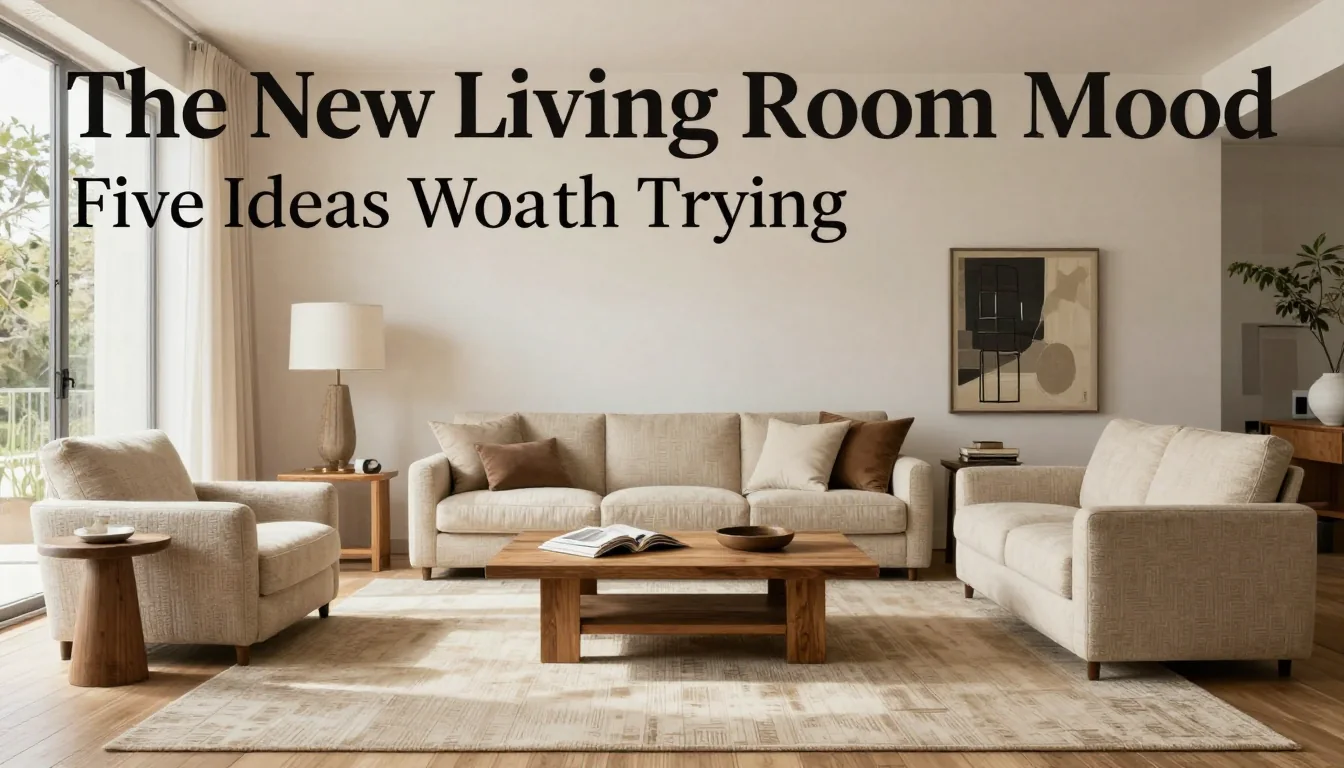
The most successful interiors are not those that look perfect in a staged photograph, but those that function effortlessly within the rhythm of daily life. A well-considered living room is defined by its capacity for ease—a space that supports conversation, encourages rest, and feels inherently settled through careful material choices. Instead of chasing fleeting trends, this guide focuses on foundational decisions: how proportion dictates comfort, how texture builds warmth without clutter, and how durability ensures the design lasts as your life evolves.
Prioritizing Flow: Practical Layout Decisions
Before selecting a single piece of furniture, map out the room’s intended function. Does this space primarily need to facilitate intimate conversation between two people, or is it designed for hosting large groups? The answer dictates the fundamental arrangement. Crucially, maintain generous pathways; aim for a minimum clear walkway of 90 centimeters (3 feet) through the main thoroughfare. This ensures that movement feels natural and unhindered, preventing the room from feeling cramped even if the furniture itself is appropriately scaled.
Proportion matters more than excess when establishing flow. Resist the urge to fill every available corner with large-scale pieces. If you are working within a narrower space (for example, a living room less than 4 meters wide), opt for lower profile seating and avoid overly deep sofas that eat into the walking area. A common mistake is choosing furniture based solely on aesthetic appeal; instead, measure how much breathing room each piece requires when pulled out or opened—a coffee table with pull-out trays, for instance, needs space to operate.
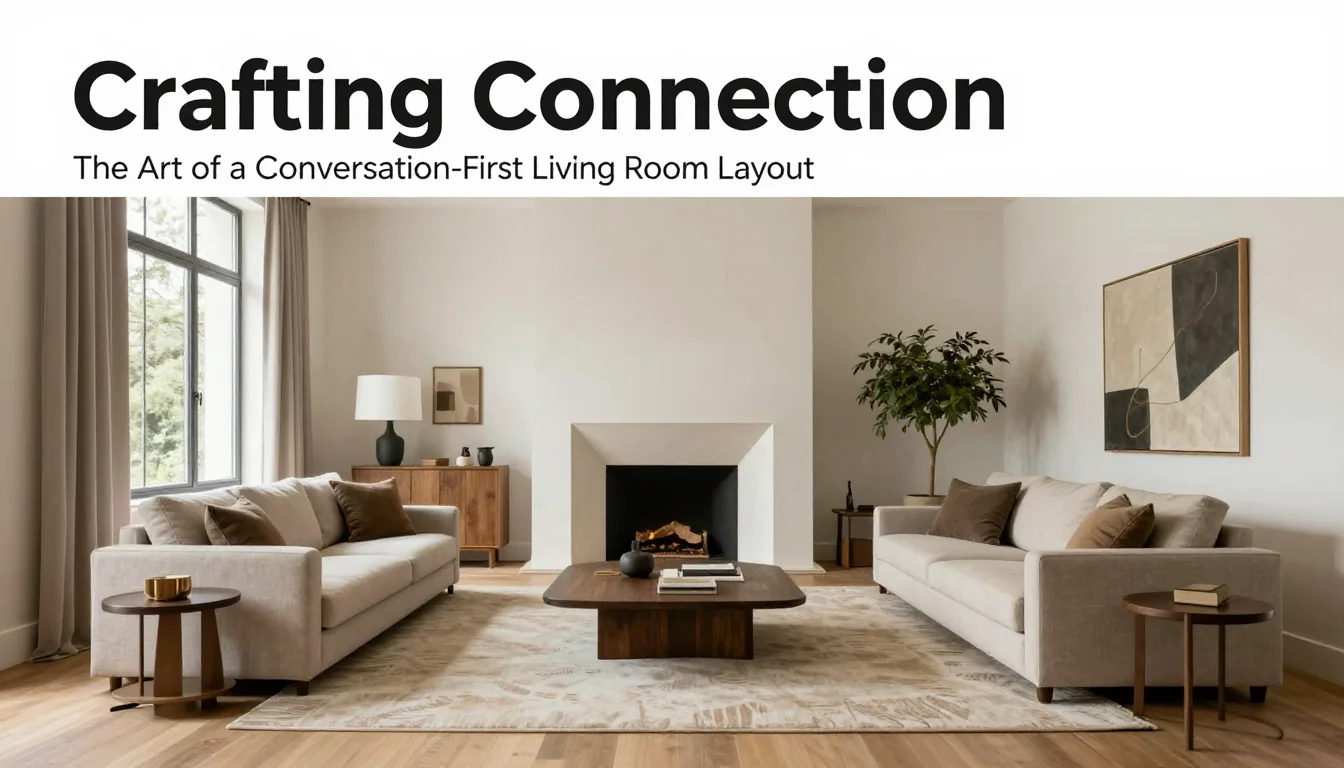
Define the focal point early in the design process. This might be a fireplace, a large window offering natural light, or simply the direction of conversation between two main seating pieces. By anchoring the room around this single element, you give the eye a restful place and establish a logical hierarchy for placement. If the focus is conversational, ensure seating faces each other rather than uniformly toward a television wall; if it's media-centric, use flanking side tables to balance the visual weight of the entertainment unit.
The Art of Restraint: Layering Texture and Material
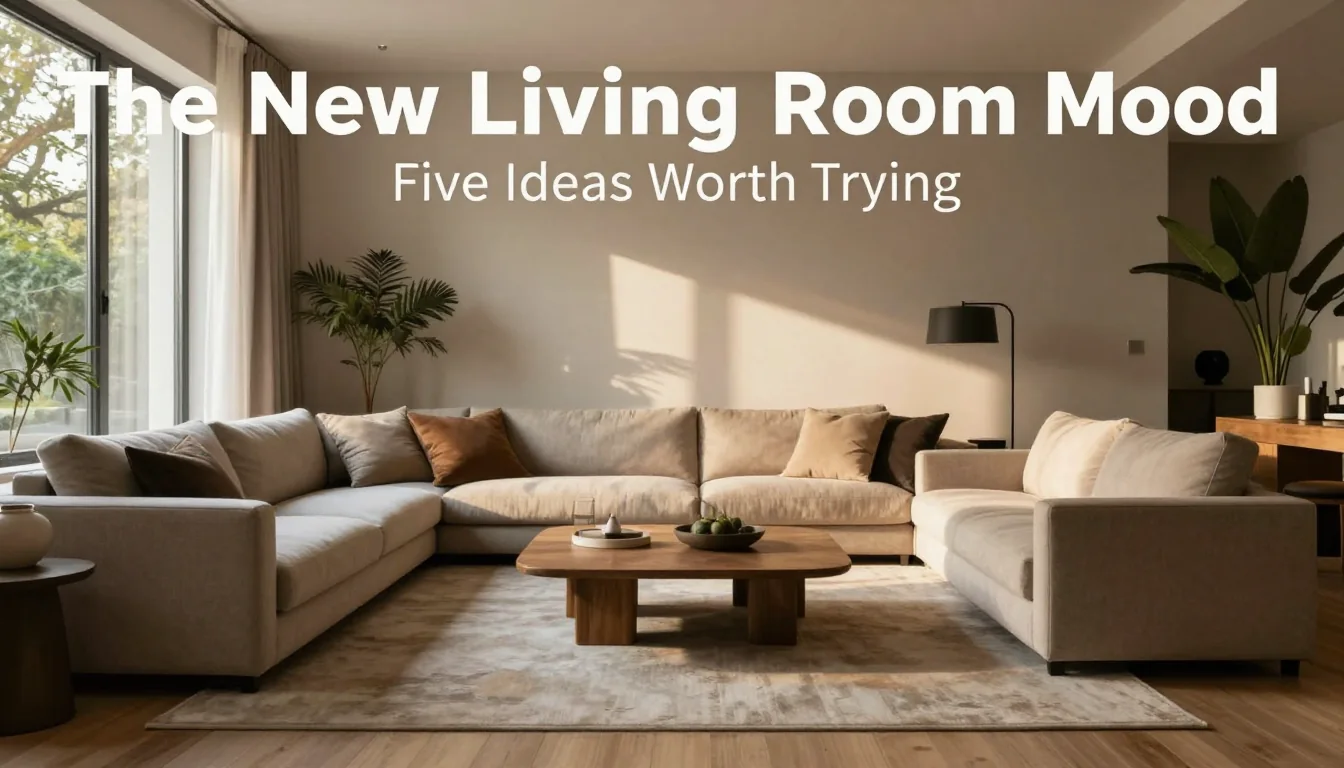
Depth is achieved through texture, not pattern. Instead of collecting many small decorative items, focus on repeating one or two tactile finishes throughout the room—for example, a matte ceramic glaze paired with woven jute fiber. This repetition creates visual rhythm, making the space feel cohesive and intentional rather than haphazardly decorated. Introduce natural materials like linen upholstery, raw timber accents, and stone surfaces; these elements soften the harshness of modern lines while adding inherent character.
When incorporating wood furniture, be highly specific about maintenance to ensure longevity. If you select a piece with an oiled finish (such as certain walnut or ash), use specialized neutral oil conditioners designed for that type of finish. Never mix different cleaning agents; always perform a small patch test on an inconspicuous area first to confirm the product does not alter the color or sheen. High-gloss varnishes are beautiful but tend to highlight every smudge and scratch, making them less forgiving than matte or oiled surfaces.
Use textiles—rugs, throws, cushions—to ground and define functional zones within a larger room. A large area rug (consider dimensions like 200cm x 300cm for a primary seating arrangement) should anchor the main furniture pieces; ideally, at least the front two legs of all major seating should rest on the rug. This subtle act transforms scattered pieces into a unified gathering space. The trade-off here is investment: while smaller rugs are cheaper, they can make the entire room feel disjointed and unstable.
Durability and Illumination for Everyday Life
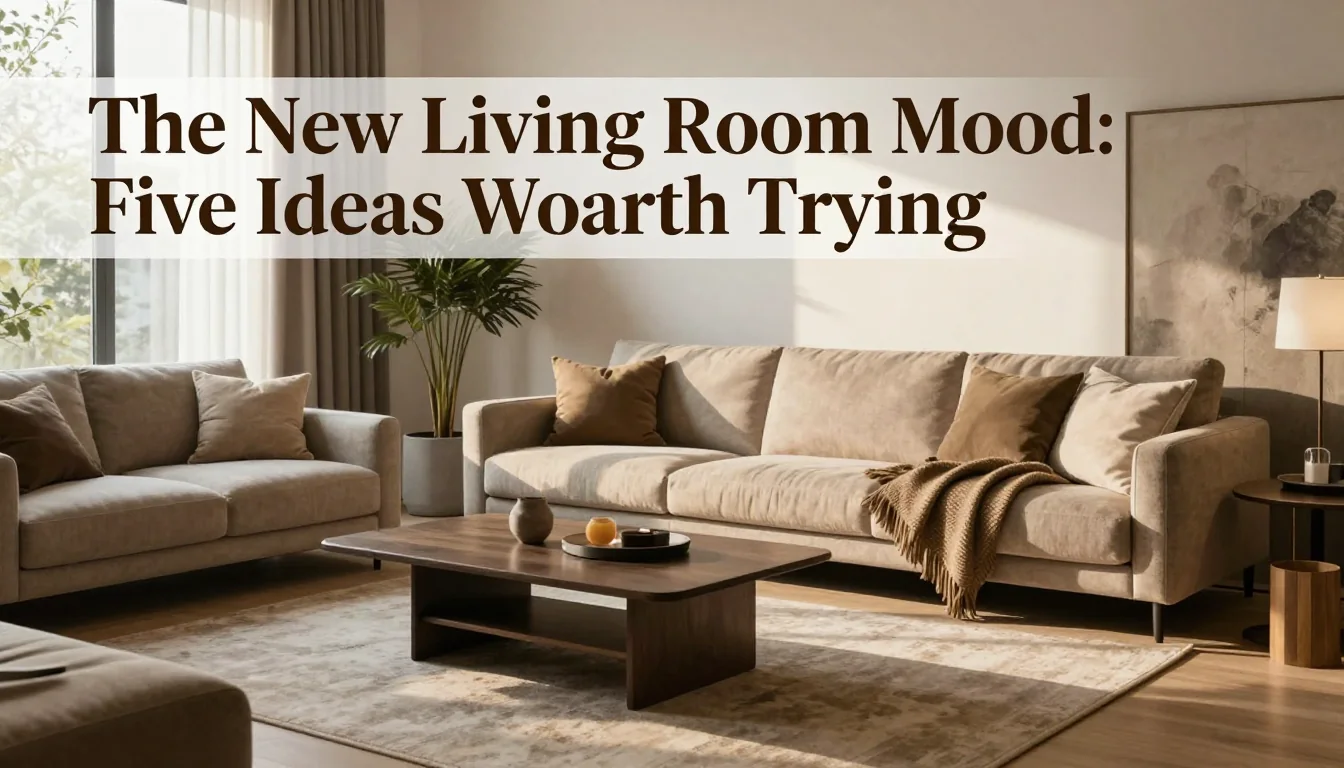
The materials you choose must withstand real life. If your living room is a high-traffic area or if children and pets are present, prioritize performance fabrics over delicate silks. Look for tightly woven wool blends or durable synthetics that offer stain resistance and easy cleanability. For wooden surfaces where spills are frequent, ensure the finish is sealed appropriately to resist moisture penetration. Choosing pieces designed for resilience means you are investing in a design that works with your life, not against it.
Lighting should be layered, never singular. Relying on one overhead fixture creates flat illumination and casts harsh shadows. Instead, build three layers of light: ambient (general room glow from ceiling fixtures), task (a reading lamp next to an armchair or desk), and accent (small table lamps placed strategically to highlight texture or artwork). Varying the height of your light sources—from floor lamps at 150cm down to small bedside lamps at 50cm—adds visual dimension and a sense of depth.
Consider how the room feels throughout the day. Natural light is transformative; position seating areas where they can benefit from daylight, but ensure that tall plants or furniture do not completely block necessary light sources. In terms of care, always use coasters on hard surfaces to protect against temperature shock from drinks, and avoid placing extremely delicate items near drafty windows. By selecting materials that are forgiving and employing thoughtful lighting schemes, you elevate daily habits into moments of calm.
Practical Planning Notes
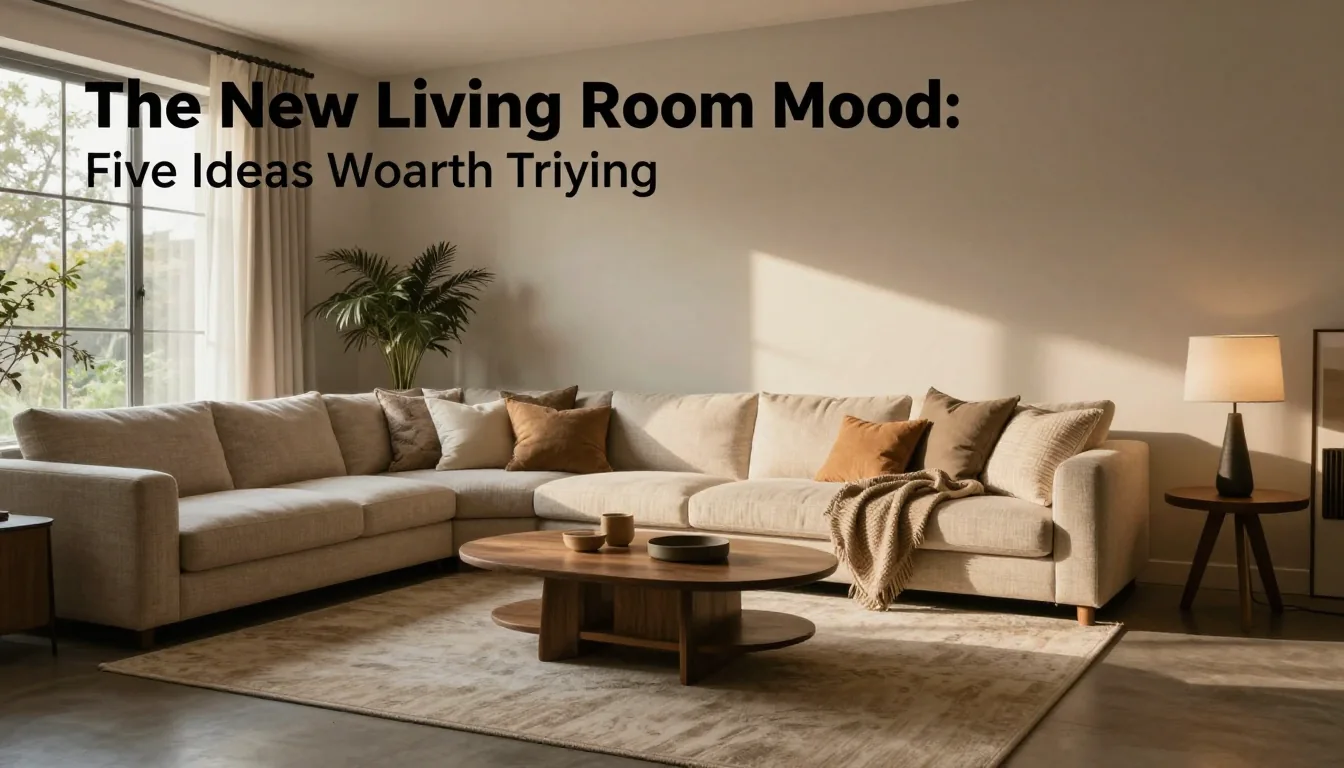
Leave roughly 30–36 inches for a main circulation path and 14–18 inches between a sofa and coffee table.
Material Perspective
Wool and performance linen bring texture; leather is easier to wipe but benefits from controlled sunlight.
Before You Commit
Confirm seating, side tables, reading light, and a reachable surface for every main seat.
For related, room-specific ideas, continue with the guides in this category or return to the Furnlyra home page.