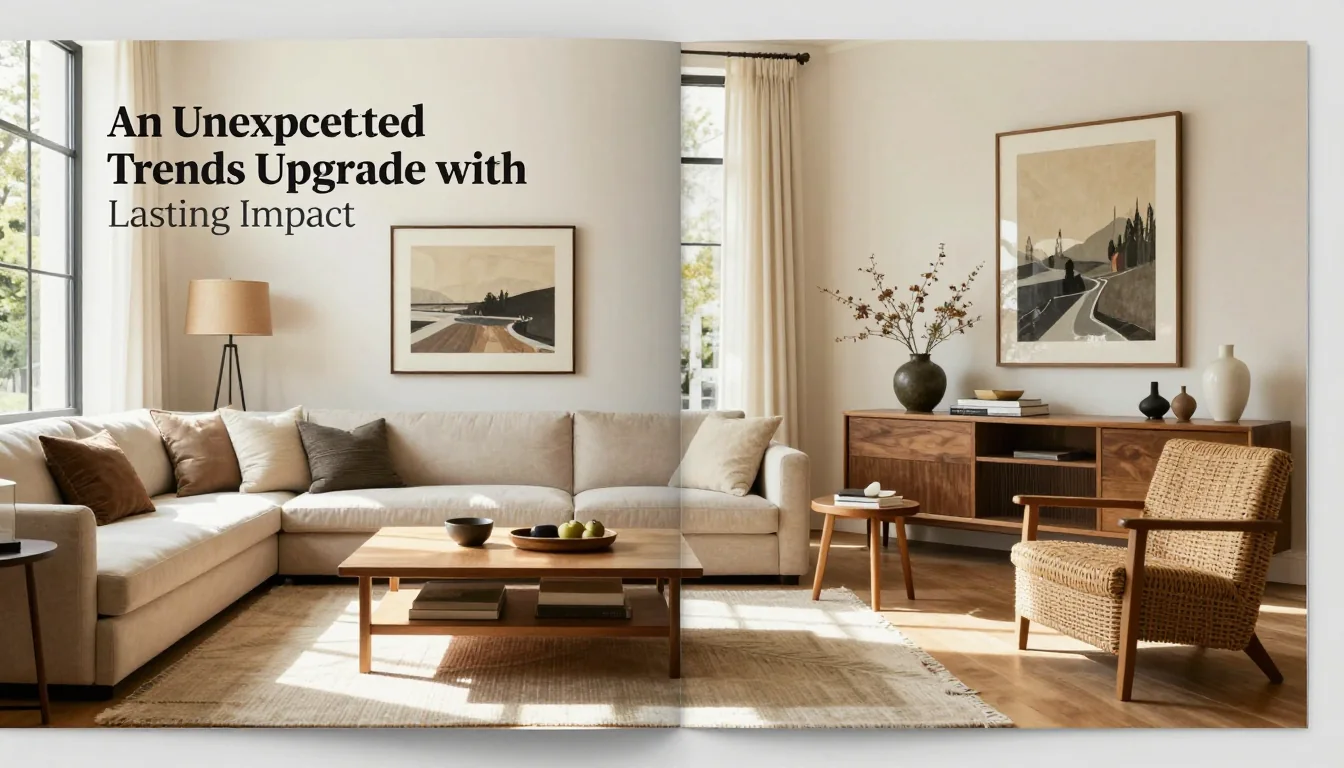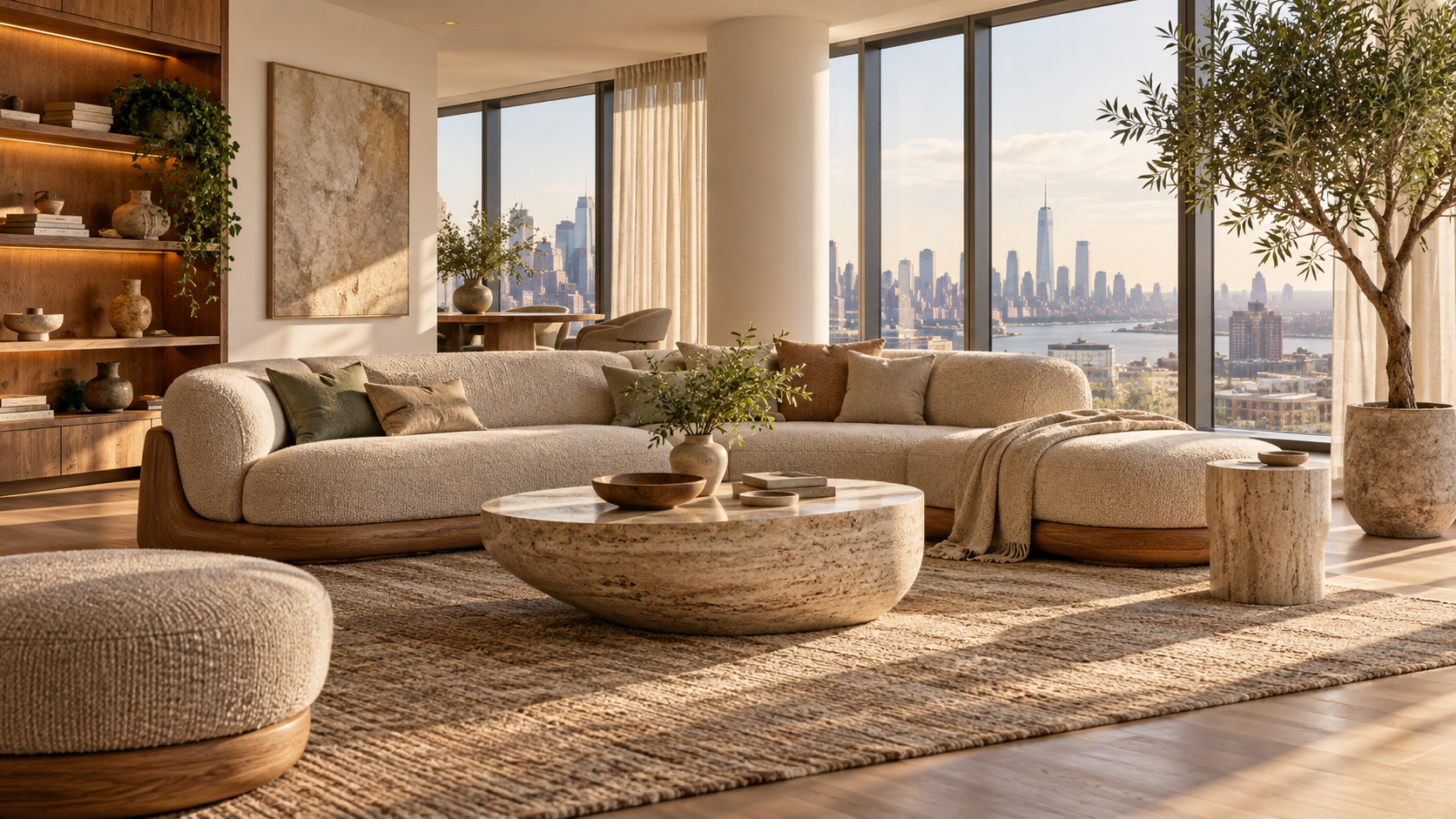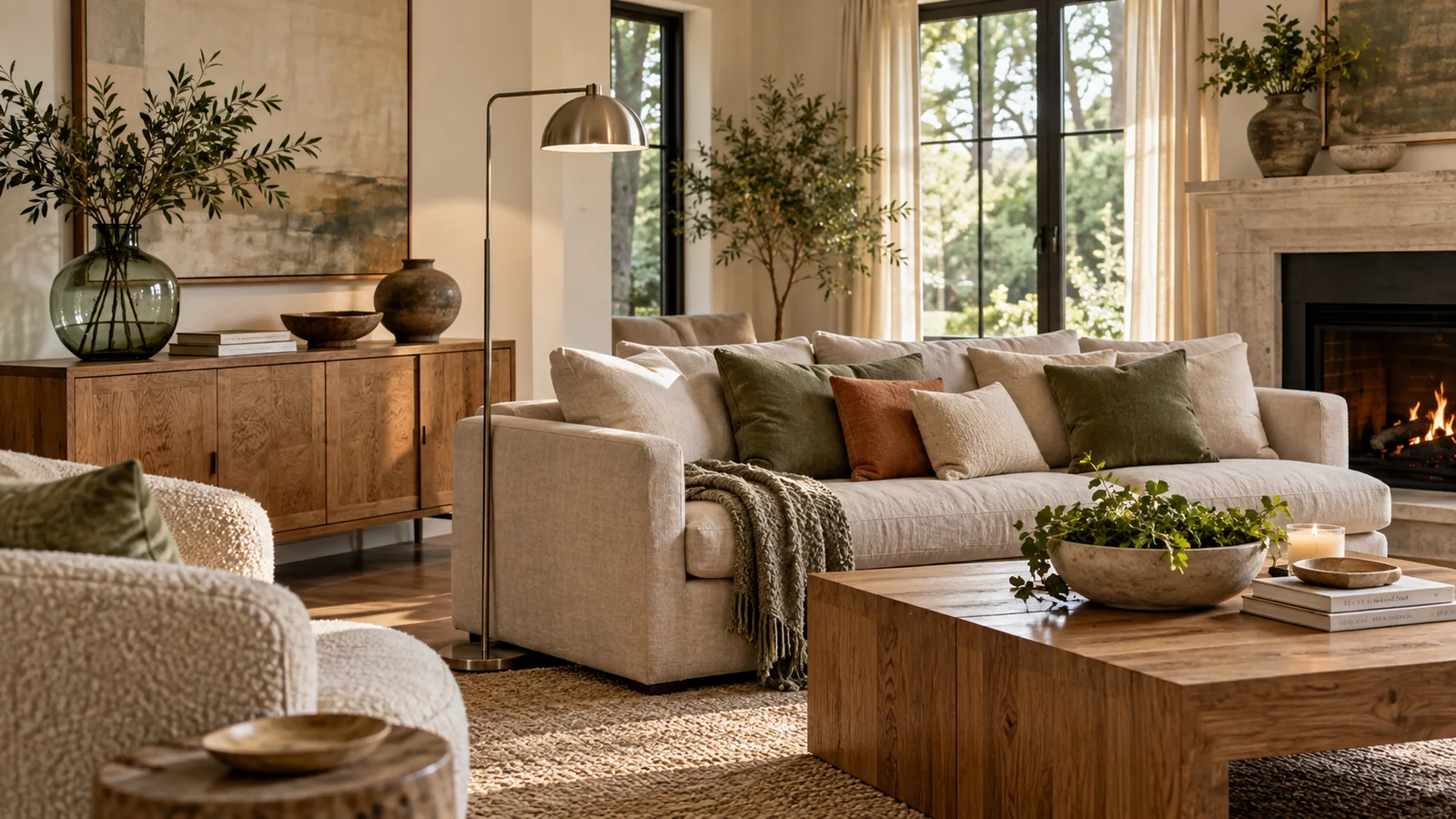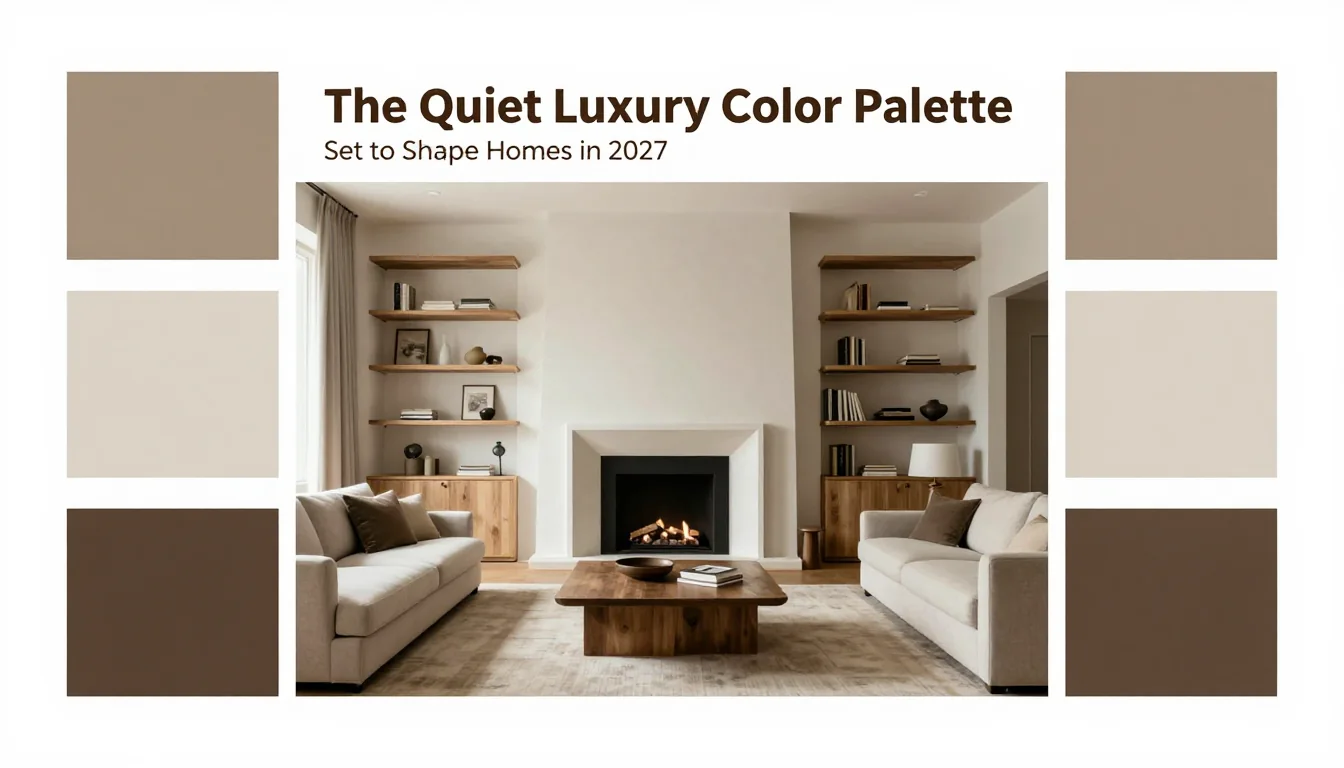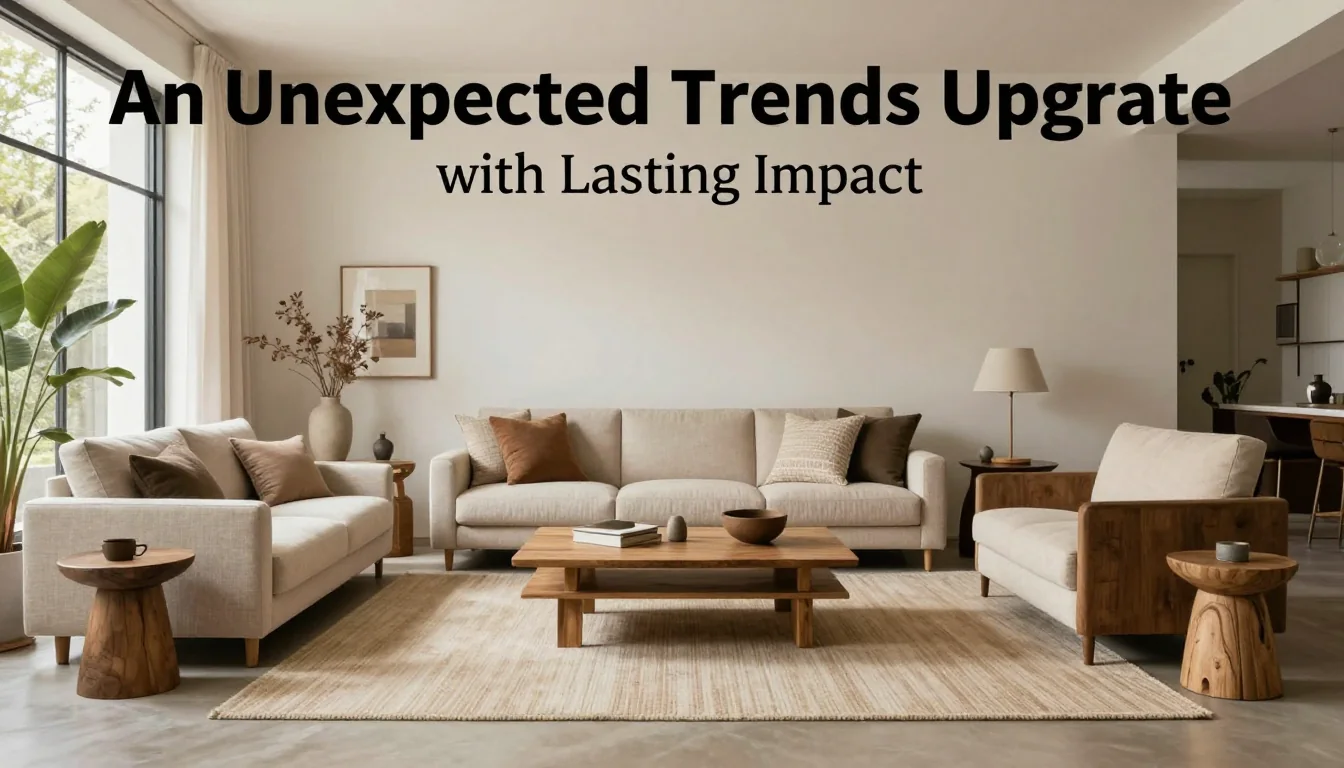
The most successful interior spaces are not curated displays; they are functional ecosystems designed to accommodate daily routines. Rather than chasing the latest visual trend, enduring design starts with a practical inventory of your space's needs—where do you pause? What items do you reach for constantly? By grounding your decisions in genuine utility and optimizing flow before considering aesthetic layers, you build an environment that feels lived-in, calm, and inherently personal. This guide outlines how to elevate everyday living through considered scale, resilient materiality, and thoughtful refinement.
Establishing Flow: Proportion as the Foundation
The first critical step in any interior upgrade is defining necessary function. Before selecting a sofa or a piece of art, map out how people move through the room. Adequate circulation space—ideally maintaining pathways of at least 90 to 120 cm (36–48 inches)—is non-negotiable. This allowance permits effortless movement, allows drawers and cabinet doors to open fully without collision, and ensures that a person can pause beside a surface or chair without feeling confined or negotiating around furniture. A simple, unhindered layout provides the eye with rest and establishes a quiet rhythm for the entire space.
Scale is often misunderstood as simply size; in reality, it relates to how pieces interact within the room's volume. Oversized items in small rooms feel oppressive, while overly diminutive furnishings in large spaces look lost. When selecting anchor pieces—like dining tables or credenzas—ensure their height and visual weight are proportionate to ceiling height and adjacent vertical elements. A common mistake is prioritizing a dramatic silhouette over functional scale; for example, choosing an unnecessarily deep sectional when the room only allows 80 cm of clearance behind it will negate all aesthetic gains.
Trade-offs often occur between maximum storage capacity and open visual space. While deep cabinetry maximizes utility, excessive bulk can weigh down a room and impede flow. A balanced approach involves utilizing verticality rather than horizontal mass. Consider built-in shelving that extends toward the ceiling to provide substantial storage without consuming valuable floor area. This strategy maintains an airy feel while ensuring functional necessities are tucked neatly out of sight.
Resilient Materiality: Layering with Intent
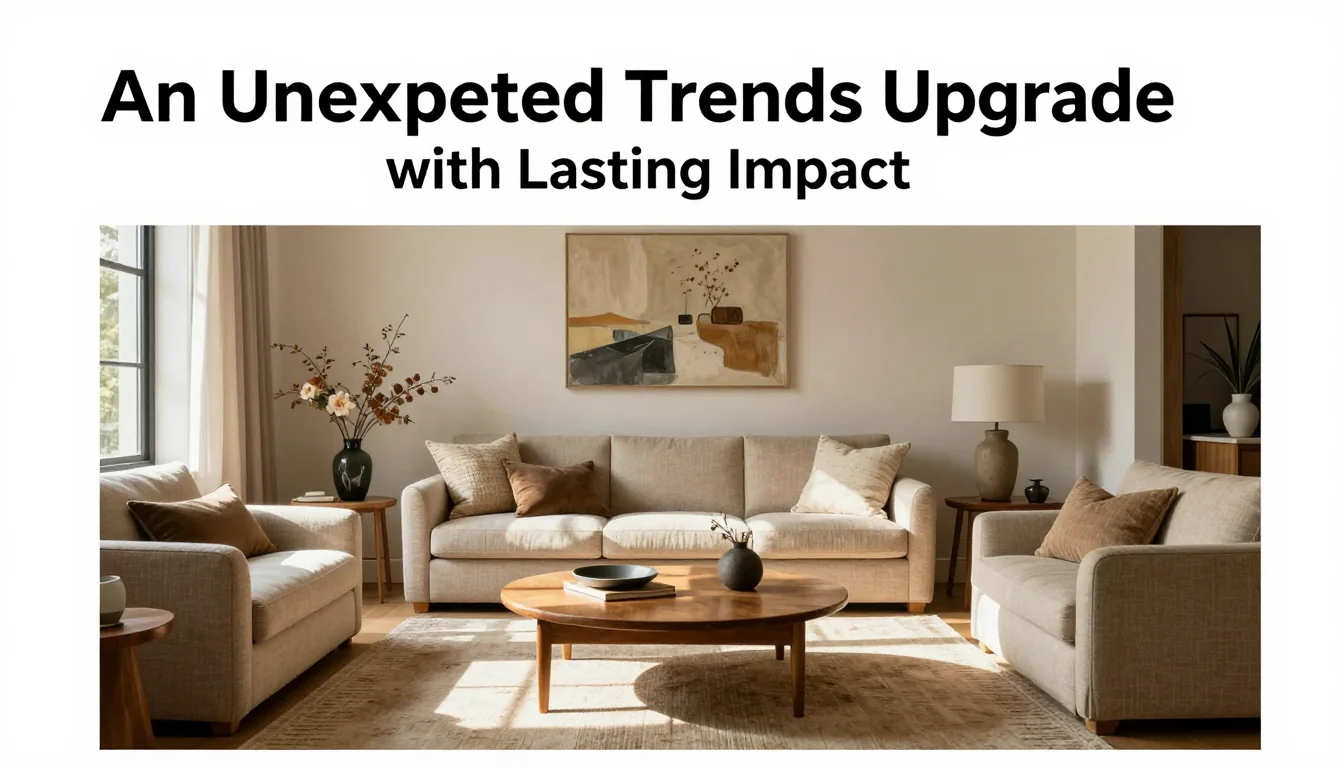
Material selection is where character settles, but restraint is key. Instead of scattering many different textures, select one or two primary tactile finishes—such as matte ceramic, soft-brushed metal, or natural linen—and repeat them throughout the space to create visual cohesion. For instance, pairing a light oak surface with subtle brass hardware and repeating the same brushed finish on cabinet pulls and lamp accents provides depth without chaos. This repetition creates a sense of settled permanence, making the room feel intentional rather than merely decorated.
When selecting natural wood pieces, consider the grain structure relative to its function. Rift-sawn oak offers a more consistent, subtle appearance suitable for high-touch surfaces like dining tables or tabletops, while quartersawn timber provides greater character and variation, often lending itself well to feature panels or sideboards. If you are working with sealed finishes (polyurethane or lacquer), remember that maintenance requires careful attention; always patch test in an inconspicuous area first, especially if the finish is highly pigmented or has a unique texture.
For woven elements and textiles, focus on density and hand-feel over pattern complexity. A heavy linen (e.g., 200 GSM) offers substantial drape and durability compared to lightweight weaves, making it ideal for upholstery that will see daily use. Similarly, opt for matte finishes on ceramics or stone rather than high gloss; these surfaces hide minor marks better and feel calmer under ambient light. The trade-off here is texture versus visual drama—choosing a quiet, repetitive weave ensures the focus remains on form and function.
Refinement: Light, Detail, and Longevity
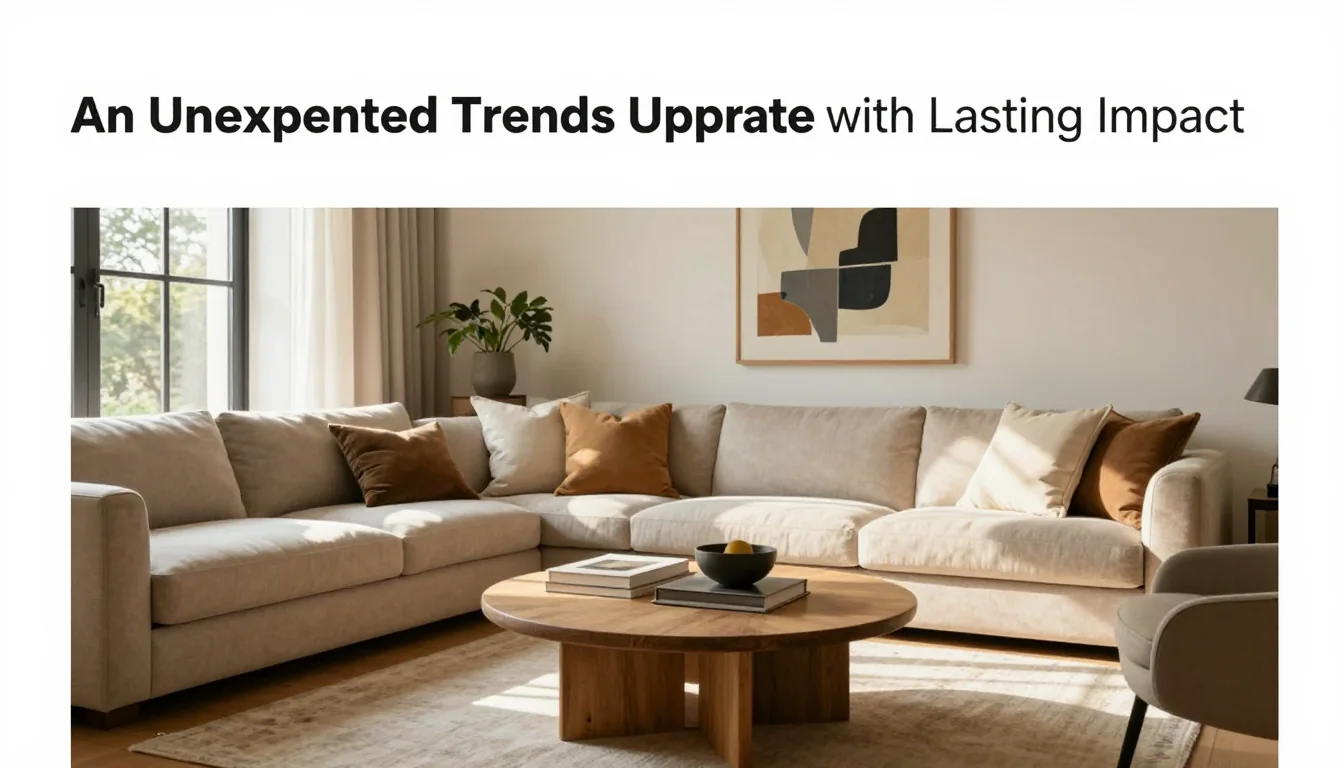
Attention to light must be architectural. Instead of relying solely on overhead ambient lighting, layer illumination using task lamps, floor fixtures, and accent lighting that highlights specific textures or pieces of art. This layering allows the room's mood to shift naturally throughout the day—bright and functional in the morning, warm and intimate in the evening. Strategic placement can also soften the perceived scale of furniture; uplighting on a tall cabinet, for example, draws the eye upward, enhancing verticality.
Longevity is tied directly to maintenance practices. For untreated or oiled woods (such as walnut finished with hard wax oil), cleaning requires gentle wiping with a damp cloth only, followed by occasional re-oiling every 12–18 months to maintain the protective barrier. Never use abrasive cleaners or excessive water on these finishes. If using a sealed lacquer finish, spot clean spills immediately with a mild, pH-neutral soap solution and dry thoroughly; never allow moisture to pool on the surface.
The final details should support real life without adding visual burden. This includes choosing durable textiles for high-wear areas (like area rugs) that can withstand foot traffic while maintaining their texture. Instead of collecting numerous decorative objects, select a few pieces with inherent quality and narrative value—a heavy ceramic vessel or a beautifully crafted wooden bowl. These singular, well-chosen items anchor the design, ensuring that even the smallest elements contribute to the room's overarching sense of calm and resilience.