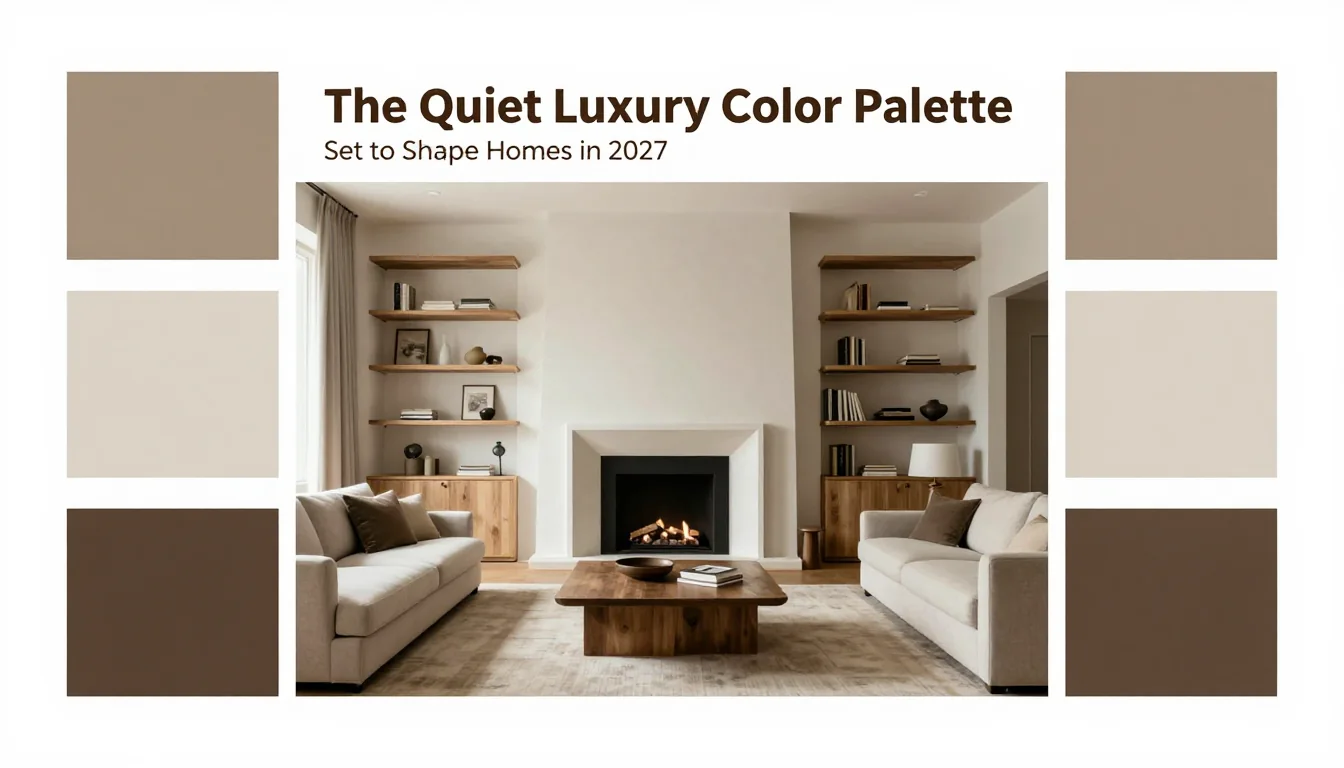
In interior design, the most useful updates are rarely the most dramatic ones. A home feels current when the details work together: the light is warm enough to stay in the room, the textures have depth, and the objects you touch every day feel chosen rather than temporary. For 2027, the strongest direction is not replacement for its own sake. It is a slower, more personal approach to making an existing home feel better.
This guide focuses on the changes that carry the most visual weight without turning a room into a renovation project. Use it as a filter: add fewer things, choose materials that age well, and make each new piece solve a real need.
Start With Texture Before You Change Furniture
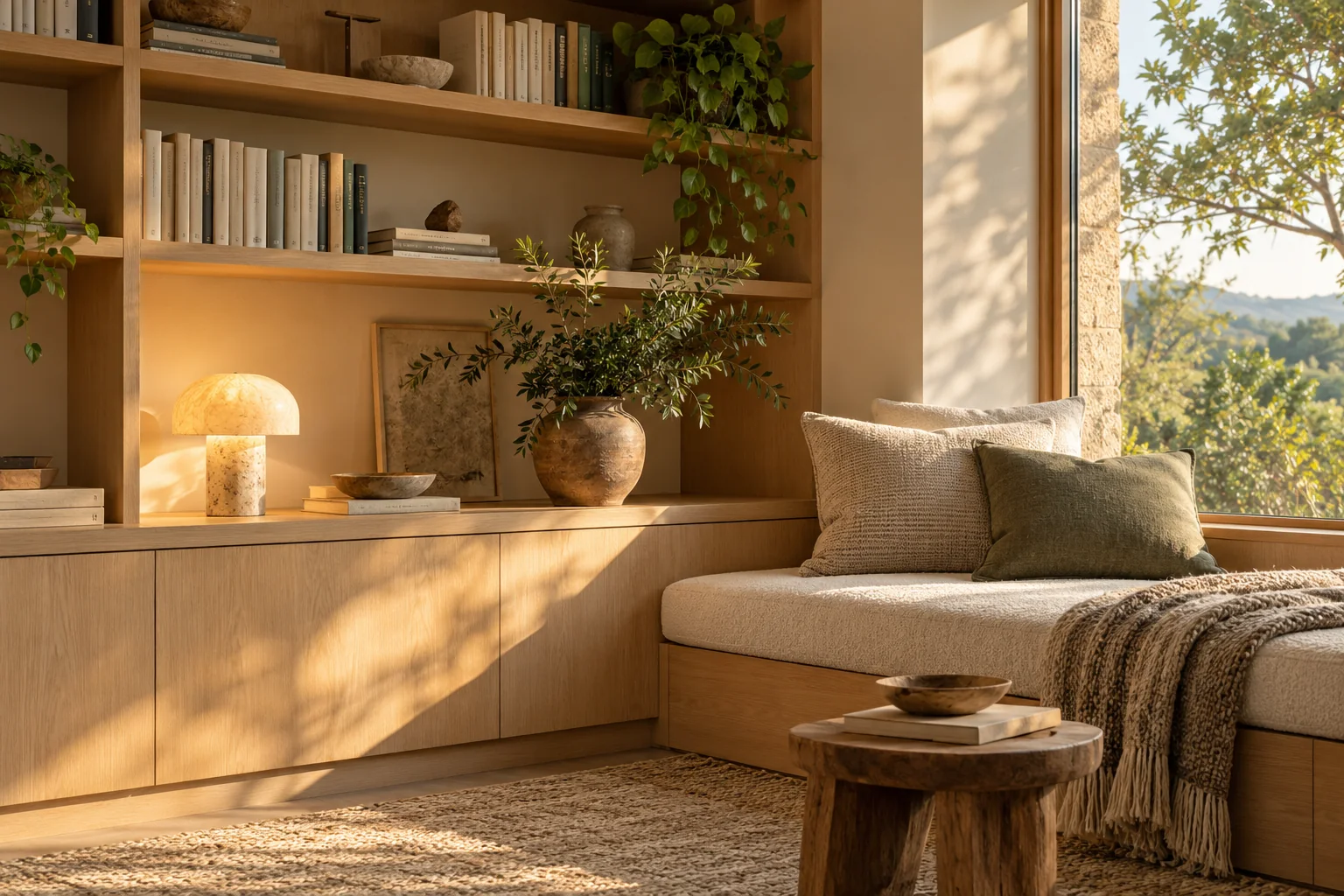
Textiles are the least disruptive way to shift a room, and they are where the 2027 palette becomes most convincing. Replace one synthetic throw with a heavy linen, brushed cotton, recycled wool, or a washable wool blend. In a living room, two 20-by-20-inch cushions and one 50-by-70-inch throw can change the reading of a neutral sofa more than a new side table can.
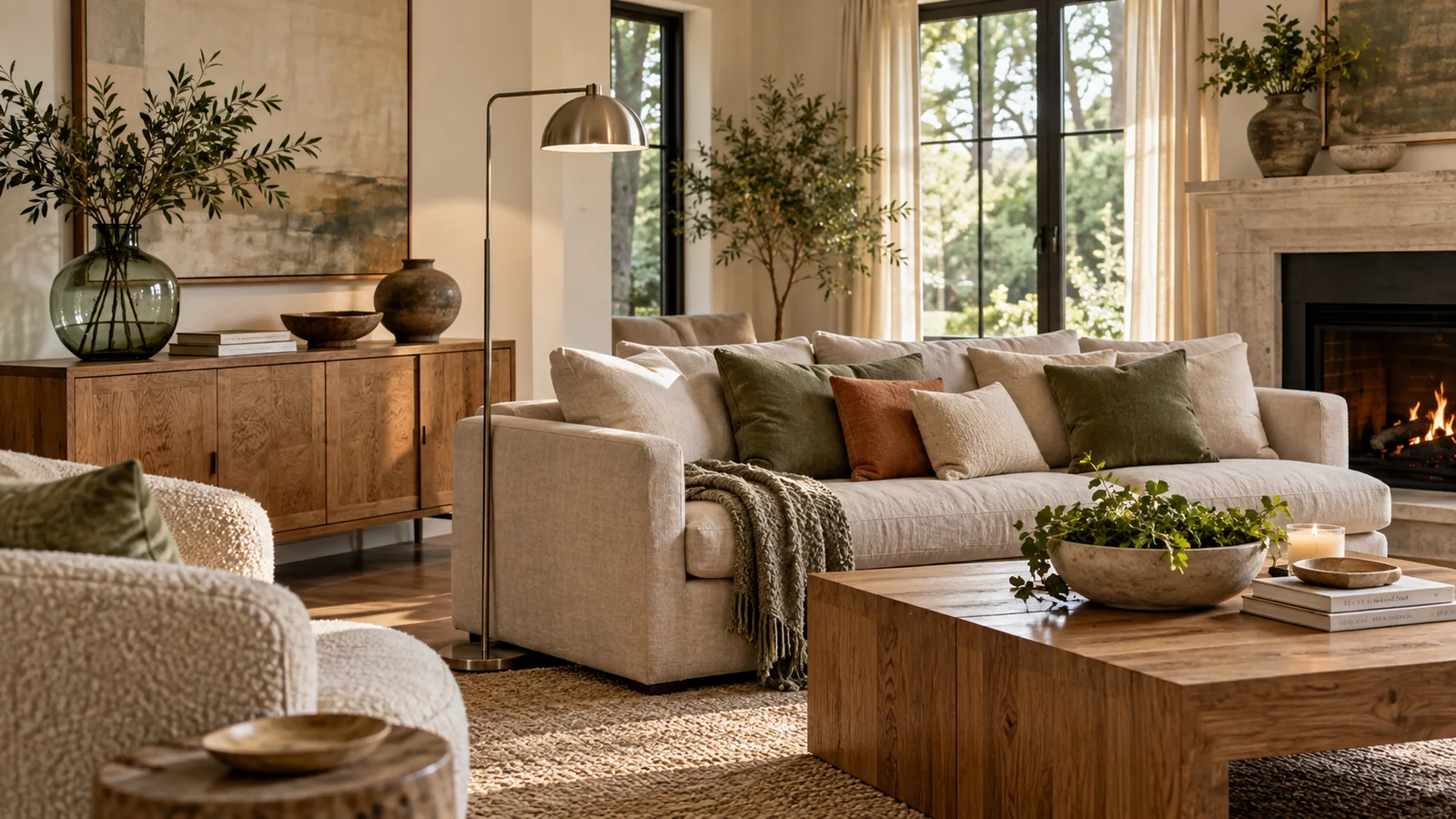
Choose contrast in texture rather than contrast in color. A cream linen cushion beside a deep olive boucle pillow creates interest without making the room busy. If you are deciding between acrylic and wool, acrylic is usually less expensive and easier to wash, while wool has a richer hand, regulates temperature, and looks less flat in natural daylight. For curtains, hang the rod 4 to 6 inches above the window frame and let panels just touch the floor; that small placement change makes the architecture feel more intentional.
Quick check: keep one established large item, add one natural textile, and remove one decorative item that is not useful or beautiful. The room should feel calmer after the edit, not simply fuller.
Upgrade Everyday Surfaces and Hardware
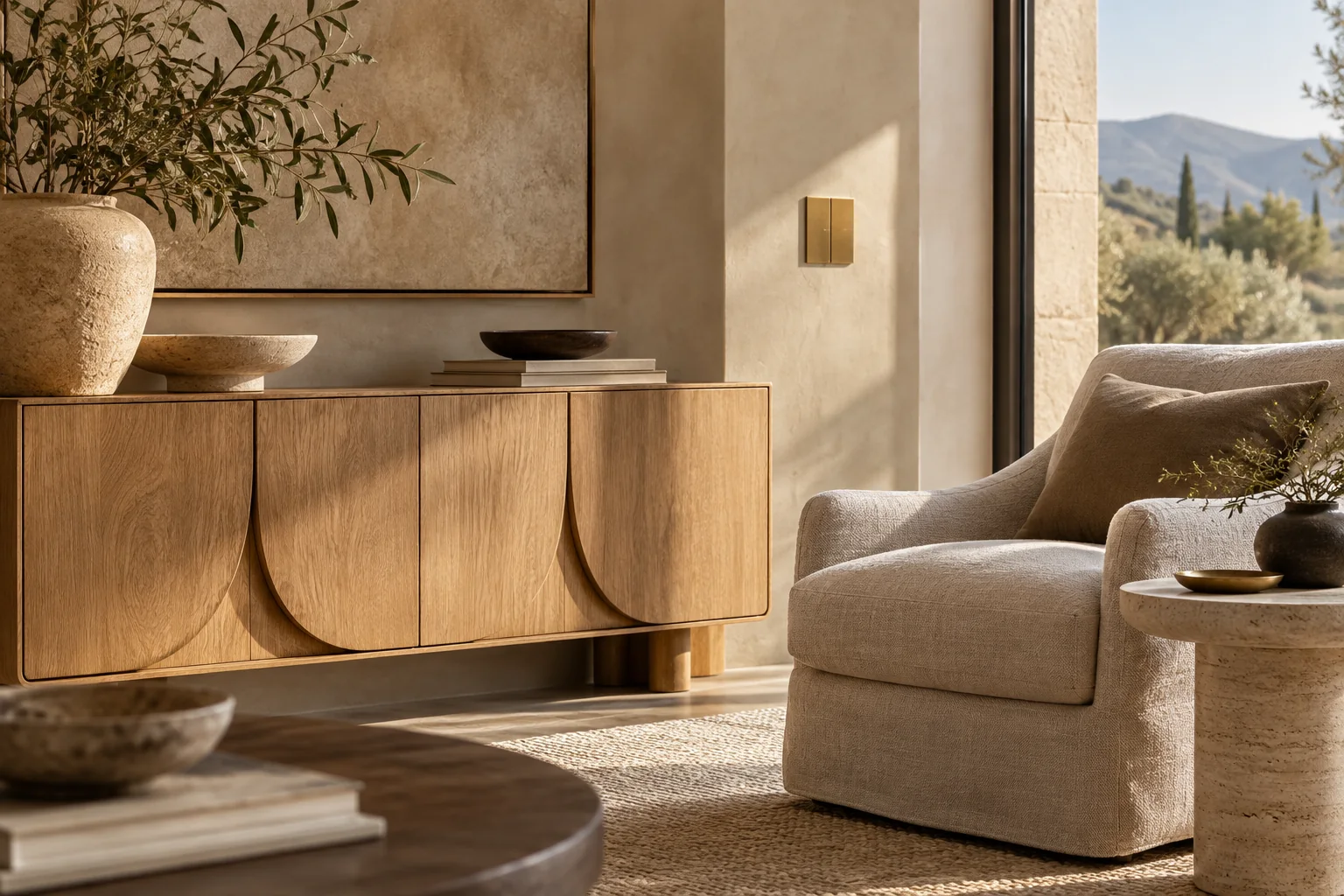
Quiet luxury is most visible in the objects used at close range. Cabinet pulls, lamp shades, trays, switch plates, and planters can bring a room forward without asking you to replace cabinetry or furniture. Matte brass and aged bronze add warmth to painted kitchens and dark woods; brushed nickel is the better partner for cooler stone, black accents, or stainless appliances.
Measure before ordering hardware. For a standard cabinet door, keep the pull centered vertically. On drawers, select a pull roughly one-third of the drawer width, or use two smaller pulls on drawers wider than 30 inches. This prevents a thoughtful material choice from looking improvised. For tabletops and sideboards, introduce a single tactile material such as recycled glass, unglazed terracotta, honed stone, or a tray in natural oak.
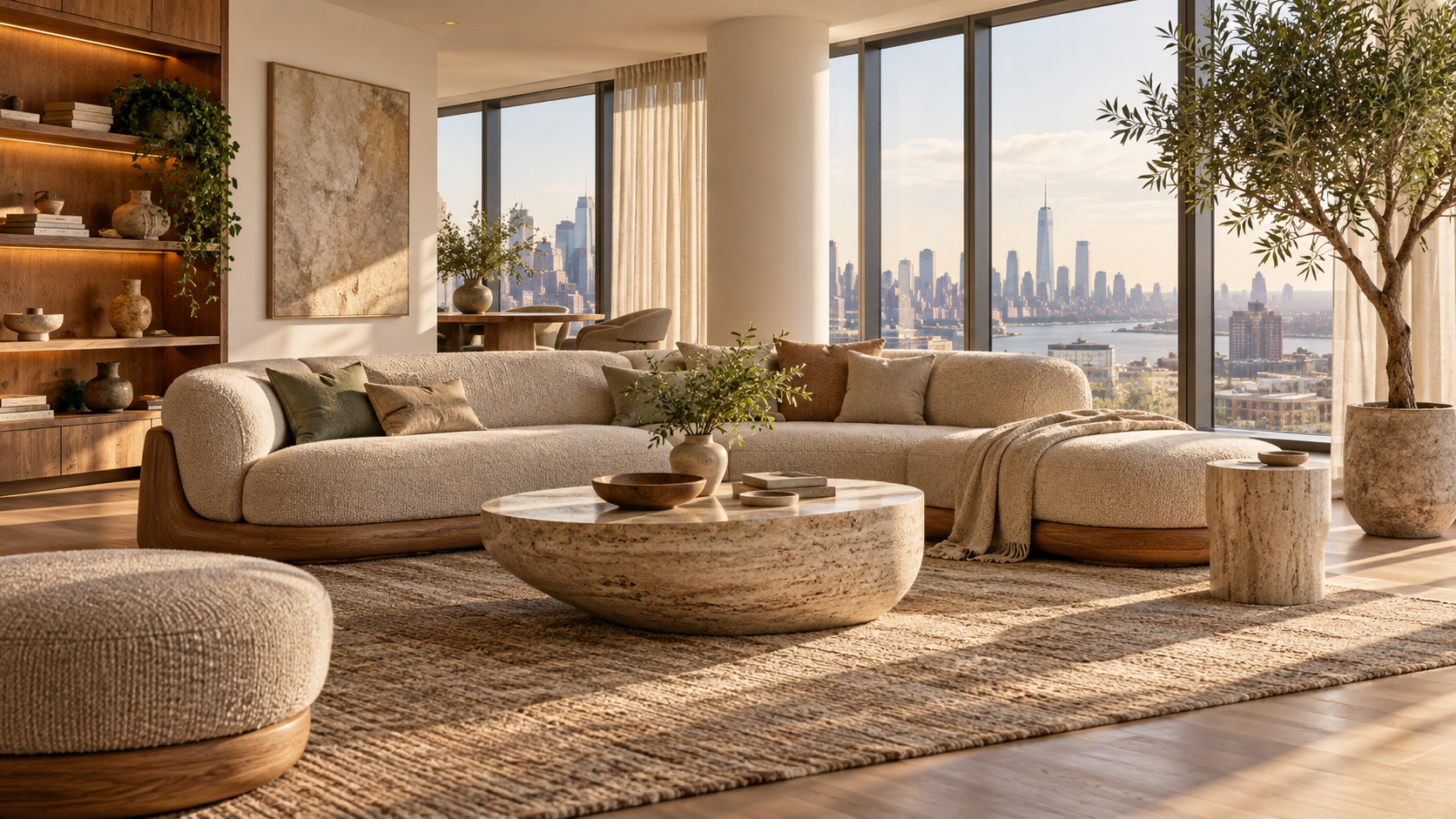
Honed limestone and travertine have a softer, lived-in appearance than high-polish marble, while reclaimed wood gives character but needs a sealed finish near water or food. A small material comparison like this helps you choose for the way a room is used, not just for a trend photograph.
Use Light and Living Elements to Finish the Room
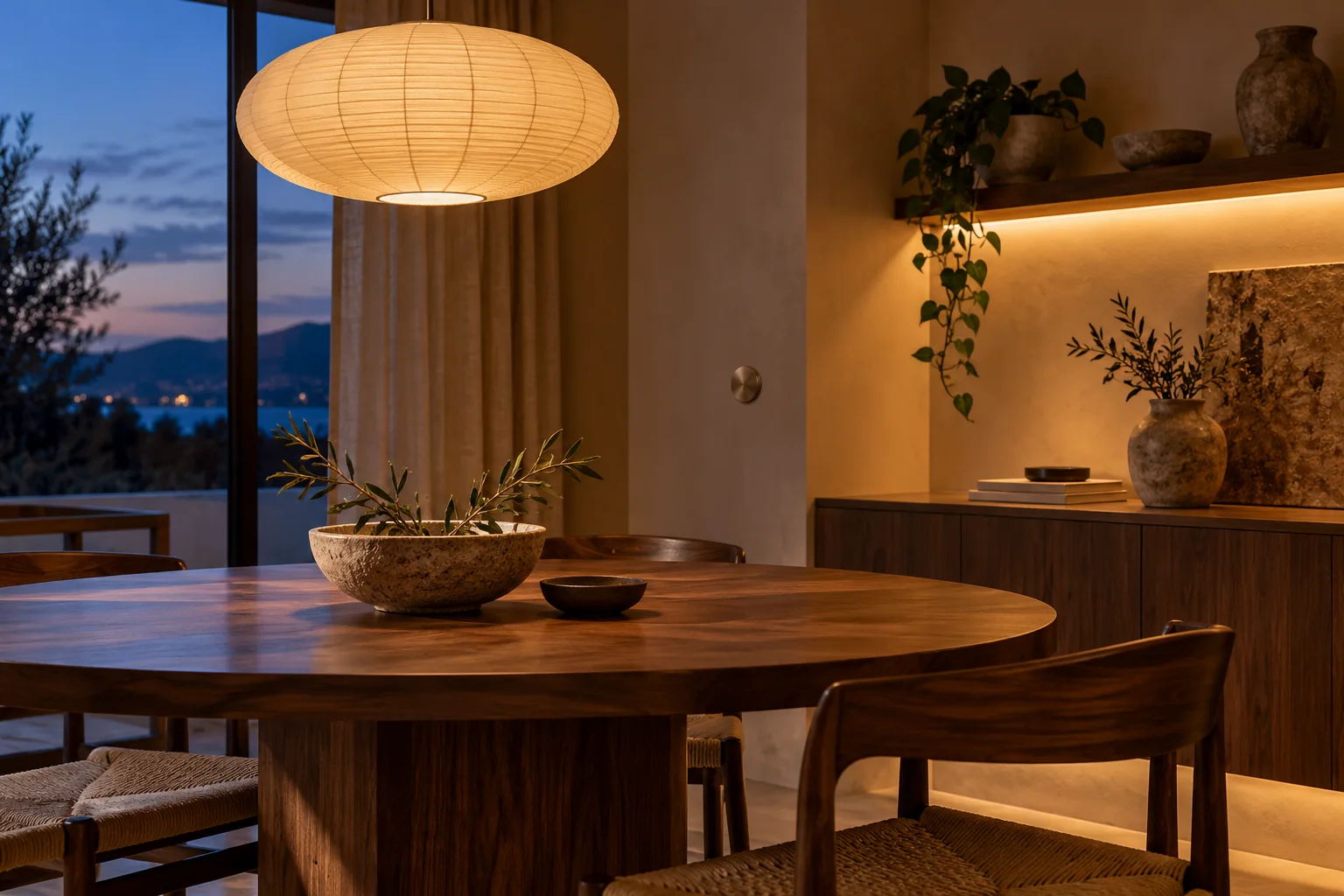
Before purchasing another lamp, look at where the room becomes visually flat after sunset. Most rooms need three roles of light: ambient light for overall visibility, task light for reading or work, and accent light for depth. Warm LEDs around 2700K generally make linen, oak, clay, and warm white paint feel more welcoming than a cool bulb. Place a reading lamp so that its bulb sits just behind shoulder height when seated, and use a table lamp or wall light to give a darker corner a reason to exist.
Living elements work best when they are integrated rather than scattered. One medium plant in a 10-to-12-inch pot beside a window, a branch arrangement on a dining table, or herbs by the kitchen light can do more than several tiny planters. Pair greenery with a material that belongs in the room: a terracotta pot for a warm kitchen, a moss-toned glass vase for a living space, or a simple stone vessel in a bathroom.
Final checklist: verify that every new item has a role, select a material that will wear gracefully, use a warm bulb where people gather, and leave enough empty surface for the room to breathe. These small choices are what make a home feel current in 2027 and still personal years later.