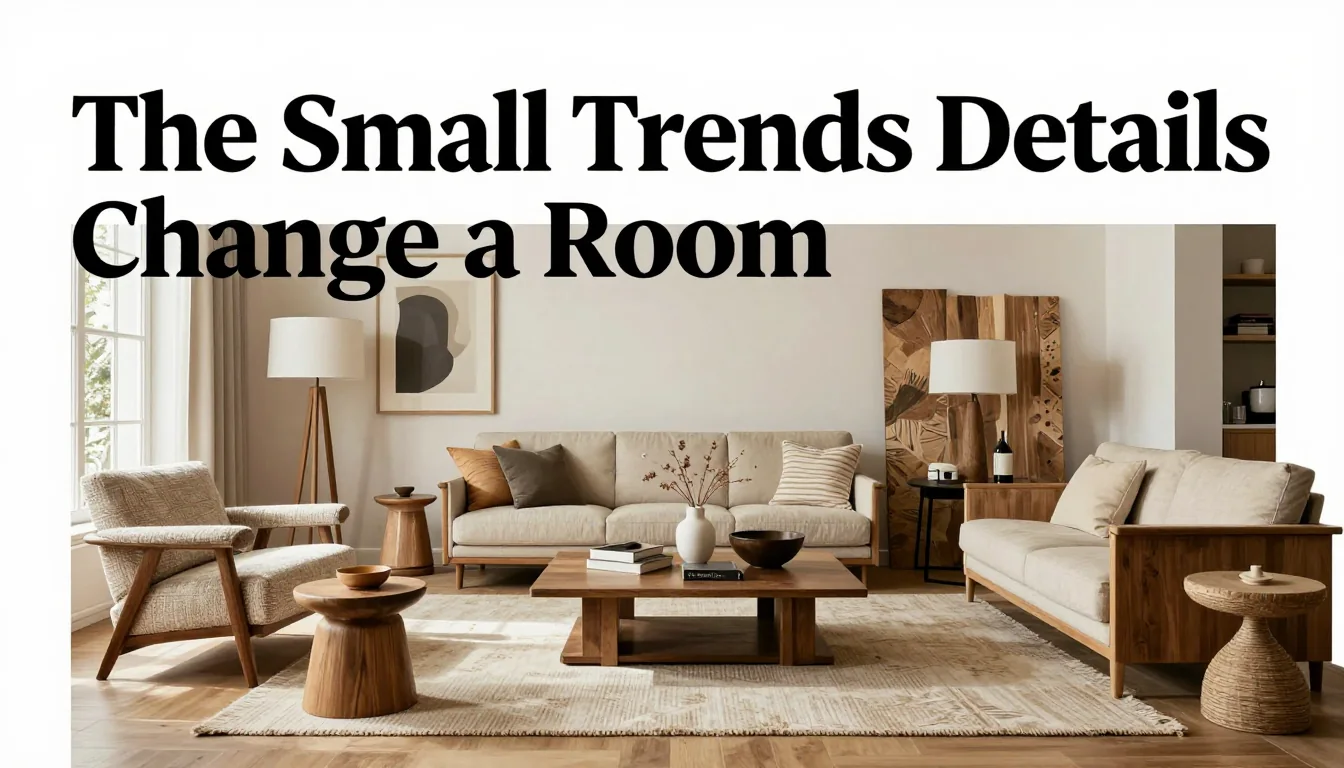
In the current design landscape, the pressure to chase ephemeral micro-trends can lead to homes that feel curated rather than lived in. True longevity in interior design is not found in rapid aesthetic shifts, but in thoughtful resistance—the commitment to integrity and narrative depth. Instead of viewing your space as a collection of temporary decorative fixes, approach it as an evolving ecosystem designed to support the rhythm of your life. This philosophy requires shifting focus from what is currently viral to what possesses enduring character, allowing your home to resonate with quiet confidence long after the latest trend has faded.
Establishing a Durable Material and Color Foundation
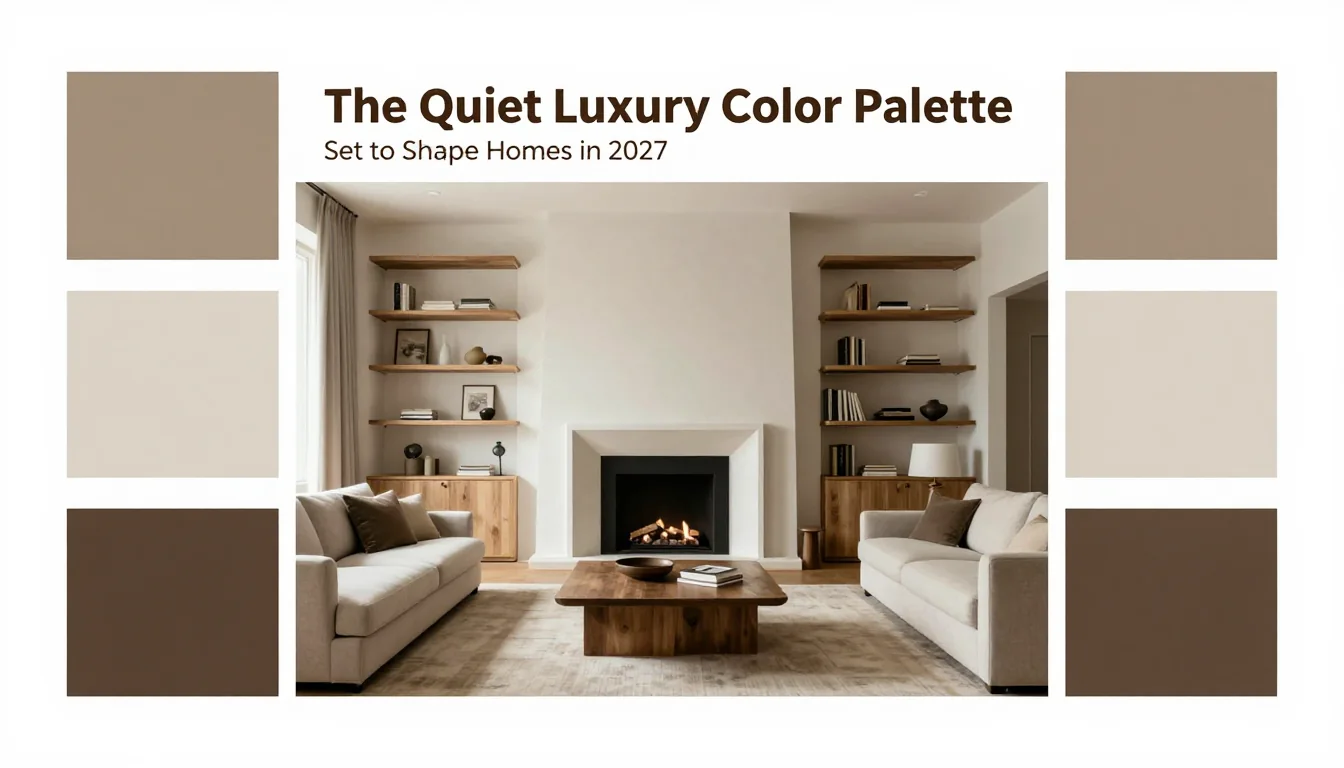
The most powerful anchor for any room is its core palette. Resist the temptation to incorporate several competing colors or materials simultaneously; instead, commit to one or two dominant tones across your major surfaces. For instance, anchoring a space with deep forest green paired with soft limestone white provides immediate gravity and stability. When selecting these base colors, consider their impact on natural light—a cool gray in a north-facing room will appear starker than the same shade in a south-facing one. A common mistake is choosing paint shades based solely on swatches; always test the color on multiple walls at various times of day before committing to large surface areas.
Focus your initial investment on pieces that speak to permanence: the primary sofa, dining table, and built-in shelving. Prioritize craftsmanship over ephemeral design features. A well-constructed piece in a timeless silhouette—such as a rectilinear walnut sideboard or a deeply upholstered linen sofa with clean lines—serves as the bedrock for all smaller details. When assessing quality, look beyond surface finish; examine joint construction, drawer slides, and upholstery stitching. For example, if selecting a large dining table (ideally 72-84 inches), ensure its leg structure is robust enough to support decades of use.
Trade-off consideration: High-quality foundational pieces require significant upfront investment, which contrasts sharply with the low cost of trendy accessories. The trade-off here is patience versus immediate gratification. To mitigate this financial risk, focus your budget on one or two 'hero' items—the most visible furniture piece—and allow surrounding elements (like throw pillows or smaller lamps) to be updated more frequently as tastes change. This allows for evolution without compromising the room’s core integrity.
Layering Texture and Light for Lasting Ambiance
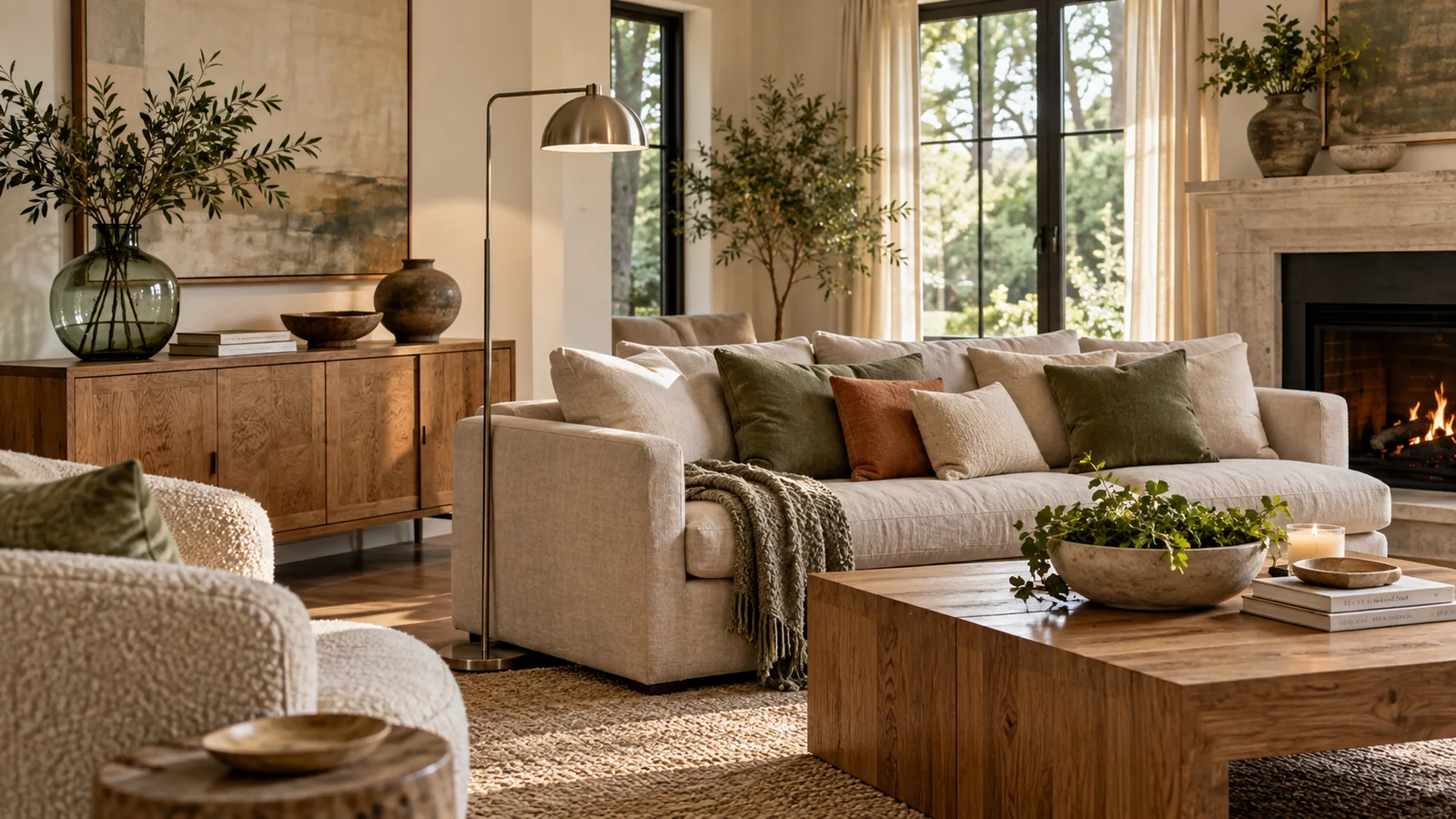
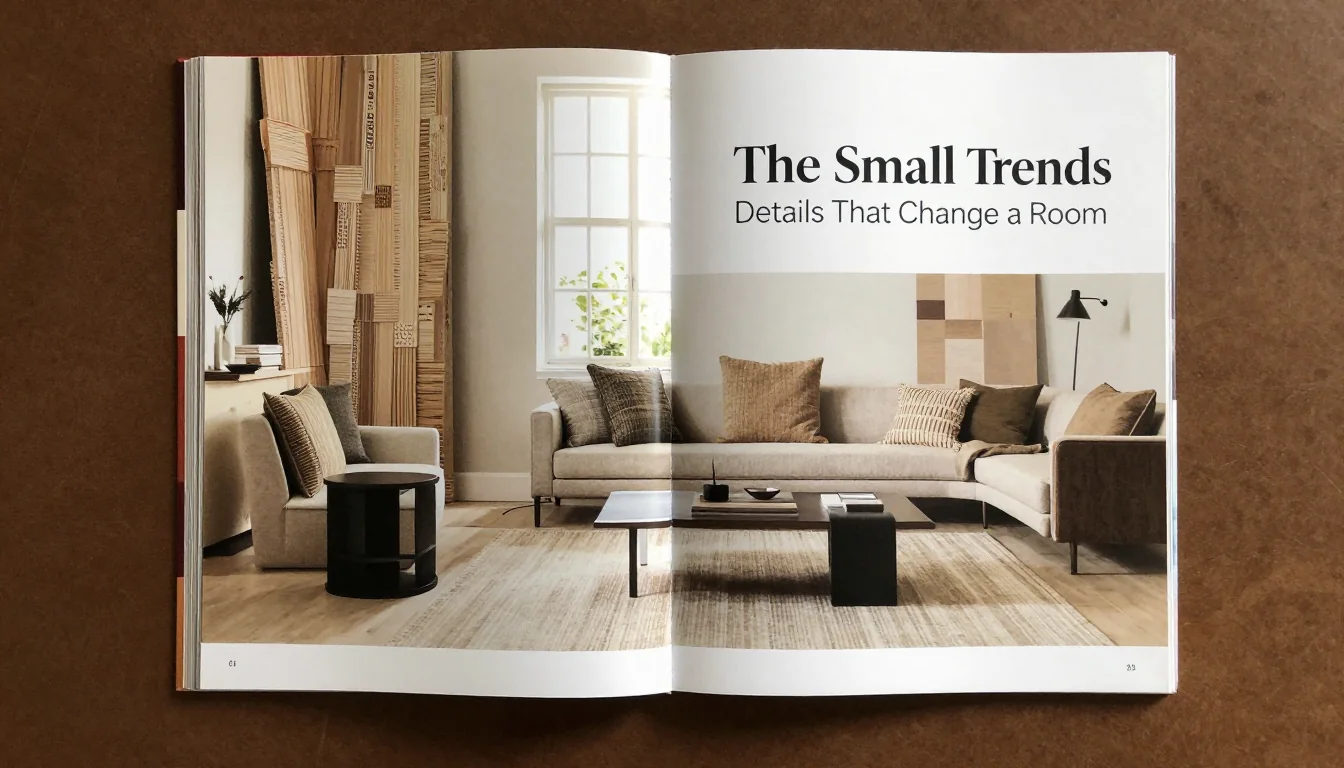
Once your structural foundation is sound, introduce personality through substantial layers of textiles and lighting. Instead of purchasing decorative cushions based on fleeting patterns, invest in durable, tactile materials such as heavy-gauge wool throws or thick, undyed linen runners. These elements add warmth and depth without dictating a specific trend. When selecting textures, consider the room’s function; for example, a high-traffic living area benefits from robust, low-pile natural fibers that resist wear better than delicate silk blends.
Lighting is arguably the most underrated element in creating lasting emotional resonance. Move past uniform overhead lighting and build layers of light: incorporate dimmable floor lamps positioned near reading chairs, small task lights on side tables, and subtle wall sconces to wash surfaces with gentle illumination. The quality of light dramatically influences how we perceive color and texture; choosing bulbs with a warm color temperature (around 2700K) is crucial for cultivating an intimate atmosphere that feels rich rather than clinical.
A common mistake in lighting design is treating every fixture as purely functional. Instead, view fixtures as sculptural elements. A well-designed ceramic table lamp or a geometrically interesting floor lamp can function equally well as art. When mixing light sources, ensure there is a contrast between the bright focal point (e.g., an overhead chandelier for gathering) and the soft ambient pools of light designed for relaxation. This layering ensures that your room maintains depth regardless of the time of day.
Curating Intentional Details and Personal Narratives
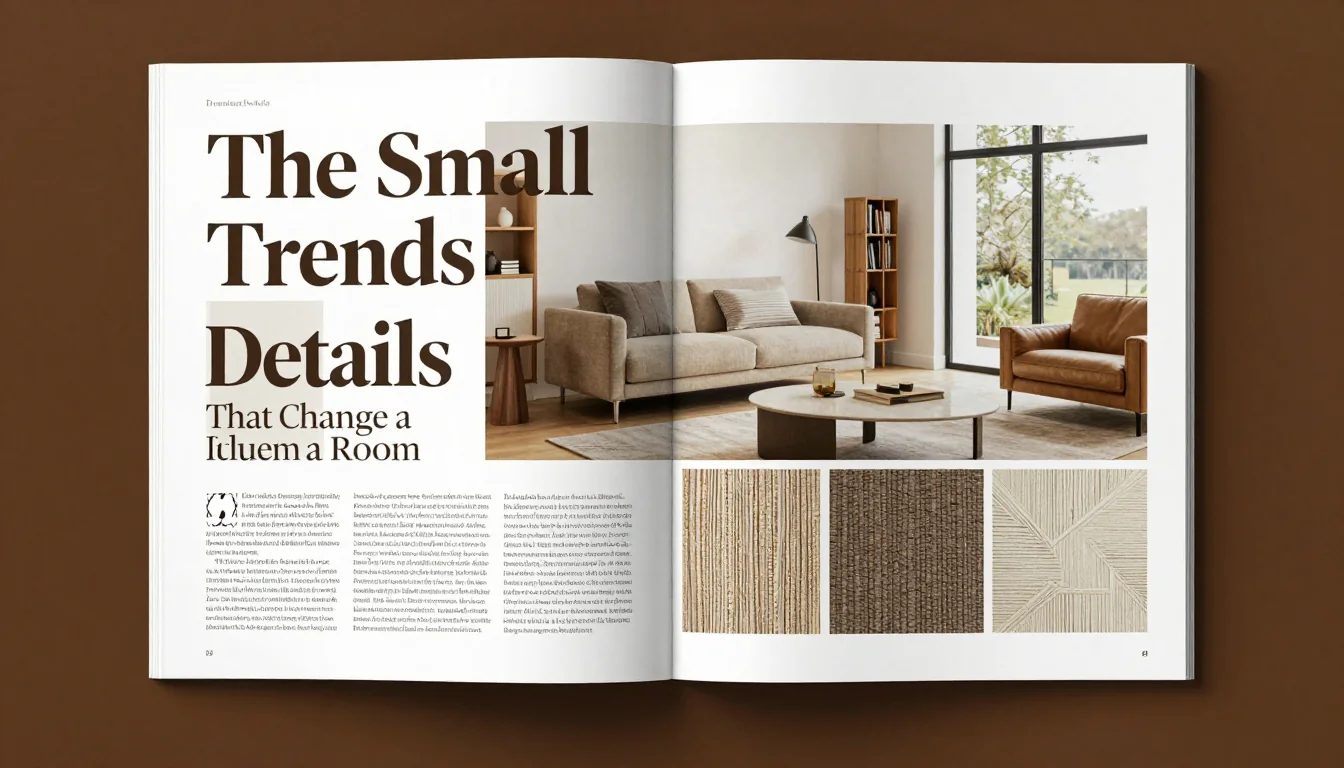
The final details are not mere accessories; they are the personal anchors that transform a beautiful space into *your* space. This requires resisting the urge to buy objects simply because they appear trending online, and instead seeking out items with genuine narrative weight—a piece of pottery from a local artisan, or an antique book given to you by family. These curated objects function as conversation starters and personal touchstones, lending depth that mass-produced decor cannot replicate.
When grouping these meaningful details on surfaces (such as coffee tables or credenzas), employ the rule of odd numbers and varying heights. Instead of arranging three identical candles in a straight line, cluster them with an asymmetrical stack of books and a small sculptural object at different vertical levels. This organic arrangement feels lived-in rather than staged. For example, when styling a console table (approximately 48 inches wide), aim for groupings that are less than 10 inches deep to maintain visual breathing room.
A practical tip for maintaining the integrity of your chosen materials is proactive care. If you have wooden surfaces, never use harsh chemical cleaners; instead, identify the finish (e.g., oiled, waxed, or lacquered) and follow specific maintenance protocols. For lightly finished wood, a damp cloth with minimal furniture oil applied sparingly can preserve the patina. Always patch-test any cleaner or treatment on an inconspicuous area first to ensure it does not alter the original tone or finish of the material.