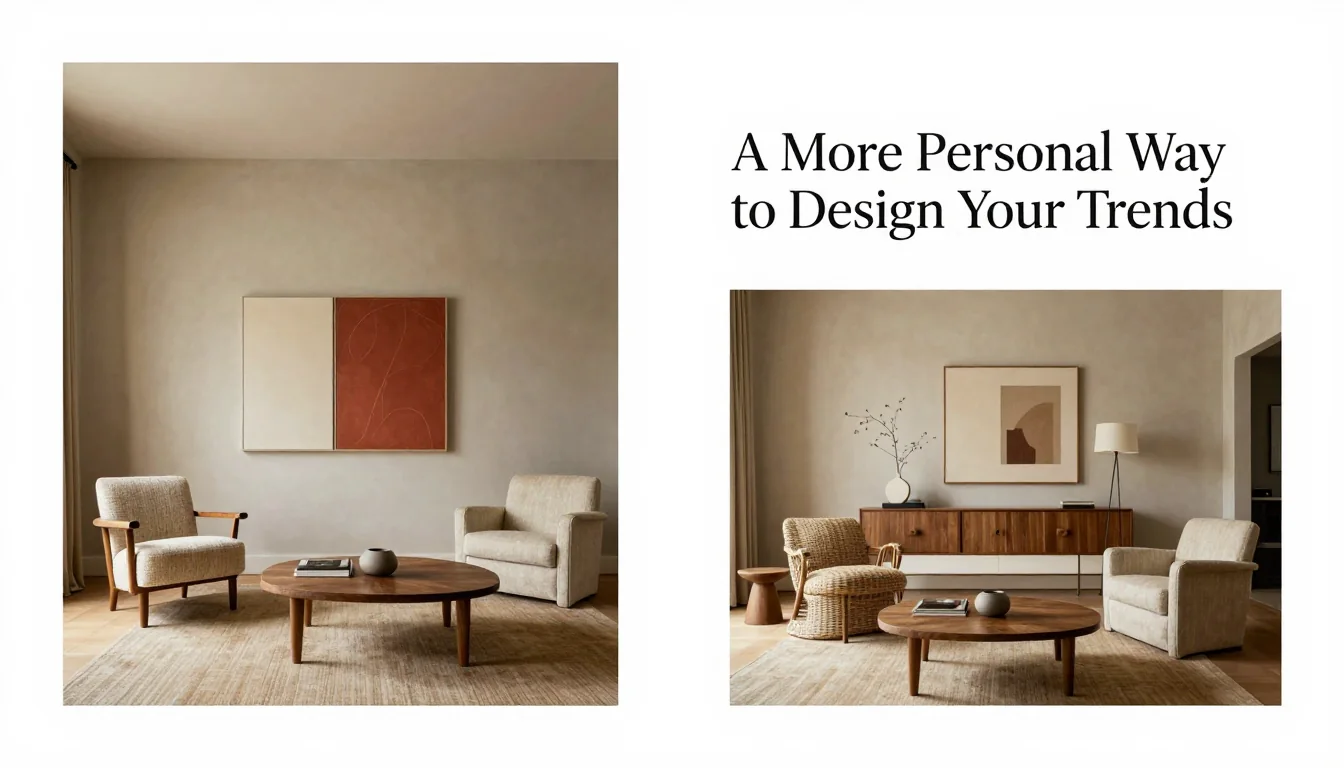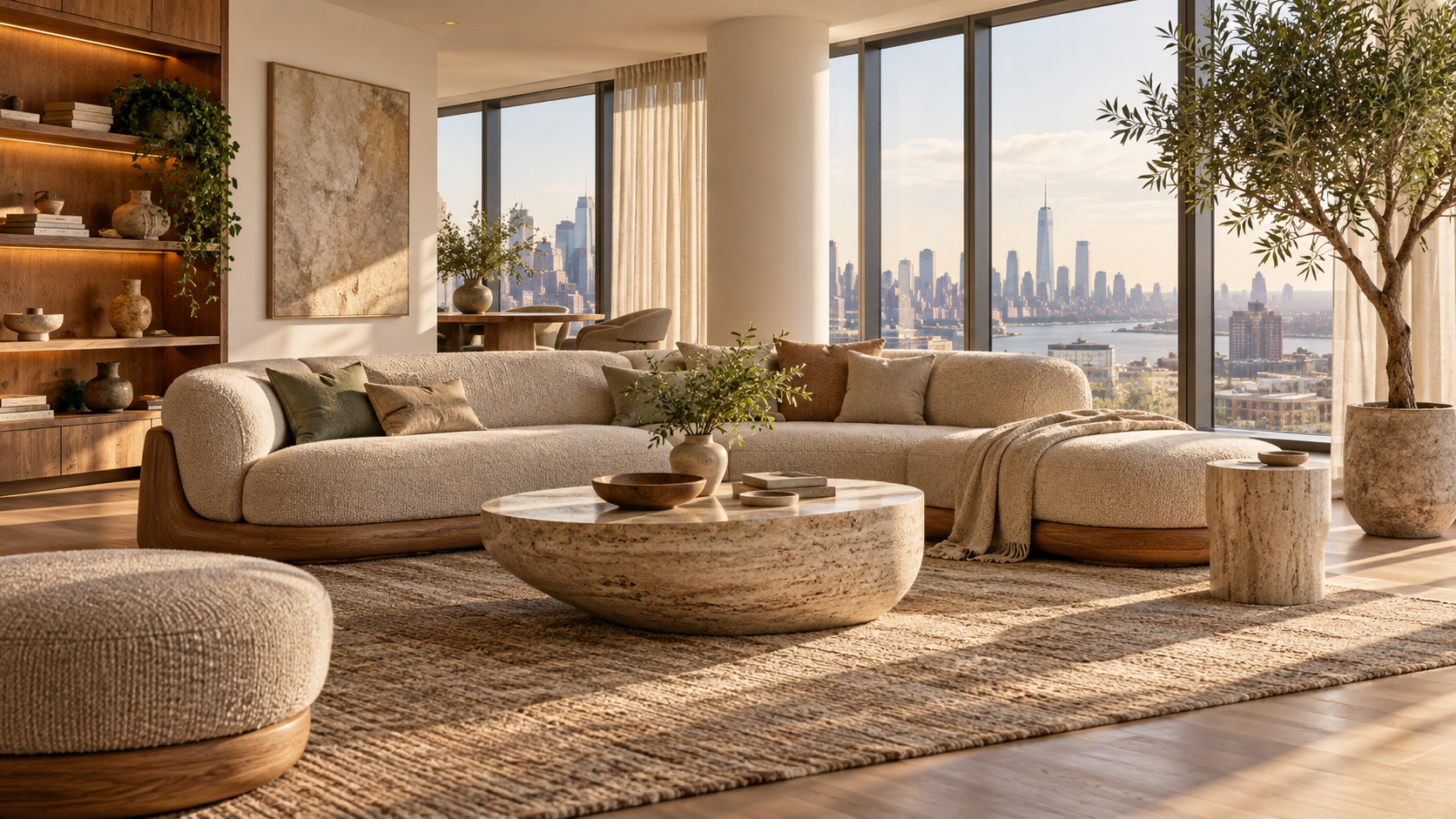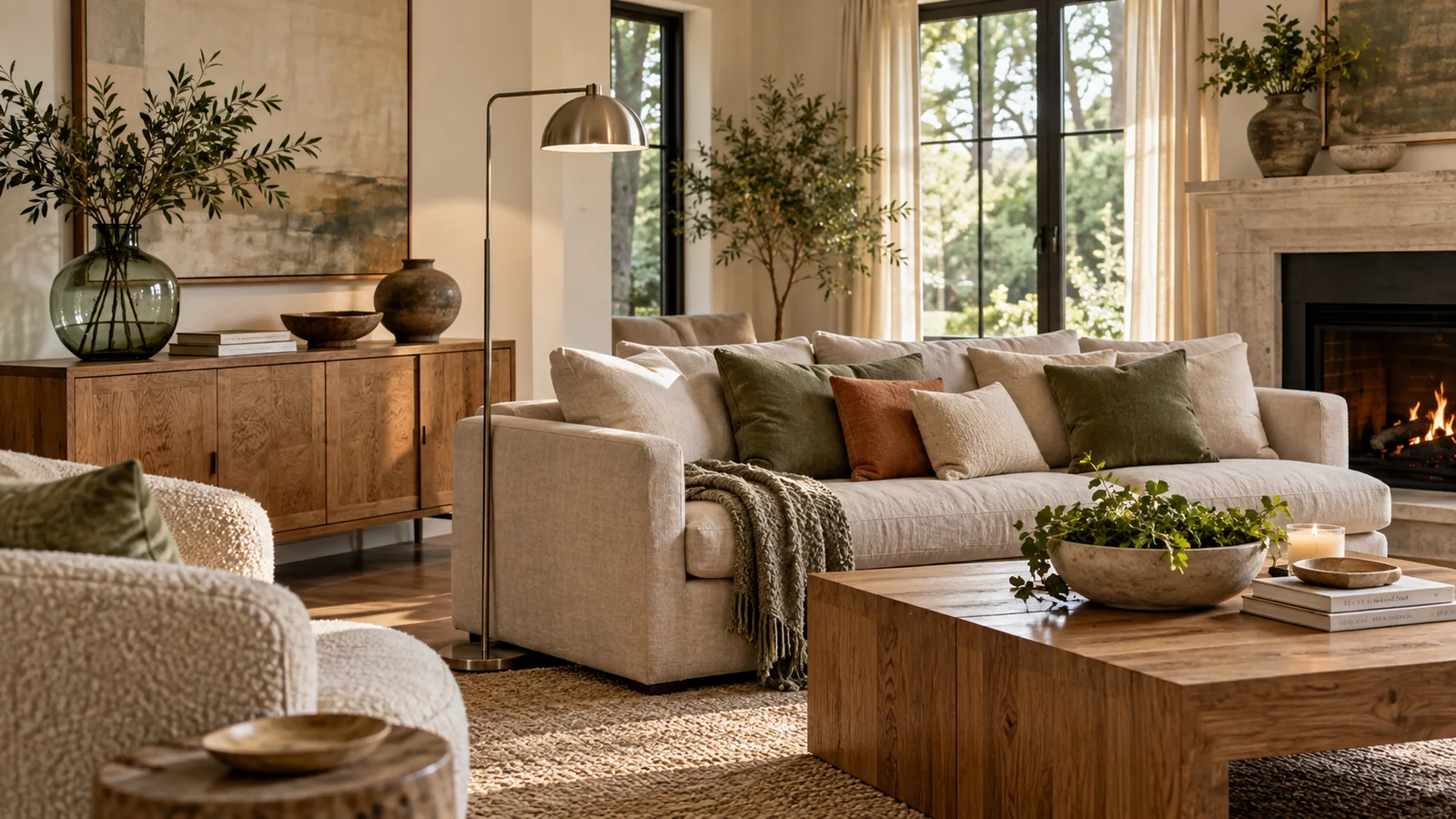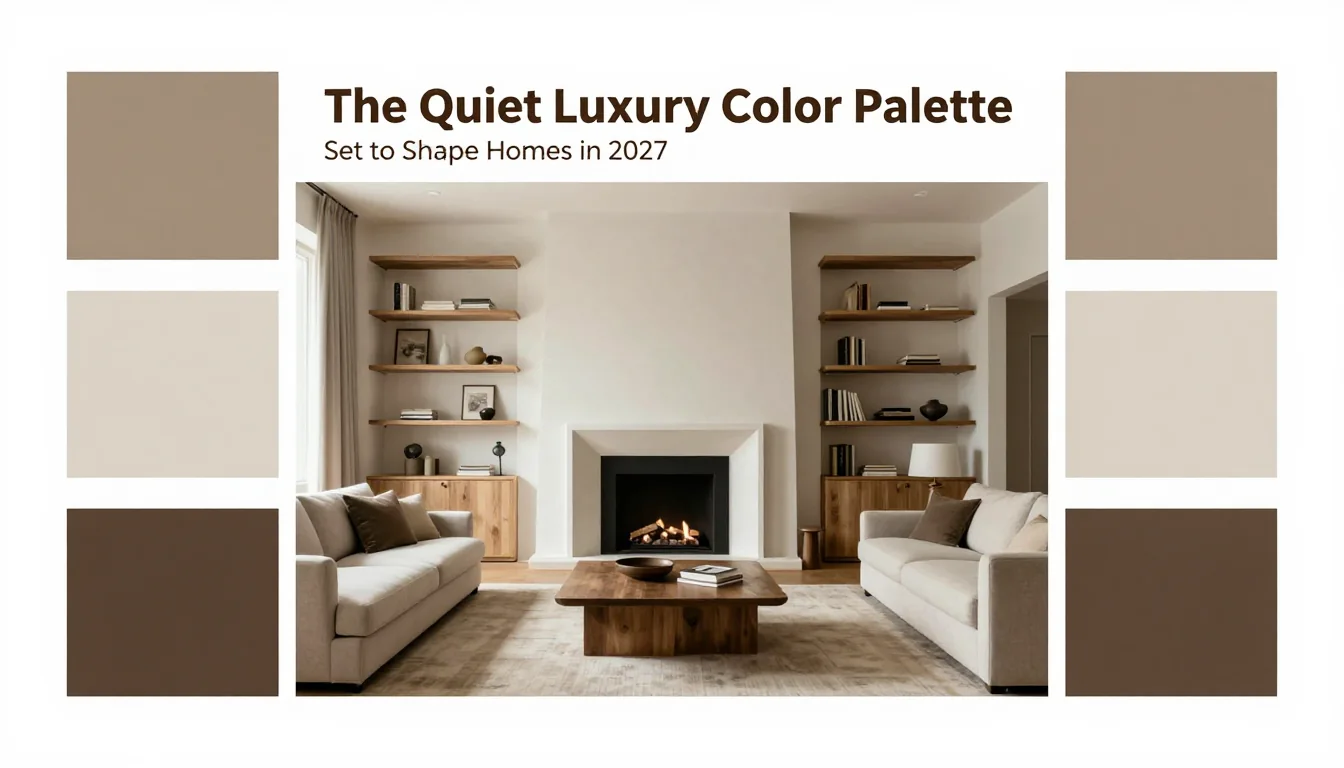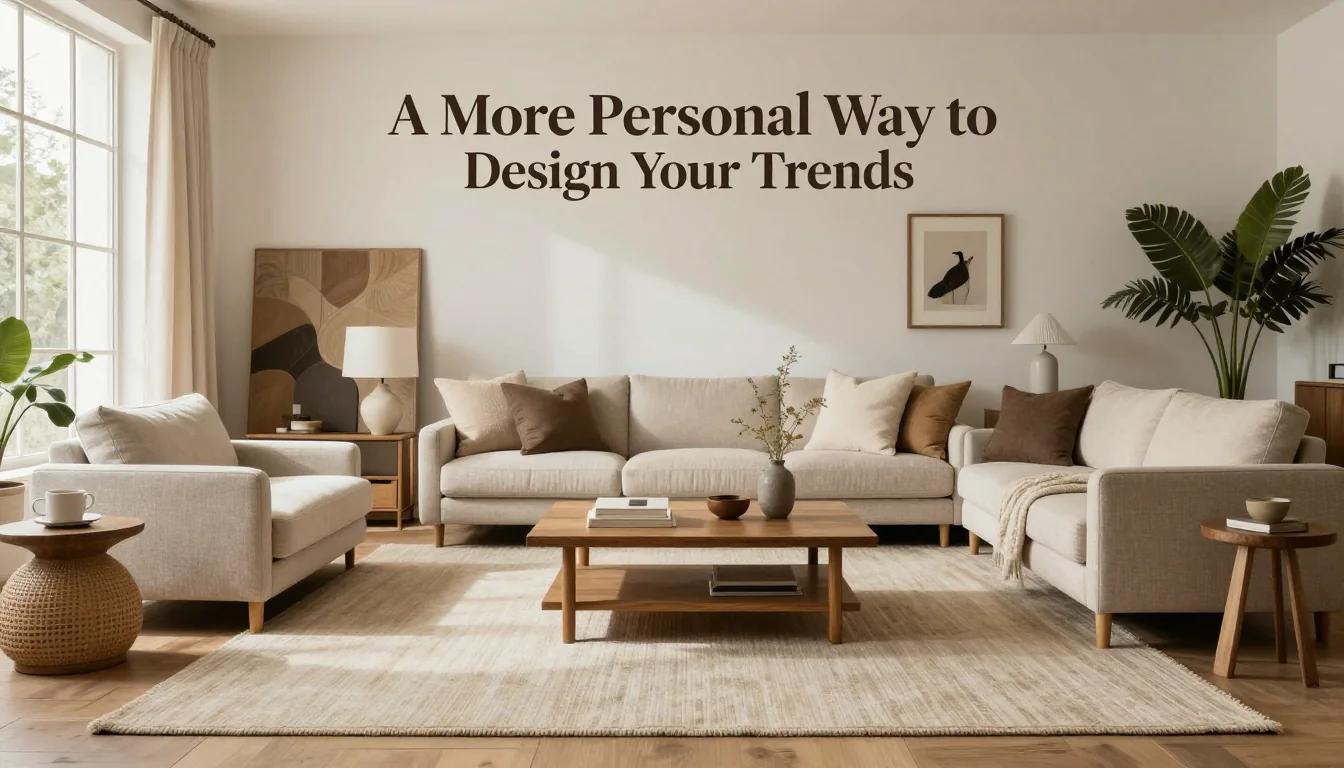
The most successful interior spaces are not curated displays; they are functional environments. While the pursuit of aesthetic novelty often drives modern design, lasting character comes from solving real-life problems—making the space work seamlessly within your habits. This guide moves past fleeting style guides to focus on intentional choices: decisions about proportion, material performance, and how light interacts with your daily routines. By prioritizing function before form, you create a home that feels inherently personal, not just photographable.
Prioritizing Function Through Spatial Planning
Before selecting a single piece of furniture, conduct a 'flow audit.' Map out your key daily routines—where do you transition from work to relaxation? Where do you pause for coffee or set down mail? These friction points reveal the true needs of the room. The primary decision must be creating generous circulation paths. In any common living area, ensure that main walkways are clear and maintain a minimum width of 90 centimeters (36 inches). This allowance prevents the feeling of being perpetually cramped, allowing for ease of movement even when multiple people are present.
Proportion is critical to preventing visual overwhelm. Instead of selecting the largest possible sofa or coffee table, assess how these pieces relate to the scale of the room and the height of doorways. A large, heavy piece in a small space dominates and restricts flow; conversely, too many small pieces create clutter rather than charm. Use verticality—tall bookshelves or layered lighting—to draw the eye up, which can make rooms feel more expansive without adding horizontal bulk.
Consider furniture as an anchor for activity, not just a static object. A dining area should allow chairs to be pulled out and pushed back without hitting adjacent walls or tables. If you are designing a home office nook, ensure the chair has at least 60 centimeters (24 inches) of clearance behind it when fully extended. Trade-off: prioritizing generous space often means selecting pieces with slimmer profiles, which may sacrifice some seating depth but significantly improves overall spatial harmony.
Curating Materiality and Tactile Intent
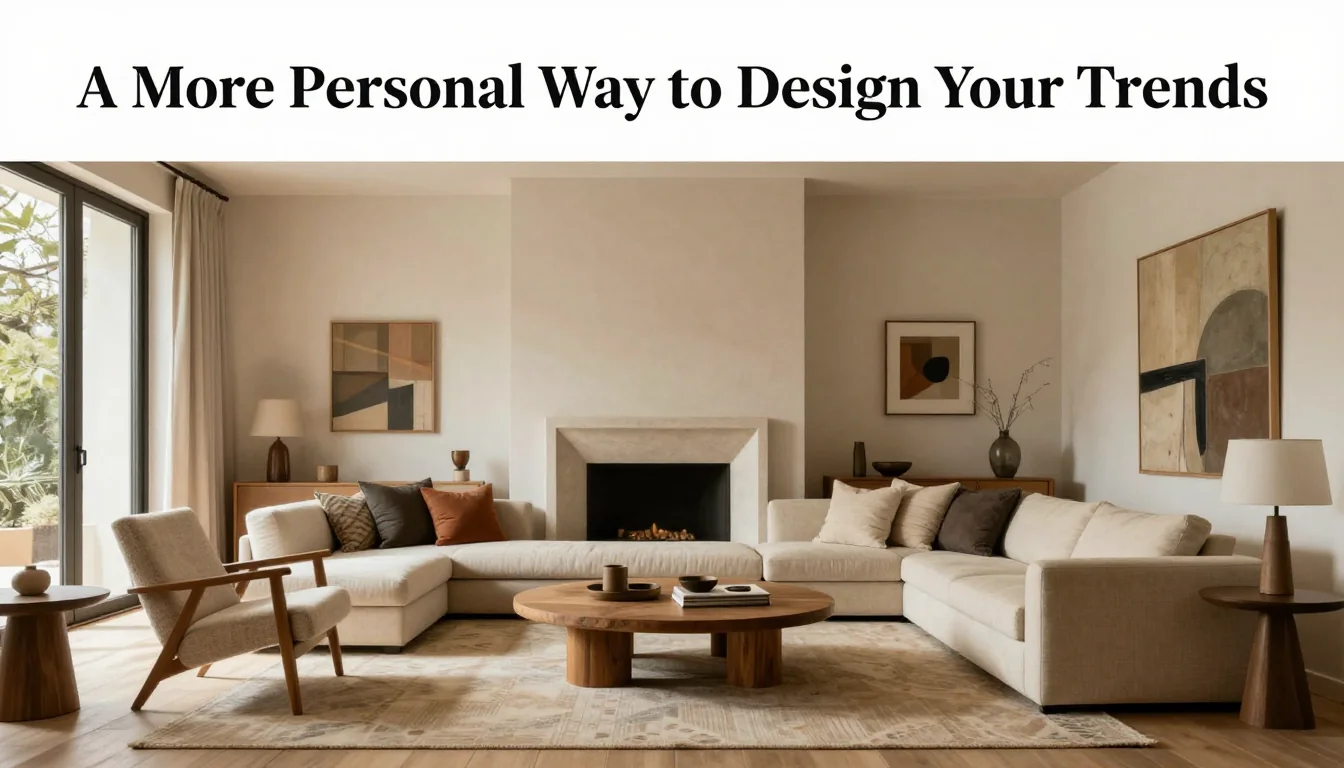
Instead of collecting disparate textures, focus on repeating one or two primary finishes throughout the space. This creates a cohesive rhythm that feels intentional rather than accidental. For instance, if you choose matte-finish limestone for your flooring, echo this tactile quality in accessories—perhaps through ceramic vases or woven jute rugs—rather than introducing high-gloss marble elsewhere. The restraint of repetition allows the material itself to become the dominant design feature.
When selecting wood, consider its practical performance alongside its aesthetic. Rift-sawn oak is often preferred for high-traffic areas because it exhibits less dramatic grain variation and tends to resist warping more consistently than quartersawn timber. For surfaces that require frequent cleaning (like kitchen islands or side tables), choose solid surface materials with low porosity, such as honed quartz or sealed concrete. Always patch-test any wood finish or sealant on an inconspicuous area first; for oil finishes, ensure adequate ventilation during application.
Metals should be treated as a unifying accent. Decide if your space leans toward the warm patina of brushed brass or the cool neutrality of matte black steel. Once chosen, use that specific metal throughout—in lamp bases, cabinet pulls, and mirror frames. Mixing highly contrasting metals (e.g., polished chrome next to distressed copper) can instantly create visual dissonance, making the room feel busy even if the pieces are simple.
Designing for Durability and Daily Light
The best design is invisible when it works. Choose textiles and upholstery based on performance rather than solely on appearance. For high-contact seating, look for natural fibers blended with synthetic durability, such as Crypton-treated linen or tightly woven wool blends. If you are treating a piece of leather furniture, ensure the finish is conditioned specifically for that type; test the conditioning product on an internal seam first to check for color migration.
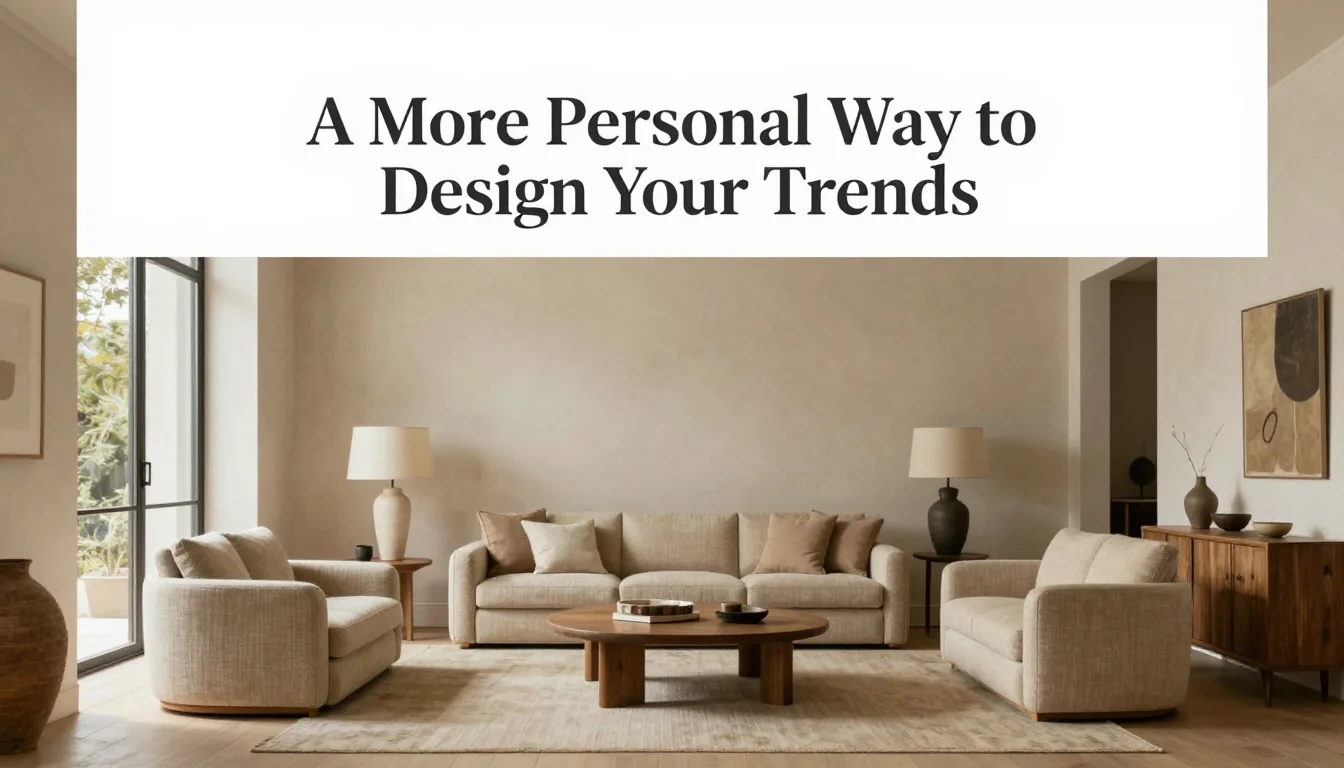
Light should be layered to support different activities throughout the day. Avoid relying solely on overhead ambient lighting. Implement three types: general (recessed ceiling lights), task (a focused desk lamp or reading light, ideally 500–800 lumens), and accent (small table lamps highlighting artwork or plants). This layering allows you to customize the atmosphere—bright for working, soft for unwinding.
Acknowledge that maintenance is a component of design. Choosing pieces that are easy to dust, spill-proof, and can be easily rearranged supports long-term enjoyment. For example, opt for washable slipcovers on occasional chairs rather than heavy, permanent upholstery. This trade-off—sacrificing the monolithic look for practical flexibility—ensures your space remains inviting regardless of how often it is used or what spills occur.