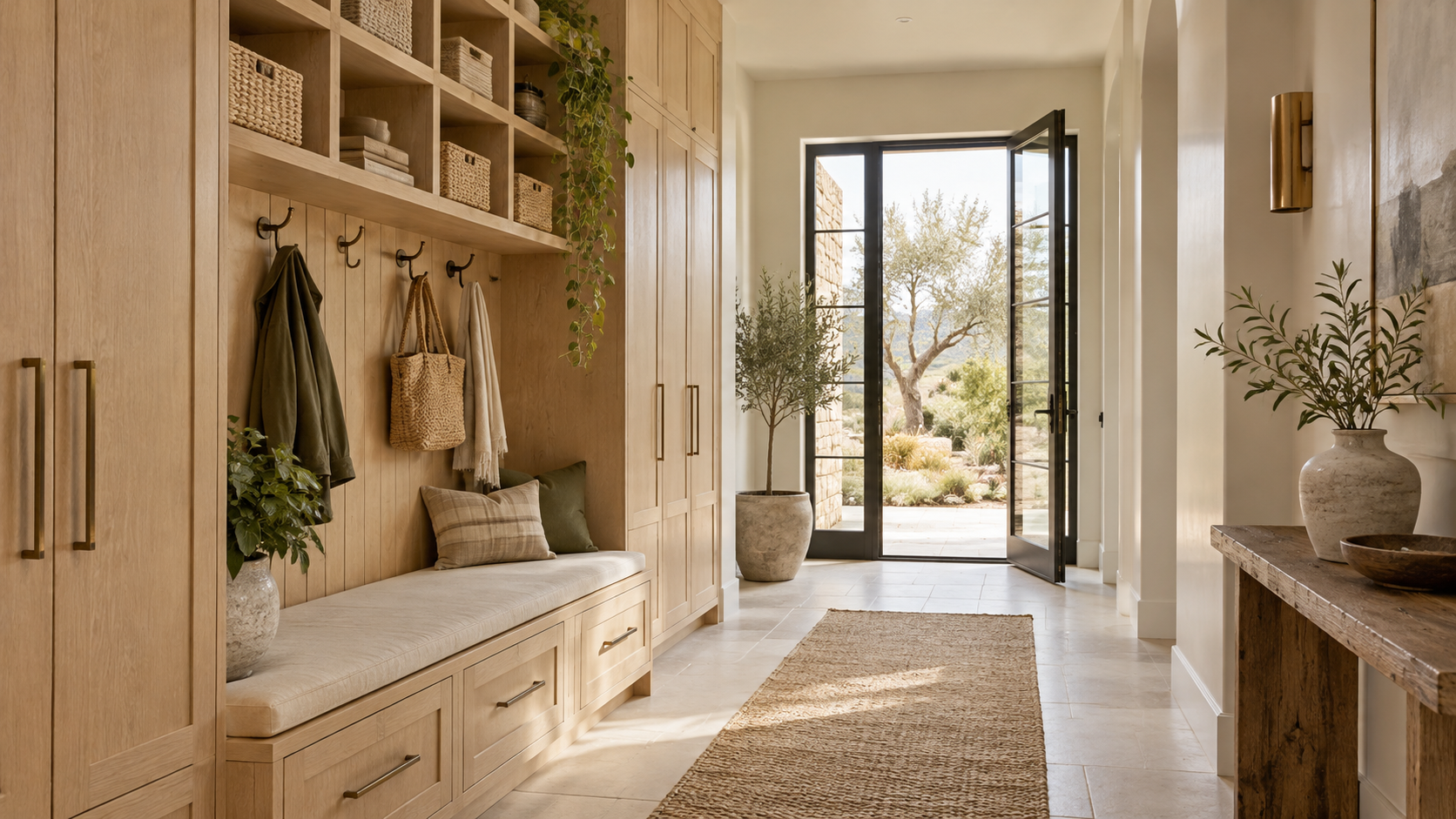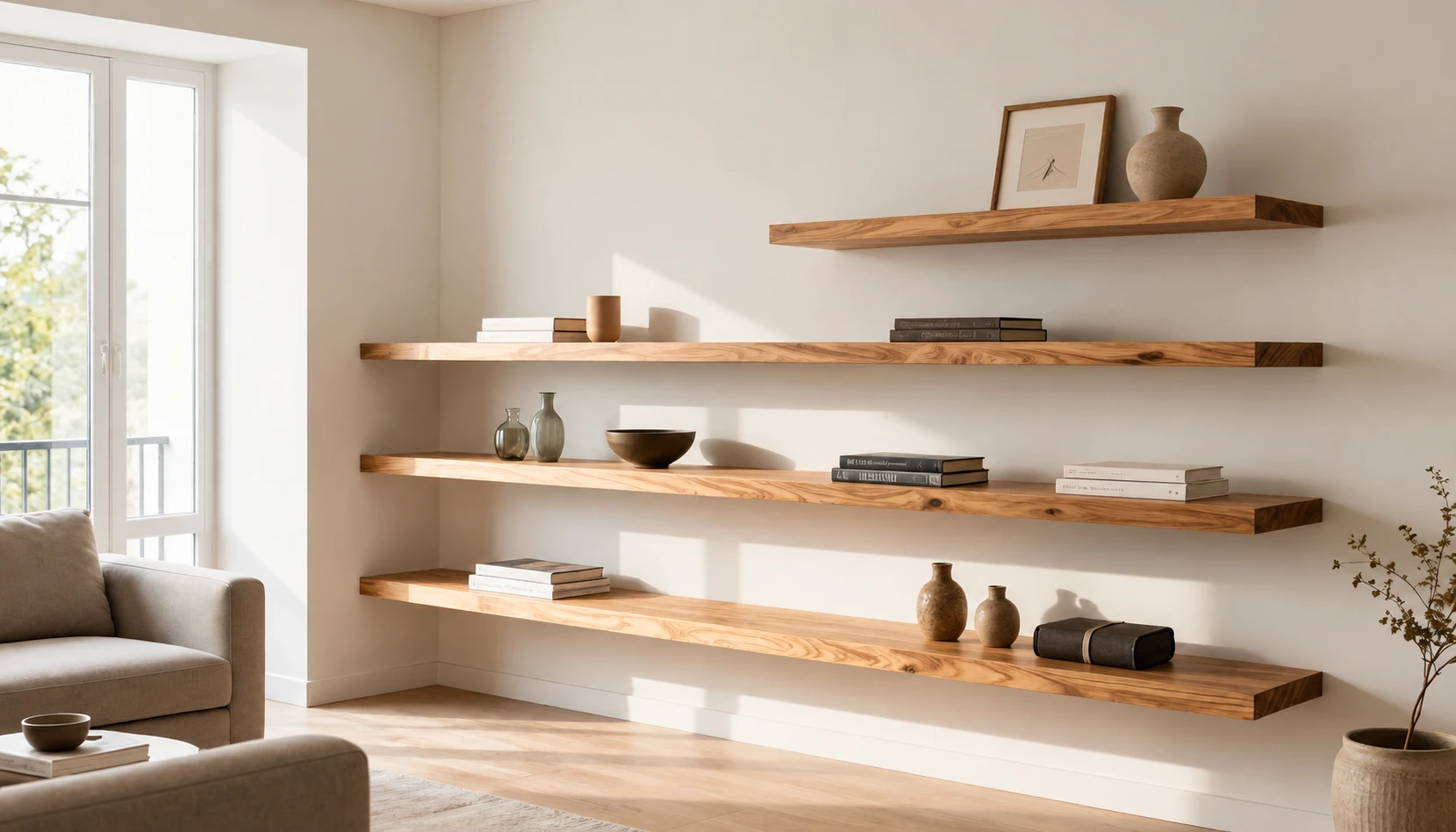
The ideal bedroom is not defined by how much it holds, but by the ease with which you can live in it. Storage should be invisible until needed, supporting a sense of quiet repose rather than dictating a visual display. True design success here lies in functionality—creating systems that support your daily routines without adding physical or psychological weight to the space. This guide moves beyond aesthetic trends to offer specific, actionable strategies for thoughtful, clutter-free living.
Optimizing Vertical Space Without Visual Density
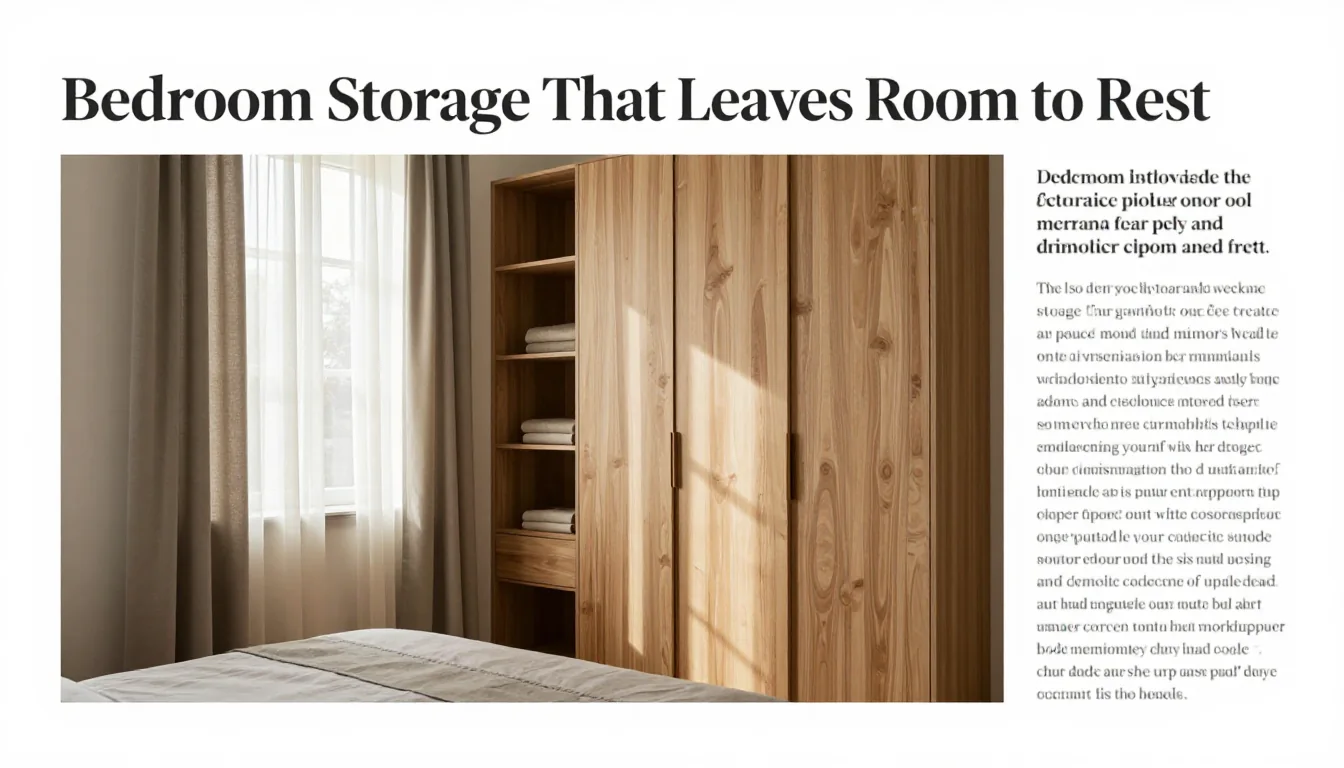
When floor space is limited, height becomes your most valuable resource. Instead of relying on sprawling, low dressers that consume sightlines, consider tall, slimline storage units. These pieces draw the eye upward, offering maximum capacity while maintaining a sense of airiness in the room. For example, a narrow linen cupboard measuring approximately 45cm wide and 210cm high can hold substantial seasonal textiles without overwhelming a standard wall space. To prevent the room from feeling crowded, ensure that any vertical storage unit is anchored by a single consistent finish—a matte oak or painted white—to provide visual unity.
Strategic placement should prioritize less-frequently accessed items in higher shelves. Use high-level storage for spare bedding, off-season formal wear, or extra electronics. Items used daily, such as reading glasses or pajamas, must remain within easy reach (ideally between 85cm and 120cm from the floor). A common mistake is placing too many diverse items on one tall shelf; this creates 'visual noise.' Instead, group like items together—e.g., all socks in one drawer, all scarves in another section of a unit—and use opaque bins or dividers to contain them visually.
A critical trade-off when choosing vertical storage is accessibility versus capacity. Deep shelving units offer great volume but require more effort to retrieve items from the back. If you opt for deep units (over 40cm), utilize pull-out baskets designed specifically for these shelves, allowing contents to be accessed without having to maneuver around the entire unit. Conversely, if ease of access is paramount, prioritize shallower shelving (25–30cm depth) and accept a slightly lower overall storage capacity.
Integrating Dual-Purpose Furniture for Efficiency
The most efficient bedroom pieces serve at least two functions. The traditional bedside table, for instance, can be replaced with a small chest of drawers that provides both surface area and concealed storage for charging devices or jewelry. For seating, an upholstered ottoman is far more useful than a decorative footstool; ensure the chosen piece has sufficient internal depth (ideally over 35cm) to comfortably store blankets, magazines, or even out-of-season shoes. This instantly converts wasted space into functional reserve.
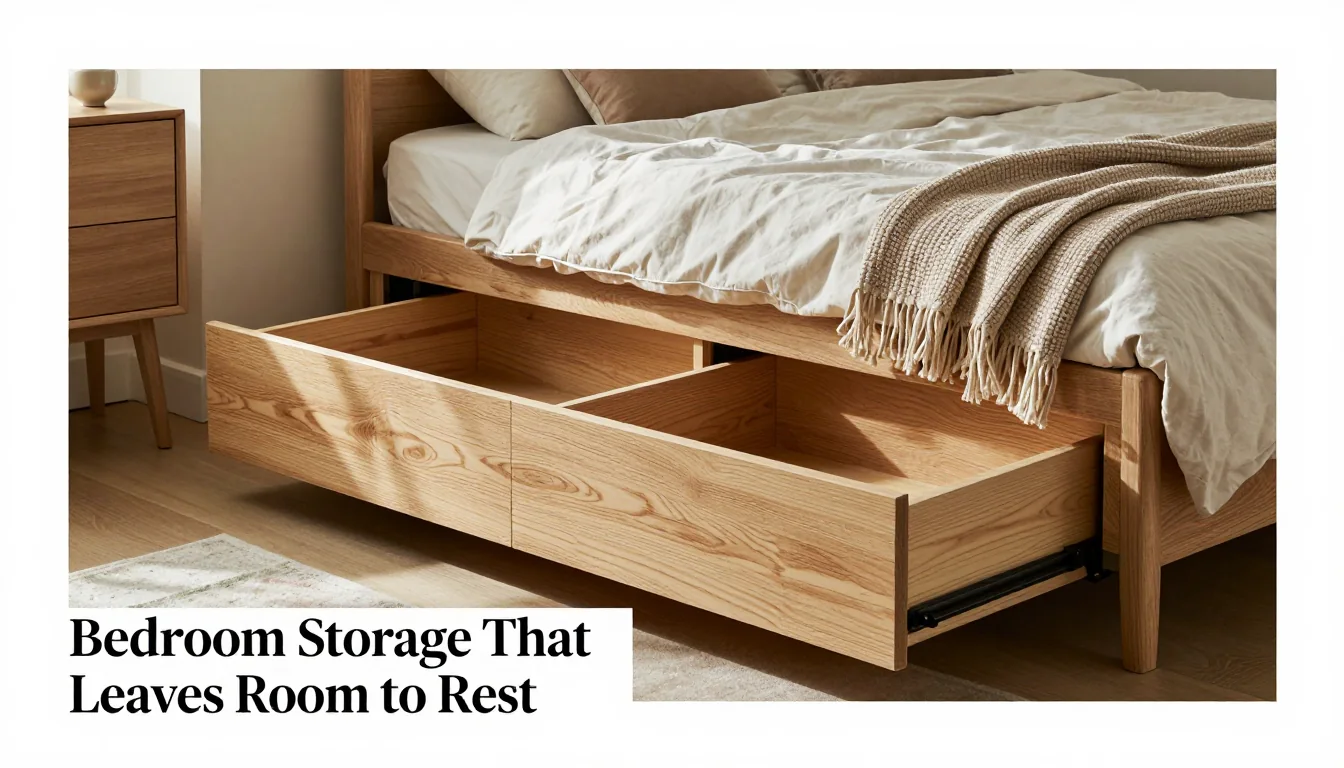
The bed frame itself offers immense storage potential if approached correctly. Rather than opting for a simple platform, consider models with integrated drawers running along the base. However, be mindful of drawer depth; shallow drawers (15–20cm) are ideal for folded clothing and accessories, while deeper drawers may require specialized internal dividers to prevent contents from shifting during use. The trade-off here is often visual bulk: a heavily drawered bed can appear heavier than a simple frame, so choose clean lines to mitigate this effect.
Consider how your dressing routine flows. If space permits, integrate a shallow vanity or desk into a wall unit rather than using a freestanding piece. A slim console table (depth 30–40cm) that doubles as a landing spot for keys and mail can also function as a secondary surface. When selecting these multi-functional pieces, always test the mechanisms—drawer slides, hinges, and lifting lids—to ensure they are robust enough to handle daily use without failing or jamming.
Curating Workflow: Minimizing Daily Friction
Clutter often arises not from large items, but from the accumulation of small, highly used objects—charging cables, books currently being read, jewelry, and reading materials. To manage this 'micro-clutter,' implement specific catch-all zones. A designated tray on a dresser or nightstand can contain essential daily items like keys or lip balm, preventing them from scattering across surfaces. For drawers, invest in adjustable dividers tailored to your needs; these small partitions prevent socks and underwear from forming tangled mounds, making the act of dressing faster and less frustrating.
The organization system should align with your specific routines. If you spend time reading before bed, incorporate a dedicated, accessible spot for books—perhaps a slim vertical book stand placed near the headboard—rather than stacking them precariously on a nightstand. For electronics, use charging stations or cable management boxes that sit discretely behind furniture. This prevents the tangled mess of wires from creating an unsightly focal point and simplifies daily power access.
When storing textiles like sweaters or knitwear, avoid compressing them too tightly in drawers; this can damage fibers. Instead, utilize drawer inserts designed for folding methods (like KonMari) to achieve a compact but breathable stack. If you are cleaning stored wood furniture pieces, always patch-test any cleaner on an inconspicuous area first. For natural oils on solid wood finishes, test a minimal amount of mineral oil mixed with beeswax and allow it to dry completely before application.

Practical Planning Notes
Measure the item group first, then allow a little breathing room rather than filling every shelf edge to edge.
Material Perspective
Closed cabinetry quiets visual noise; open shelving makes everyday items easier to reach but needs a tighter edit.
Before You Commit
Assign a home, access frequency, and reset routine to every storage zone before buying containers.
For related, room-specific ideas, continue with the guides in this category or return to the Furnlyra home page.