True design ease is not found in perfect staging; it resides in systems that genuinely work. When approaching storage, the goal shifts from simply hiding things to creating a supportive environment where necessary items are accessible and visually unobtrusive. This guide moves beyond fleeting aesthetics, offering practical decisions on layout, material choice, and maintenance to ensure your spaces remain calm even when actively used.
Prioritizing Function: Layout Before Aesthetics
The most common mistake in storage design is prioritizing a visually striking piece over its practical utility. Before selecting any cabinet or shelf, define the primary function of the room and map out movement paths. For instance, if this space is a home office, ensure that desk chairs can pull back with at least 75cm of clear floor space behind them. If it is a walk-in closet, verify that hanging rods allow for comfortable access without having to negotiate around furniture.
Proportion dictates comfort. Avoid the urge to fill every available corner; breathing room prevents visual anxiety. When designing shelving units, consider varying depths and heights rather than uniform stacking. A common trade-off is selecting a shallow shelf (e.g., 25cm depth) for easier access versus a deep one (40cm+), which maximizes capacity but requires more deliberate organization to prevent items from being lost in the back.
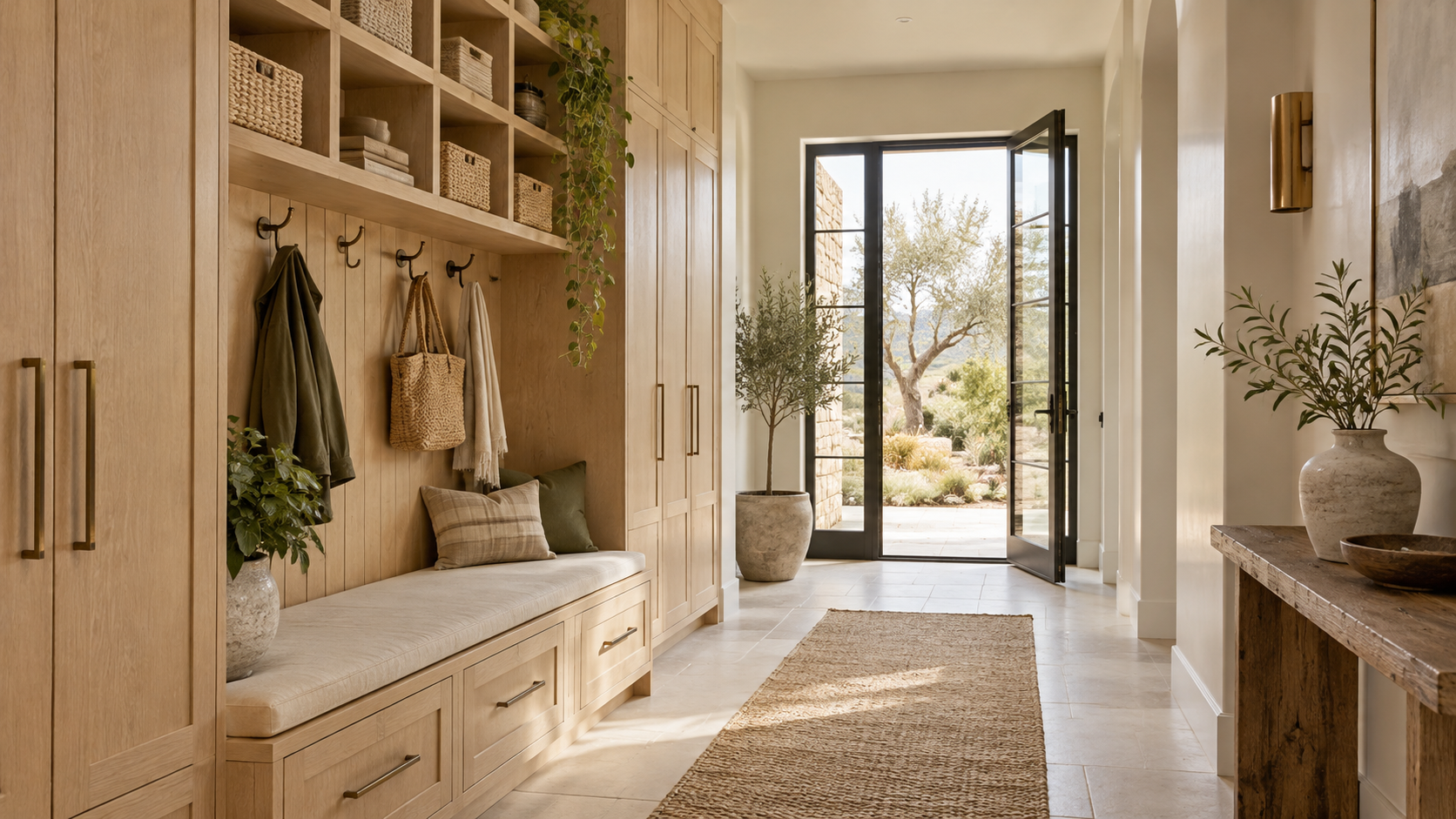
Assess your 'friction points'—the places where clutter habitually accumulates. If keys, mail, and charging cables always land on a console table, that surface is failing its primary function. A solution here might be integrating a small, shallow catch-all tray within a closed cabinet unit or installing a dedicated charging drawer near the entry point. This proactive planning ensures storage solves real problems, not just decorative ones.

Materiality and Containment: Choosing Your System
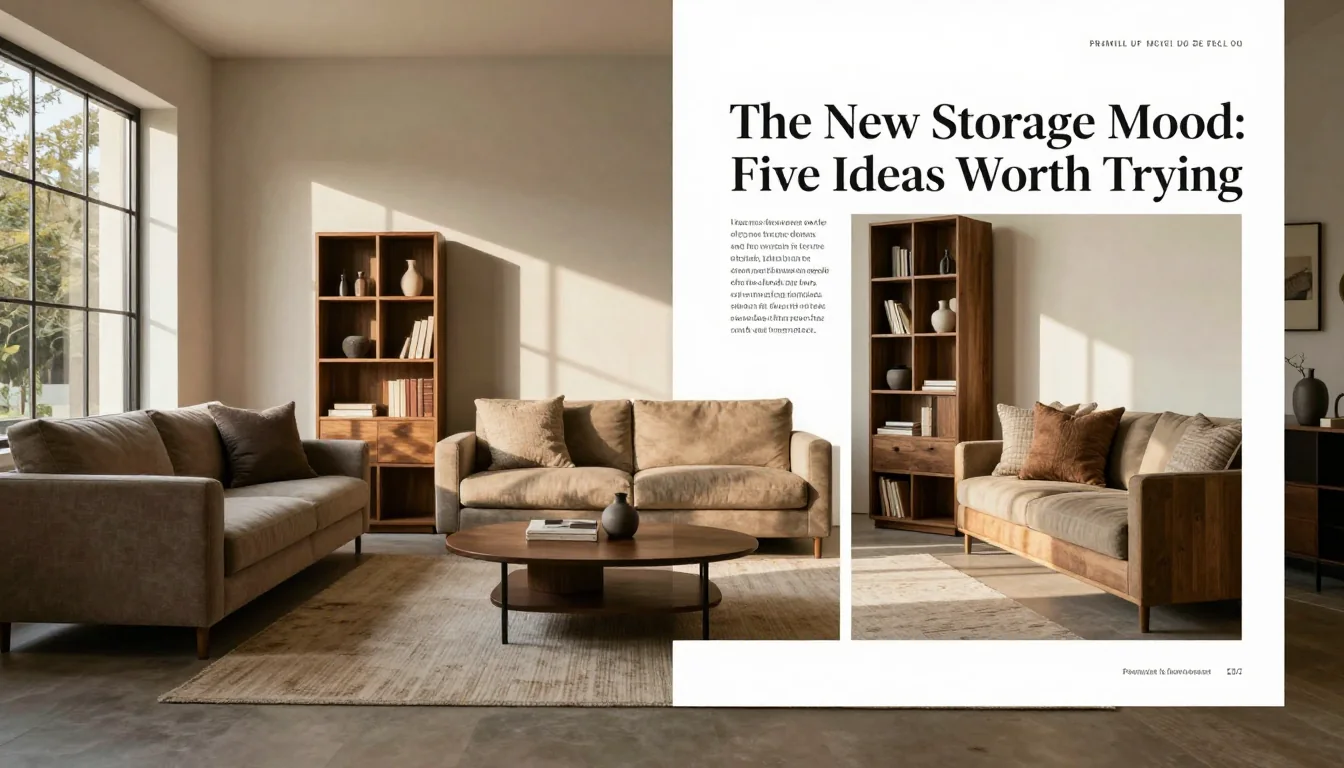
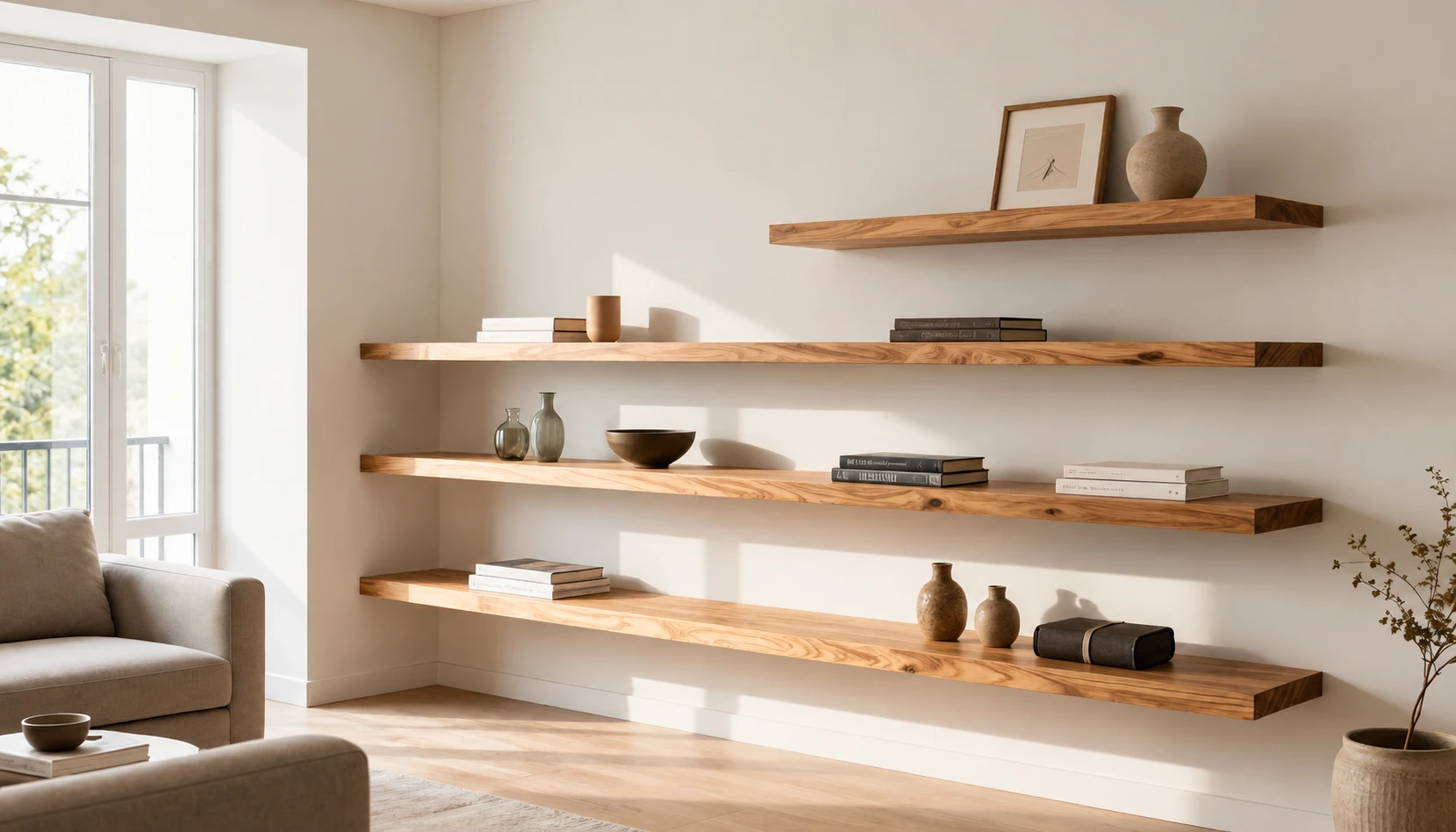
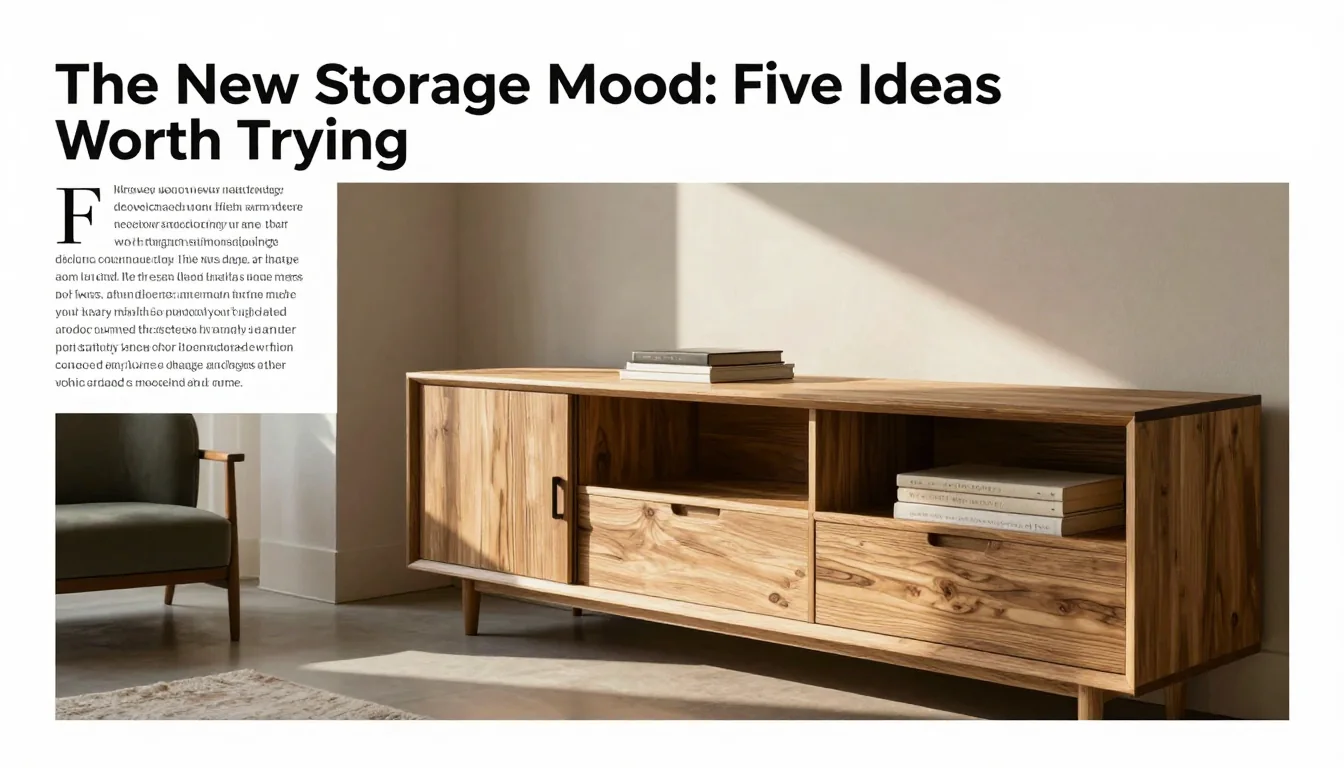
The choice between open shelving and closed cabinetry is a decision about visual rhythm versus privacy. Closed storage (cabinets with doors) offers immediate calm by concealing visual noise, making it ideal for high-traffic areas like living rooms. Open shelving, conversely, works best when the items displayed are intentionally curated—think matching ceramic vessels or uniformly sized books. If using open shelves, stick to a limited palette of complementary materials, such as matte stone paired with light oak.
Modular systems offer flexibility but require discipline. When selecting modular units (e.g., for utility rooms or pantries), consider the internal architecture. Standardized bins and drawers that fit snugly provide an immediate sense of order. For instance, opting for pull-out spice racks rather than static shelves allows users to access contents without disturbing neighboring items. The trade-off here is initial investment; high-quality modular components are more expensive but reduce long-term organizational frustration.
When integrating texture into storage—such as woven baskets or linen-lined drawers—ensure the material complements the overall finish of the room. For example, rough jute can clash with sleek brushed metal hardware. Always patch test any natural fiber against your chosen wood or stone surface to ensure color consistency. Baskets should be used for soft goods (blankets, linens) and not heavy items; their structural integrity is compromised by weight.
Sustaining the Calm: Organization and Maintenance
Effective storage systems are only as good as their maintenance routine. Implement a 'one in, one out' policy for decorative items to prevent gradual accumulation. For internal organization, utilize vertical space aggressively. Instead of stacking plates directly on top of each other, use tiered plate racks or adjustable dividers within drawers. This not only saves vertical real estate but also makes every item visible and instantly accessible.
Care for your chosen materials based on their finish. If you have oiled solid wood furniture, always patch-test a small, inconspicuous area before applying any oil or wax to ensure it doesn't darken the wood unevenly. For matte finishes, use a soft microfiber cloth dampened with distilled water; avoid abrasive cleaners that can dull the texture. Regular dusting of internal shelves and drawer runners prevents dust build-up, which is often the first sign of disorganization.
Designate specific zones for different types of clutter—a 'landing zone' for incoming items (mail, keys) and a 'utility zone' for ongoing supplies. Labeling storage bins or drawers clearly, even if they are aesthetically pleasing woven boxes, minimizes cognitive load. A simple label prevents the need to open every container just to find one item, transforming chaotic searching into calm retrieval.