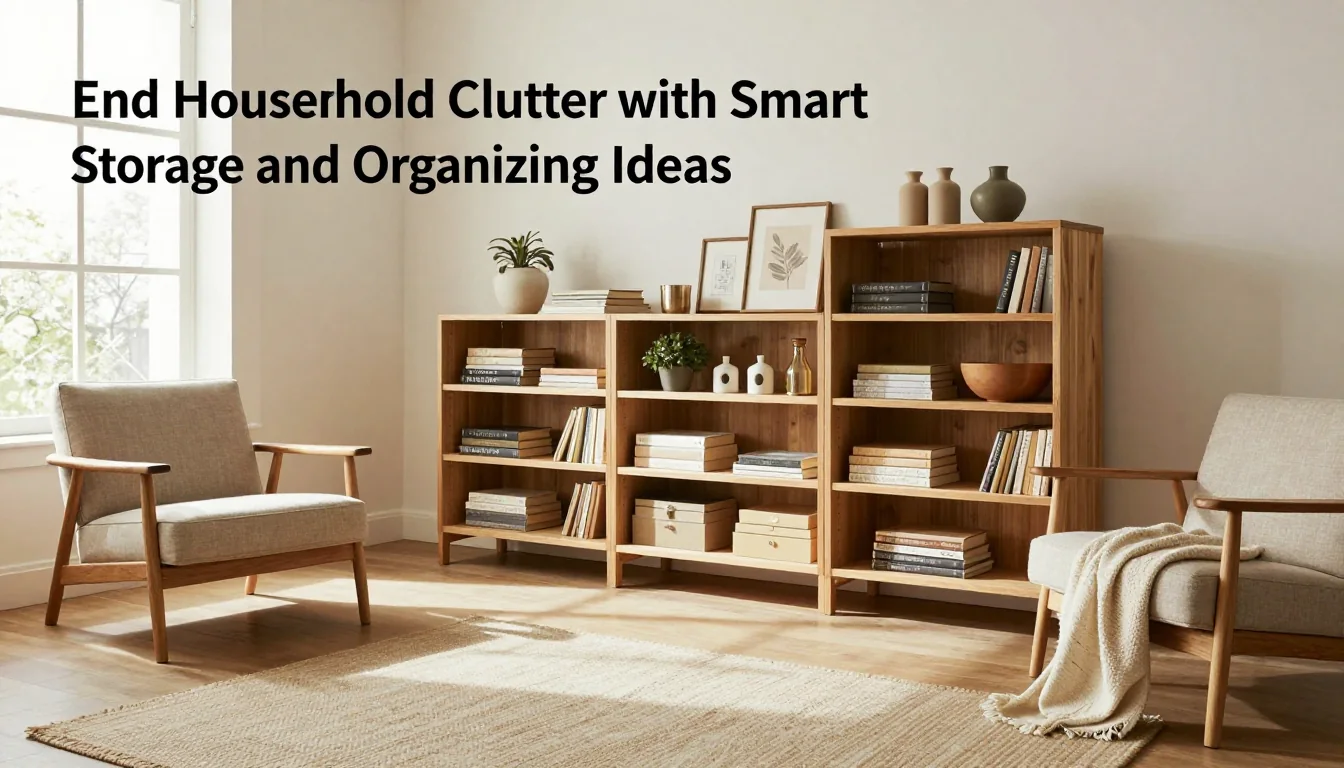
If your home feels less like a sanctuary and more like an overflowing archive, you are not alone. The modern desire for aesthetic perfection often clashes violently with the reality of accumulated belongings. We are constantly bombarded by visual noise—piles on countertops, clothes draped over chairs, forgotten items lurking in dark corners. This perpetual state of mild chaos doesn't just look bad; it subtly taxes our mental energy, draining the very peace we seek from our living spaces. The common advice to 'just declutter everything' is overwhelming and often leads to burnout or temporary fixes that crumble under pressure.
Instead of viewing organization as a monumental, all-or-nothing overhaul, consider adopting a strategic, measured approach: The One-Zone-at-a-Time Method. This philosophy shifts the focus from conquering the entire house in one exhausting sprint to achieving consistent, incremental victories. By committing to one small area—a single drawer, a shelf unit, or even just your bedside table—you transform an impossible task into manageable steps. It allows you to build momentum and develop sustainable habits without succumbing to the paralyzing weight of endless disarray. This method is less about extreme minimalism and more about intentional living, creating pockets of tranquility within the grand sweep of daily life.
Identifying Your Starting Point for Immediate Impact
The biggest hurdle in decluttering is often inertia—the sheer paralysis that comes from facing a mountain of mess. The One-Zone method demands you bypass the 'big picture' and zoom in on the smallest, most contained area possible. This initial zone should be low-stakes but high-visibility; perhaps a kitchen spice drawer, a single medicine cabinet shelf, or the surface of your desk. Choosing a manageable starting point is crucial because it guarantees an early, visible success. When you successfully organize that small space—when the drawer closes neatly and everything has its place—you receive a powerful psychological reward. This feeling of accomplishment fuels momentum, making the next zone seem less daunting. Before beginning any cleanup, establish clear boundaries for your chosen zone. Determine exactly what is inside it, how much space you have to work with, and what the desired finished state looks like. Define success before the first item leaves its current location; this clarity prevents aimless sorting and ensures your efforts are focused and purposeful.

The Three-Step Process of Zone Transformation
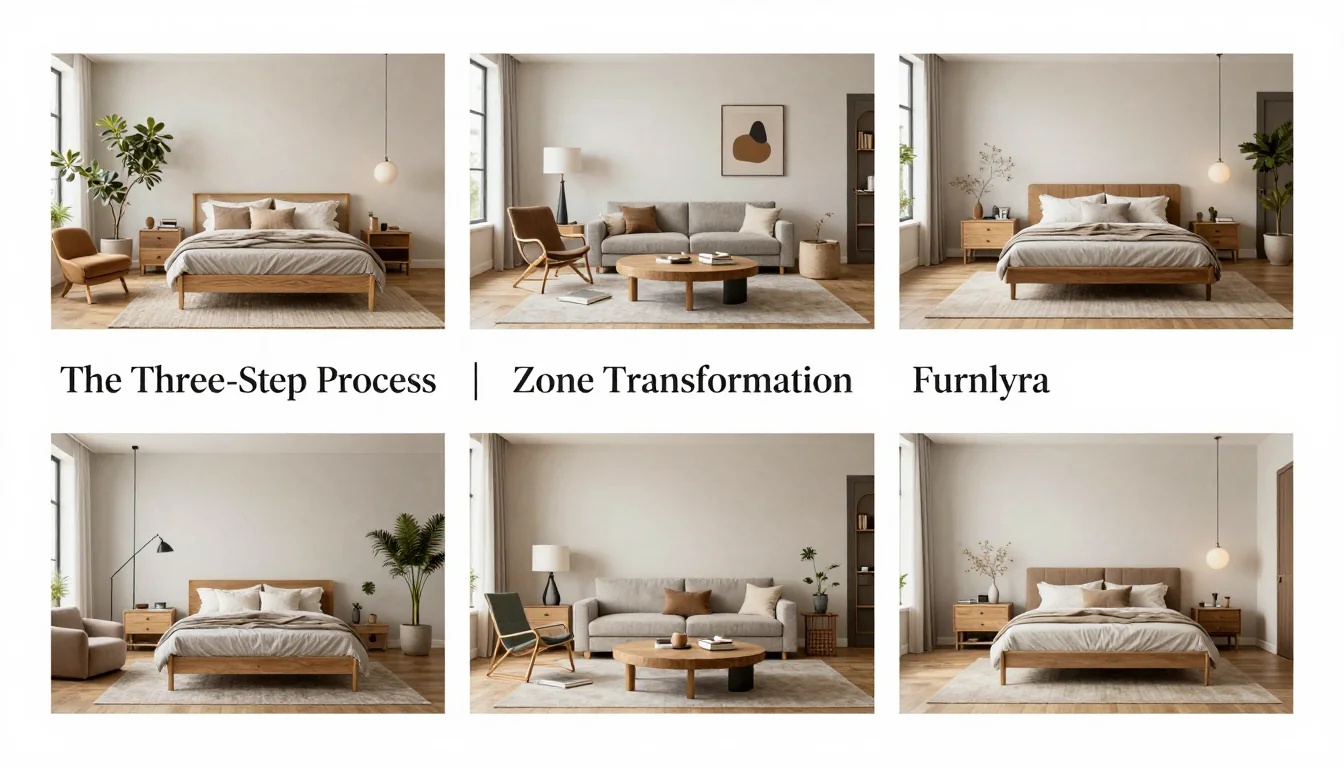
Once your zone is selected, approach the task systematically using a simple three-step process: empty, evaluate, and elevate. First, completely empty the chosen area. Take everything out—every pen, every cable, every trinket. This allows you to see the true volume of items and prevents you from attempting to organize clutter within existing clutter. Next comes the evaluation phase. Hold each item individually and ask yourself a critical question: Does this belong in this zone? Do I use this regularly? Is it functional? Be ruthless but fair. Items that don't meet these criteria must be sorted into 'Keep,' 'Relocate' (items belonging elsewhere), or 'Discard/Donate.' This step requires emotional detachment; remember you are organizing the space, not judging your past purchases. Finally, the elevation phase involves optimizing the storage itself. Use appropriate containers—small bins, dividers, or tiered trays—to maximize vertical and horizontal space. Group like items together (e.g., all batteries in one small container, all charging cables in another). The goal is not just to store things, but to make them easily accessible, ensuring that the zone remains functional and aesthetically pleasing.
Cultivating Consistency Through Micro-Maintenance
The ultimate failure of large-scale cleaning projects is often a lack of maintenance. If you treat organization as a one-time event, it will inevitably revert to chaos. The true genius of the One-Zone method lies in its scalability and sustainable nature. Once your initial zones are transformed, introduce 'micro-maintenance' routines. Instead of waiting for the entire house to become overwhelming again, dedicate five to ten minutes each day or every few days to a single zone. This could mean tidying up the entry table, wiping down one section of the kitchen counter, or putting away all items in your bedside drawer. These small, consistent efforts prevent minor clutter from escalating into major crisis zones. Furthermore, adopt a 'one-in, one-out' rule for specific high-clutter areas, such as clothing or books. If you buy a new item, an old, similar item must leave the house. By integrating these tiny habits into your daily routine, organization stops feeling like a chore and starts feeling like a natural extension of intentional living. You are not striving for sterile perfection; you are striving for sustainable calm.
Practical Planning Notes
Measure the item group first, then allow a little breathing room rather than filling every shelf edge to edge.
Material Perspective
Closed cabinetry quiets visual noise; open shelving makes everyday items easier to reach but needs a tighter edit.
Before You Commit
Assign a home, access frequency, and reset routine to every storage zone before buying containers.
For related, room-specific ideas, continue with the guides in this category or return to the Furnlyra home page.