The floating shelf offers a sleek, minimalist solution to maximizing vertical space without introducing visual bulk. Beyond mere decoration, these shelves serve as highly effective storage units and dynamic focal points within any room. However, successful implementation requires careful consideration of placement, structural limitations, and how the items placed upon them interact with the overall design scheme. Mastering the art of floating shelving involves balancing aesthetic appeal with practical engineering.
Strategic Placement for Function and Visual Balance
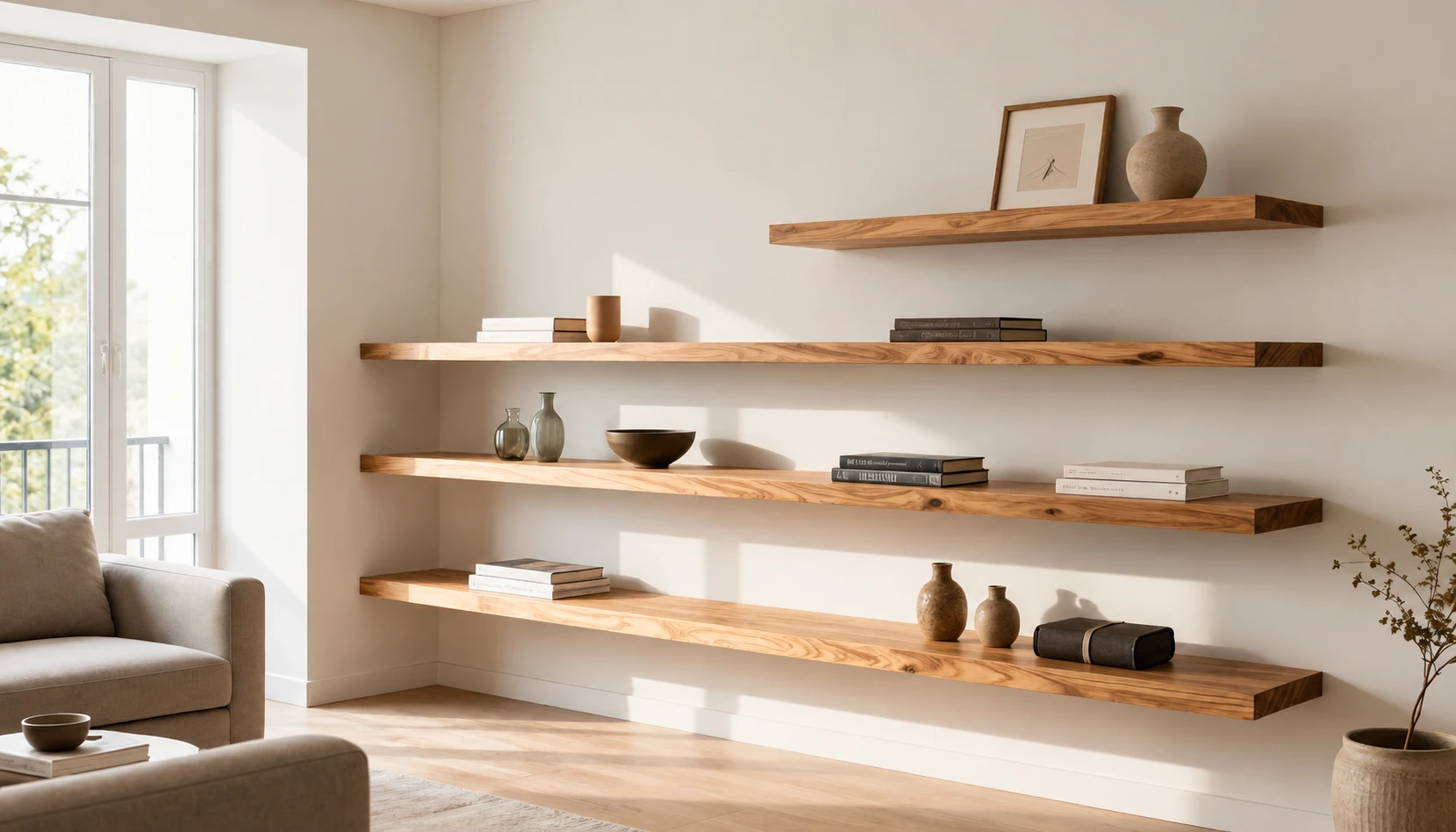
When determining where a shelf will reside, prioritize the room’s existing flow and visual weight. Shelves should complement, not compete with, major architectural features like fireplaces or large windows. In living areas, placing shelves at eye level (approximately 54 to 60 inches from the floor) draws attention while remaining easily accessible for decorative items. Conversely, if the goal is purely functional storage in a hallway or office, placement higher up can utilize dead space and maintain clear pathways beneath.
Consider grouping shelves rather than scattering them individually; clustered placements create a more cohesive architectural element that feels intentional and balanced. If you are using multiple shelves of varying lengths, ensure the heaviest items—such as books or decorative ceramics—are placed on the lowest shelf in each cluster to ground the arrangement. This technique prevents the overall display from feeling top-heavy or unstable.
The concept of visual balance also dictates how shelves relate to nearby furniture. If a large sofa anchors one wall, an equally sized shelving unit can create equilibrium across the room, preventing the space from feeling unbalanced. When placing shelves in smaller rooms, utilize shorter, wider units rather than tall, narrow ones; this maintains horizontal lines and prevents the space from being visually compressed.
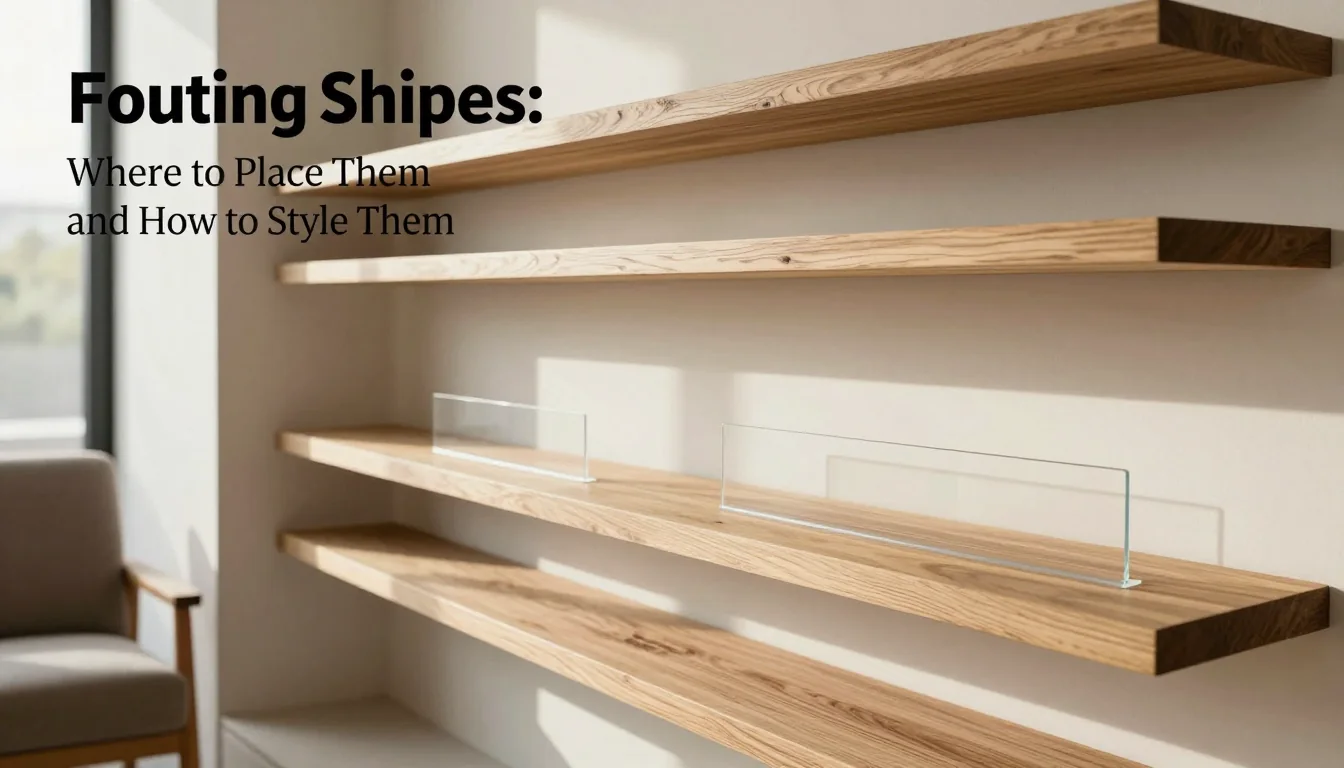
Structural Integrity and Safety Considerations
Before mounting any floating shelf, it is critical to identify your wall material. Drywall requires specialized toggle bolts or heavy-duty anchors designed specifically for gypsum board; standard nails will not withstand significant weight. Brick, concrete, or solid plaster are far more robust but often require drilling into studs or using chemical masonry anchors that distribute the load across a larger area of the substrate.
Never exceed the manufacturer’s stated load limit, even if the shelf appears sturdy. Load limits account for dynamic stress—vibration from walking nearby, temperature changes, and the uneven distribution of weight. If you plan to display heavy items like stacks of encyclopedias or large pottery pieces, opt for a reinforced shelving system designed for high-density storage rather than a purely decorative one.
For material care, observe specific cautions based on the shelf surface. Wood shelves, especially those made of engineered lumber, are susceptible to warping if exposed to fluctuating humidity; keep them away from direct plumbing lines or extreme temperature changes. Glass shelves require careful handling and must be mounted with supports that evenly distribute weight across their entire length to prevent stress fractures.
Styling Techniques for Optimal Storage
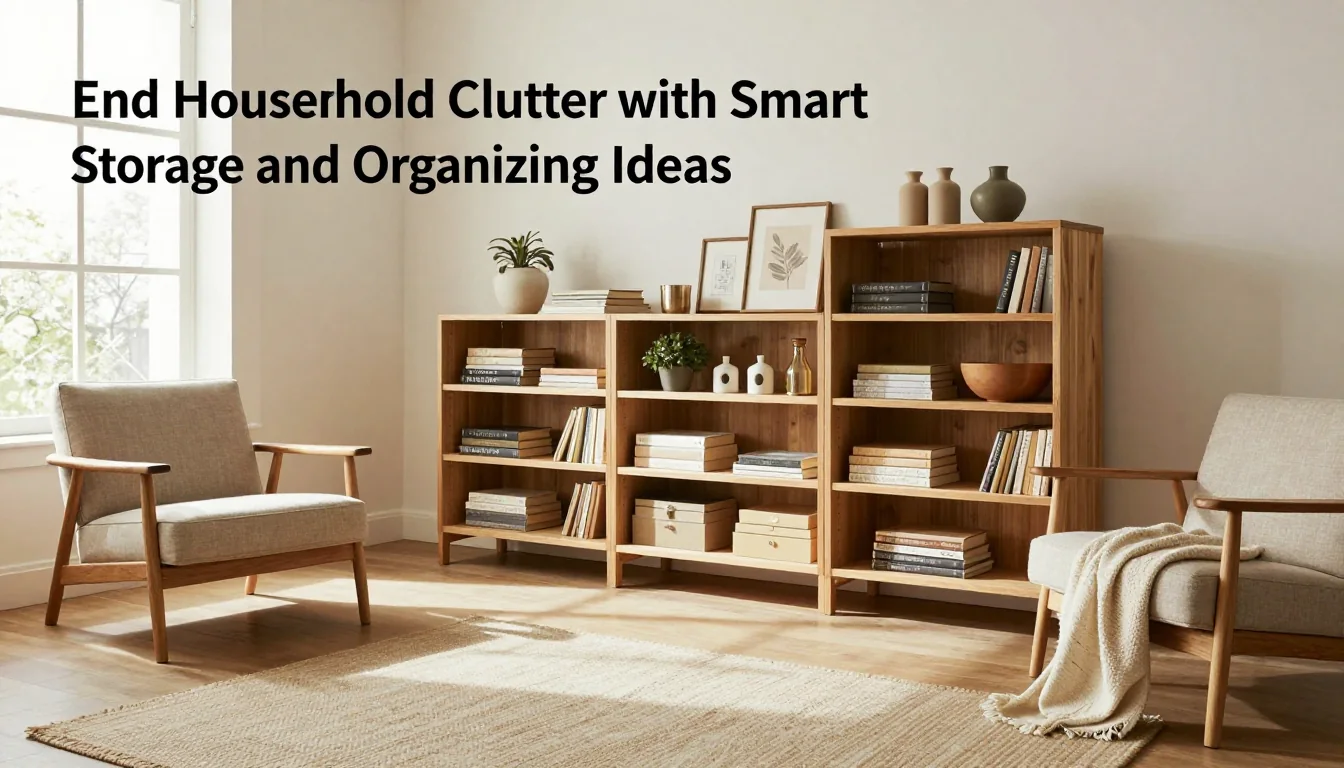
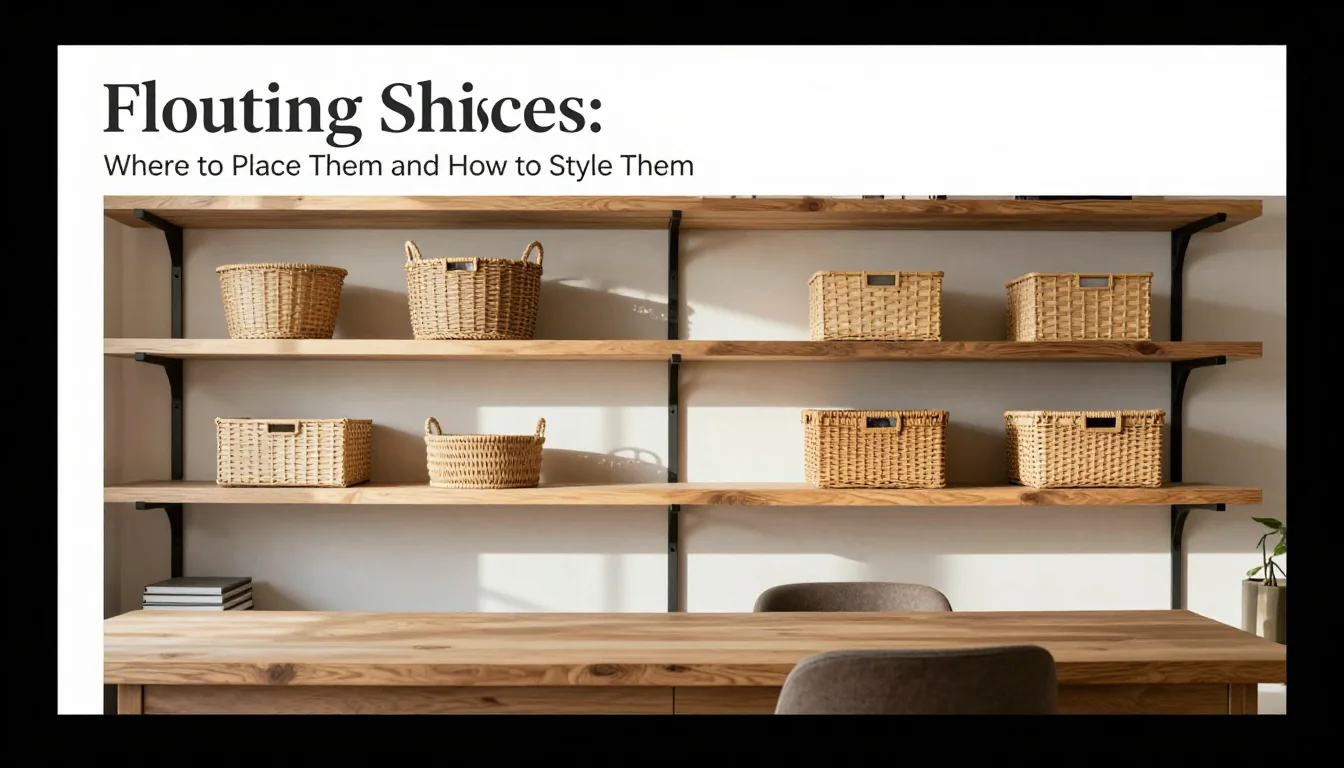
Effective styling is a mix of curation and functionality. Do not treat the shelf as a single display case; instead, vary the types of items presented. Interspersing functional storage—such as attractive woven baskets or closed boxes used to hide clutter—between open displays prevents the shelf from looking like an overloaded museum exhibit. This layering approach maximizes both visual appeal and usable space.
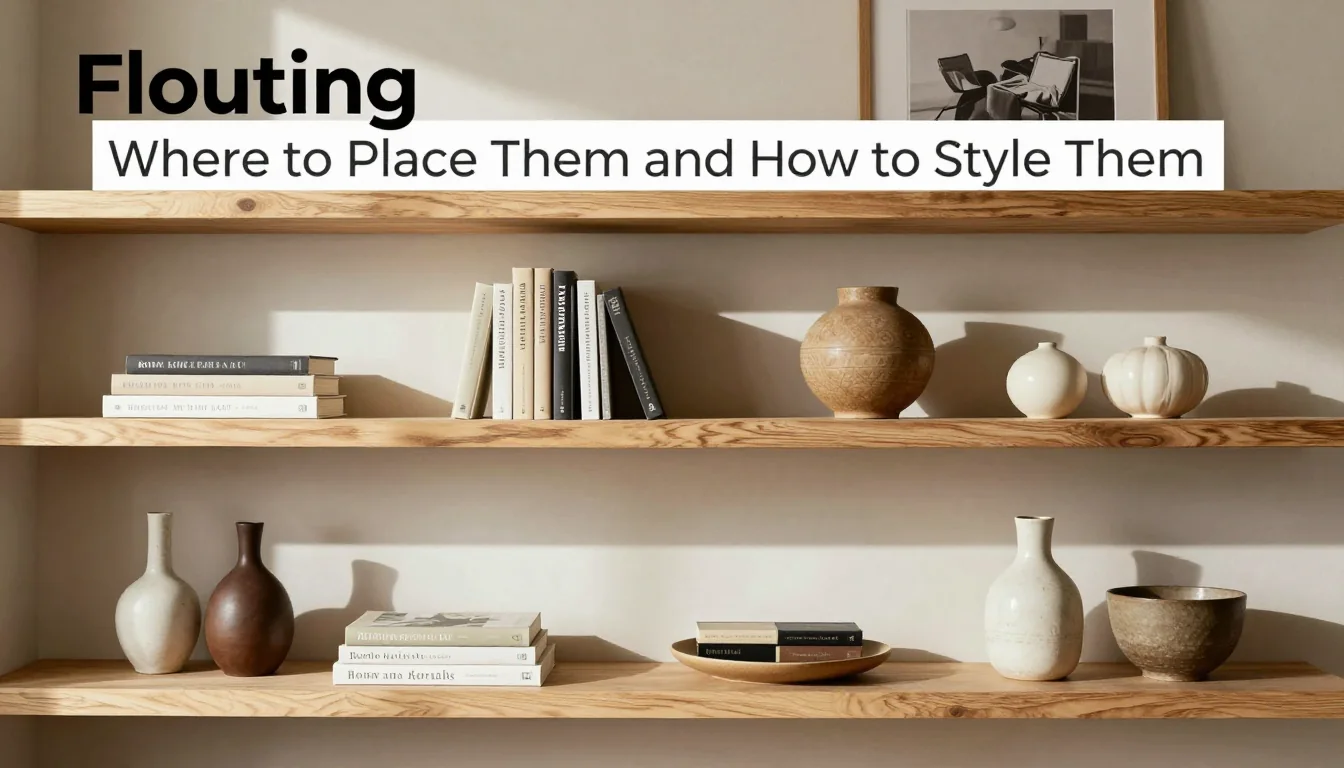
When arranging decorative items, employ the 'rule of odds' (grouping objects in sets of three or five) and vary the heights. Placing a tall item next to two smaller ones creates dynamic movement and prevents the arrangement from looking static. Use verticality by grouping books stacked both horizontally and vertically, creating textured visual interest.
The final styling step involves considering negative space—the empty areas on the shelf. Allowing deliberate gaps between objects is crucial; it provides the eye a resting place and ensures that the items you have chosen to display are highlighted rather than overwhelmed by density. This restraint is key to achieving a clean, intentional aesthetic.
Practical Planning Notes
Measure the item group first, then allow a little breathing room rather than filling every shelf edge to edge.
Material Perspective
Closed cabinetry quiets visual noise; open shelving makes everyday items easier to reach but needs a tighter edit.
Before You Commit
Assign a home, access frequency, and reset routine to every storage zone before buying containers.
For related, room-specific ideas, continue with the guides in this category or return to the Furnlyra home page.