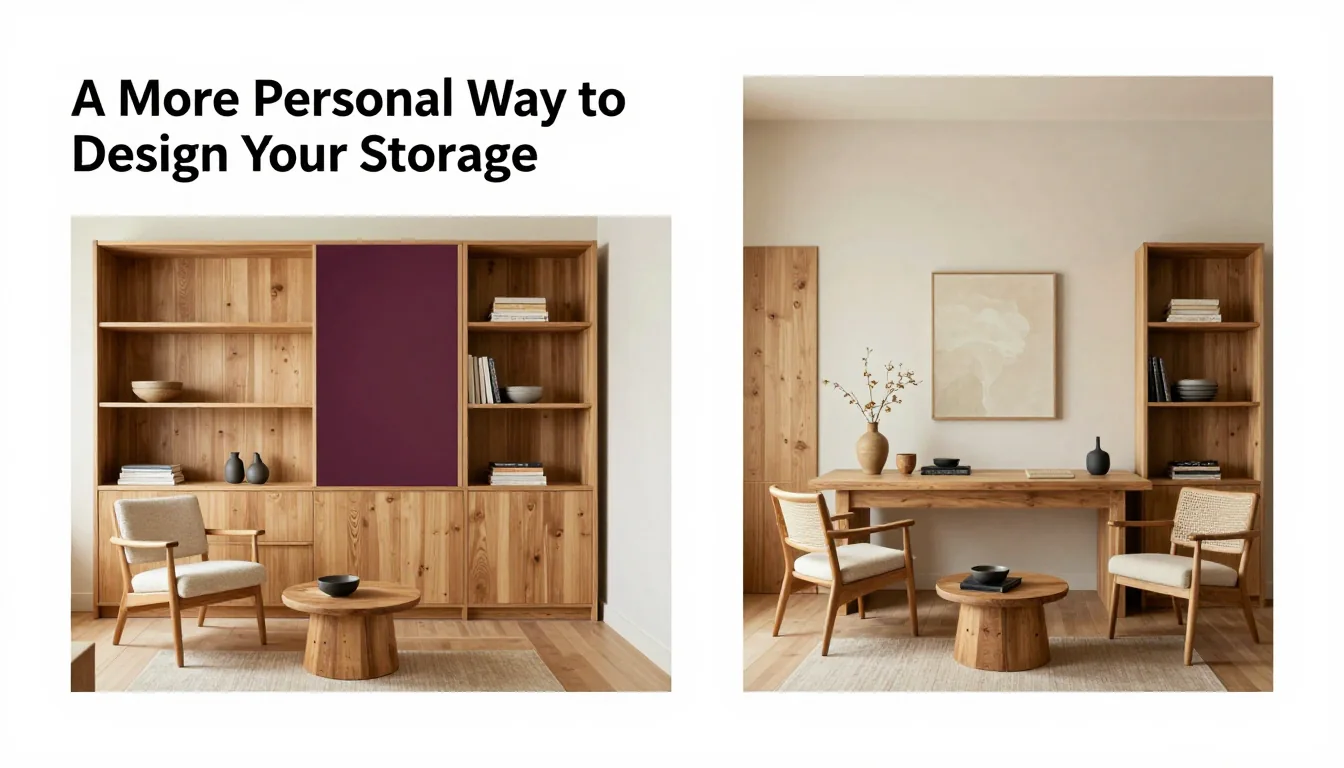
The most successful interiors are not defined by the quantity of items they hold, but by how effortlessly those items operate within them. Effective storage moves beyond mere containment; it is a quiet system designed to reduce friction in daily life. The goal is not an immaculate showroom display, but a living environment where routines feel simpler and visual clutter remains manageable. This guide focuses on making practical decisions—from layout to material choice—that ensure your storage solutions work for the rhythm of your actual life.
Defining Needs Before Selecting Furniture
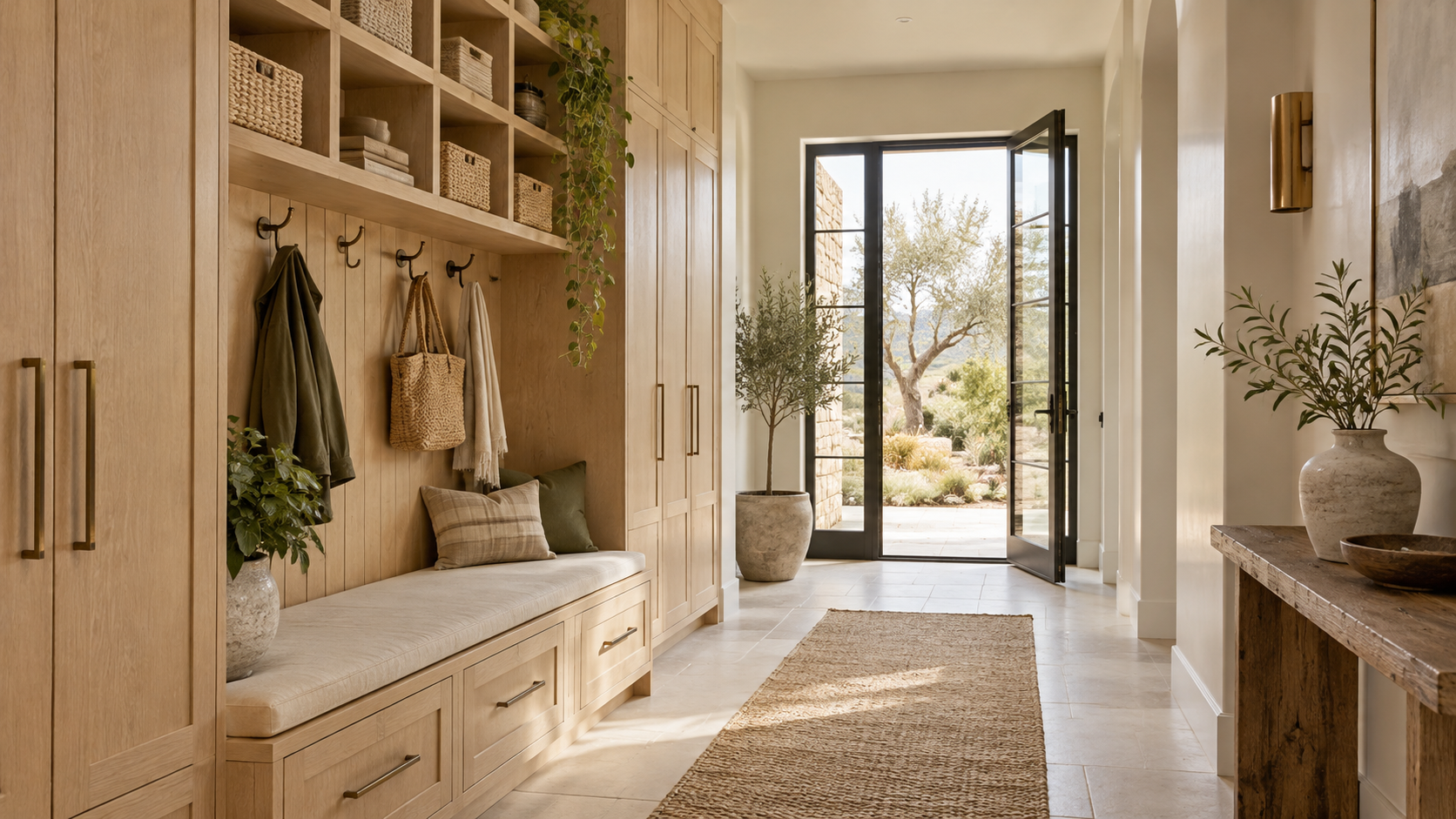
The essential first step is a rigorous inventory of daily habits. Do not begin by admiring furniture; start by observing where you pause, what items are frequently misplaced, and which tasks cause minor frustration—this might be keys on the hall table or charging cords tangled near a sofa. Identify these 'friction points' as specific zones that require tailored storage solutions. For instance, if your morning routine involves packing lunch and grabbing coats, dedicate a defined 1-meter zone with easy access to hooks and shallow shelving, rather than scattering items across an entire wall.
When planning the layout, prioritize circulation clearance over maximum capacity. Ensure there is adequate space—ideally 90cm of clear pathing—to open drawers fully, pull out chairs without scraping, or stand comfortably in front of a cabinet to retrieve an item. A common mistake is selecting deep storage units that intrude on walking paths; this creates visual congestion and makes accessing the back items cumbersome. The trade-off here is sacrificing some cubic footage for vastly improved usability.
Measure not just the available space, but the actual volume required by your objects. If you store books, measure the average thickness of your collection; if it's a mixed bag, estimate worst-case scenarios. For utility areas like pantries or laundry rooms, consider specific depths: standard cabinetry often measures 60cm deep, which is excellent for bulk items, but shallow units (35-40cm) are better for high-traffic zones where quick grabbing is necessary.
Integrating Storage Seamlessly into the Design
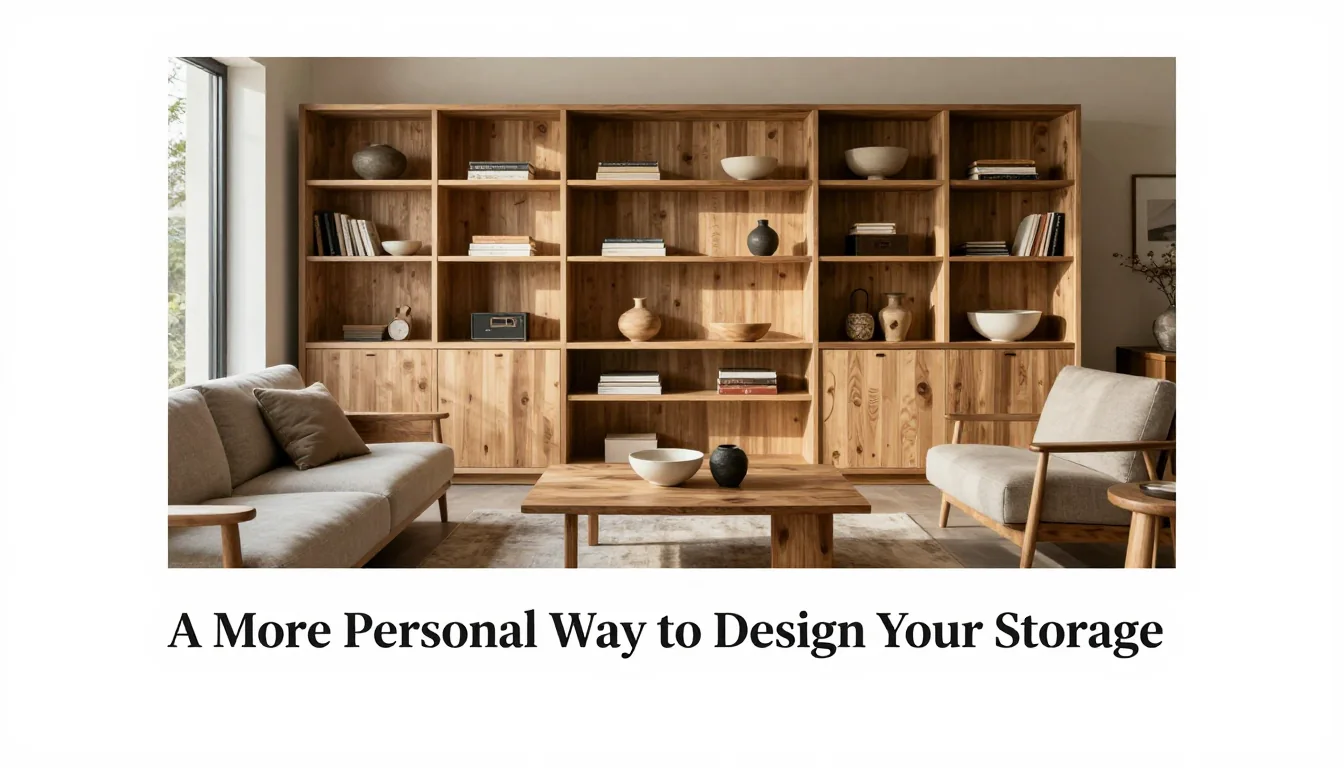
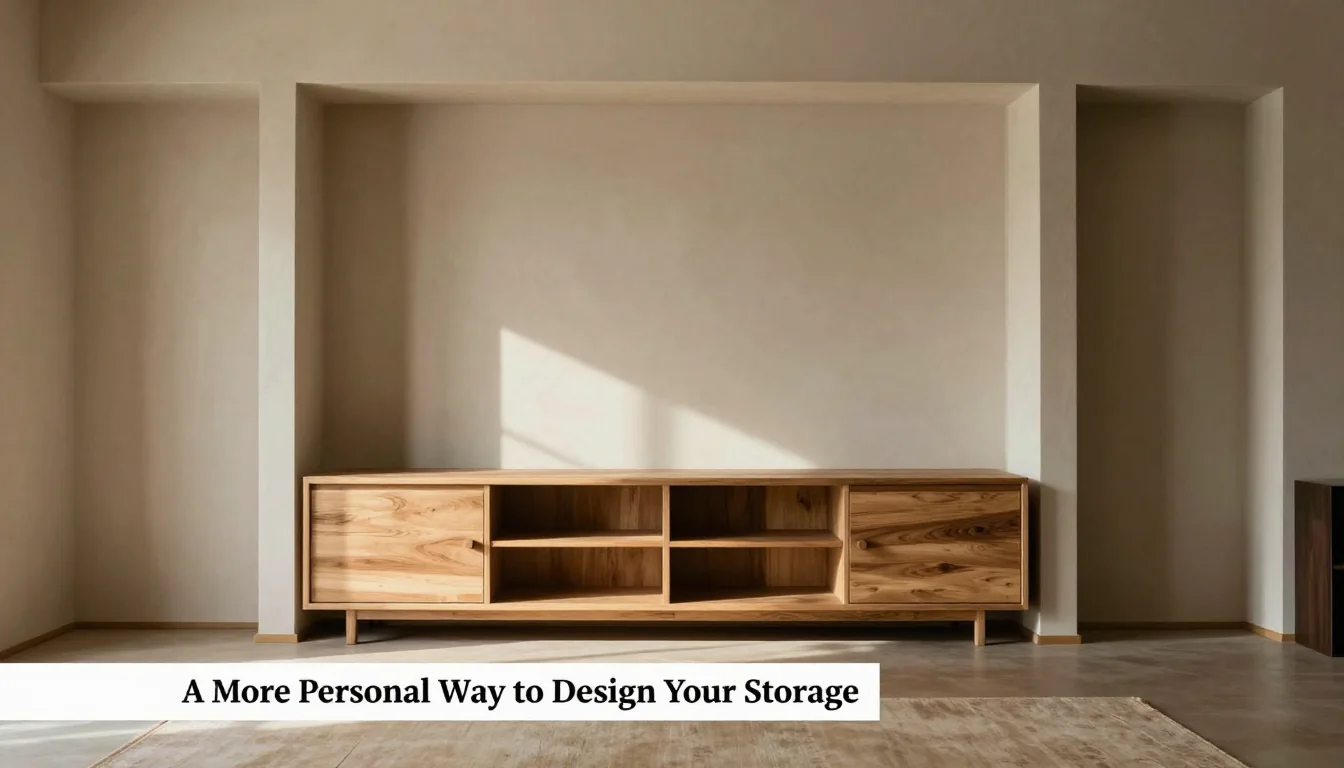
To achieve visual calm, storage must feel like an extension of the architecture, not a collection of freestanding units. Built-in cabinetry and wall-to-wall millwork are highly effective in this regard because they eliminate sharp edges and define boundaries cleanly. When choosing finishes for these integrated pieces, restraint is key: repeat one or two material textures—such as matte oak veneer paired with soft brushed metal hardware—throughout the space. This repetition establishes a visual rhythm that makes the room feel settled, even when it’s actively being used.
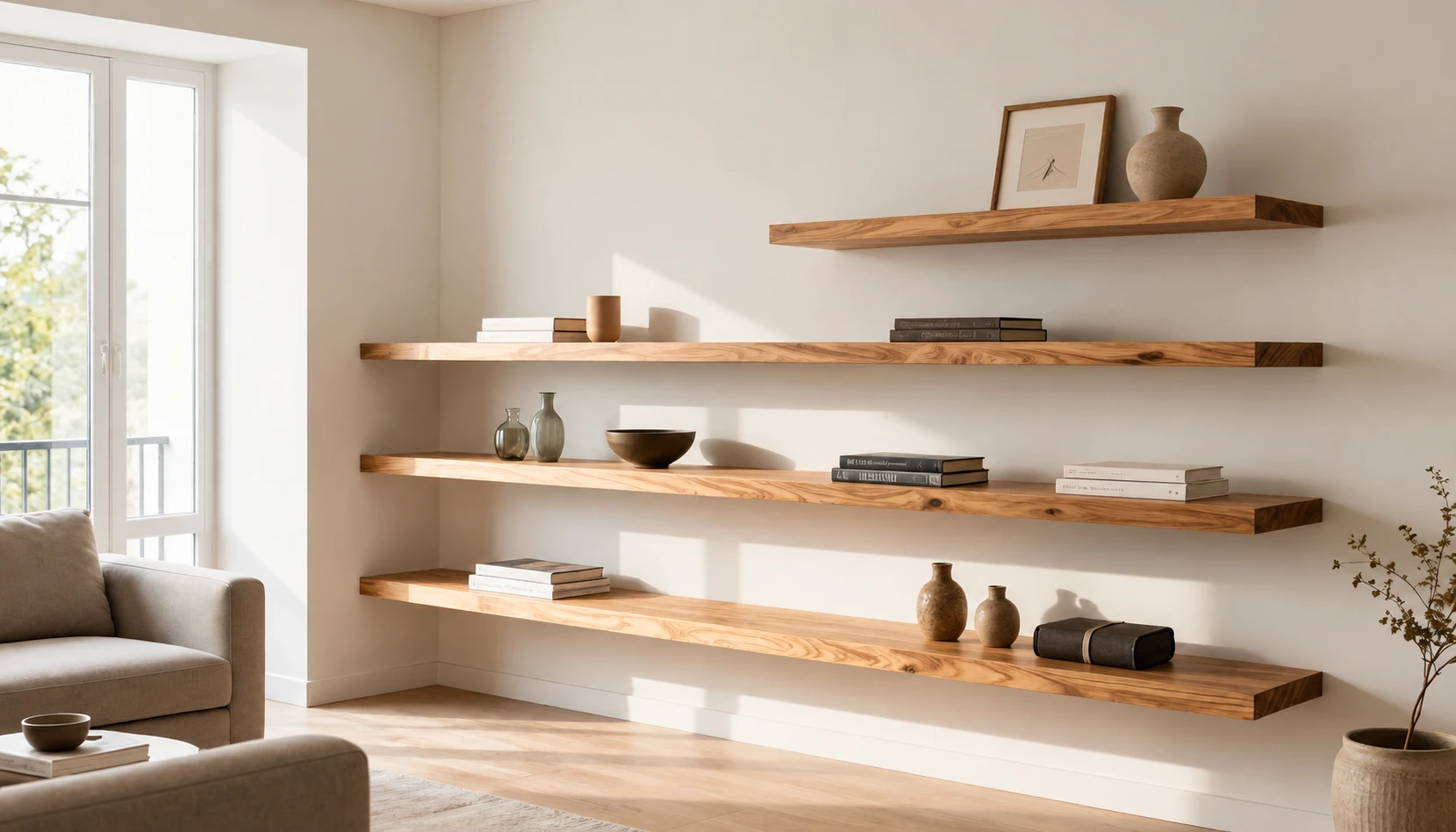
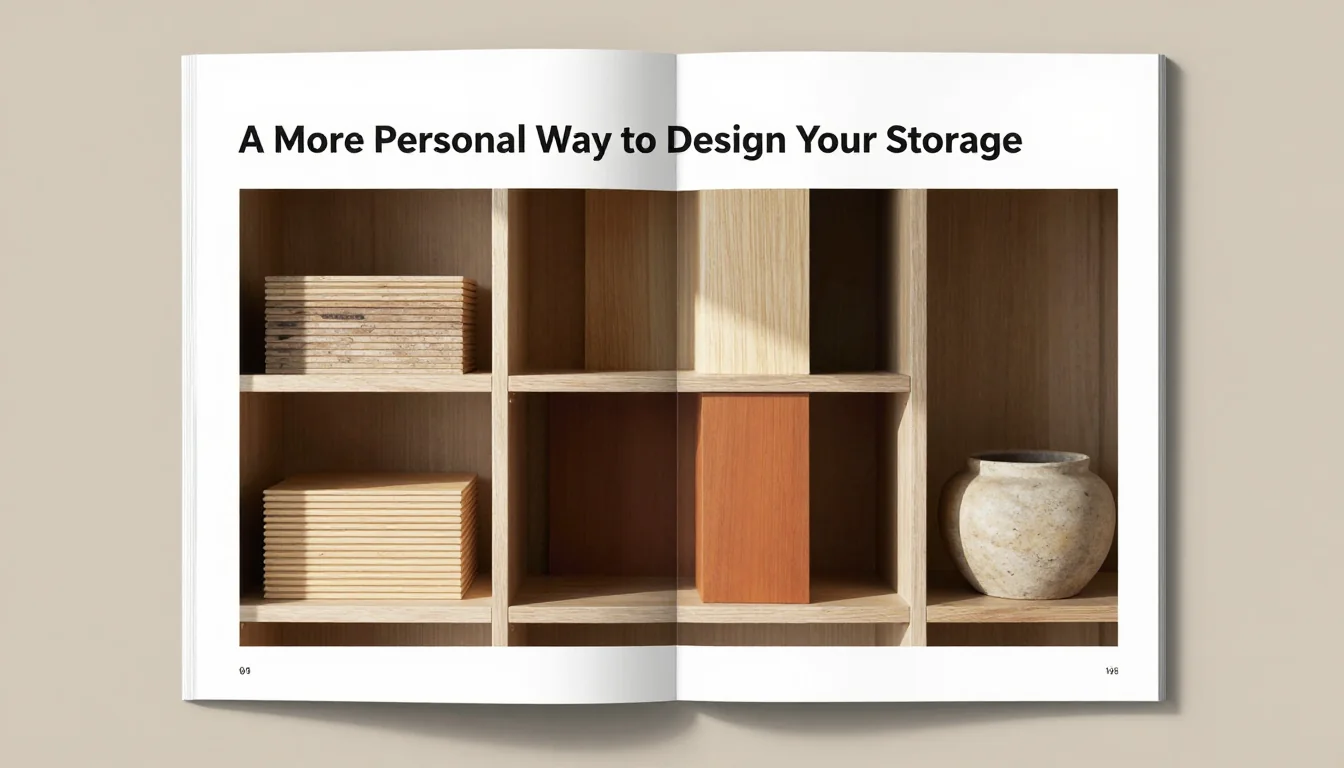
When deciding between open shelving and closed storage, assess the nature of what you are storing. Highly curated or aesthetically pleasing items (e.g., ceramics, design books) can benefit from open display; however, daily clutter—mail, charging cables, miscellaneous supplies—must be relegated to cabinets with doors. If opting for semi-open units, utilize internal dividers and matching containers (like woven baskets or solid ceramic bins) to visually unify the contents and prevent a chaotic spill of texture.
Consider how light interacts with your chosen storage. Deeply recessed cabinets can create dark voids, while overly glossy surfaces can reflect too much glare. Opt for cabinetry that incorporates subtle LED strips within shelves; this provides functional task lighting inside the unit without requiring visible fixtures on the surface. A good trade-off to consider is using matte or satin finishes over high gloss, as they absorb light gently and hide minor dust accumulation better.
Refining Function Through Detail and Maintenance
The quality of the smaller components dramatically affects a storage system's longevity and perceived value. Do not overlook hardware; hinges, drawer slides, and handles should be robust and designed to handle frequent use. For high-use areas like kitchen drawers or entryway cabinets, choose full-extension soft-close mechanisms. A common oversight is selecting aesthetically pleasing but functionally weak handles that wear down quickly under daily strain.
Maintenance must be factored into the initial material choice. If you are working with natural timber surfaces, understand its specific care requirements. For oiled finishes, always patch test a small, inconspicuous area first; subsequent maintenance requires gentle wiping and re-oiling as needed to maintain depth. Conversely, matte lacquers require minimal effort but should be dusted regularly with a microfiber cloth to prevent dust from settling into the texture, which can look heavy.
Finally, utilize modularity within your fixed storage. Even if you have beautiful built-in shelving, incorporating adjustable dividers and removable inserts allows the system to adapt as your needs change—whether that means shifting from storing large linens to smaller seasonal items. This flexibility is crucial for long-term satisfaction. The ultimate success of any storage system lies not just in its initial beauty, but in its ability to remain calm and organized through years of actual living.