The most successful interiors are not merely beautiful; they are profoundly useful. A serene living room is achieved when daily life runs smoothly—when items have clear homes and the visual noise is minimized. This guide moves beyond aesthetic trends to offer specific strategies for integrating storage that supports genuine routines. The goal is functional elegance: spaces that feel calm because they work, not just look polished.
Mastering Closed Storage and Verticality
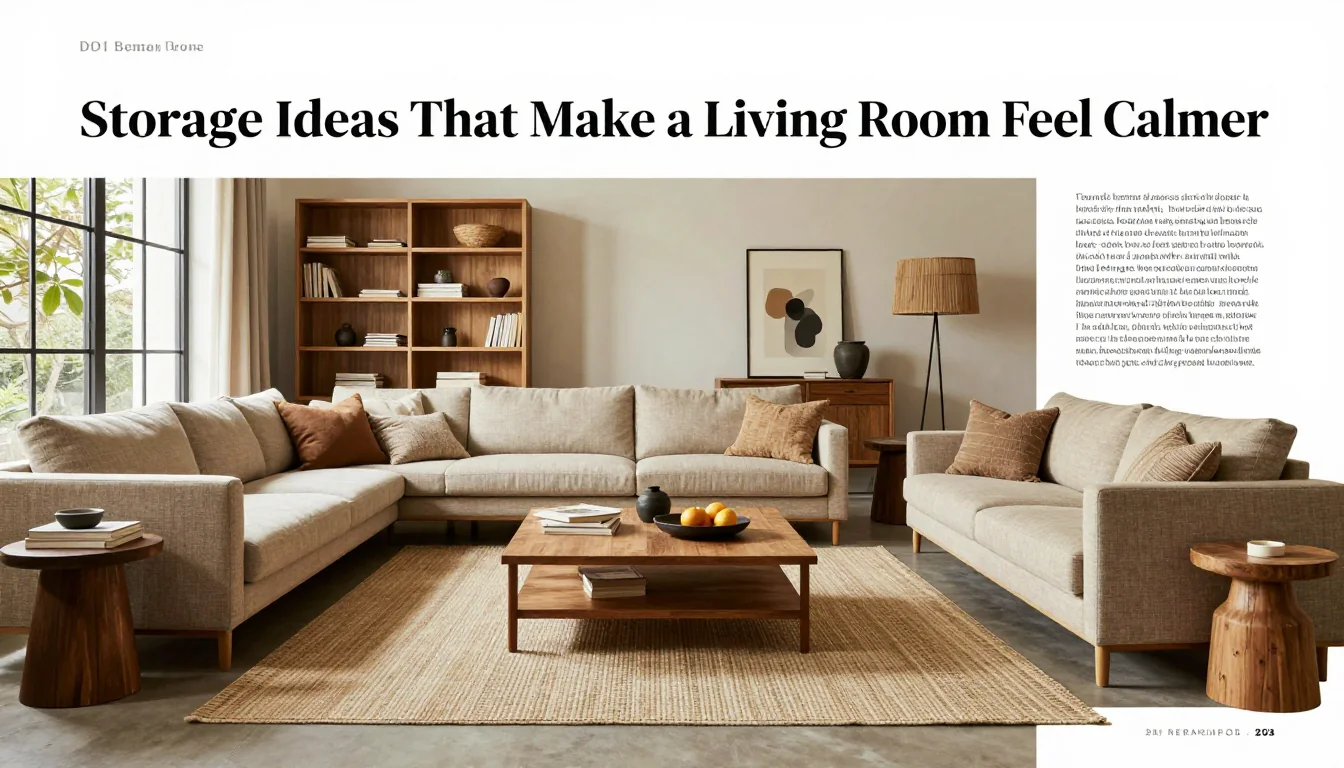
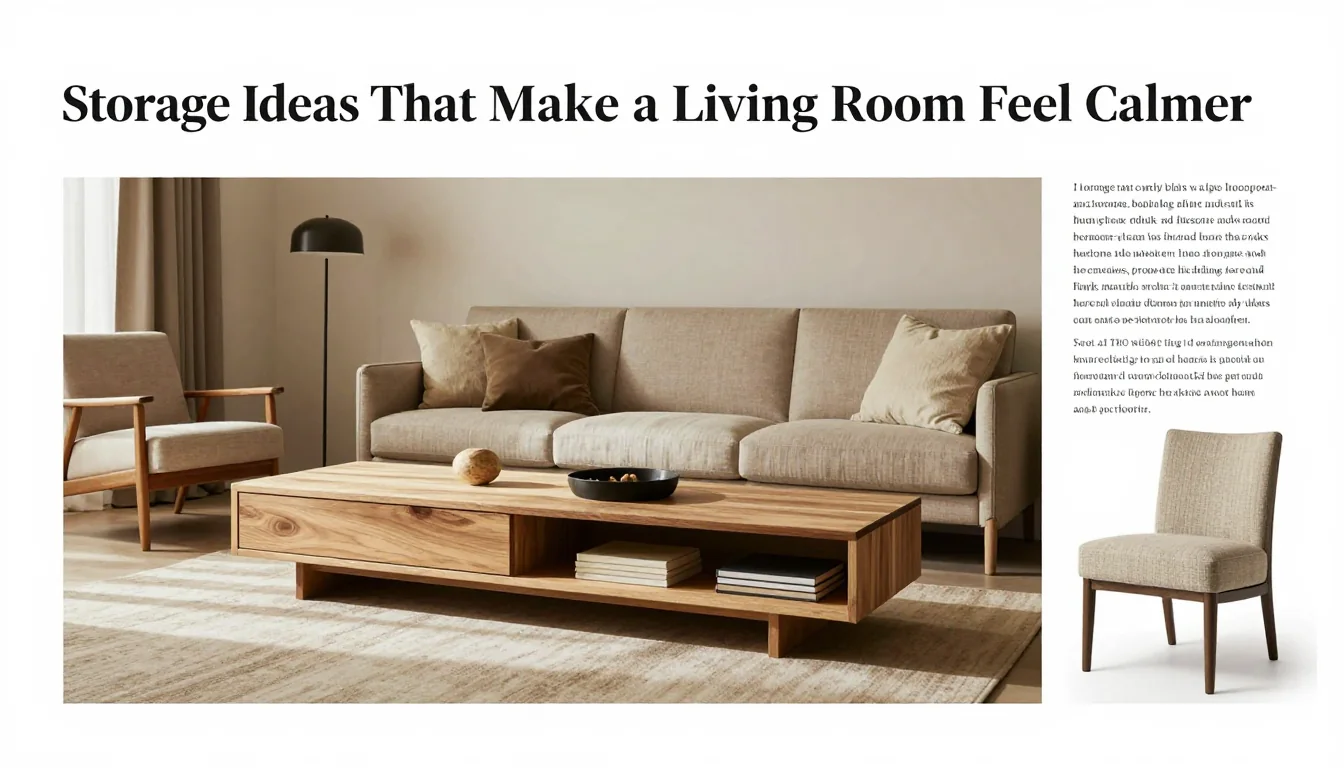
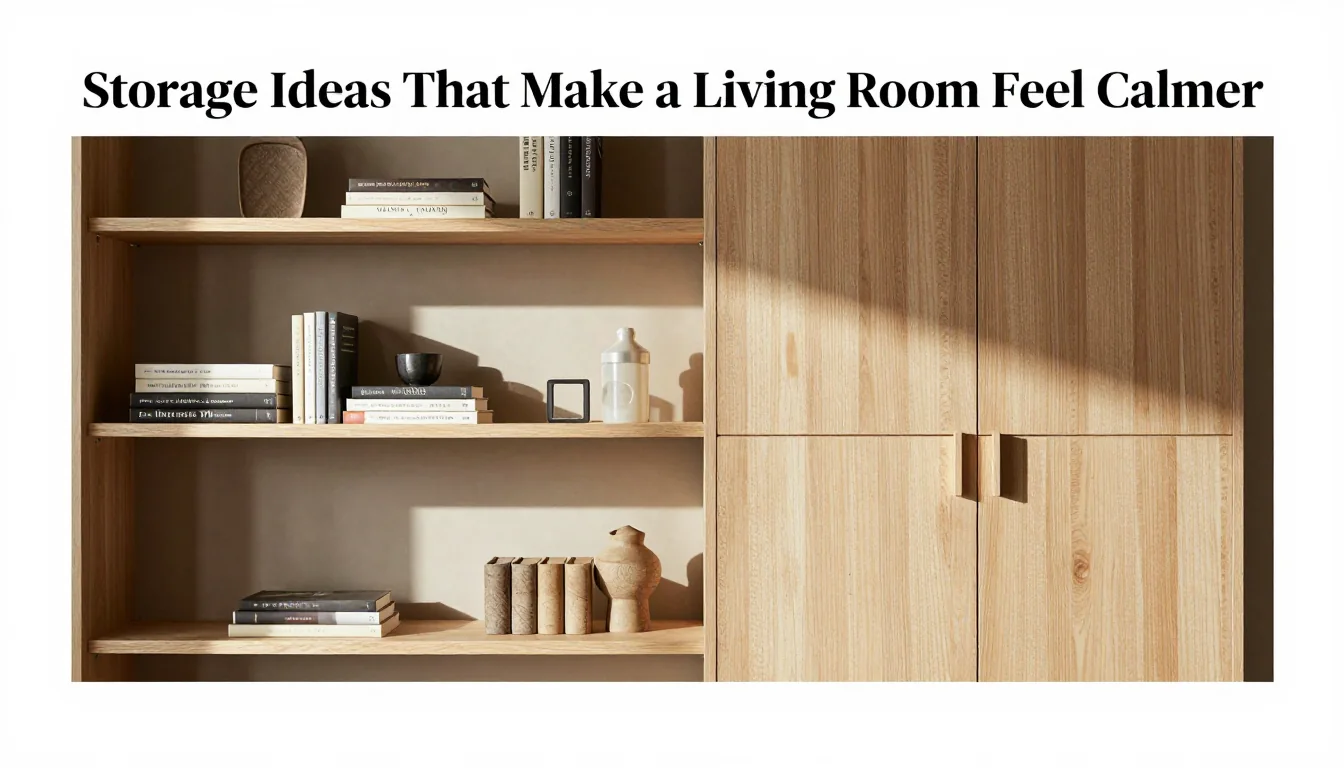
The quickest route to visual calm is minimizing exposed objects. Prioritize built-in or semi-integrated cabinetry over scattered freestanding pieces. When designing custom shelving, consider the depth—a standard 35cm deep unit offers ample storage for media components while preventing items from protruding into the walking path. Trade-off: Built-ins offer superior integration but require significant upfront investment and precise architectural planning.
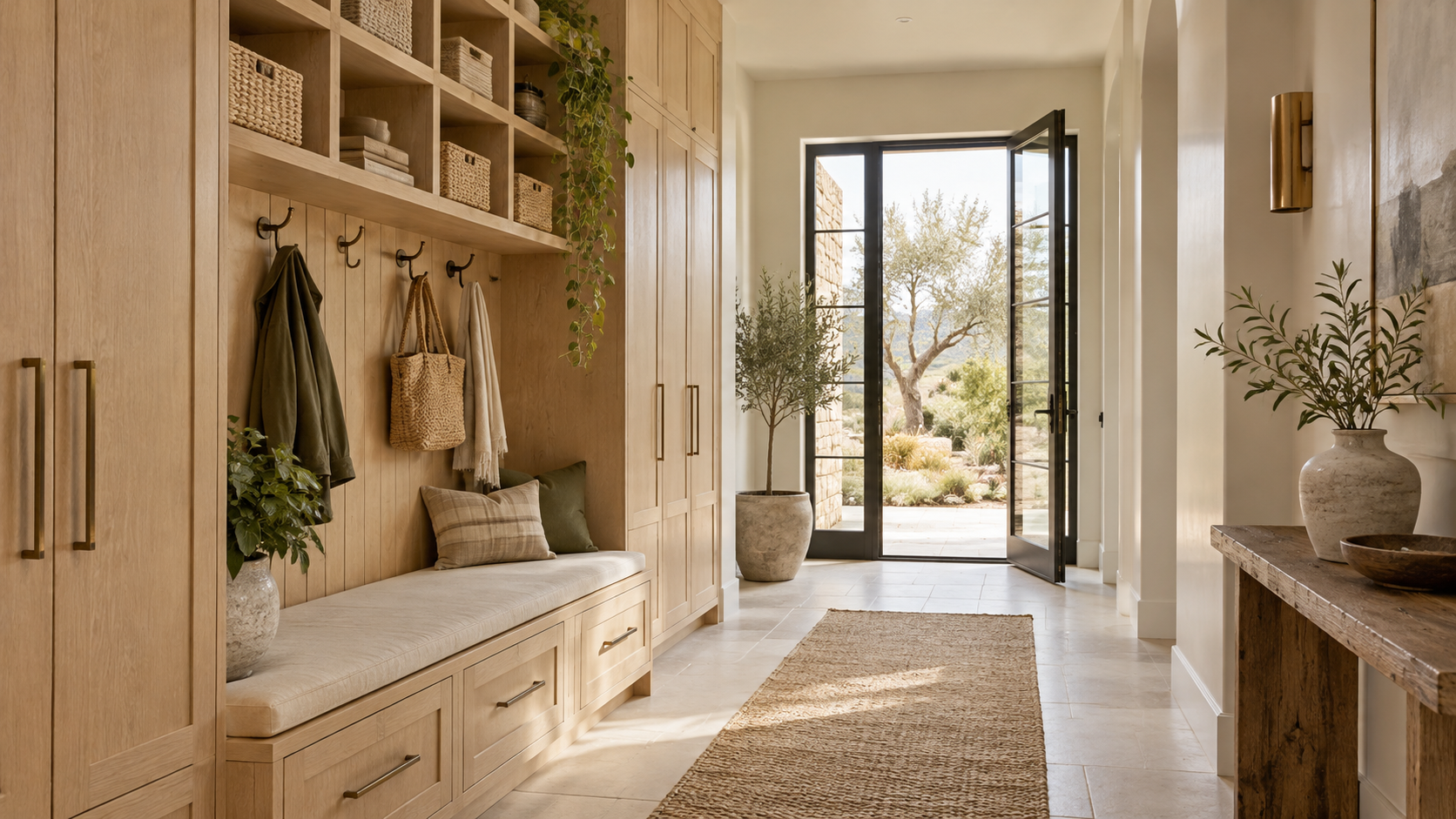
Effective closed storage should be layered. Instead of one monolithic cabinet, utilize a combination of tall units (to draw the eye up and maximize vertical space) paired with lower media consoles that anchor the room. If utilizing modular systems, ensure consistent handle styles or opt for push-latch mechanisms to maintain uninterrupted sightlines. A common mistake is choosing storage too shallow; this results in items looking cramped when pulled out.
For high ceilings, leverage the upper third of your wall space with slim, closed cabinets. These units act as visual anchors without overwhelming the room's scale. Use them for seasonal or seldom-used items. When integrating these tall units into an existing wall, ensure there is a minimum 2cm gap at the floor level to prevent moisture buildup and provide a clean separation from the flooring material.
Curating Display: The Art of Intentional Surfaces
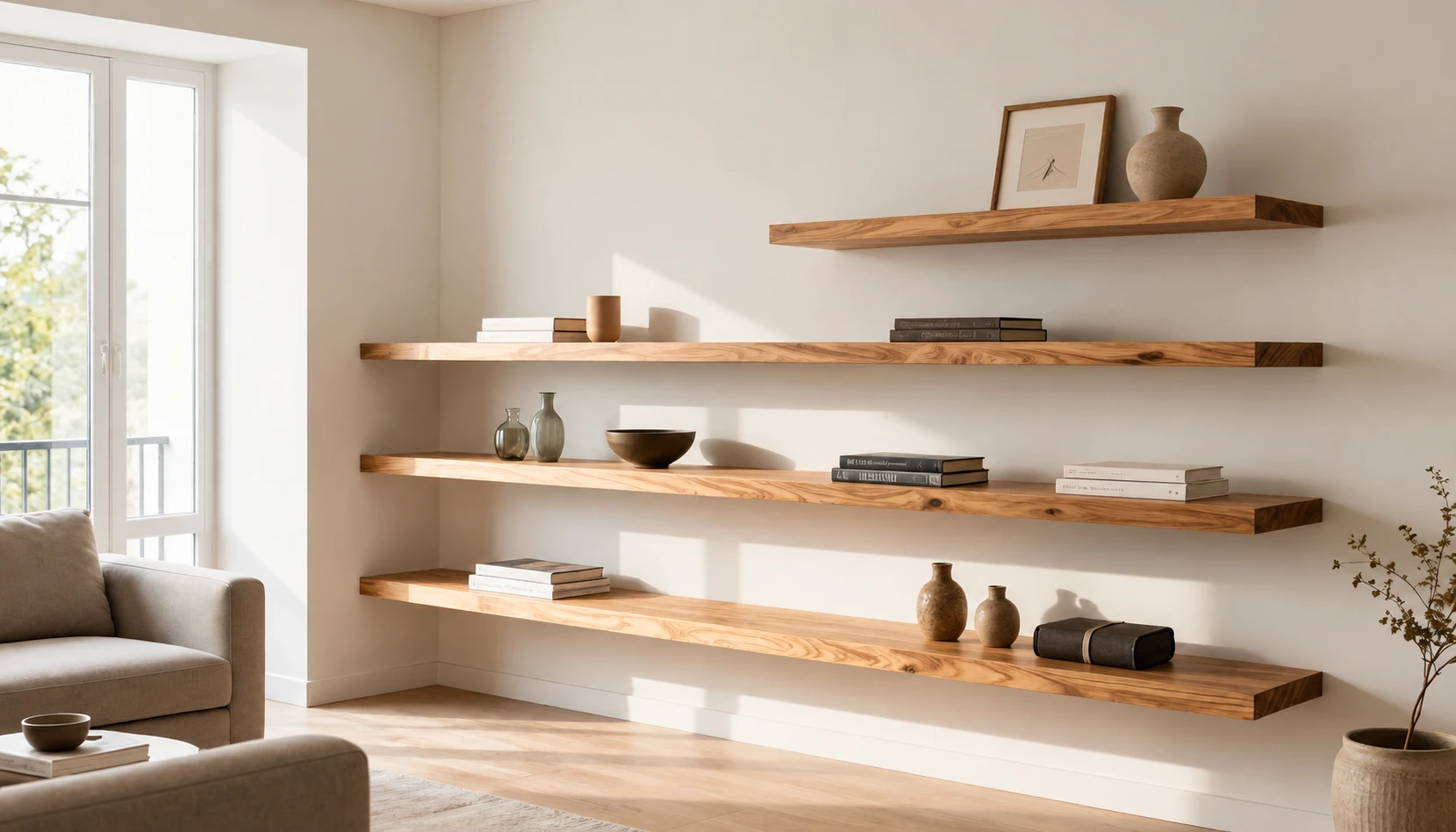
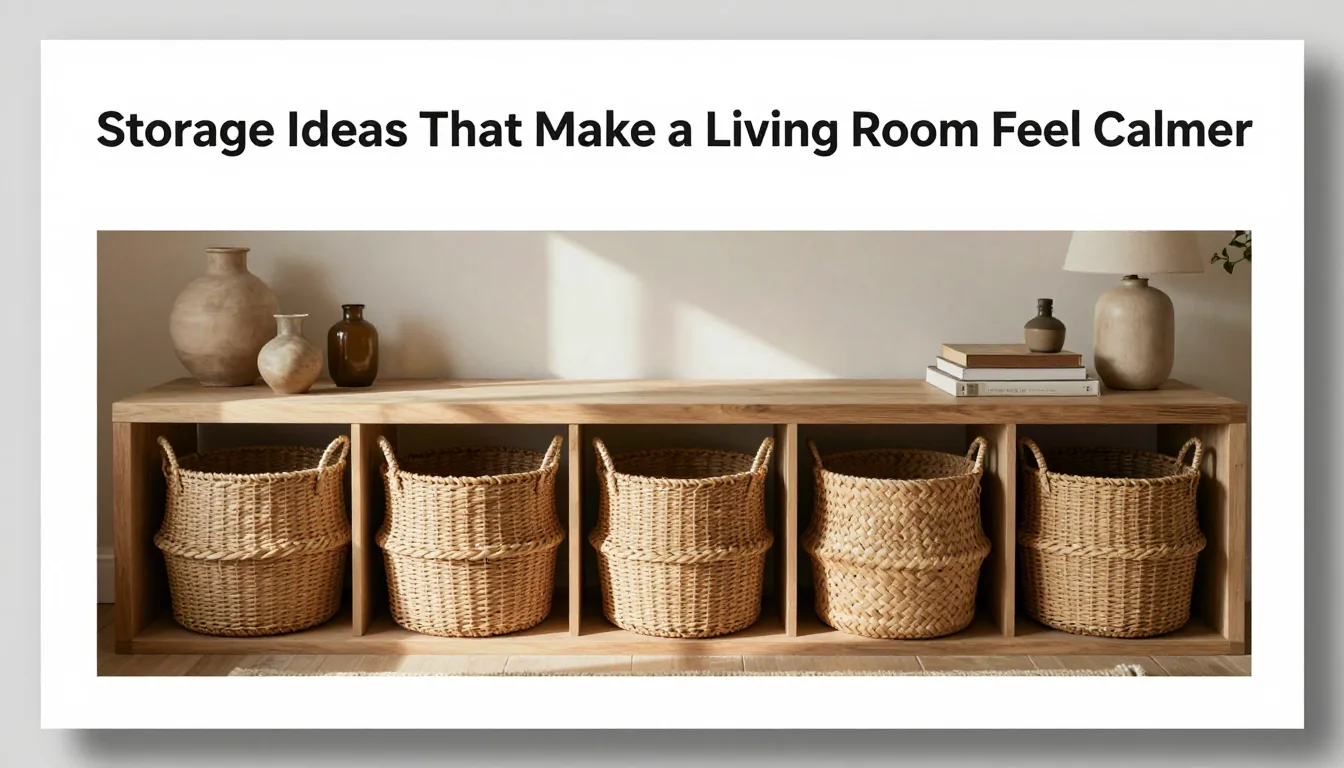
When an item must be visible—on a coffee table, mantelpiece, or open shelf—it must look intentional. Treat these surfaces as carefully edited vignettes, not dumping grounds. Apply the 'Rule of Three': group objects in odd numbers (three or five) to create visual harmony. Use trays, woven baskets, or shallow ceramic bowls to contain smaller items like remotes or coasters; containment immediately elevates clutter into curated texture.
The material palette should be consistent across both storage and display elements. If your primary furniture features matte oak, ensure that the decorative objects—vases, books, candle holders—share a complementary finish (e.g., charcoal ceramics, brass accents). This repetition creates visual rhythm, making the entire room feel settled even if it is actively used. Avoid mixing too many disparate textures; choose two or three dominant tactile finishes.
A common pitfall is over-styling: placing too many objects of similar size in a single cluster. To correct this, introduce variations in height and material weight. For instance, pair a heavy stone vessel (low visual weight) with a tall, slender ceramic piece (high visual weight). This dynamic balance prevents the surface from feeling static or cluttered, even when densely populated.
Flow, Access, and Maintenance Strategies
Functionality is defined by movement. Before finalizing your layout, measure circulation paths strictly. Ensure that main thoroughfares around seating areas maintain a clear path of at least 75cm (approximately 30 inches). This allowance ensures easy passage for people and allows drawers or cabinet doors to be opened fully without bumping into adjacent furniture. Prioritize accessibility; items needed daily should be within an easy reach zone, while bulk storage can occupy less-accessible corners.
For materials requiring maintenance, select finishes based on usage frequency. If you have a high-traffic wooden console with a matte oil finish (e.g., teak), avoid harsh chemical cleaners. Instead, wipe gently with a damp cloth and use specialized wood conditioning oils periodically to maintain the integrity of the finish. Always perform a patch test in an inconspicuous area before applying any cleaning or conditioning product.
The trade-off between capacity and usability is crucial. Deep cabinets (over 40cm) are excellent for bulky items but difficult to access fully. If you require deep storage, integrate internal organization systems—pull-out drawers, adjustable shelving, or dividers. These elements transform a large volume of space into easily managed zones, ensuring that even the most substantial pieces of furniture contribute to calm rather than chaos.
Practical Planning Notes
Measure the item group first, then allow a little breathing room rather than filling every shelf edge to edge.
Material Perspective
Closed cabinetry quiets visual noise; open shelving makes everyday items easier to reach but needs a tighter edit.
Before You Commit
Assign a home, access frequency, and reset routine to every storage zone before buying containers.
For related, room-specific ideas, continue with the guides in this category or return to the Furnlyra home page.