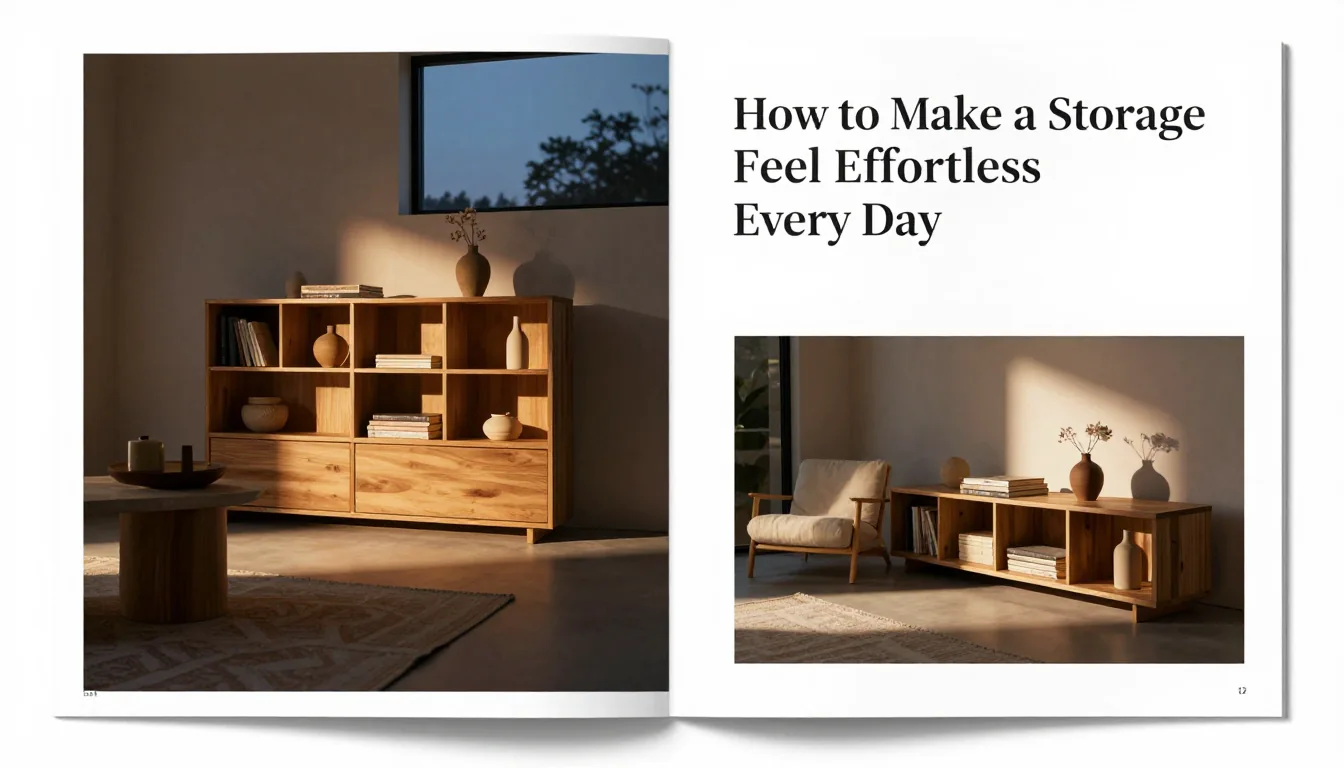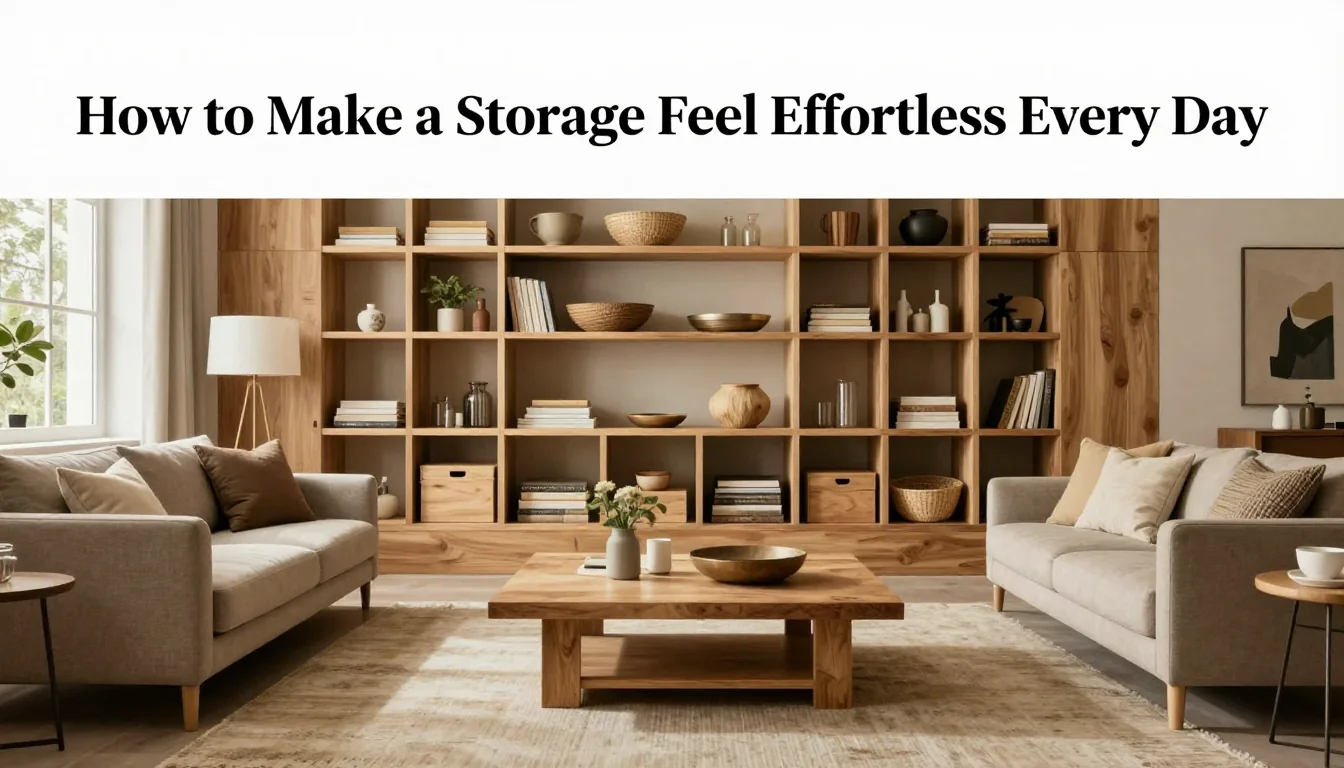
In high-end design, true elegance is defined not by the abundance of objects displayed, but by the quiet efficiency with which a space operates. Storage should never feel like an afterthought—a necessary compromise to tidiness. Instead, it must be conceptualized as an intentional architectural feature that maintains visual tranquility while simplifying daily life. The goal is to create environments where functionality and profound aesthetic grace coexist seamlessly, making the act of maintaining order an effortless, almost invisible motion.
Strategic Planning: Integrating Storage into Your Architecture
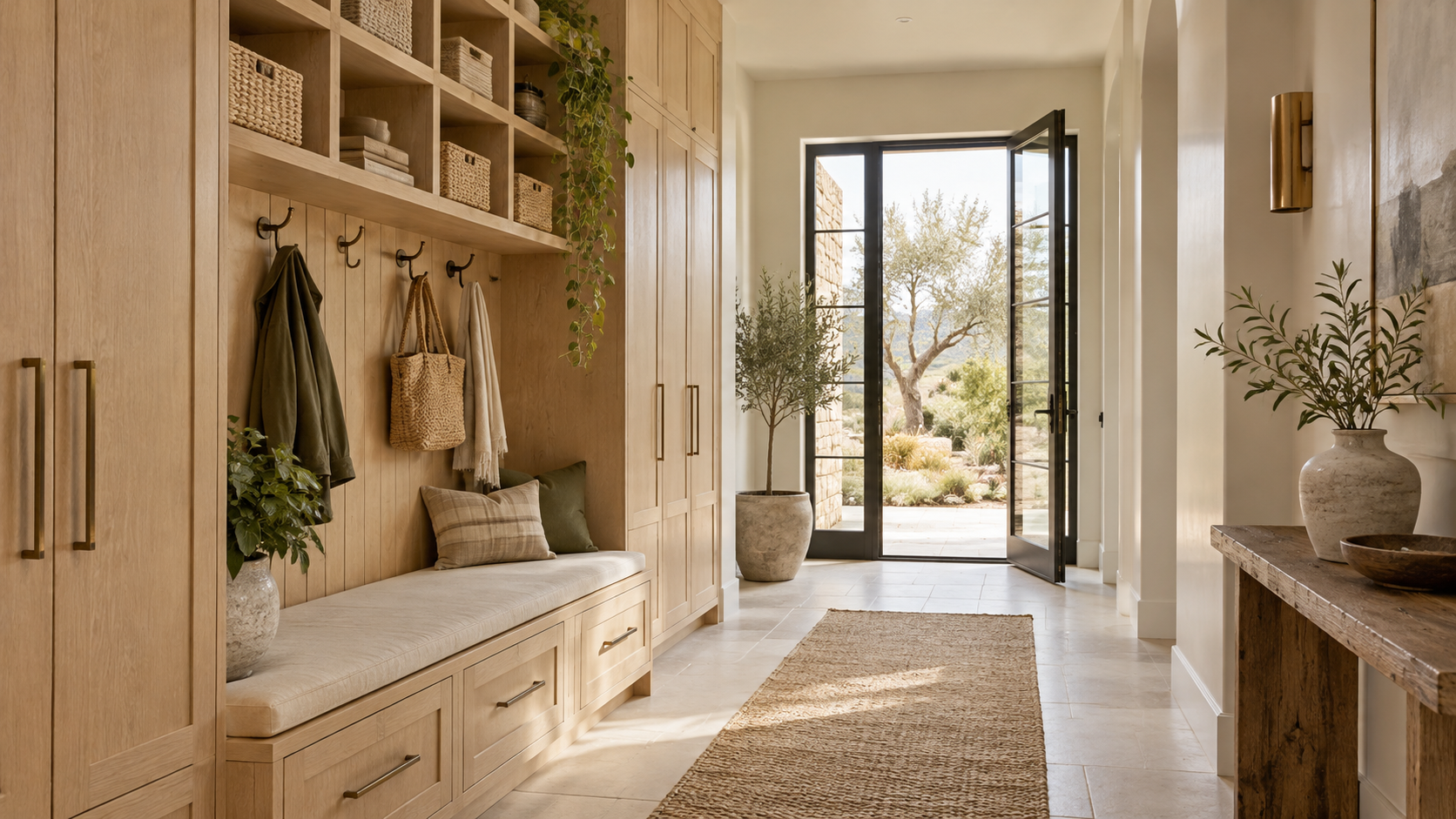
Before acquiring any decorative containers or shelving units, begin with a rigorous assessment of your existing spatial architecture. The most successful storage systems are not placed *in* the room; they feel like they grew *out* of it. Prioritize identifying underutilized vertical planes and deep alcoves that can be converted into integrated zones. Investing in semi-custom built-ins allows these elements to disappear visually, providing substantial capacity—such as a full wall unit extending 96 inches high—without introducing visual noise or friction.
When planning, the decision must be made between open display and closed containment. While open shelving provides character, it demands constant curation; closed cabinetry offers immediate visual relief. A balanced approach often involves a modular system where the lower two-thirds are dedicated to deep, concealed storage (e.g., for bulk linens or tools), while the upper third is reserved for controlled, aesthetic displays of select objects and books. This duality prevents the room from feeling either sterilely closed off or overwhelmingly cluttered.
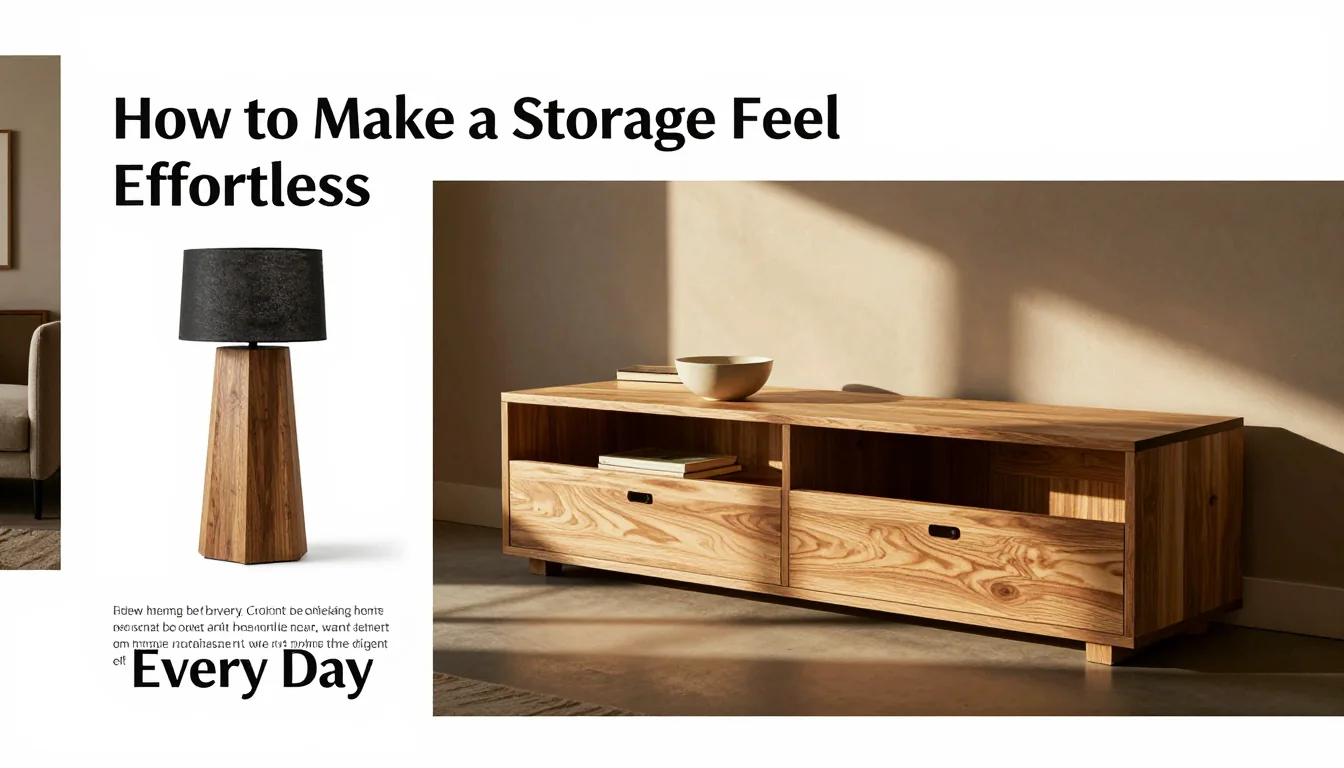
A key planning mistake is purchasing standardized, free-standing units that clash with wall lines or architectural features. Instead, measure every available niche precisely—down to the quarter inch. If a space is 36 inches wide and 24 inches deep, design your solution around those parameters. Consider dual-purpose pieces, such as a console table designed not just for keys but incorporating shallow, concealed drawers (approximately 10 inches deep) that serve as dedicated organizational hubs for small accessories.
Optimizing Internal Function: The Mechanics of Organization
The exterior beauty of a storage piece is only half the equation; internal functionality determines its daily usability. Once the structure is established, focus on maximizing every cubic inch through specialized inserts and dividers. For deep drawers—say, 18 inches wide and 6 inches deep—do not rely solely on folding; utilize modular drawer trays or adjustable partitions to segment items (e.g., separating socks by type, grouping electronics cables). This prevents the 'junk drawer' phenomenon where everything is merely piled together.
Implement a system based on frequency of use. Items you interact with daily should occupy prime real estate—the eye level and the most accessible drawers or shelves. Seasonal decor, rarely used tools, or bulk supplies should be relegated to deeper, less accessible zones or higher shelving. This strategic placement minimizes the cognitive load required for tidying; when everything is logically categorized by how often it’s needed, daily organization becomes instinctive rather than laborious.
When selecting internal containers, consistency is critical. Avoid mixing ten different shapes and sizes of bins within one unit. Instead, choose a uniform aesthetic—for example, all square polypropylene inserts or all matte felt-lined boxes—regardless of the item they hold. This uniformity creates visual cohesion inside the cabinet, making the overall system appear deliberate and highly organized, rather than like a haphazard collection of catch-alls.
Aesthetic Refinement: Elevating Utility to Design Feature
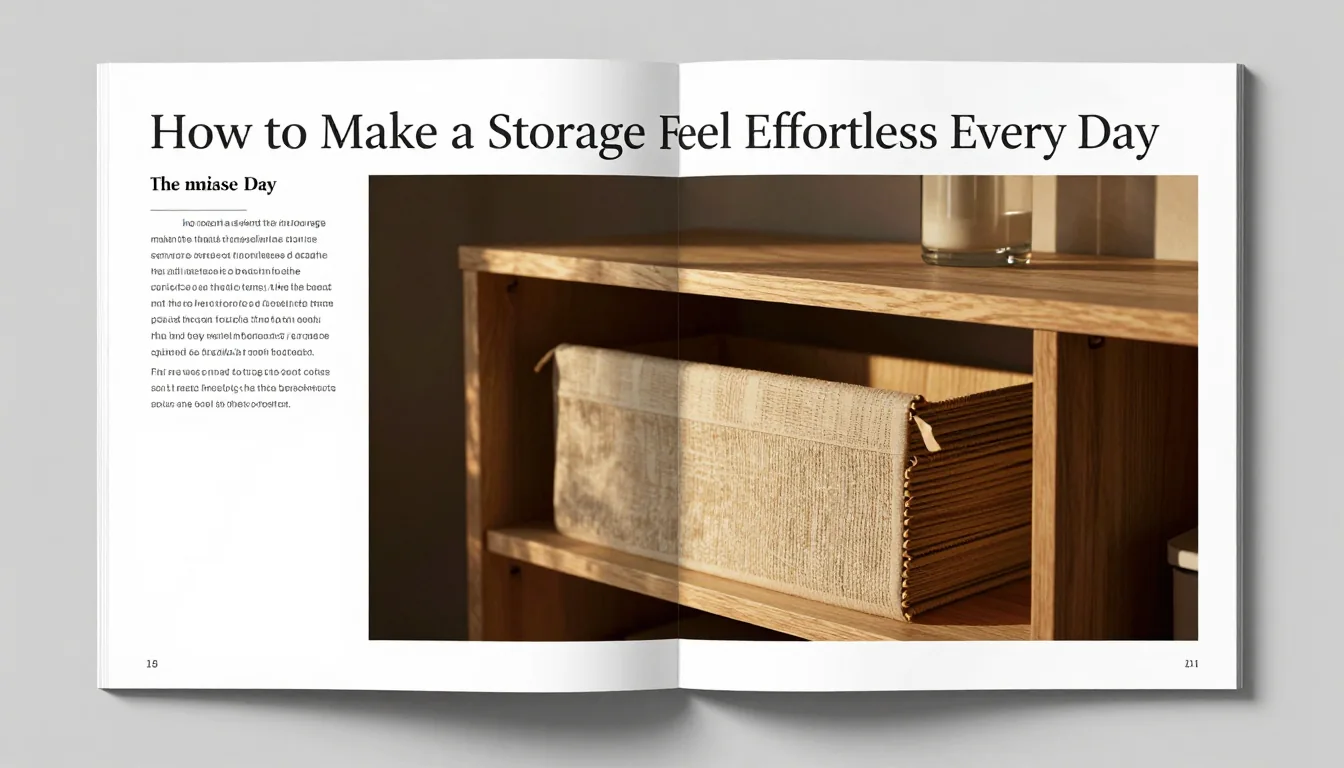
To elevate storage from pure utility to an intentional design element, focus on the materials and textures of the visible components. Replace generic plastic bins with curated alternatives such as tightly woven sisal baskets (ideal for concealing blankets), lacquered wooden boxes, or linen-wrapped drawers. These tactile elements introduce organic warmth that counteracts the hard lines of cabinetry and metal frames, adding depth to the room's palette.
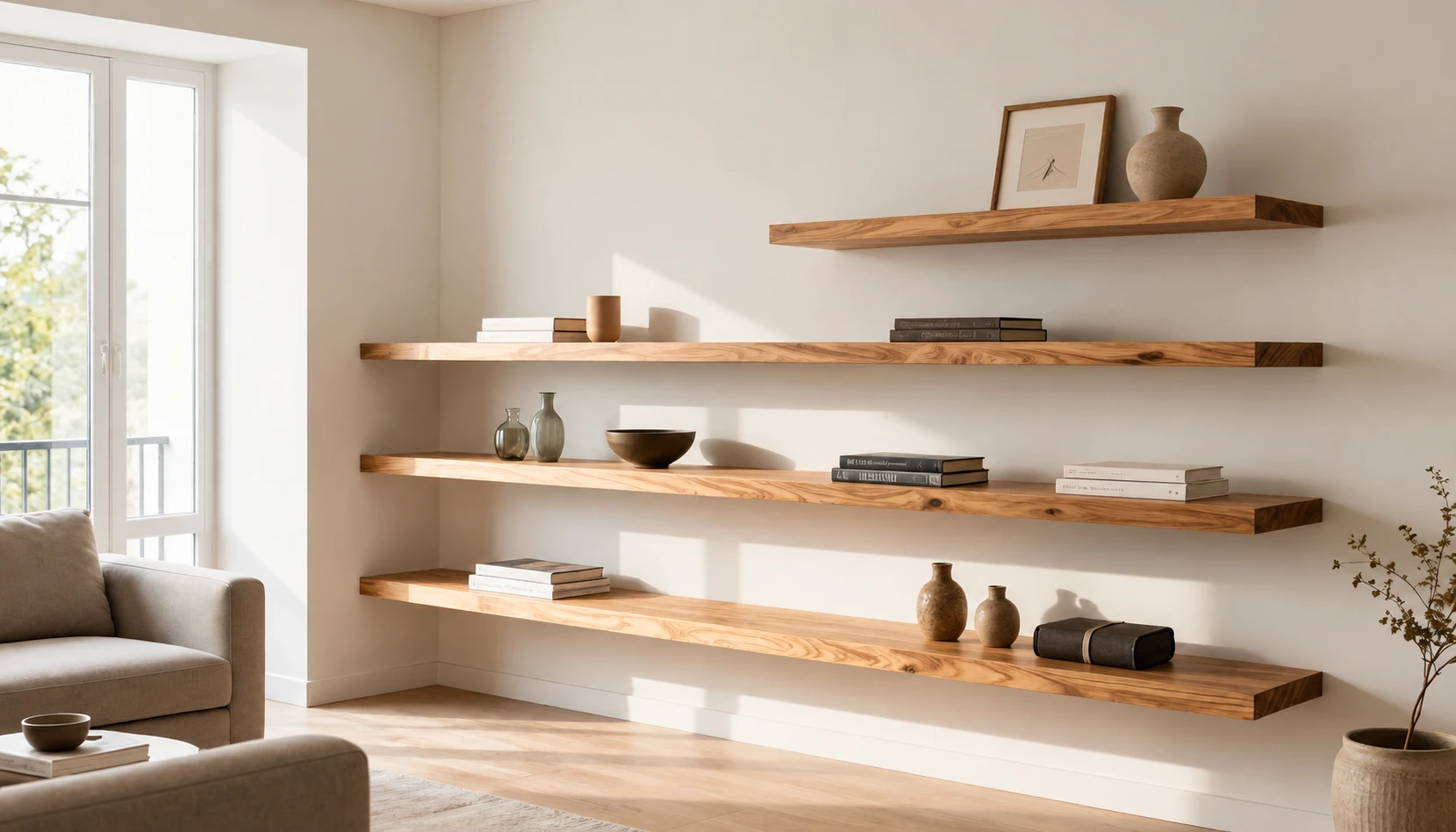
The principle of 'curated chaos' dictates that while most items should be concealed, a few select objects must be displayed in a highly refined manner. When arranging open shelving, group objects by color or shape rather than strictly by category. For instance, stack books with spines facing outward and intersperse them with a matte ceramic vessel or a polished brass tray. This subtle visual rhythm transforms the act of storage into an aesthetic arrangement.
A common trade-off is sacrificing perfect function for flawless appearance. If you select highly decorative hardware (such as unique pull handles), ensure they are robust enough to withstand daily use; overly delicate pieces risk damage. Always patch-test any wood cleaning or conditioning product on a small, inconspicuous area first—especially if the piece features specialized finishes like lacquer or wax. Never mix cleaning chemicals without precise instruction, and always choose products formulated specifically for your furniture's finish.