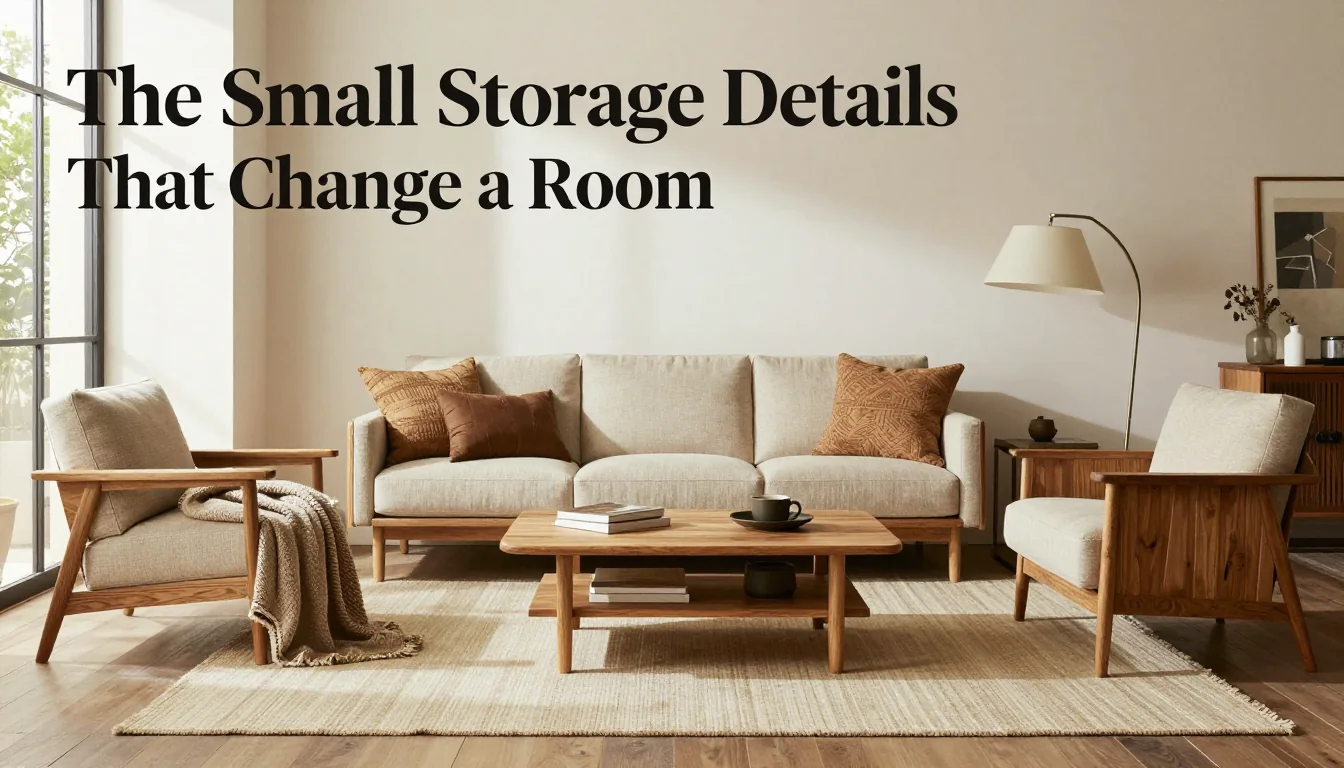
In sophisticated interior design, true luxury is not defined by the volume of objects displayed, but by the quiet competence of the space itself. A visually serene environment is achieved when organization transcends mere tidiness; it becomes an intentional architectural decision. Modern storage systems are no longer relegated to hidden utility rooms—they are fundamental elements that define a room’s aesthetic rhythm and ease of use. The goal is 'invisible function': integrating storage so seamlessly into the design framework that its capacity supports life without ever dominating the visual landscape.
Maximizing Vertical Space with Integrated Systems
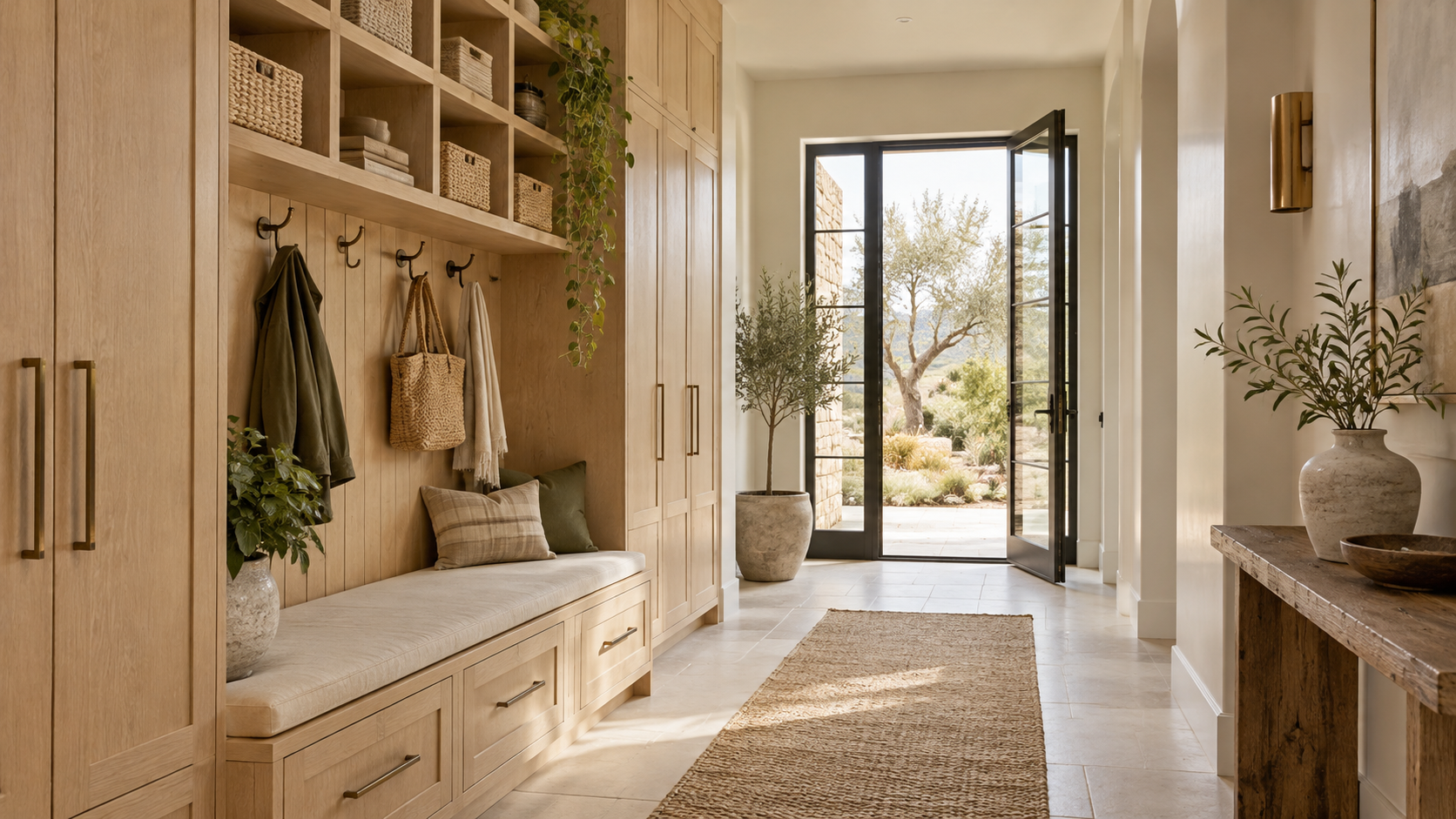
When assessing a room for storage solutions, prioritize height and monolithic continuity over scattered pieces of furniture. Instead of relying on several mid-sized units that interrupt sightlines, invest in floor-to-ceiling cabinetry or wall systems. These expansive, custom-built components create an uninterrupted visual plane, lending the space a sense of deliberate order. For standard 9-foot ceilings, designing vertical units to extend fully allows you to utilize often-wasted upper thirds for seasonal items or less frequently accessed collections, significantly increasing overall capacity while maintaining a clean, architectural profile.
The key to successful integration lies in material uniformity and depth consideration. Select finishes—be it matte painted solids, rift-sawn oak veneers, or subtle laminates—that harmonize across all units. If the storage system reads as one cohesive block, it recedes into the background, allowing natural light and other design features to take precedence. When planning the depth of these integrated cabinets, remember that a 12-inch depth is generally sufficient for concealed storage (e.g., linens or office supplies), whereas deeper units (upwards of 18 inches) should be reserved only for specific display niches or large media components.
A common mistake in this approach is treating the storage unit as purely utilitarian, resulting in a cold, institutional look. To mitigate this trade-off between function and warmth, incorporate varied internal elements—such as open shelving sections finished in contrasting wood tones, or integrated lighting strips within the cabinetry. Modular systems offer flexibility; for example, a system designed for a 10-foot wall can be configured to alternate between closed cupboards (for visual calm) and shallow, illuminated display shelves (for curated interest), adapting effortlessly to evolving living needs.
The Art of Curated Visibility and Layering
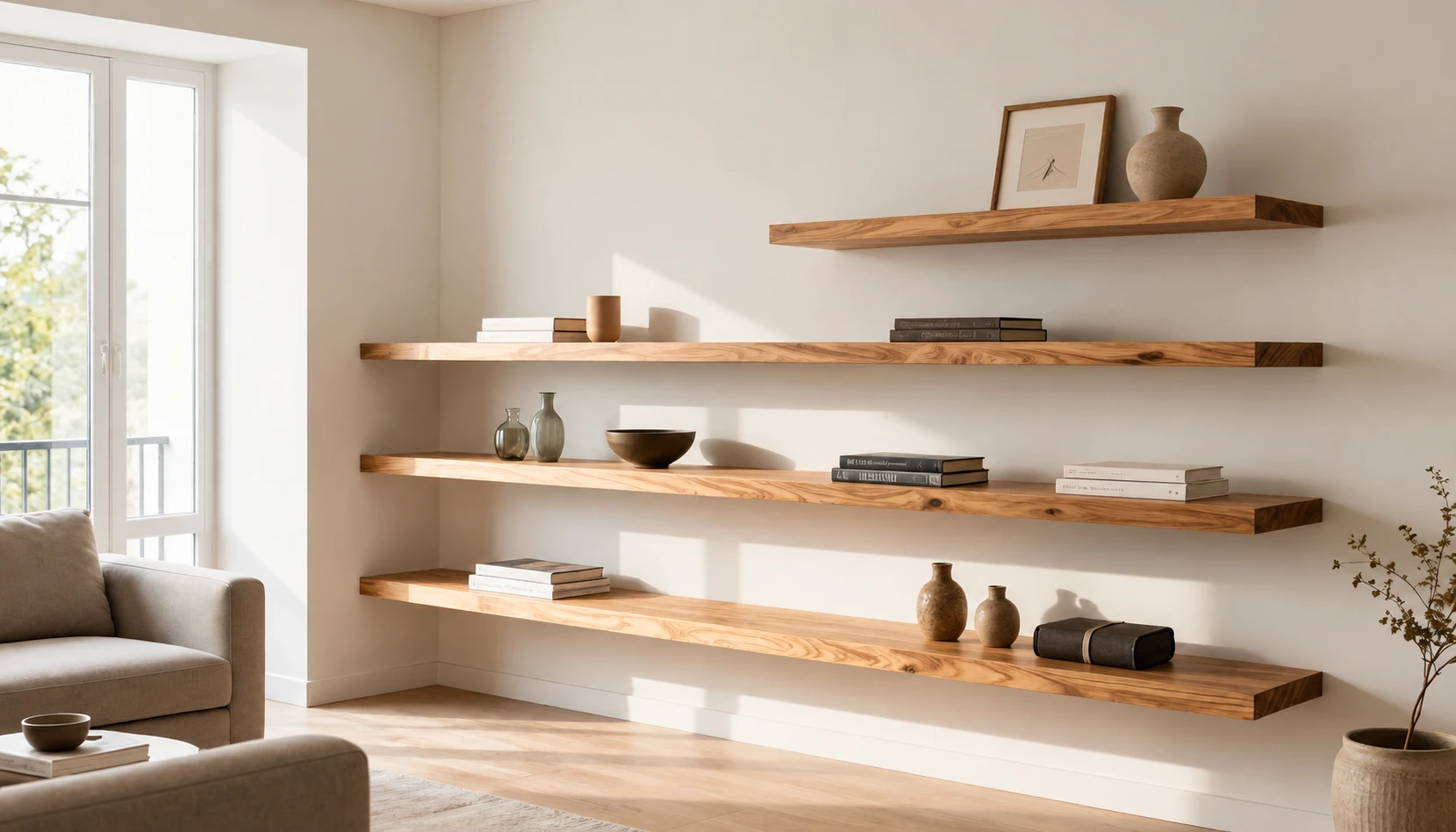
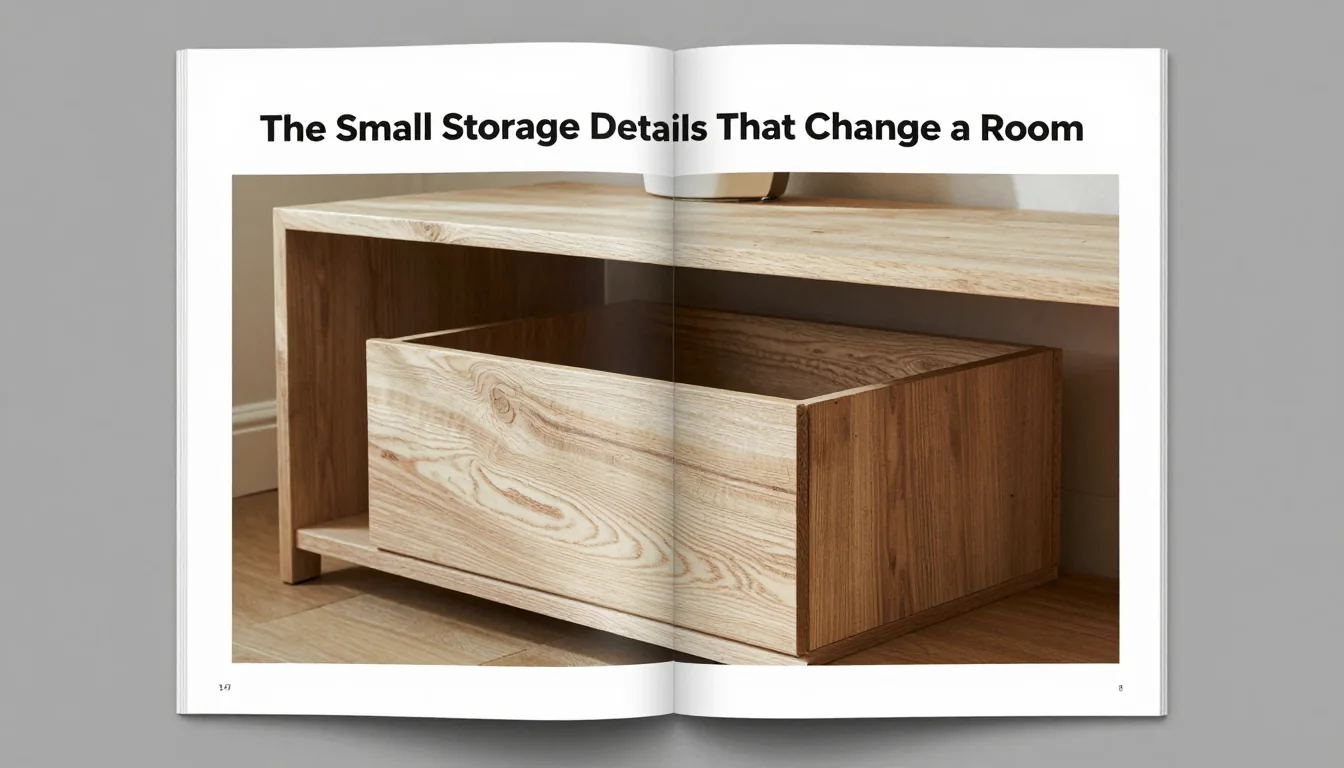
While integrated cabinetry handles bulk storage, open shelving must be approached as a visual gallery, not merely a repository. The strategy here is 'curated visibility': displaying only items that possess inherent aesthetic value or are used daily with intention. To prevent shelves from devolving into cluttered surfaces, employ layering techniques by grouping smaller objects onto trays or decorative platforms. A collection of small ceramics clustered on an elongated wooden tray instantly transforms disparate pieces into a cohesive design vignette.
The power of this approach lies in textural contrast and restraint. Do not fill every available space; negative space is crucial for allowing the eye to rest. When selecting containers—such as woven jute baskets, polished metal trays, or solid leather boxes—ensure they introduce varied materials that complement the room’s primary palette. For instance, pairing books with a deep emerald velvet tray and flanking them with a sculptural ceramic piece adds depth without introducing chaos. Aim for a visual hierarchy where large, stable objects anchor the display, and smaller, more delicate items fill the negative space.
A critical trade-off to consider is accessibility versus aesthetic perfection. If an item must be accessible daily (like a remote control or reading glasses), it should be housed in a highly stylized container that serves as both storage and decoration. Conversely, if an object is purely decorative—a seasonal vase or a special edition book—it can remain fully exposed on a shelf. Over-displaying too many small, unrelated items creates visual noise; the goal is to make every visible piece feel intentional, chosen for its beauty as much as its utility.
Material Integrity and Practical Maintenance
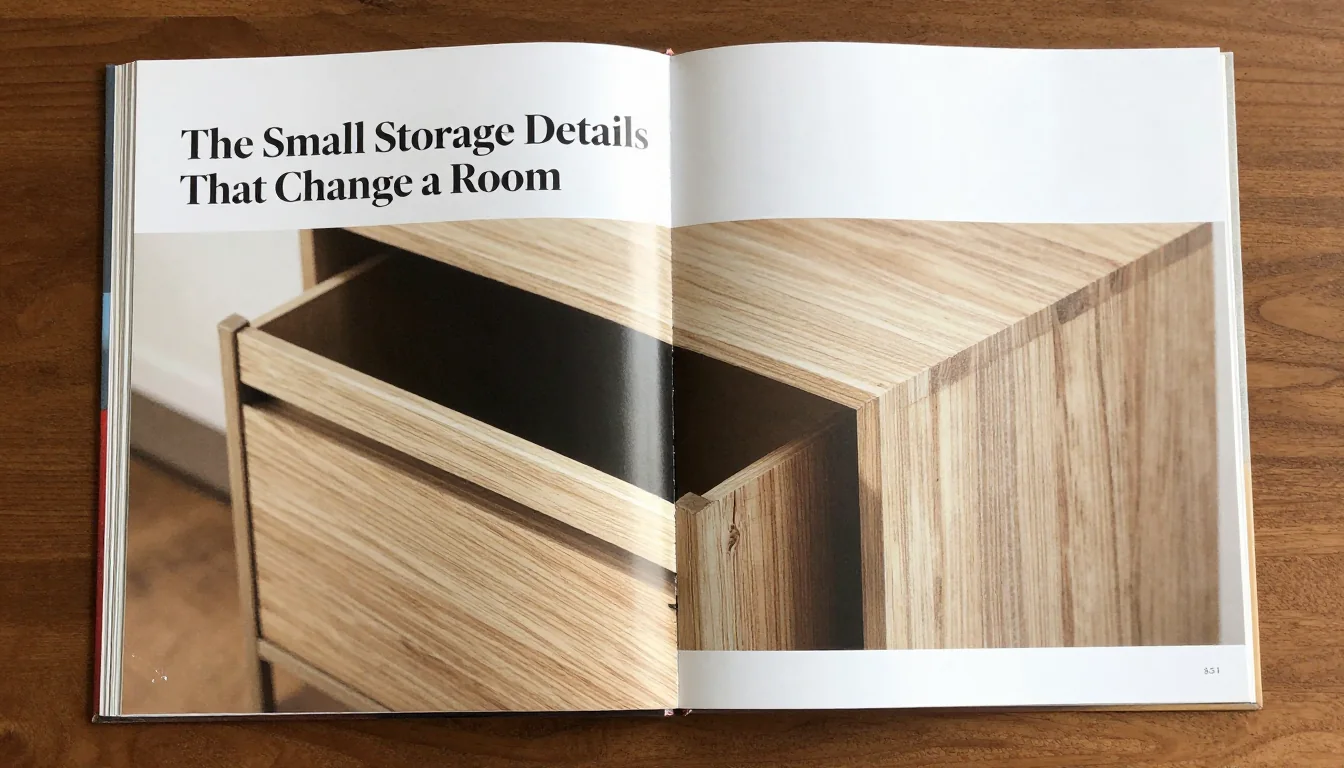
When specifying cabinet materials, always match the hardware finish—knobs, pulls, hinges—to the overall design intent. Matte black or aged brass accents lend a contemporary industrial feel, while brushed nickel or polished wood handles suit more traditional settings. The choice between solid construction and high-quality veneer is often a cost versus durability trade-off; solid woods offer superior longevity and weight but come at a higher investment, whereas well-applied veneers provide visual richness with greater structural flexibility for modular systems.
For maintenance, the care required depends entirely on the finish applied to the wood. Never use generic cleaners. If your cabinetry features an oil or wax finish (common in walnut or teak), harsh chemical polishes will strip the sealant and dull the natural patina. Instead, use specialized conditioning oils designed for that specific type of finish, applying them sparingly with a soft cloth to nourish the wood without creating a sticky residue.
Always perform a small patch test before applying any cleaner or conditioner to large pieces. Test in an inconspicuous area—such as the underside of a drawer or inside a cabinet corner—to ensure the product does not cause discoloration or damage to the stain or sealant. For painted surfaces, gentle damp wiping with mild soap is sufficient; avoid abrasive scrubbing. By respecting the specific nature of your chosen materials, you ensure that your storage system maintains its sophisticated integrity for decades.