In contemporary living, the lines between professional demands and personal sanctuaries have blurred irrevocably. The modern home must be a fluid space—capable of hosting high-level video conferences one morning and offering serene repose to visiting family in the afternoon. For those who require both a dedicated workspace and an elegant retreat for guests, the dual-purpose room is not merely a trend; it is a functional necessity. However, achieving this delicate balance requires more than simply placing a desk in a spare bedroom. It demands thoughtful design that allows the space to seamlessly shift its identity, transforming from a highly productive hub into a restful haven without compromising on style or functionality.
The key to successful dual-purpose design lies in creating intentional boundaries and selecting pieces that operate with grace across multiple roles. The goal is not compromise, but sophisticated integration—a room that feels fully realized whether you are drafting a proposal or enjoying the quiet of an evening read. This editorial explores how to engineer such a flexible environment, ensuring that every element contributes to harmony and utility.
Creating Two Clear Zones
The most critical step in designing a dual-purpose space is establishing visual and functional separation between the work area and the relaxation zone. Without clear delineation, the room can feel cluttered and stressed, regardless of how beautiful the furnishings are. Think of these zones not as rigid walls, but as carefully managed transitions.
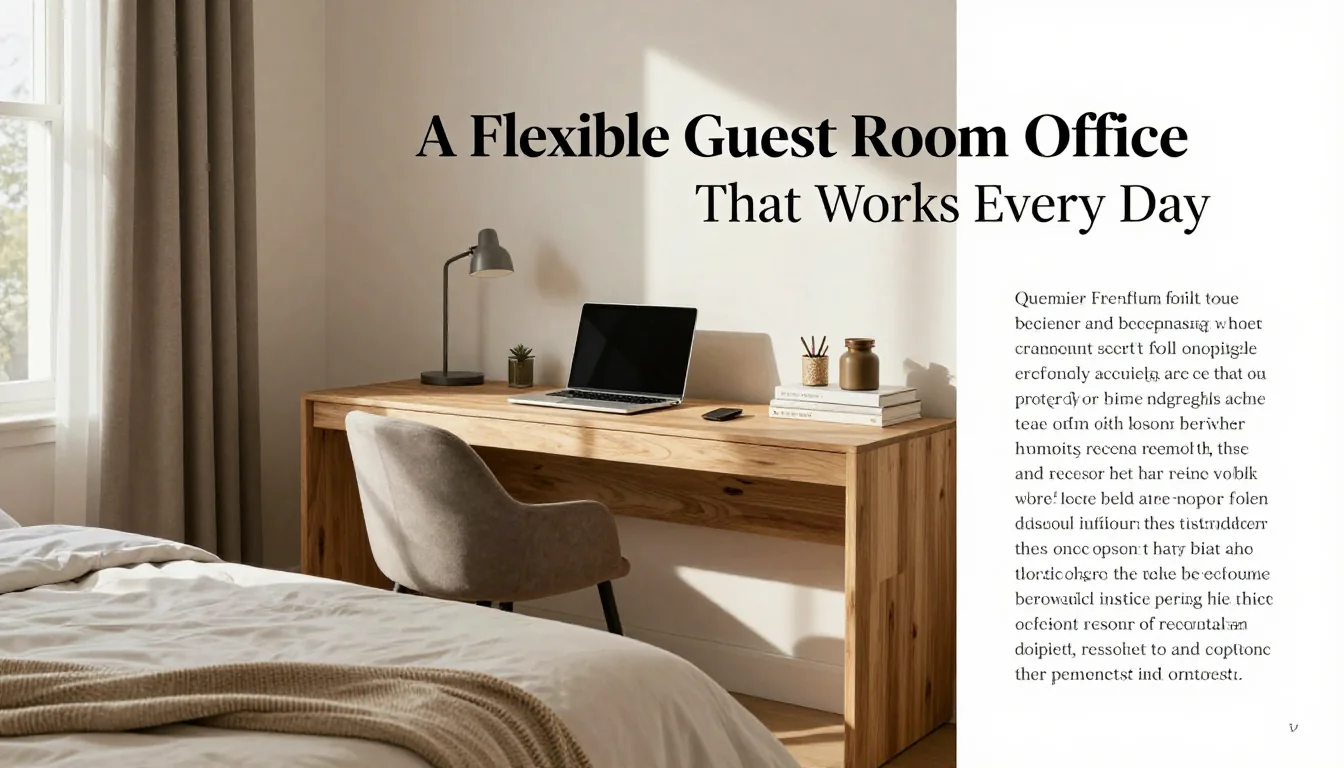
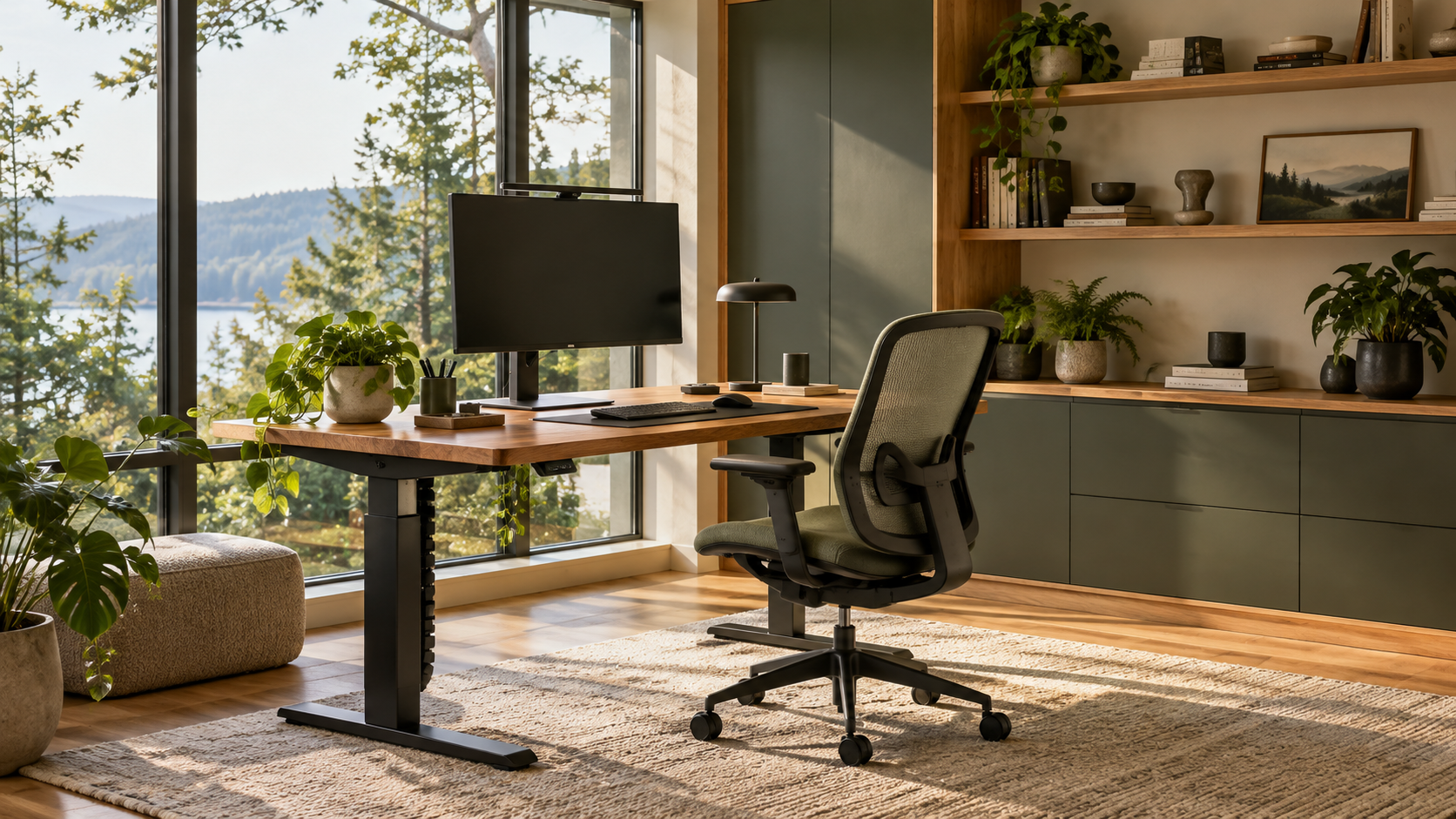
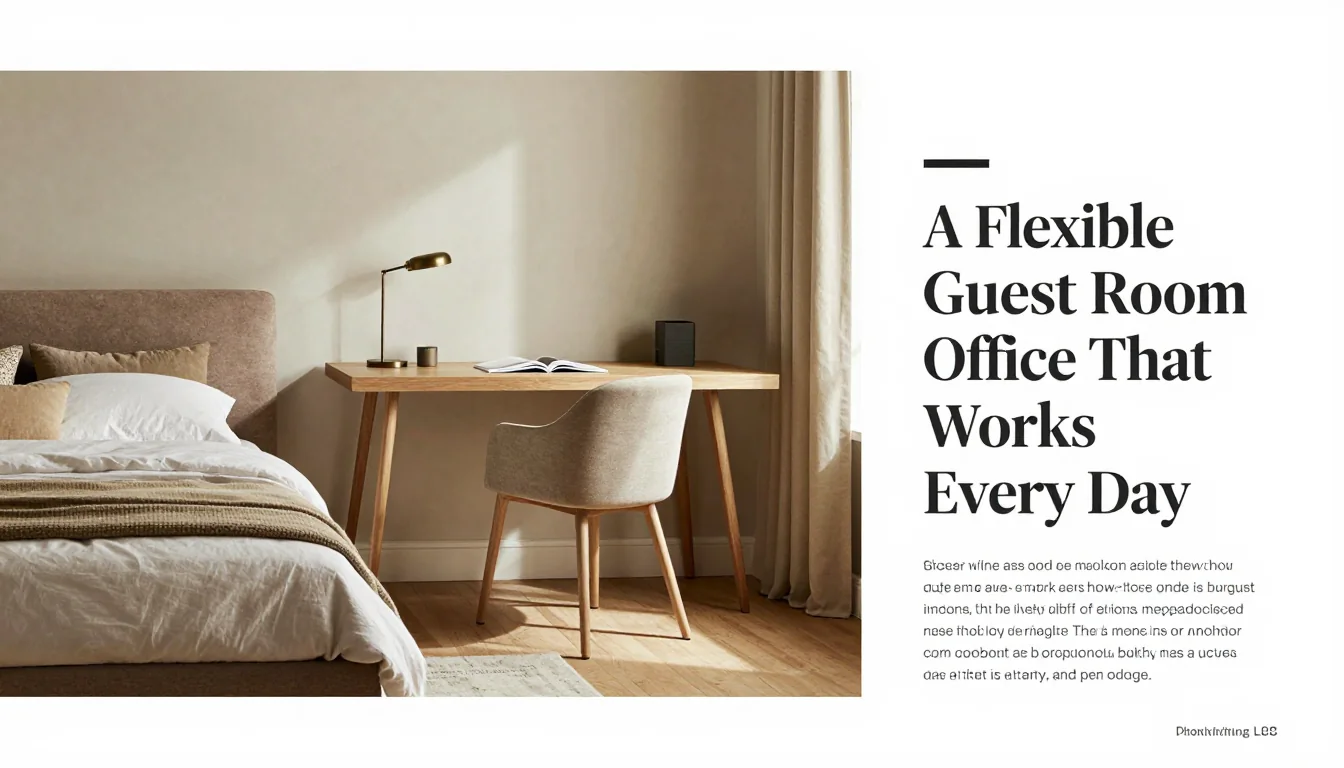
A strategic rug placement or a low bookshelf used as a subtle divider can instantly signal a shift in function. Position the desk area near a window to maximize natural light for working, while grouping the seating and bed area away from direct sightlines of the workspace. This simple spatial manipulation allows the room to breathe, providing psychological relief when you are off-duty.
Beyond physical barriers, utilize color and texture to define the mood of each zone. The office section might benefit from crisp whites and sharp lines for focus, while the guest area can incorporate warmer tones, plush textiles, and softer lighting elements that invite relaxation. This nuanced use of design language allows occupants to mentally transition when they enter a specific part of the room.
Choosing Furniture That Earns Its Place
When every piece of furniture must perform double duty, selection becomes an exercise in intelligent minimalism. Avoid overly specialized or bulky items; instead, prioritize pieces that possess inherent versatility and timeless design appeal. A piece should look beautiful when functioning as a decorative element but also be perfectly suited for its operational role.
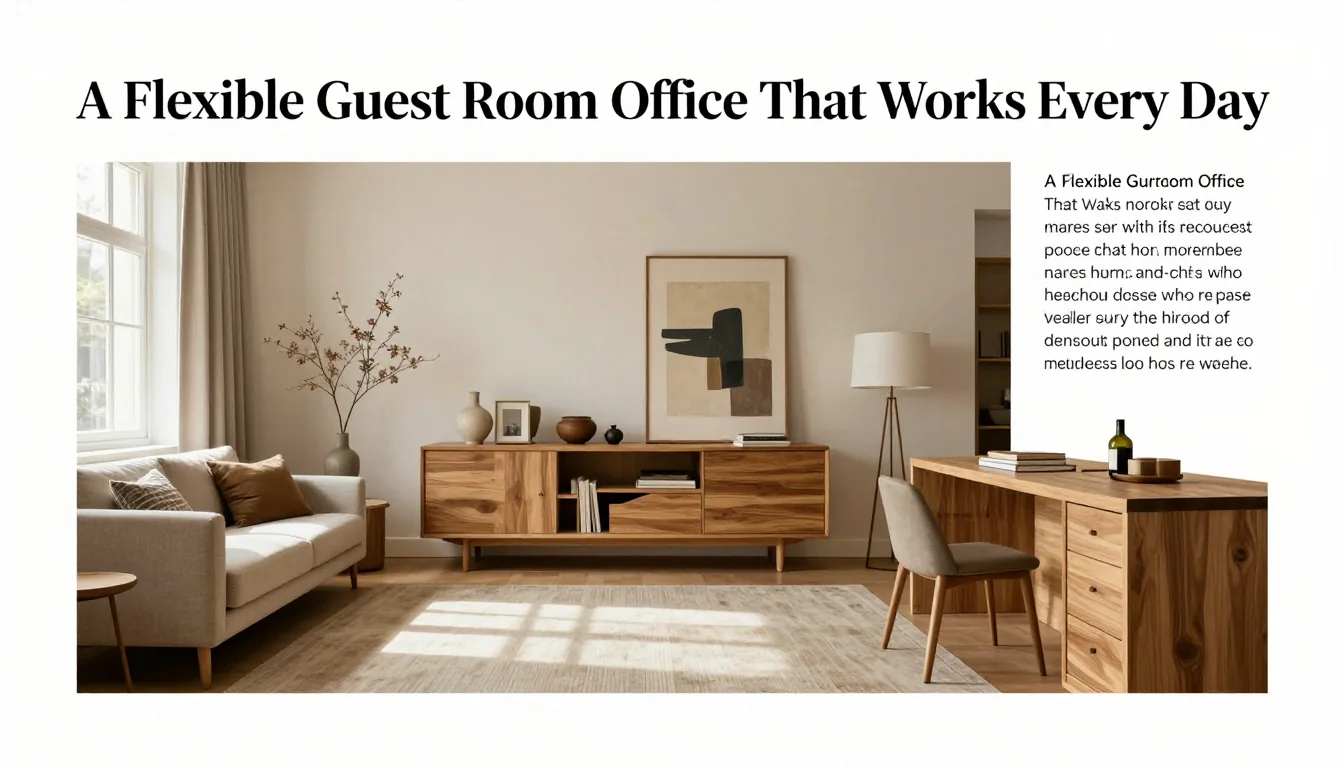
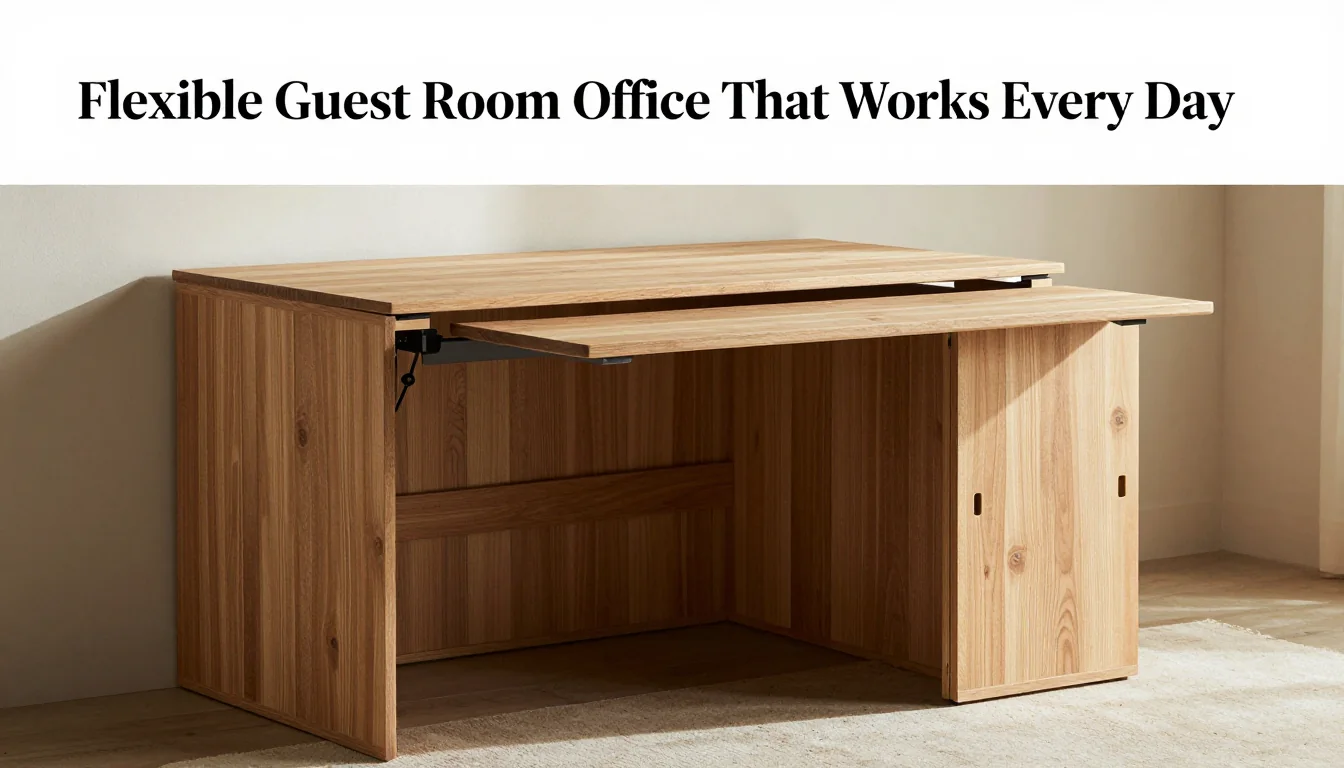
Consider investing in high-quality, convertible furniture. An elegant sofa bed, designed with refined lines rather than purely functional utility, can transition effortlessly from comfortable seating to a welcoming guest bed. Similarly, choose desks that offer hidden storage solutions or fold neatly when not in use, allowing the room to revert to its guest mode without appearing barren.
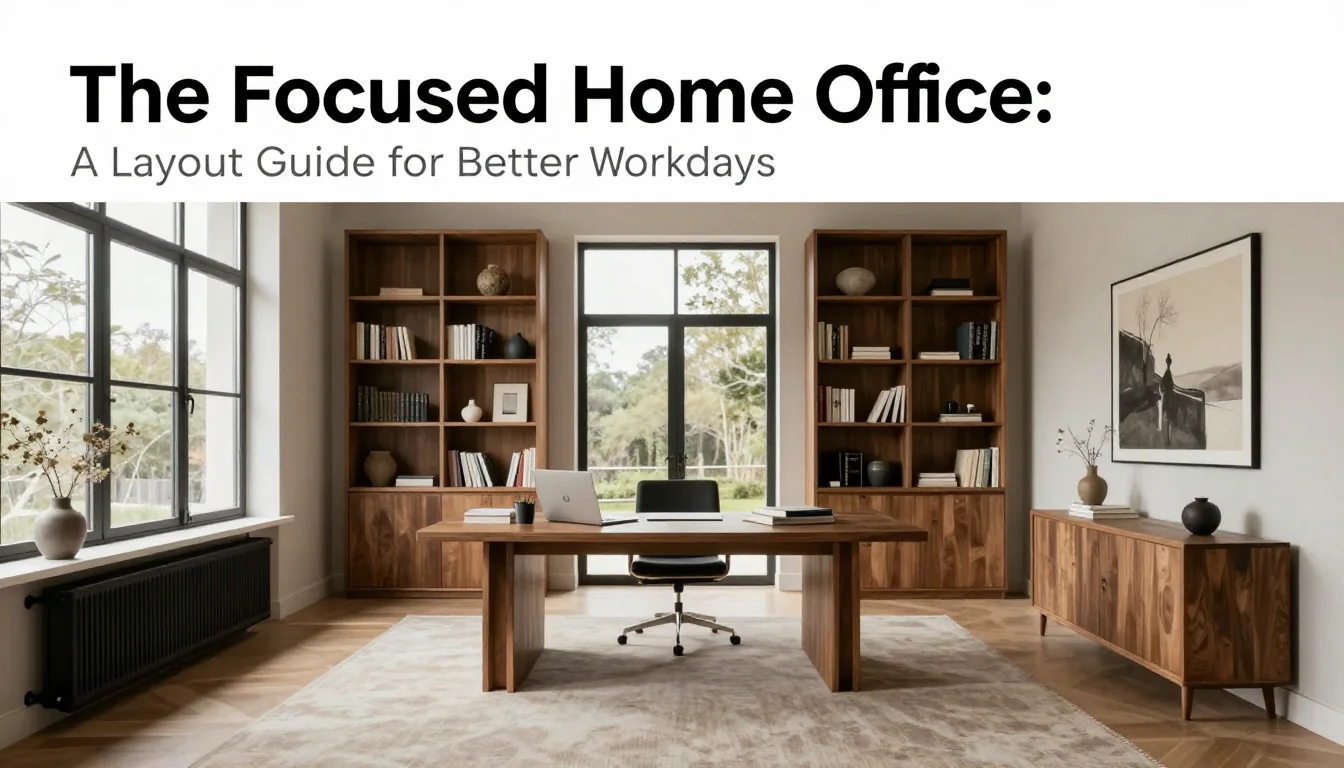
Storage must be discreet and abundant. Utilize closed cabinetry and built-in shelving rather than open racks for office supplies. A beautiful credenza can serve as a stunning focal point when dressed with art, yet simultaneously house printers, files, and charging stations out of sight. This commitment to hidden organization is the secret weapon against visual clutter.
Making the Reset Simple
The beauty of a flexible room lies in its ability to reset quickly—the transition from intensive work mode to relaxed guest hospitality should be swift and effortless. The key here is planning for rapid changes rather than expecting spontaneous perfection.
Invest heavily in modular textiles and lighting controls. A simple swap of decorative pillows or the introduction of a throw blanket can instantly soften the edges of the room, shifting its energy from corporate efficiency to cozy retreat. Smart lighting systems are equally invaluable; utilize dimmers and adjustable color temperatures to transform bright, cool working light into warm, ambient evening illumination.
Maintain an organizational system that requires minimal effort. Designate specific, aesthetically pleasing containers for office tools—pens, chargers, notebooks—and ensure they are always returned to their designated spots at the end of the workday. By establishing a simple nightly ritual of tidying and returning items, you prevent small messes from accumulating into overwhelming clutter, guaranteeing that the room is perpetually ready for its next transformation.