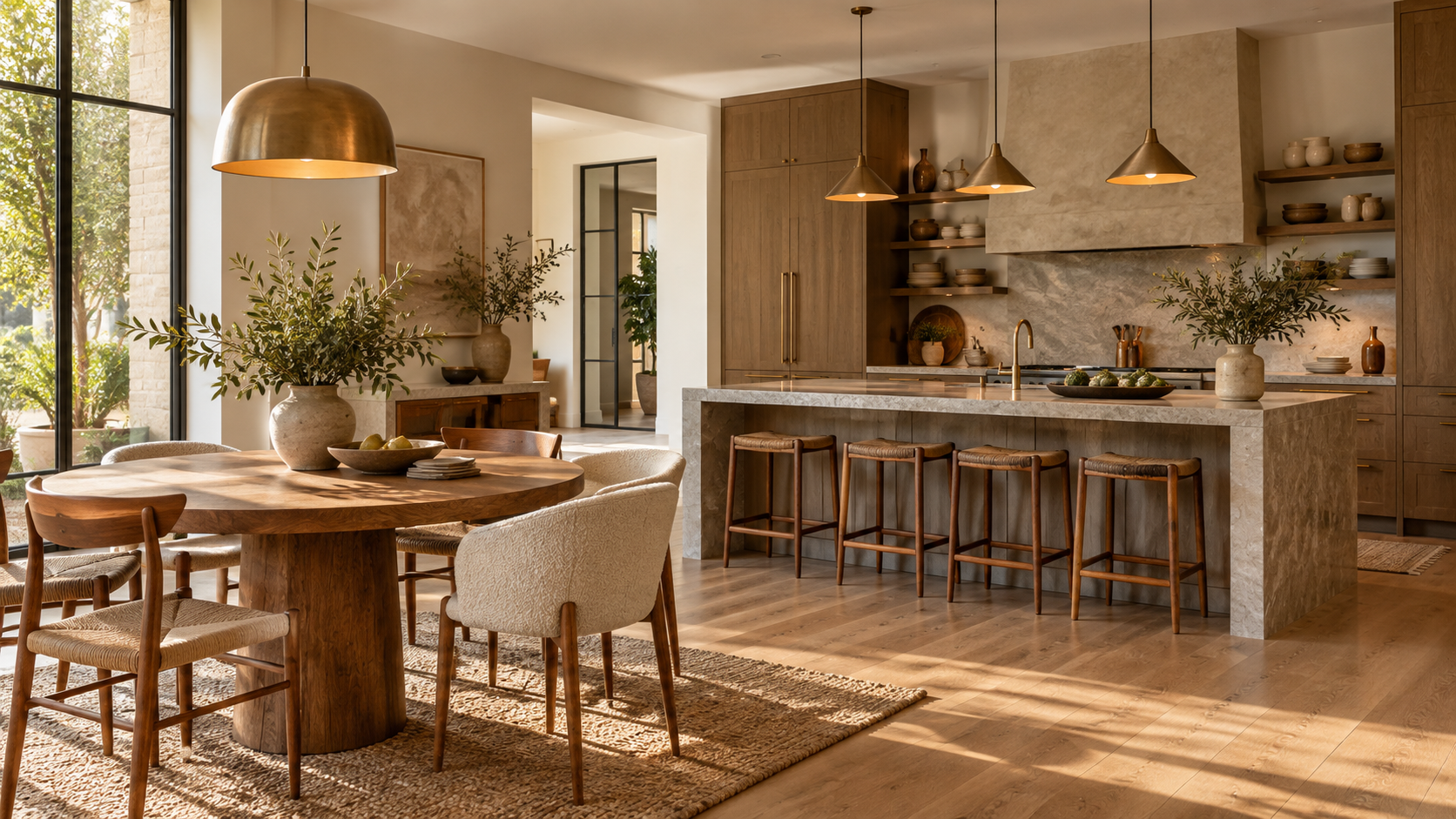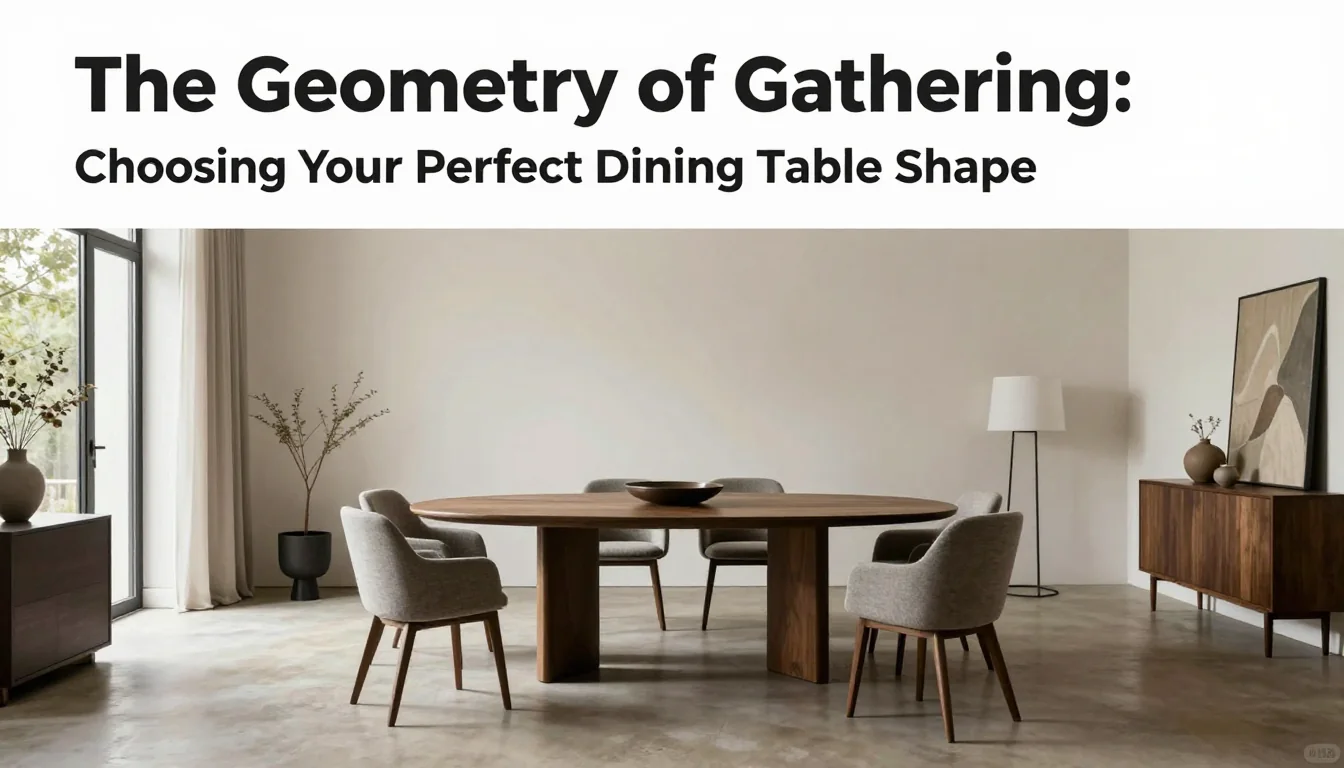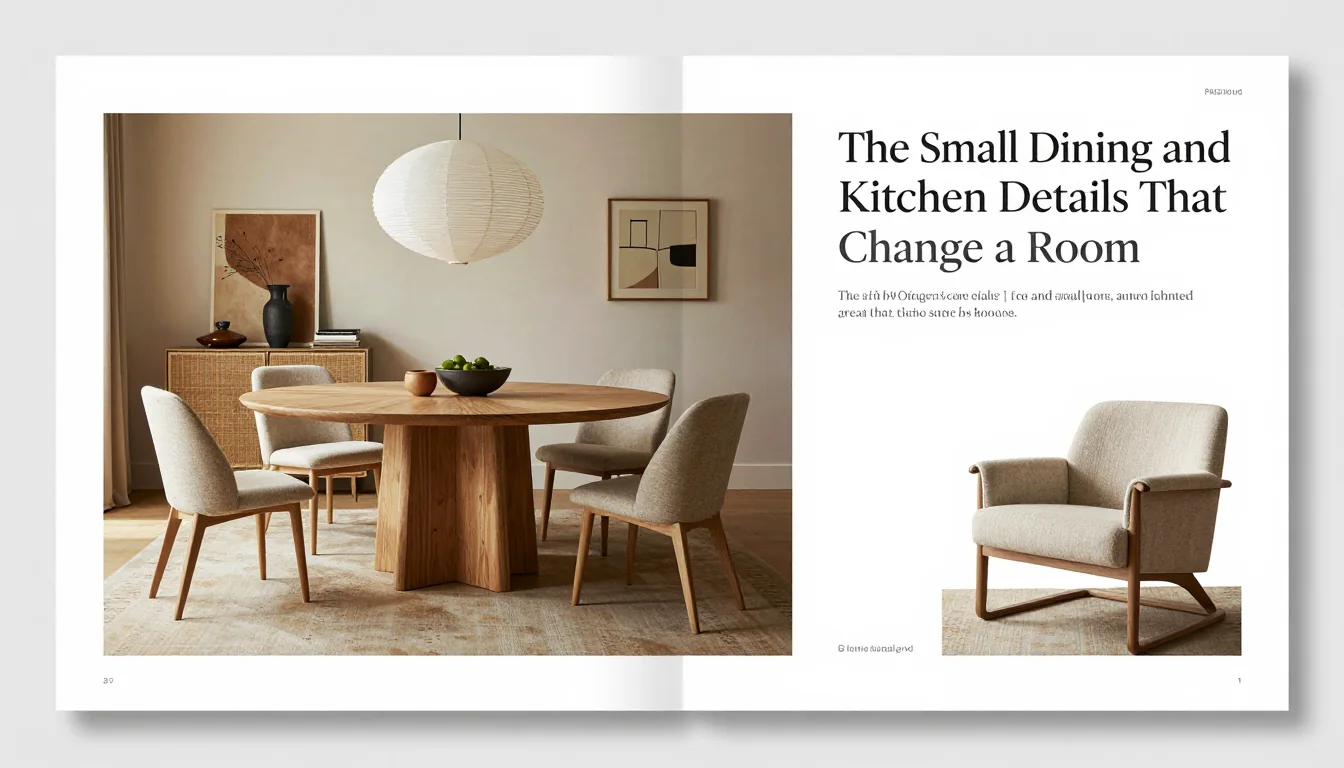
A successful dining area is not defined by trendiness but by utility. It must function as a comfortable hub for daily life—whether hosting a formal dinner party or serving a quick weekday breakfast. Selecting the right table and chairs requires moving past aesthetics alone; it demands an analysis of your space's physical limitations, your household's usage patterns, and the desired atmosphere. This guide focuses on practical decisions: ensuring proper circulation, matching materials to maintenance needs, and prioritizing functional comfort over purely visual design.
Mastering Dining Room Scale and Flow
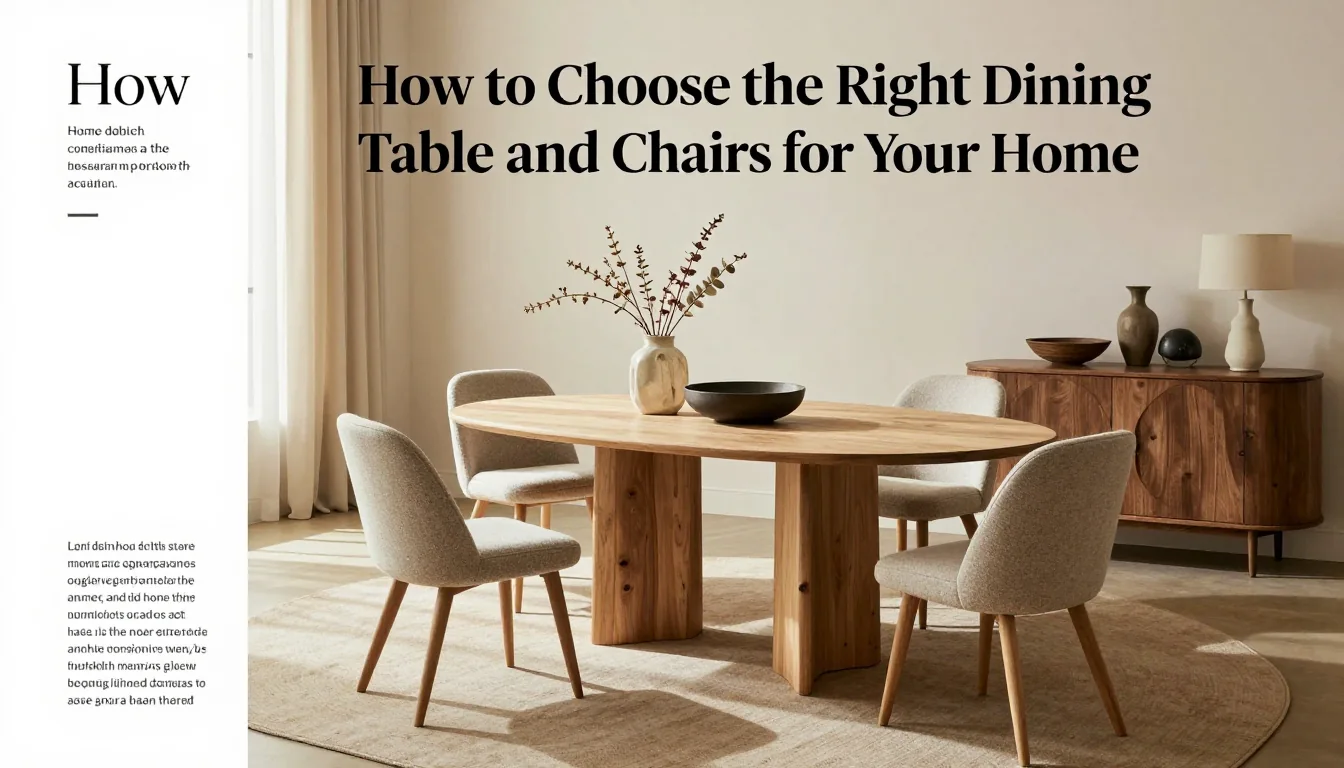
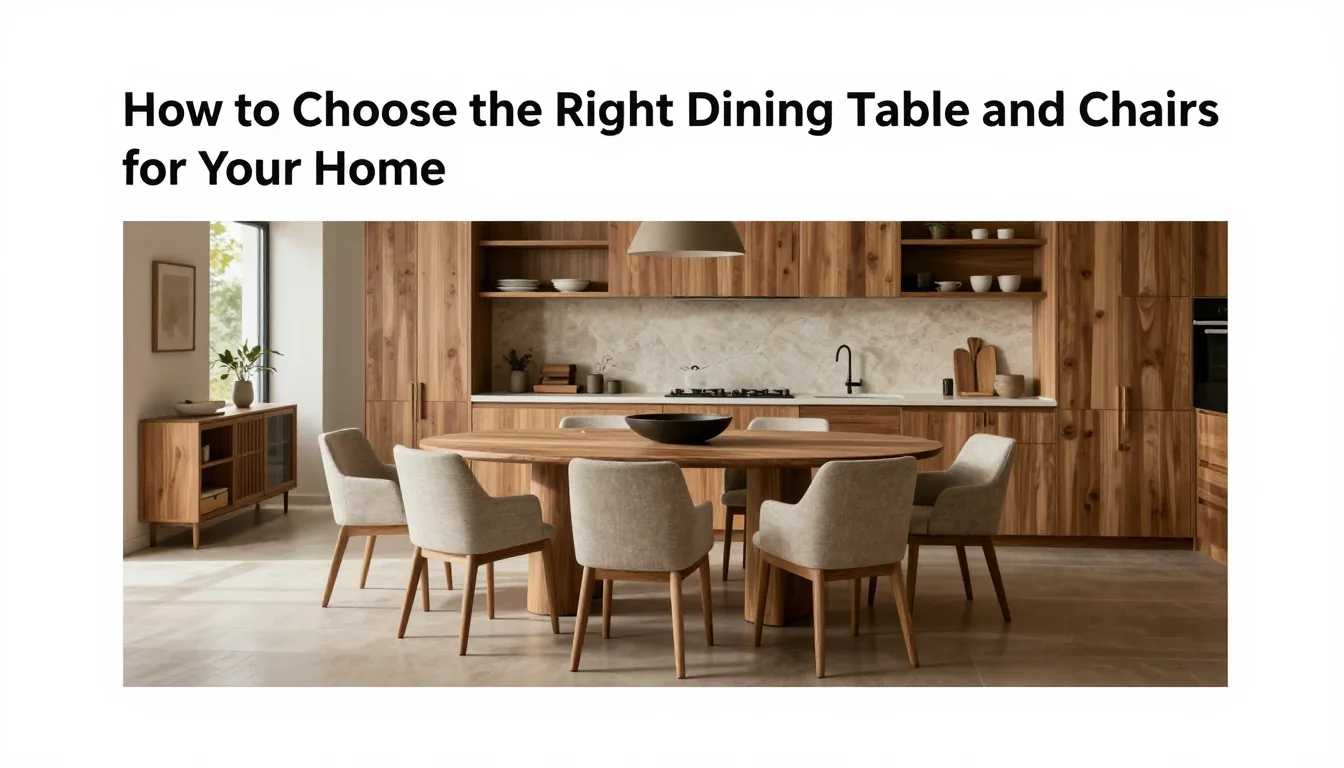
The single most important measurement before purchasing is not the size of your room, but the necessary circulation space around the table. For comfortable daily movement—allowing people to pull out chairs, walk past, or open drawers without bumping into furniture—a minimum clearance of 90 centimeters (36 inches) should be maintained between the edge of the dining table and any wall or adjacent cabinet. If your room is narrow, opt for a round or oval table; these shapes eliminate sharp corners that impede flow and allow diners to sit comfortably regardless of their position.
When selecting rectangular tables, consider how many people you routinely host versus the maximum capacity. A common mistake is choosing a table that fits 10 guests but only hosts four regularly, resulting in an oversized footprint that dominates the room. Conversely, if you frequently entertain large groups, ensure the chosen dimensions allow for comfortable seating without requiring chairs to be pushed far into the walkway space. For example, a six-seater rectangular table might measure approximately 150 cm long by 80 cm wide.
The trade-off in scaling often involves sacrificing ultimate capacity for superior functionality. If your room is constrained, choose tables with integrated storage or those designed to expand (leaf dining tables). However, understand that extensions change the required circulation space dramatically; always measure the maximum extended dimensions and verify if the surrounding flow remains functional before committing.
Matching Materials to Lifestyle Needs
The material of your dining surface dictates its resilience and maintenance requirements. For high-traffic, heavy-use kitchens, solid wood with a durable oil or polyurethane finish is often the most practical choice. Wood species like oak are robust and handle daily wear well, but always patch-test any chosen sealant on an inconspicuous area first. If you opt for a finished wood piece, avoid highly glossy lacquers if spills are common, as they can trap moisture; matte finishes tend to be more forgiving.
For kitchens with intense heat or frequent, heavy use of hot dishes, stone (such as quartz or granite) provides superior durability and is less susceptible to scratching than most veneers. If selecting a veneer or laminate for aesthetic reasons, recognize that these materials are prone to edge chipping and water damage; they perform best in settings where the dining area functions more as a presentation space than a heavy-duty prep zone.
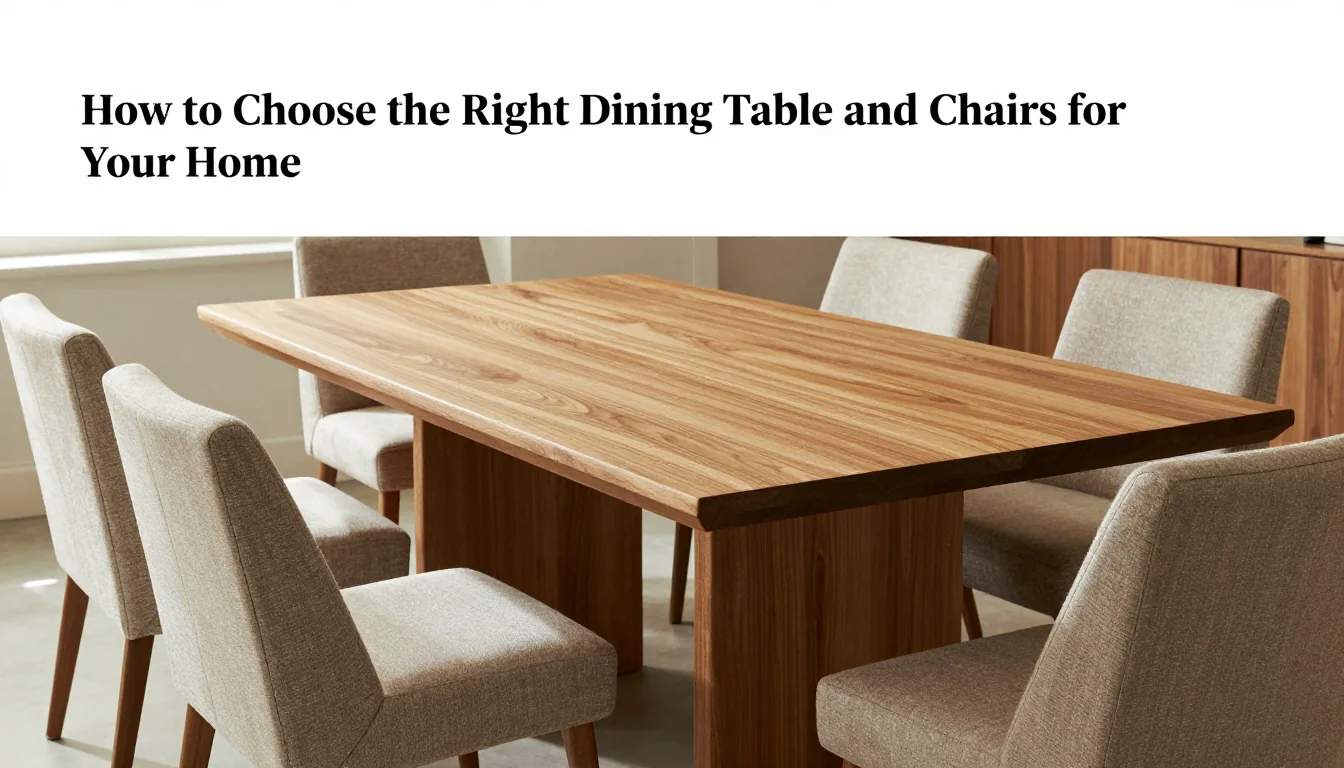
Connecting the dining ensemble to the rest of your home is achieved through material continuity. If your flooring is dark walnut, selecting chairs or table legs that echo this tone creates visual harmony and makes the room feel intentional rather than assembled. Conversely, if you wish for contrast, use metal accents (like brushed brass chair legs) in a high-contrast space to provide a deliberate design break.
Selecting Chairs for Ergonomics and Function
A dining chair's function extends far beyond its silhouette; it must support the body during extended periods of sitting. When assessing comfort, focus on seat depth (ideally 45–50 cm) and lumbar support placement. For formal settings where diners sit for hours, invest in chairs with padded seats or a slight backrest curvature. In casual family environments, lighter, stackable wooden chairs offer practicality and ease of movement, provided they have adequate seating height relative to the tabletop (usually 45–50 cm from floor to seat).
The material choice for upholstery impacts both comfort and upkeep. Leather offers a sophisticated look but requires regular conditioning and is sensitive to extreme temperature changes. Woven fibres are excellent for visual texture and breathability, making them ideal for warmer climates, yet they can be delicate and require gentle vacuuming rather than aggressive cleaning.
Before purchasing any upholstered chair, always perform a small patch test of the chosen fabric or leather on an unvisible area to assess colorfastness and reaction to common household cleaners. The primary trade-off here is between design elegance and functional comfort: highly sculptural, delicate chairs often compromise long-term ergonomic support for immediate visual impact.
Practical Planning Notes
Allow about 36 inches behind dining chairs for everyday circulation; increase it where paths cross or service is frequent.
Material Perspective
Solid wood can be repaired and refinished; stone resists heat but needs sealing; quality laminate is low-maintenance.
Before You Commit
Map cooking, serving, seating, and clean-up routes before choosing table size or a kitchen island.
For related, room-specific ideas, continue with the guides in this category or return to the Furnlyra home page.