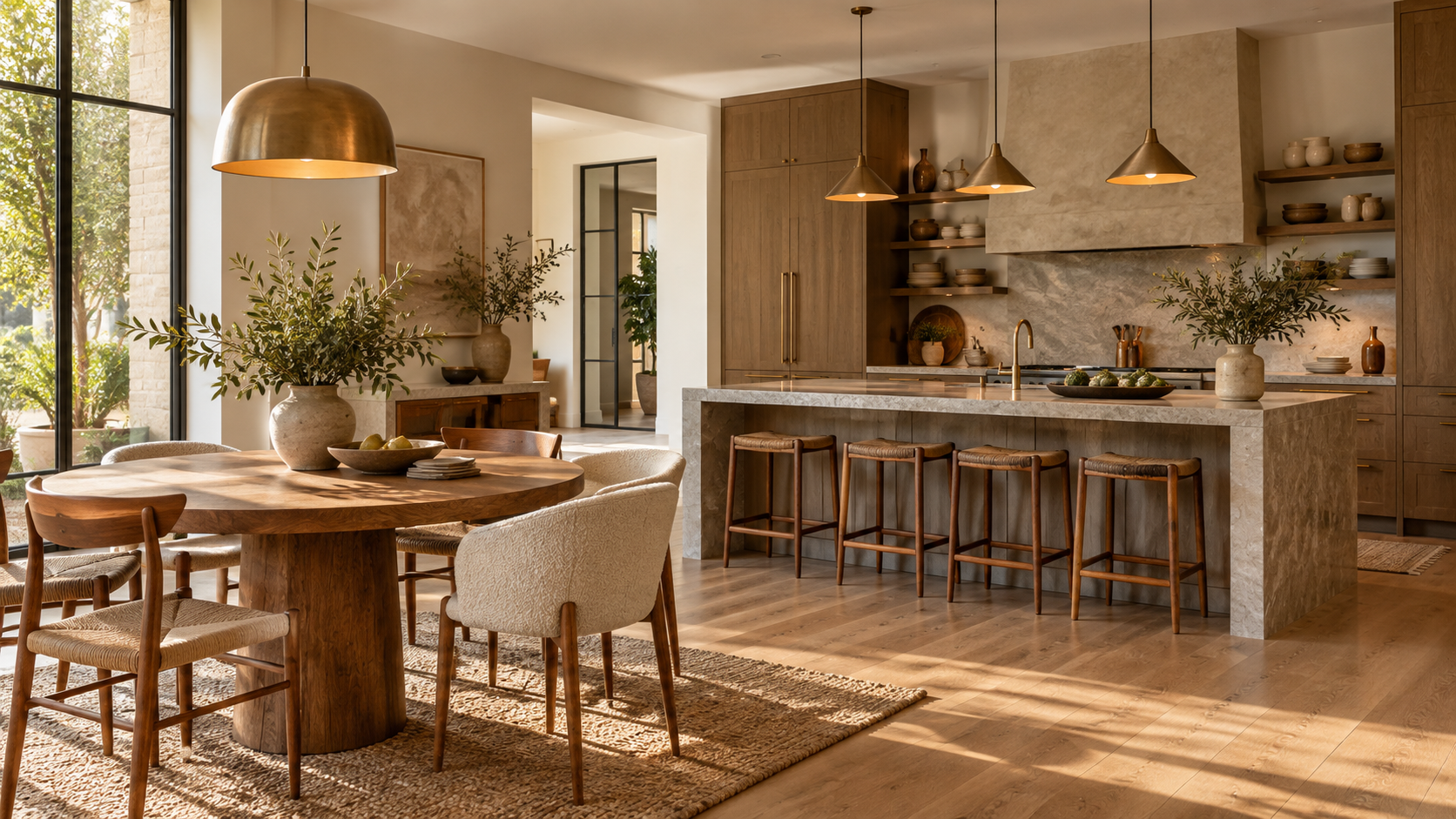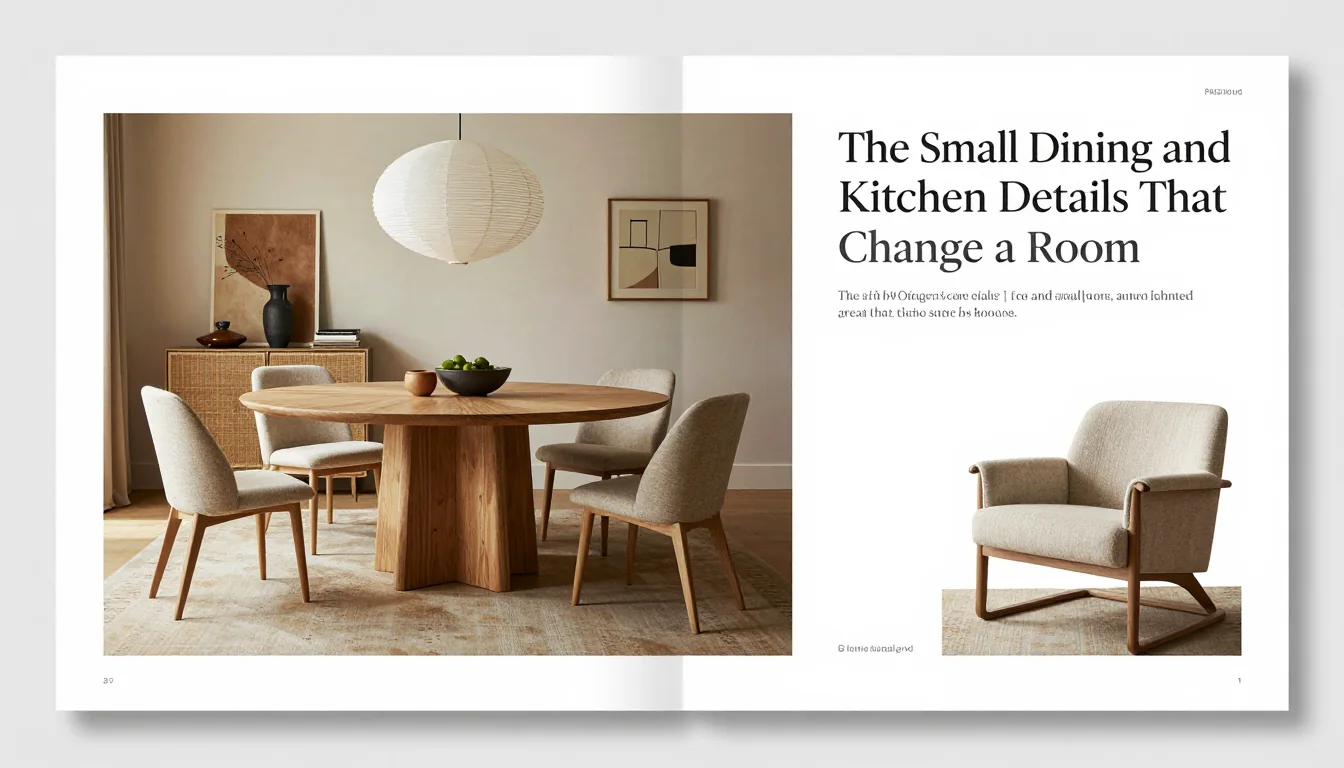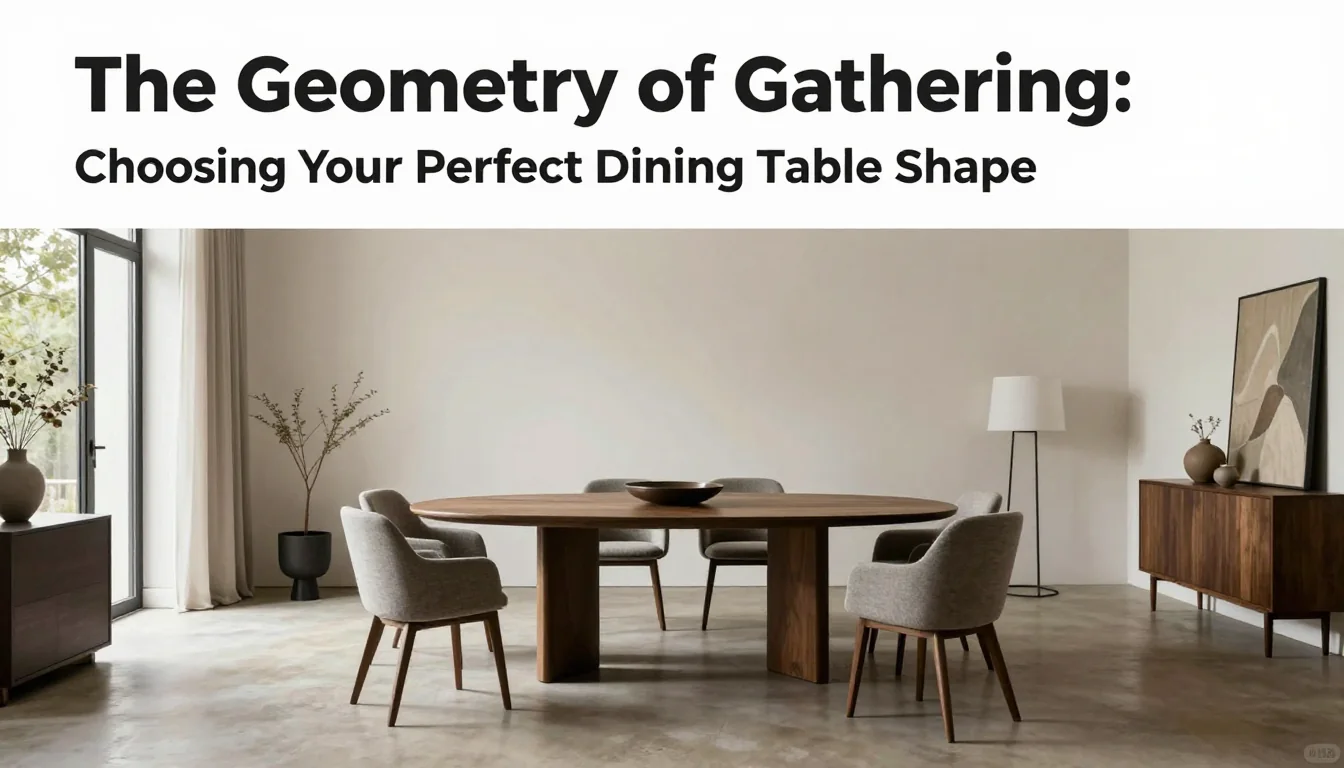
A dining table is far more than just a piece of furniture; it is the heart of social interaction, the stage for celebratory meals, and often, the centerpiece defining the entire flow of your kitchen or dining room. Yet, selecting the perfect shape can feel like navigating a complex geometry problem—a decision that drastically impacts not only aesthetics but also the daily ergonomics of your space. Will a sharp rectangle dominate an open concept? Or will a soft circle create the intimate haven you desire? The right table shape acts as a silent choreographer, guiding traffic patterns and dictating how many people feel comfortable gathering around it. Before settling on wood grain or marble veining, we must first consider the physical footprint and the lifestyle of your household. Understanding how different geometries interact with room dimensions is the secret to creating a dining area that feels perfectly tailored—functional, beautiful, and utterly harmonious.
Optimizing Flow in Constrained Environments
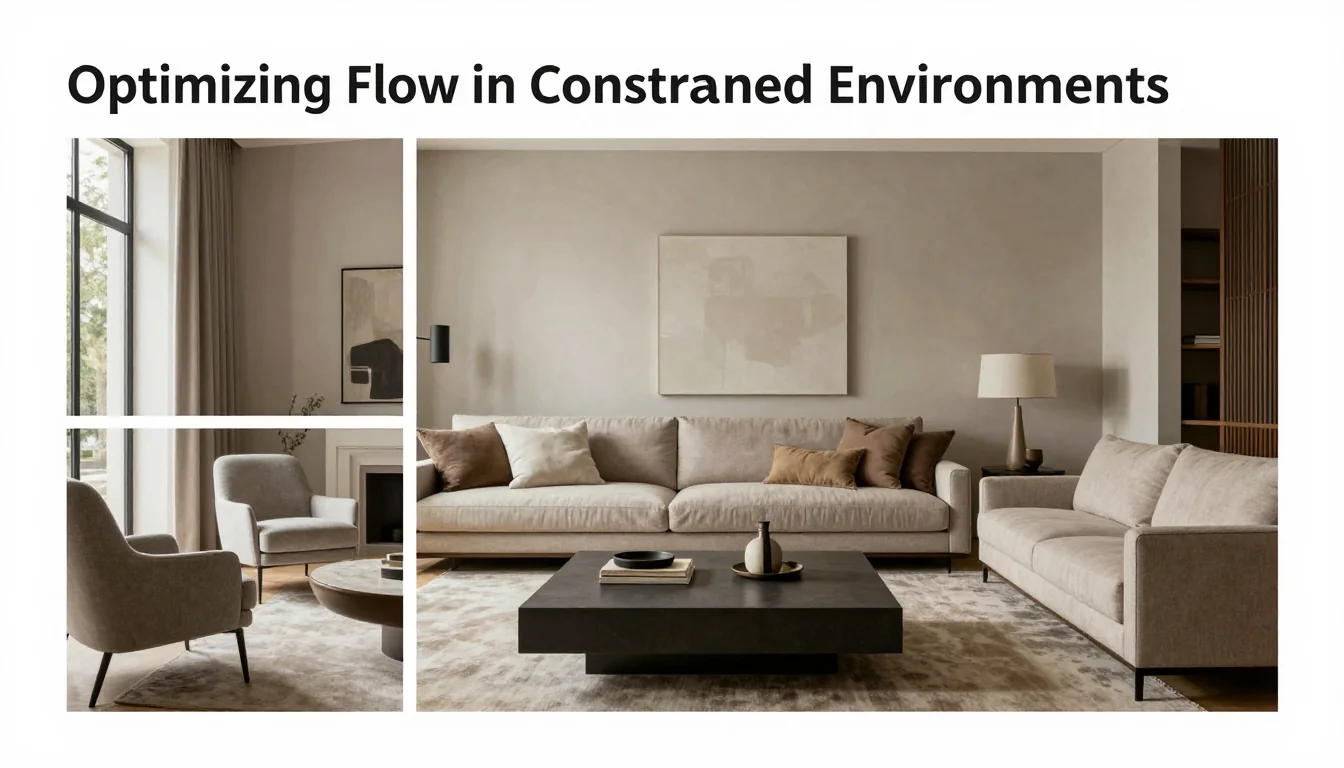
When space is at a premium, every square foot must work overtime, making thoughtful selection paramount. In smaller rooms or long, narrow spaces, the rectangular table might seem like the default choice, but sometimes its rigid edges can create awkward bottlenecks and make movement cumbersome. For maximizing seating capacity while minimizing visual clutter, the round table shines brightly. Its curved perimeter inherently lacks sharp corners, allowing chairs to be pulled out and moved without slamming into adjacent walls or furniture. This continuous curve promotes easy flow around the piece, which is invaluable in tight settings.
Oval tables offer a sophisticated compromise; they provide the elongated seating potential of a rectangle while maintaining much of the gentle, flowing aesthetic of a circle. They are exceptionally good at fitting neatly into corners or against walls without feeling overly cramped. Furthermore, the rounded nature ensures that conversation remains centralized and intimate, preventing diners from being isolated on the ends of a long slab. When measuring for constrained environments, always account for ample clearance—you need at least 36 inches around the table perimeter to allow chairs and people to comfortably slide in and out without bumping into surrounding cabinets or walls.
Designing Grandeur for Expansive Spaces
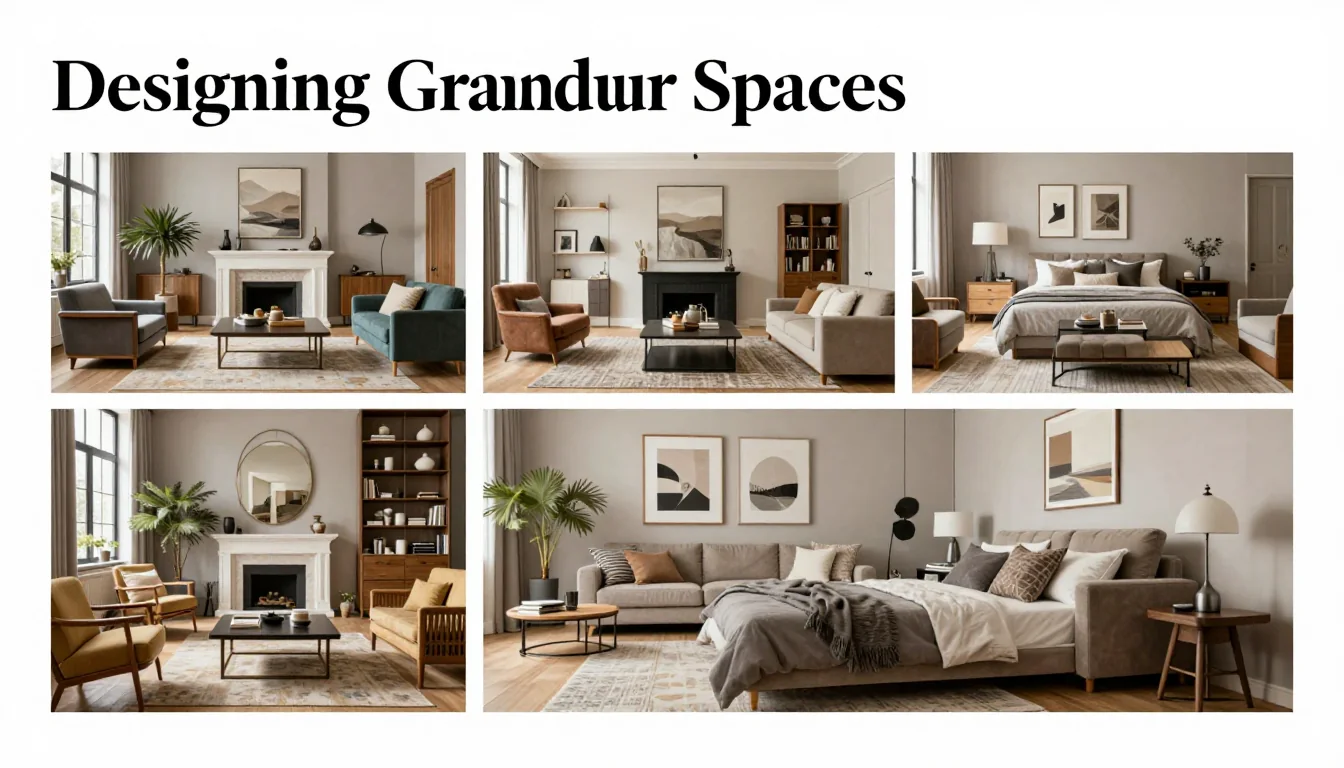
In large, open-plan homes where spatial limitations are non-existent, the choice of shape moves beyond mere function and leans heavily into statement and formality. Here, a grand rectangular table allows you to anchor a massive dining area, providing impressive scale and definition. It is ideal for formal entertaining, allowing long lines of seating that accommodate large gatherings—from holiday feasts to sophisticated dinner parties. The linearity inherent in the rectangle adds a sense of architectural gravitas to an expansive room.
However, if your spacious room has varied angles or you wish to foster a more relaxed, communal atmosphere without sacrificing scale, consider a very large oval design. An oversized oval table creates a soft visual anchor—it feels substantial and luxurious but avoids the harshness that sometimes accompanies a purely rectangular form. It maintains an elegant sense of directionality while encouraging a circular flow of conversation amongst guests. When planning for grand spaces, ensure the chosen table size is proportionate to the room's overall volume; a massive table in a moderately sized dining area can feel overwhelming, no matter how beautiful it is.
The Practical Psychology of Shape Selection
Beyond measurements and aesthetics, every shape carries an inherent psychological weight that affects the dining experience. Round tables are inherently democratic; because there are no defined 'heads' or ends, everyone sits equally close to the center, fostering genuine equality and conversation. They encourage a communal focus, making them perfect for family dinners where connection is the primary goal.
Rectangular tables, conversely, lend themselves well to structured dining—they suggest order, formality, and often facilitate head-to-head conversations across two sides. This structure makes them excellent choices when entertaining guests who prefer more defined seating arrangements or if you need to incorporate buffet service along one long edge. Oval tables manage this psychological balance beautifully; they offer the directional pull of a rectangle but wrap that energy in a softer, more inclusive curve than its angular counterpart.
Ultimately, choosing your dining table shape is about matching the furniture's geometry to the room’s geography and the lifestyle it serves. Take time to visualize how people will move around it, what kind of conversations you wish to have while seated, and whether you need a dramatic focal point or a seamless fit. By prioritizing function alongside form, your dining area will become not just beautiful, but perfectly calibrated for gathering.
Practical Planning Notes
Allow about 36 inches behind dining chairs for everyday circulation; increase it where paths cross or service is frequent.
Material Perspective
Solid wood can be repaired and refinished; stone resists heat but needs sealing; quality laminate is low-maintenance.
Before You Commit
Map cooking, serving, seating, and clean-up routes before choosing table size or a kitchen island.
For related, room-specific ideas, continue with the guides in this category or return to the Furnlyra home page.