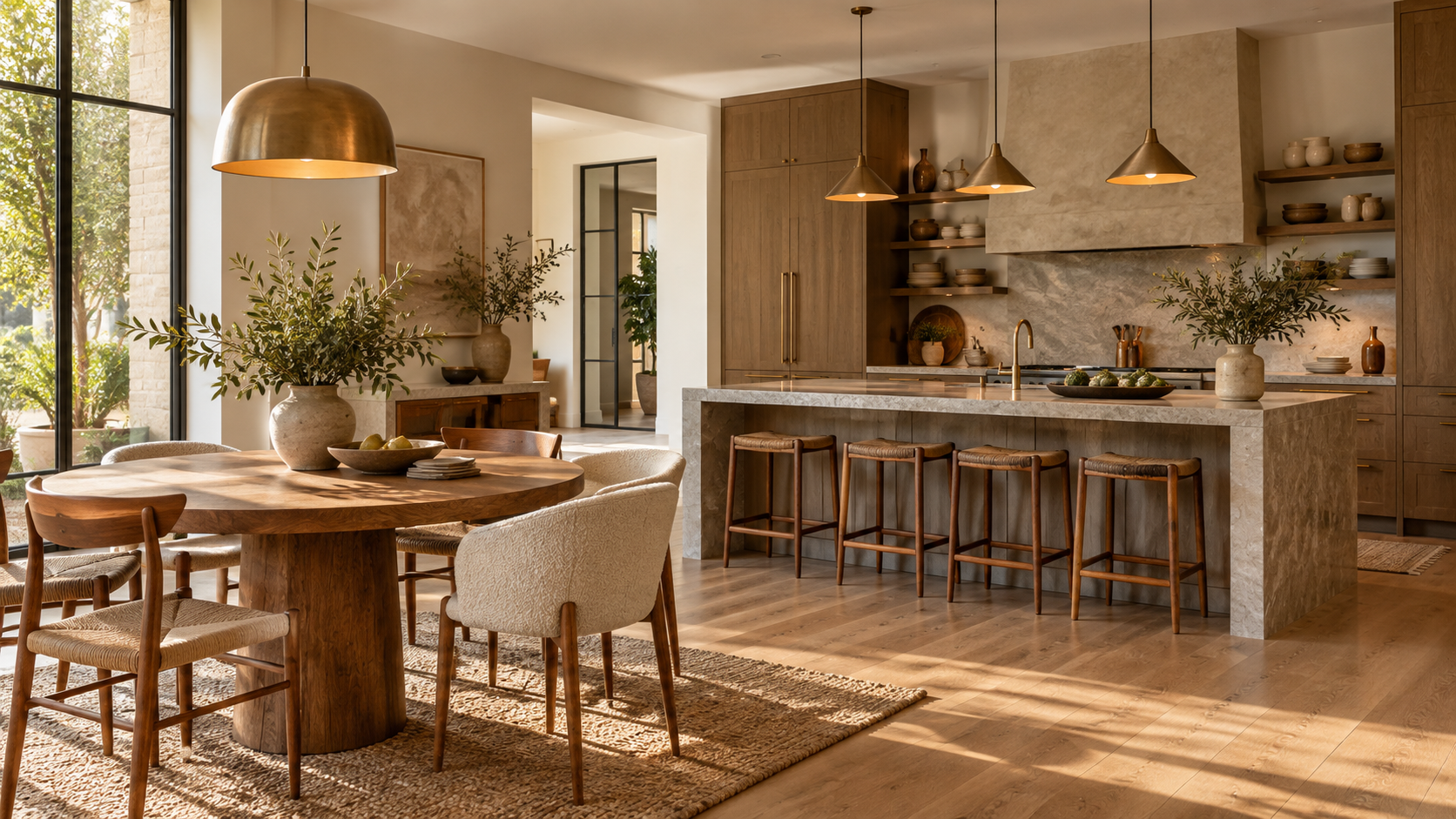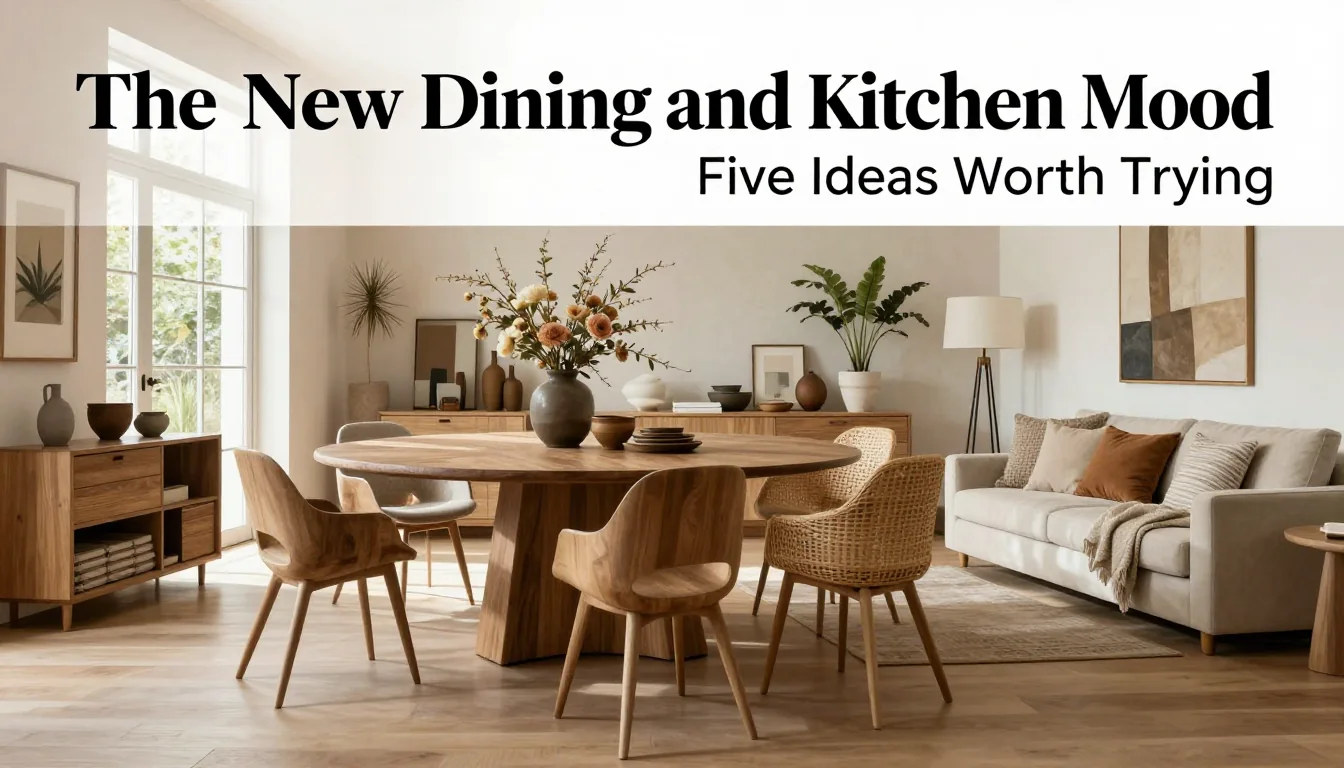
The contemporary kitchen has firmly established itself as the social heart of the home. It is no longer solely a utilitarian workspace for cooking; it functions as a dynamic gathering point—a stage where family rituals unfold, entertaining occurs, and daily life takes shape. Designing this critical space requires moving beyond mere aesthetics. True functional luxury lies in creating an ecosystem that supports both intense culinary activity and quiet moments of connection. A successful design must be intuitive, robust enough to withstand honest wear, and thoughtfully structured to serve the habits of its users.
Strategic Layout: Mastering Circulation and Zoning
The foundation of any effective kitchen is intelligent spatial planning. Instead of allowing all elements—prep areas, cooking zones, and dining spaces—to merge into a single chaotic expanse, employ zoning to define specific functions. A primary cooking zone should be distinct from the gathering area, even if they share an open concept. This subtle separation allows the cook to maintain high efficiency without feeling overwhelmed by guests or visual clutter, while still maintaining a strong connection to those at the dining table.
When mapping circulation paths, prioritize ease of movement above all else. Ensure there is adequate clearance between major fixed elements: the island, the primary range, and main counter runs. A minimum of 42 inches (107 cm) is recommended for a comfortable traffic aisle in high-use areas, allowing two people to pass or work simultaneously without obstruction. Bottlenecks occur when clearances are compromised by oversized appliances or poorly placed seating.
A common trade-off involves the desire for multiple islands. While impressive visually, too many islands can fragment the workspace and impede flow. If space is limited, prioritize a single, central island that serves dual purpose—as both prep surface and informal dining bar. Alternatively, use perimeter cabinetry to create dedicated 'nooks' (e.g., a specialized coffee station or beverage fridge) rather than relying on large, disruptive islands.
Materiality and Layering: Building Character Through Texture
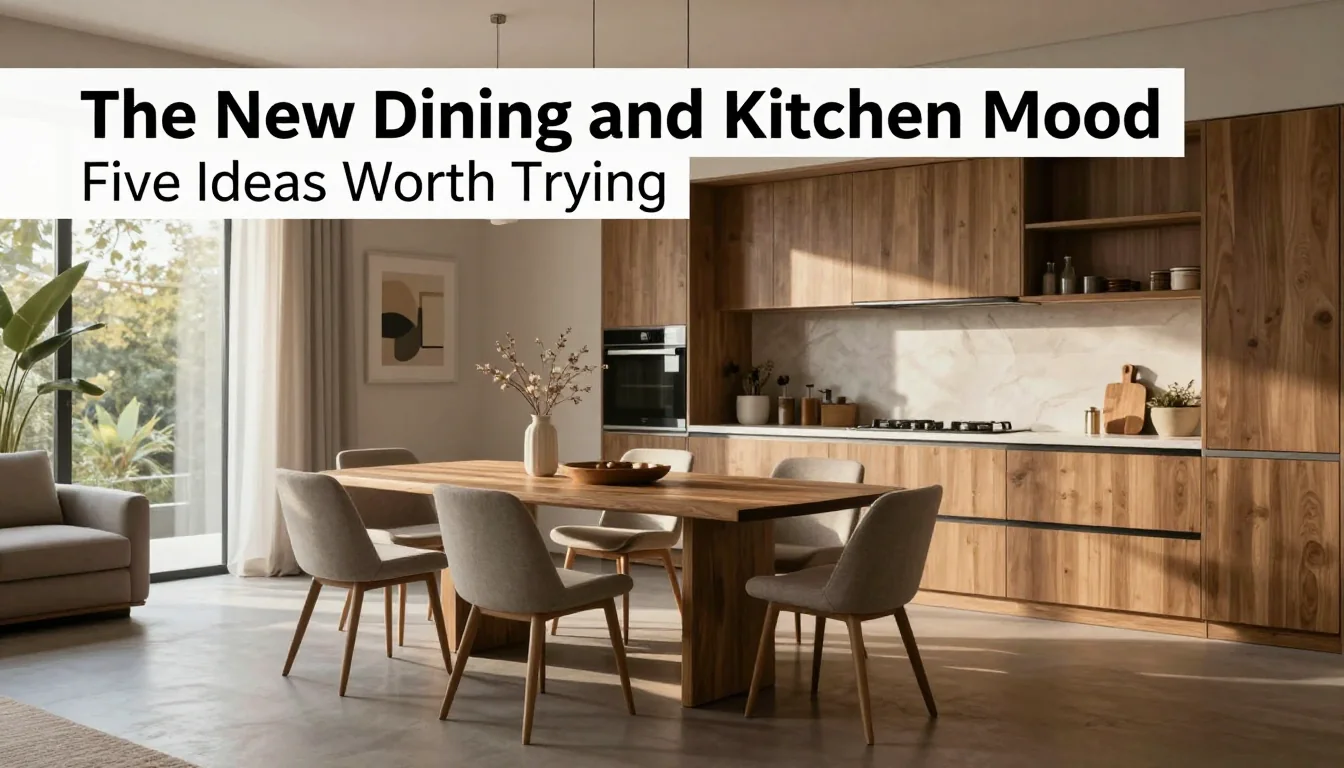
Character in the kitchen is derived not just from expensive materials, but from the intentional layering of texture. Begin with durable core elements—such as honed natural stone countertops or highly resilient composite surfaces—paired with cabinetry finishes that reflect your home's overall palette. These structural bones must be chosen for longevity and low maintenance; a busy kitchen demands resilience over high gloss.
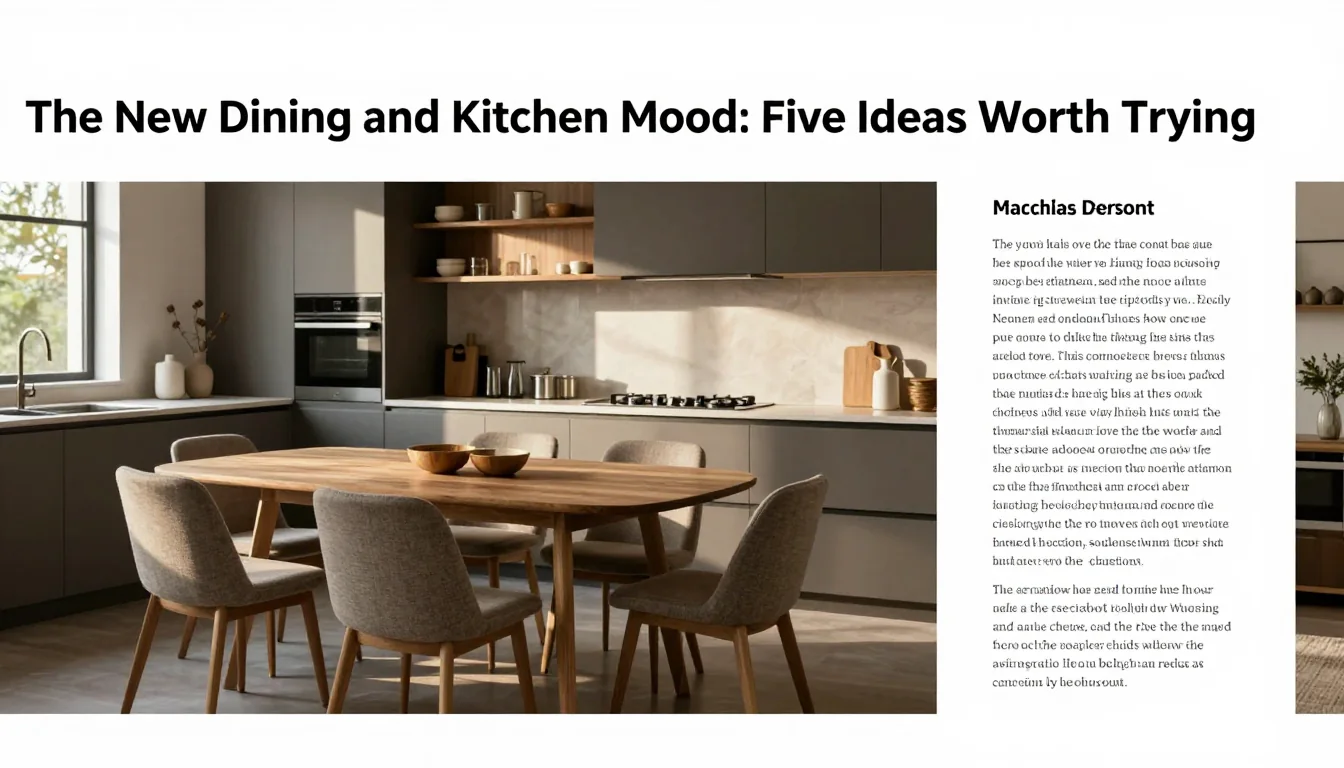
To build personality, introduce functional layers like carefully designed open shelving or integrated display nooks. These elements transform storage from a hidden necessity into an intentional part of the room’s visual charm. For instance, incorporating thick-framed floating shelves to hold artisanal dishware elevates simple objects to design features. However, be mindful: if you choose wood for these displays, ensure it is properly sealed and patch-test any cleaning solution on an inconspicuous area first; oiled woods require specific balm application rather than harsh cleaners.
Lighting acts as the crucial third layer of character. Beyond general ambient fixtures, implement a hierarchy: use strong task lighting (e.g., focused LED strips) directly above prep areas to ensure functional brightness, and employ warmer, lower-intensity pendant lights over the dining table. The temperature of the light—measured in Kelvins (K)—fundamentally shifts the mood; aiming for 2700K creates an inviting, intimate evening atmosphere, while a cooler 4000K is better suited for bright morning prep.
Detailing Function: Smart Storage and Ritual Support
The most sophisticated design details are those that disappear into seamless functionality. A kitchen supporting daily rituals must anticipate need, which requires moving beyond standard cupboards. Opt for drawer systems designed specifically for tools—e.g., designated knife drawers or pull-out spice racks within the base cabinetry. These specialized solutions maximize accessible storage and minimize reaching.
Integrated convenience features dramatically elevate the user experience. Consider incorporating discreet charging stations built into a side cabinet, minimizing wire clutter, or utilizing deep, full-extension pantries that eliminate the need for bending. When choosing drawers, aim for depths of 18 to 20 inches (46–51 cm) if they will hold large pots and pans; shallower drawers are fine for utensils but limit utility.
The dining area must also be designed with ritual in mind. If your kitchen doubles as a family hub, ensure the transition between cooking and eating is seamless. A sturdy island surface that can accommodate both meal prep and homework serves this purpose well. The common mistake here is prioritizing pure storage over usability; while hiding everything looks clean, accessible organization—such as having frequently used oils or spices within easy reach of the stove—supports genuine daily flow.
Practical Planning Notes
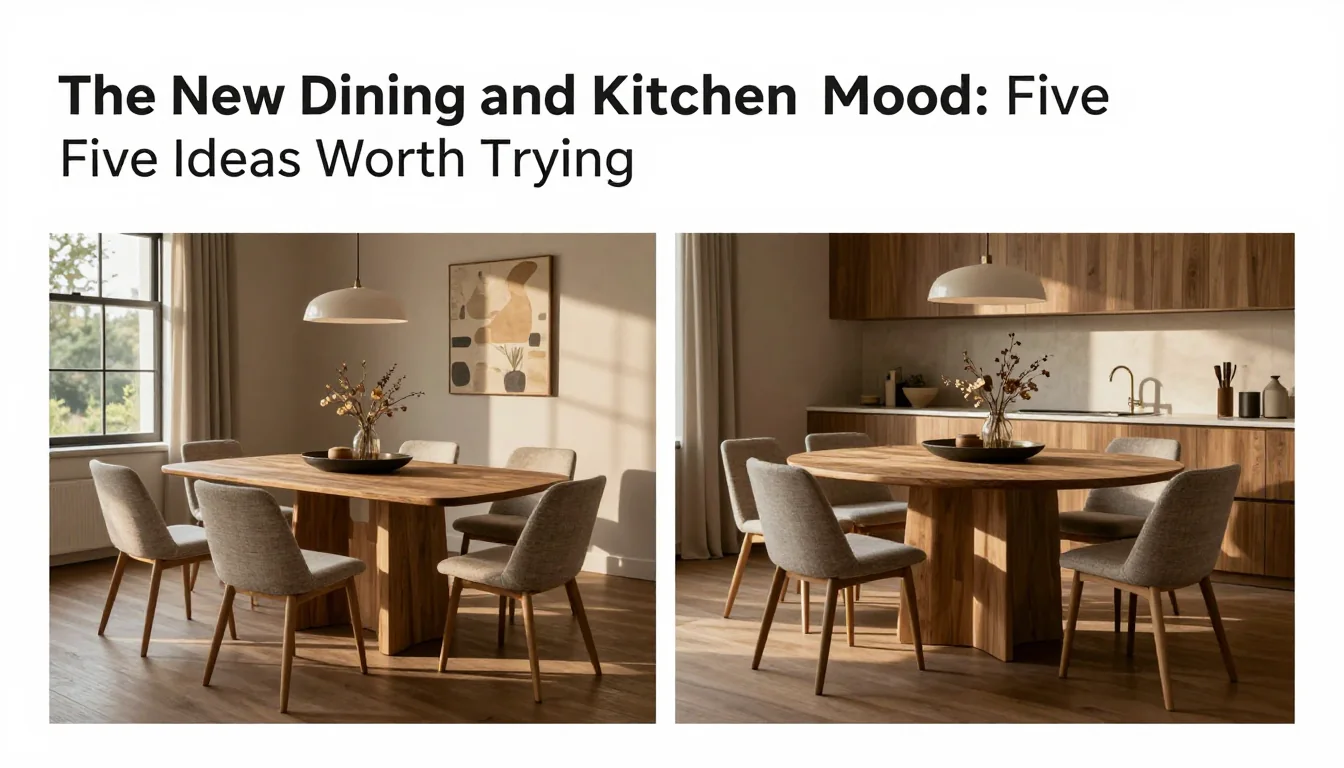
Allow about 36 inches behind dining chairs for everyday circulation; increase it where paths cross or service is frequent.
Material Perspective
Solid wood can be repaired and refinished; stone resists heat but needs sealing; quality laminate is low-maintenance.
Before You Commit
Map cooking, serving, seating, and clean-up routes before choosing table size or a kitchen island.
For related, room-specific ideas, continue with the guides in this category or return to the Furnlyra home page.