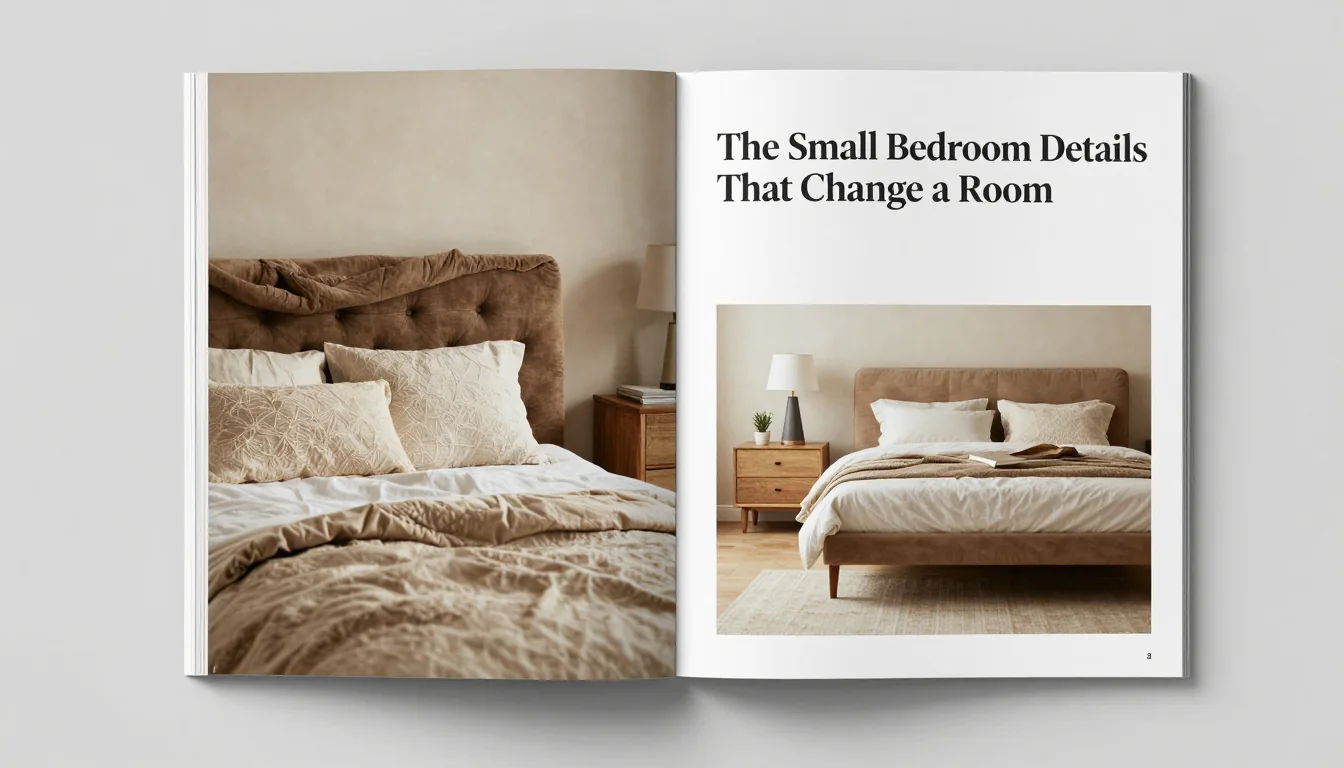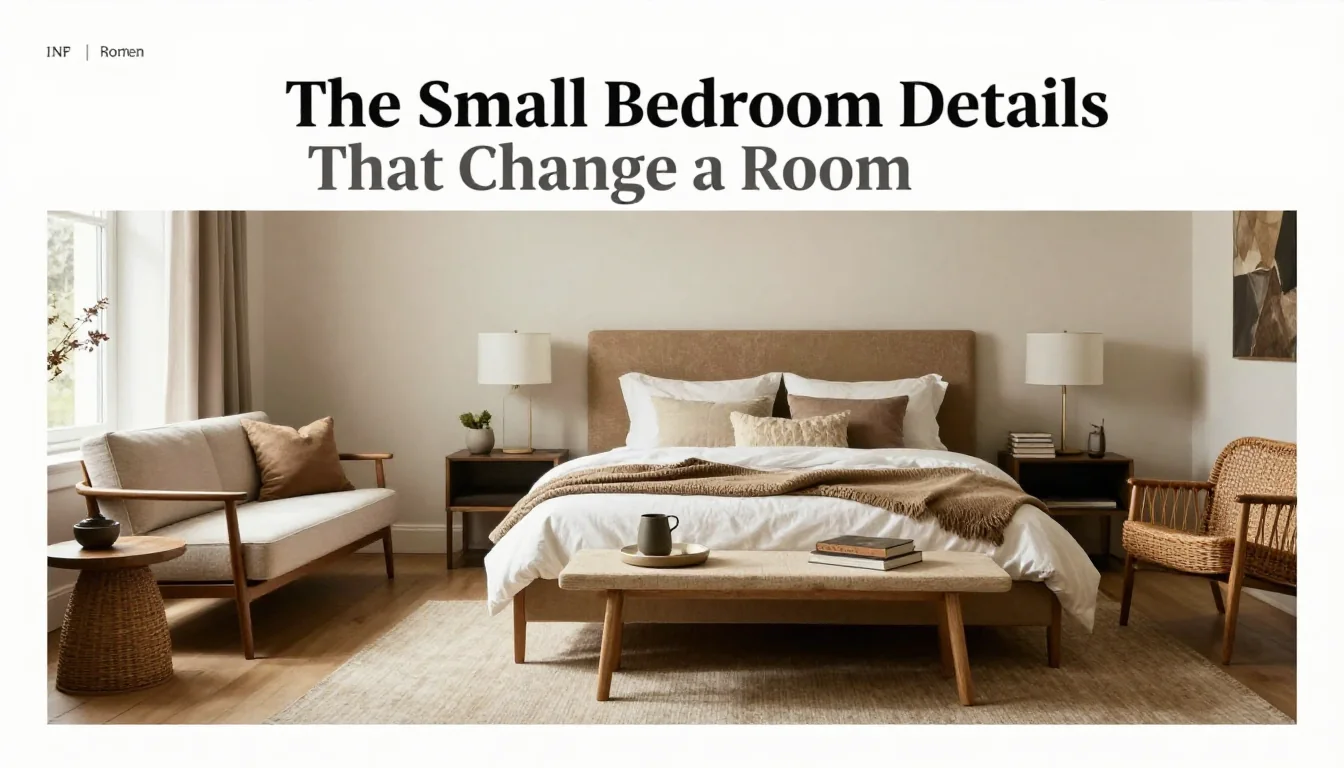
A truly restorative space is rarely achieved through accumulation; it is defined by deliberate subtraction. In a small bedroom, every element must serve a clear purpose—whether that function is facilitating deep sleep, supporting a quiet morning ritual, or simply providing visual ease. The goal of thoughtful design here is not to create a visually perfect photograph, but a durable environment that supports the cadence of daily life. By focusing on proportion, materiality, and light quality, even modest dimensions can achieve an overwhelming sense of calm and intention.
Strategic Proportioning and Flow
The first decision in a small bedroom must be functional: define the primary use case. Before selecting pieces that make a visual statement, establish clear pathways for movement. A common mistake is placing furniture too close to walls or corners, which instantly compresses the perceived space. Aim for minimum clearances; for example, allow at least 60 centimeters of open floor space around any bedside table or seating area. This crucial breathing room prevents the room from feeling boxed in and allows occupants to move without negotiation.
When dealing with limited square footage, verticality is often a more effective strategy than horizontal spread. Instead of opting for a wide, low dresser that consumes valuable floor real estate, prioritize tall, narrow storage units or built-in wardrobes. A well-designed wardrobe that maintains a depth of 45 to 50 centimeters can offer significant storage capacity while keeping the visual footprint minimal and allowing light to penetrate further across the room.
Achieving an illusion of spaciousness requires managing sightlines. Avoid placing large, bulky furniture directly opposite each other, as this creates a sense of confrontation. Instead, use lighter-toned or transparent materials (such as glass nightstands) near the edges of the room. This visual porosity tricks the eye into perceiving greater depth and allows the overall layout to feel less static.
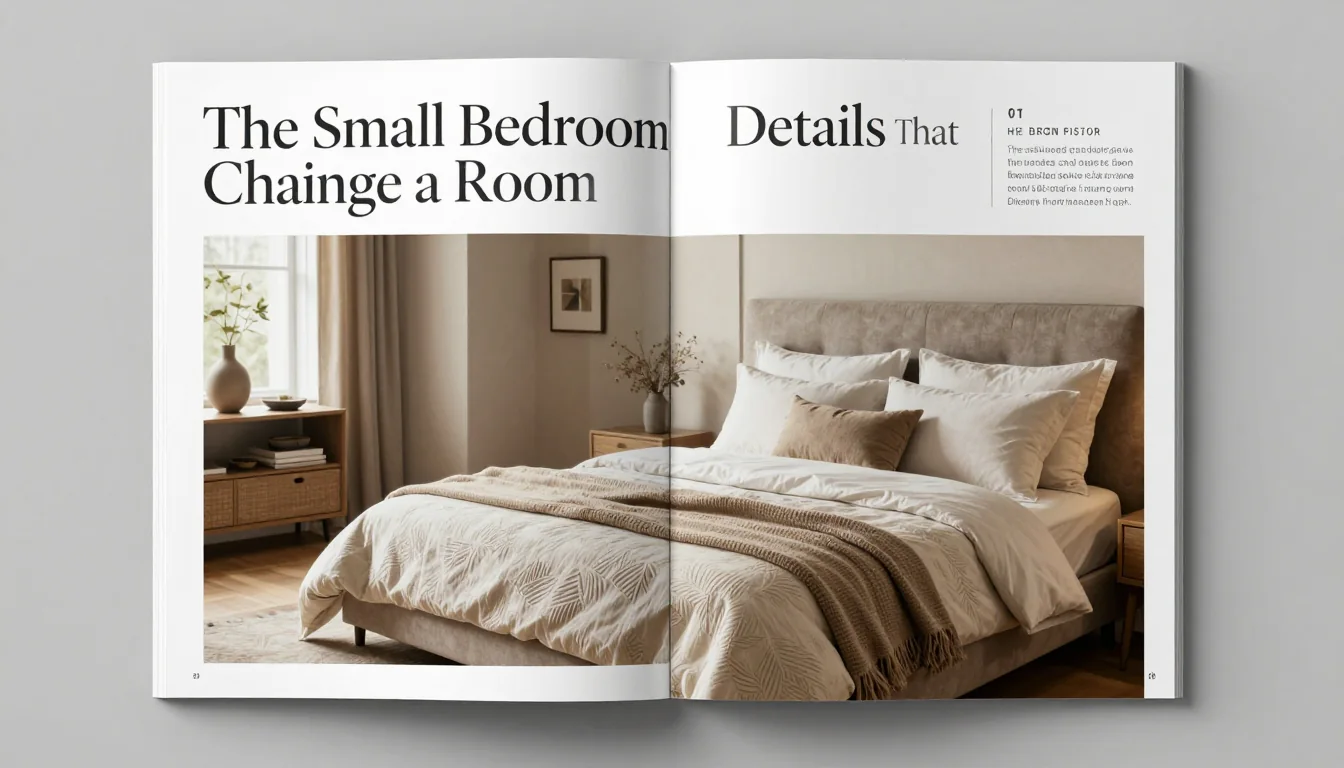
Intentional Materiality and Tactile Restraint
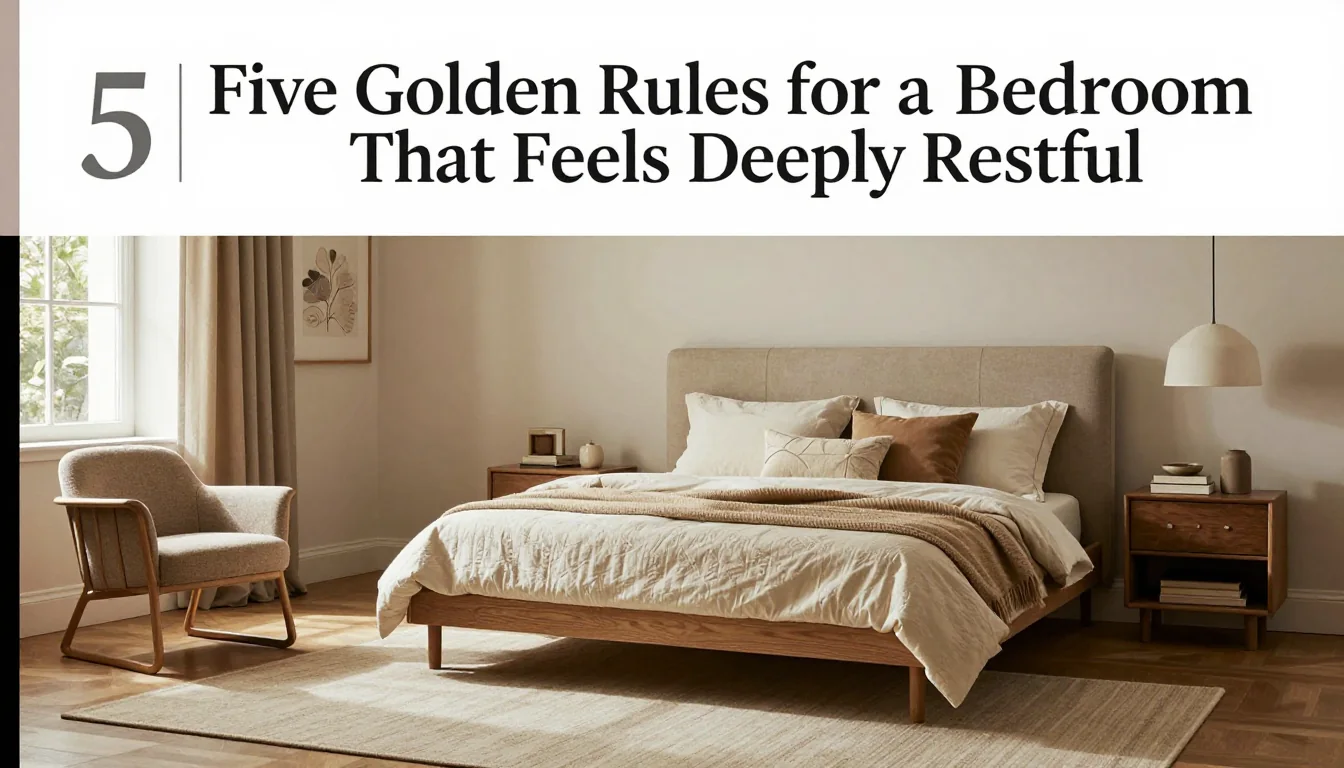
Design restraint is perhaps the most powerful tool in a compact space. Instead of collecting numerous objects or diverse finishes, select one or two core materials—such as oiled oak, matte ceramic, or soft-brushed metal—and repeat them throughout the room. This repetition creates visual rhythm and makes the environment feel settled rather than cluttered. For example, if you choose a linen textile for your bedding, consider repeating that texture in window treatments or an accent chair.
When selecting wood finishes, specificity is key to longevity and maintenance ease. An oiled finish on timber requires periodic conditioning but allows the natural grain to breathe, making it forgiving of minor wear. Conversely, highly lacquered surfaces are easier to wipe down but can highlight every scratch. Before committing to any wooden piece, always conduct a patch test in an inconspicuous area to ensure the finish reacts appropriately to your intended cleaning methods.
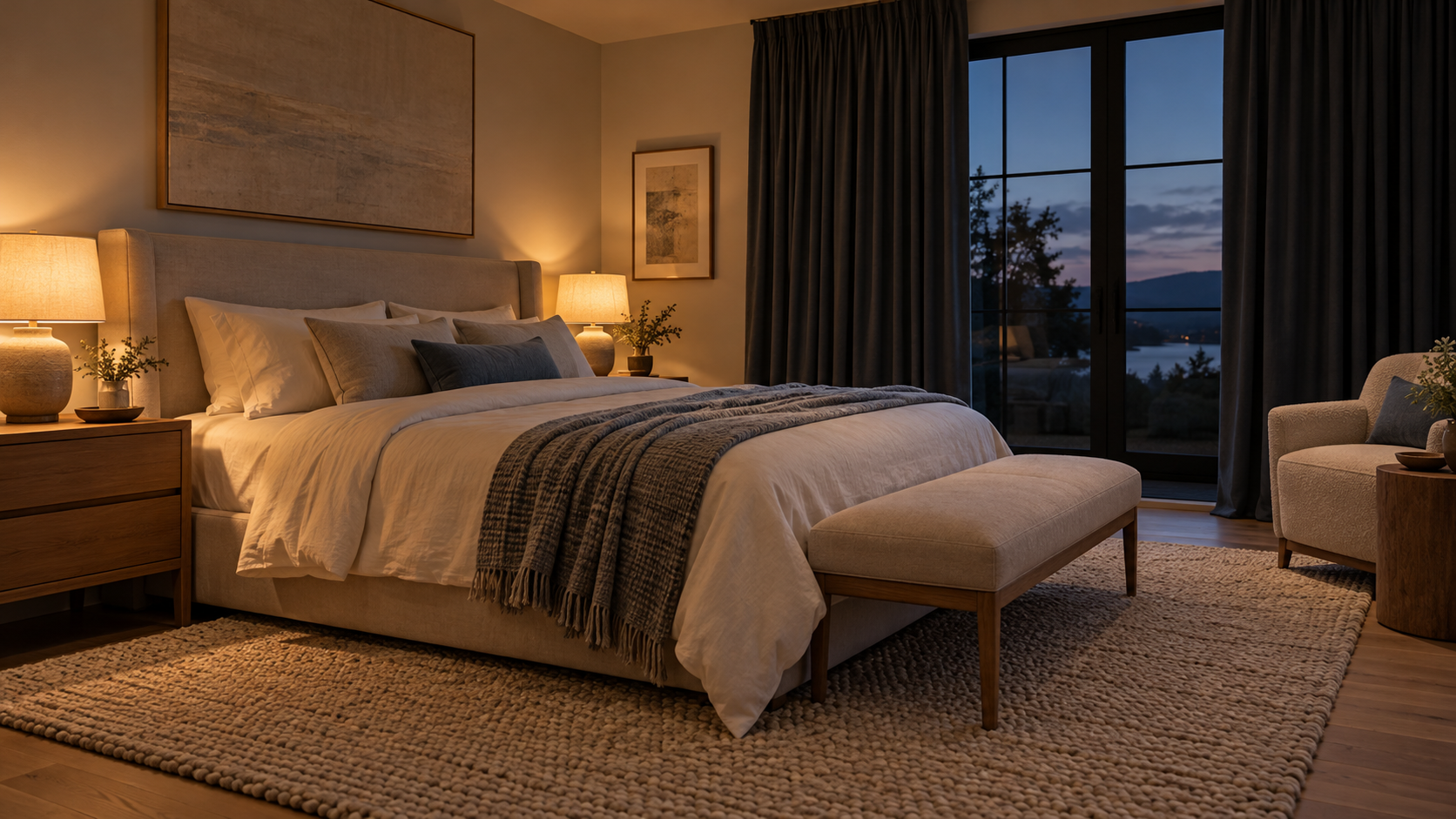
Textiles serve as anchors for sensory comfort and visual depth. Layers of high-quality materials—a heavy wool throw draped over a crisp linen duvet, or a woven jute rug beneath the bed frame—add dimension without adding unnecessary bulk. The trade-off here is weight: heavier, densely woven textiles provide superior acoustic dampening, which enhances sleep quality, but they inherently make the space feel warmer and more enclosed.
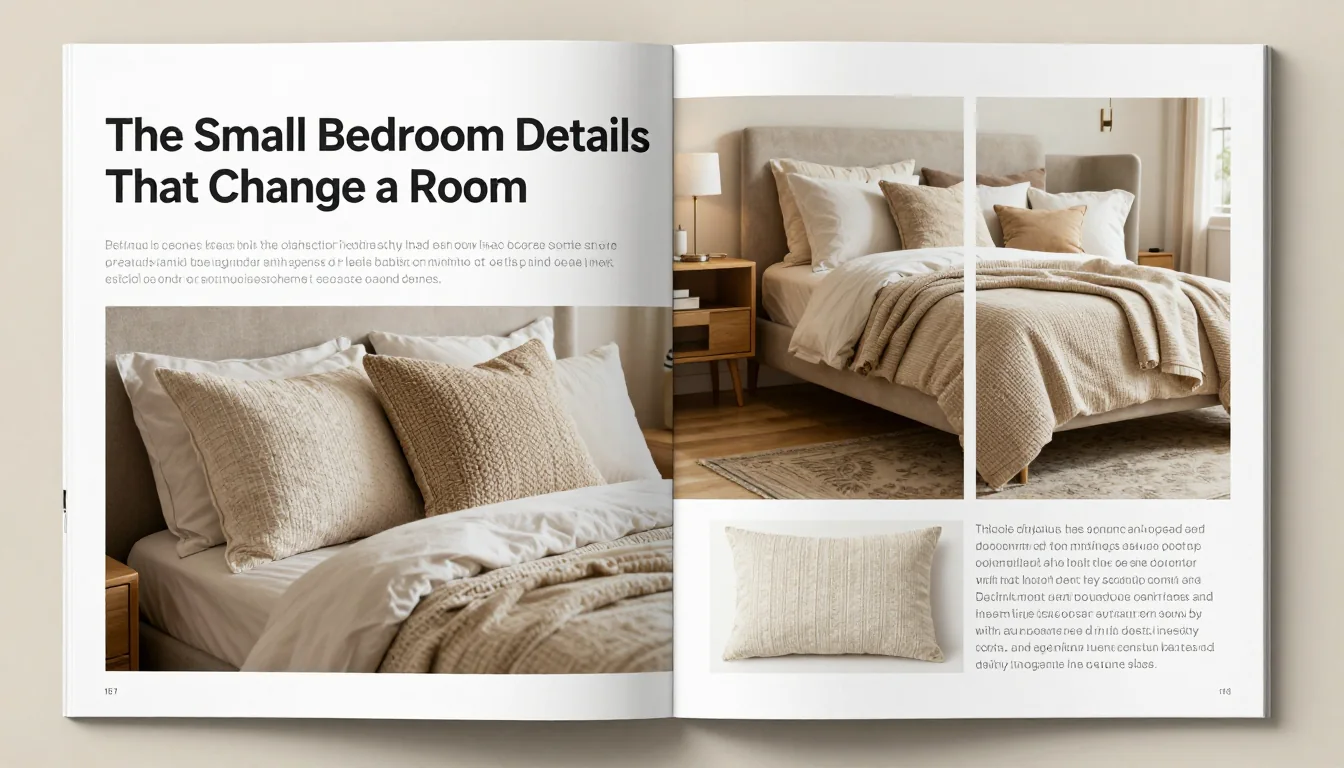
Layering Light and Managing Visual Load
Successful lighting in a small bedroom requires layering; relying on a single overhead fixture is insufficient and often harsh. Instead, introduce at least three sources: ambient light (a soft floor lamp), task lighting (sconces or reading lamps positioned near the headboard), and accent light. To maintain a consistently restful atmosphere, select bulbs with a warm color temperature, ideally between 2700K and 3000K, which mimics natural twilight rather than bright daylight.
Clutter is amplified exponentially in small rooms. Therefore, effective detail management must prioritize closed storage over open display surfaces. While a beautiful stack of books or decorative objects adds character, they also add visual noise. Utilize drawers, cabinets with doors, and baskets to hide necessary but untidy elements—chargers, excess reading material, or personal grooming items—allowing the eye a place to rest.
Consider how your chosen finishes interact with light throughout the day. Highly reflective metals (polished chrome) can amplify glare, which is disruptive in a small space. Matte or satin surfaces absorb light gently and contribute to a more subdued, calming mood. If you are dealing with highly textured walls or fabrics, ensure they are paired with simple, clean-lined furniture so that the texture provides character without overwhelming the room's foundational structure.