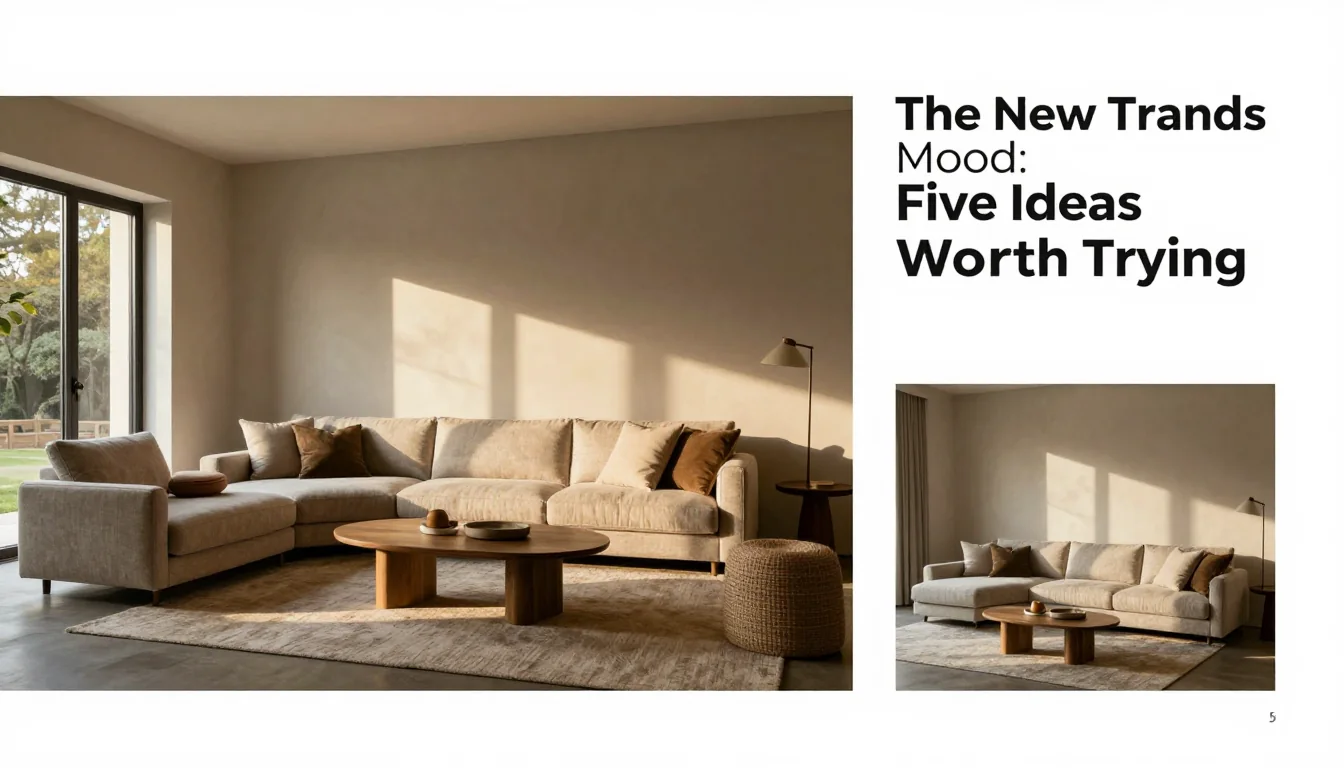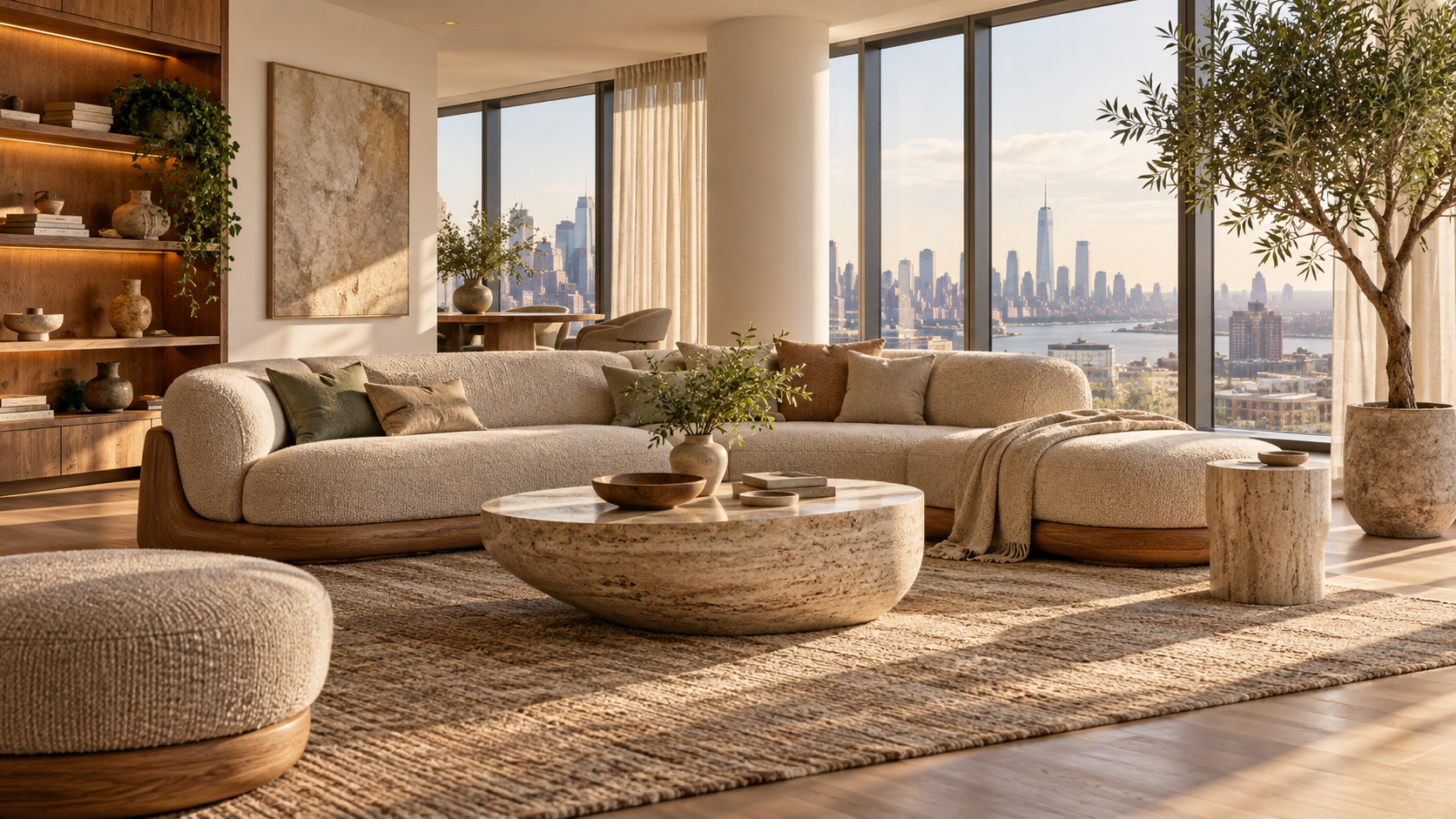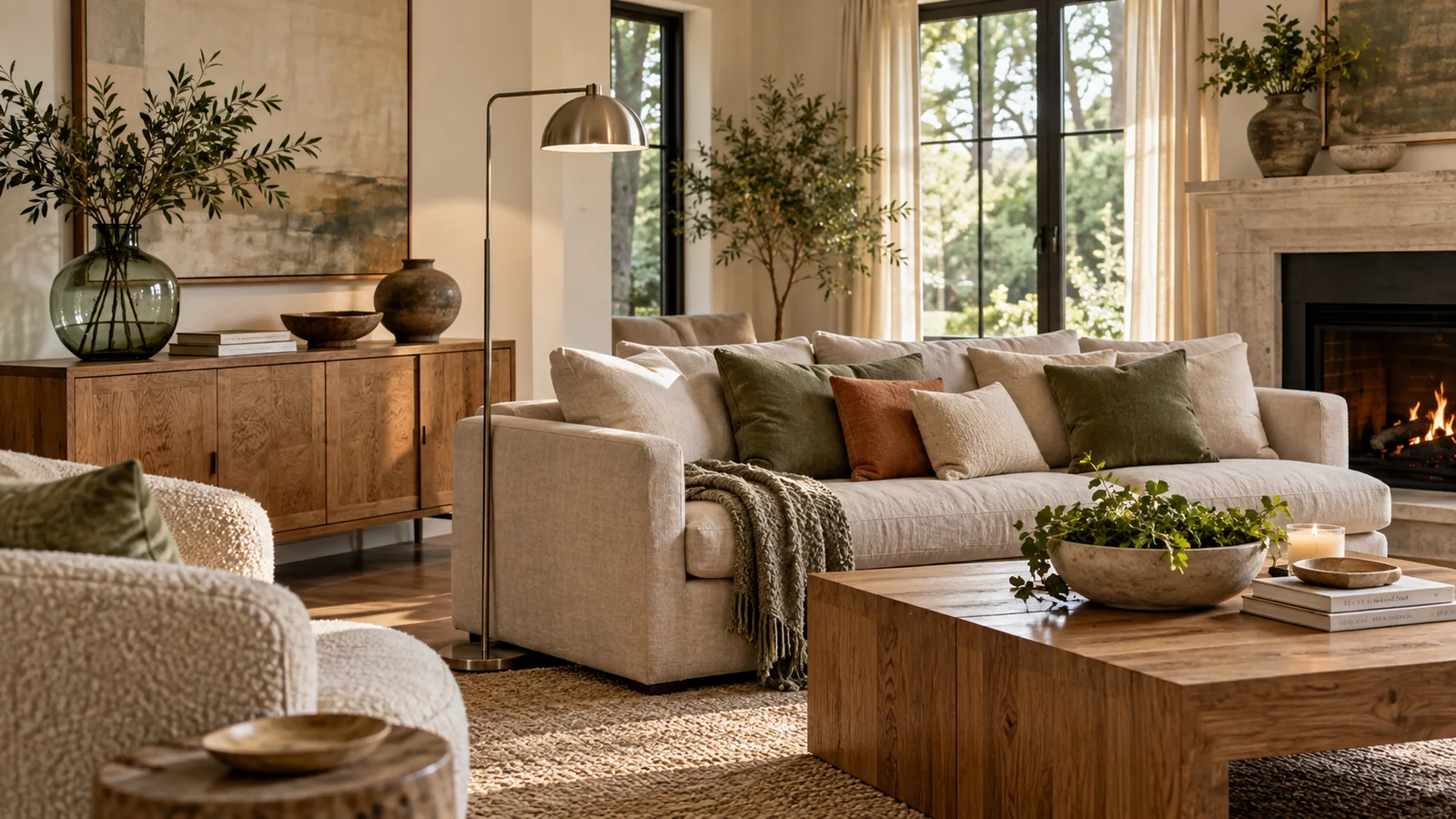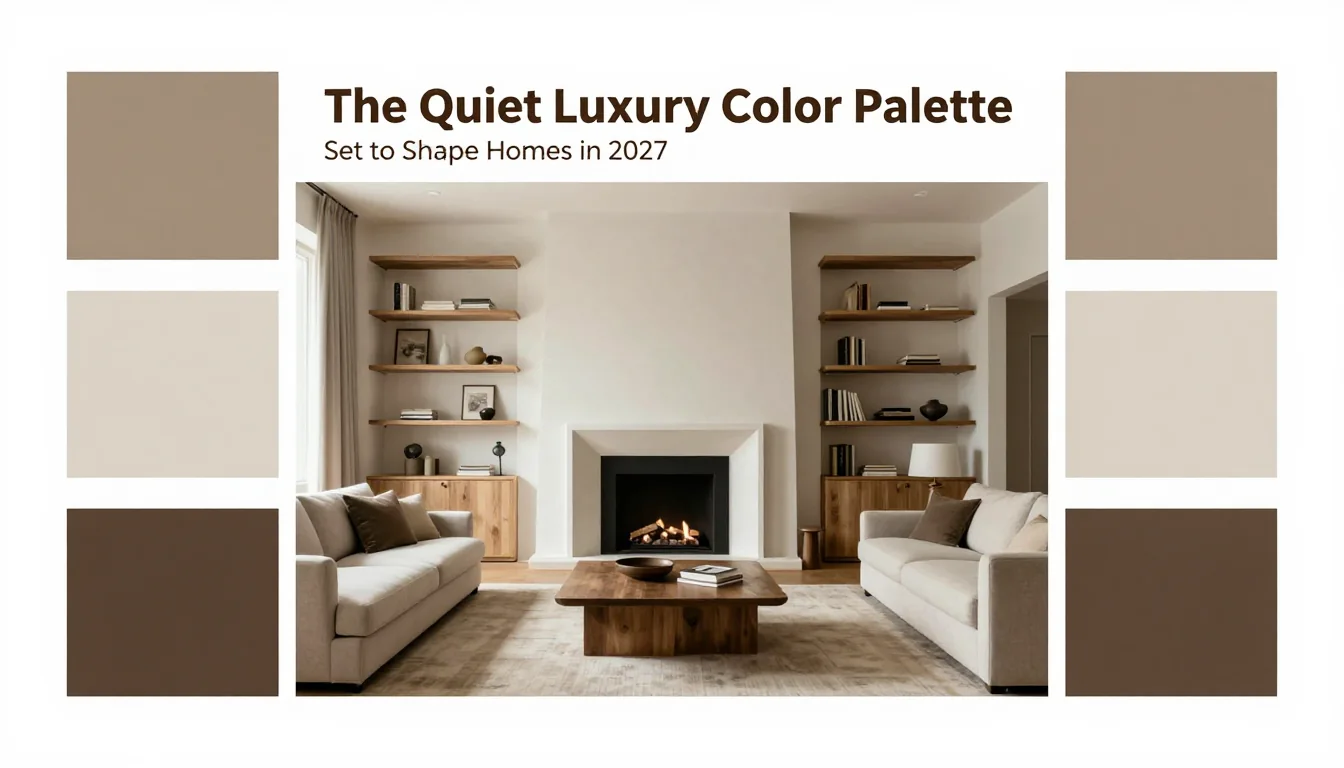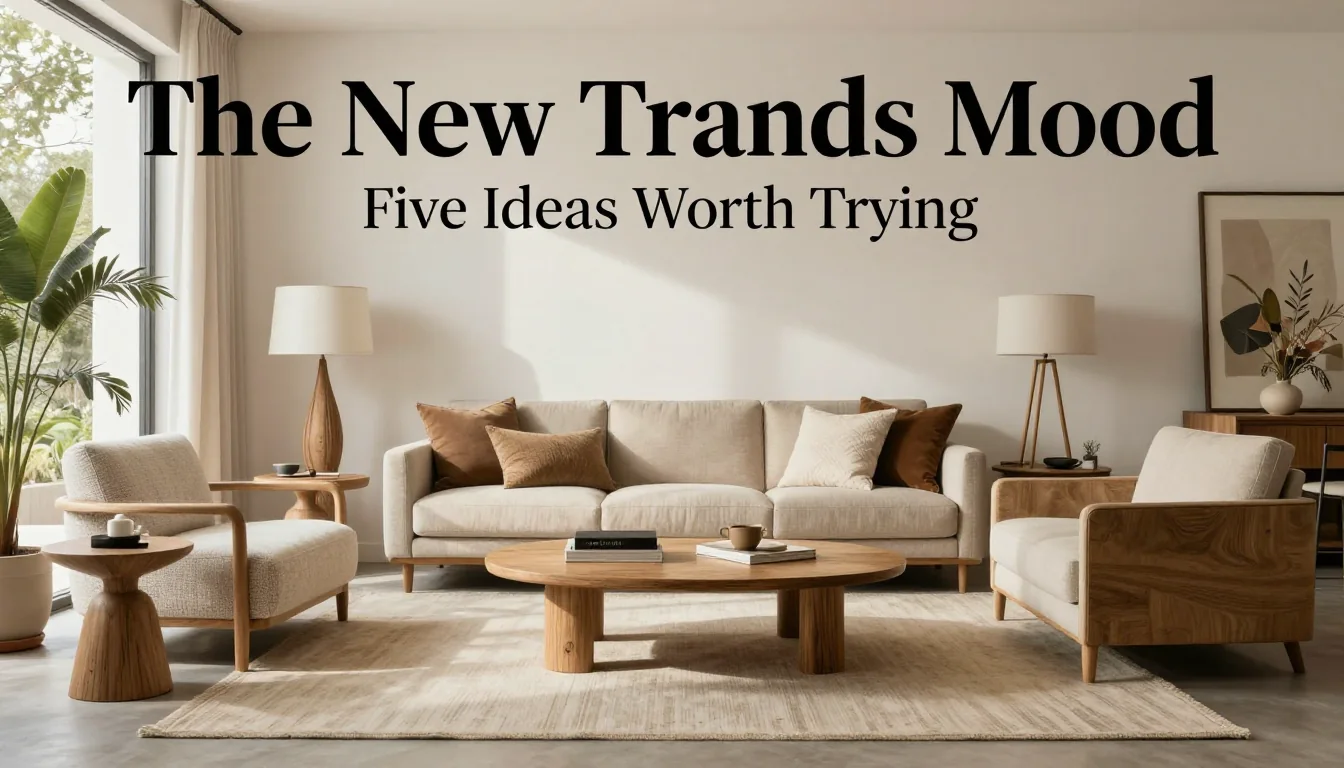
In an era defined by rapid aesthetic cycles, the true mark of sophisticated interior design is permanence. Rather than chasing ephemeral 'trends,' lasting luxury lies in cultivating spaces with genuine depth and narrative weight. This shift requires treating design elements not as temporary decoration but as foundational investments—pieces of material culture that evolve with you. The modern approach favors tactile richness over visual flash; it seeks to build a home that acts as an authentic extension of its inhabitants, rather than merely a beautifully staged showroom. By focusing on the integrity of materials and the philosophy behind every selection, you can curate an environment that transcends seasonal shifts.
Prioritizing Material Integrity Over Surface Hue
The quickest path to a disposable interior is relying solely on highly saturated or temporary color palettes. The antidote is grounding your space in exceptional materiality. Focus intensely on the tactile qualities of your environment: the cool, dense heft of honed limestone, the deep drape of heavy organic cotton, or the rich, variegated grain of oiled walnut. When selecting wood furniture, prioritize pieces with a thick, solid top (ideally 2-3 inches) finished with a matte oil rather than a high-gloss polyurethane; this allows the natural patina and movement of the grain to be visible over time.
A key trade-off in material selection is maintenance versus initial cost. While synthetics may offer low upkeep, investing in natural materials—such as full-grain leather or unsealed travertine—requires commitment. For instance, choosing a deep charcoal linen sofa (rather than a quick-fix performance fabric) means accepting the need for periodic professional cleaning to preserve its texture and color depth. When selecting stone countertops, look for honed finishes over polished ones; the subtle texture of a honed surface absorbs light softly and resists looking overly manufactured.
To achieve architectural permanence, integrate materials in varying weights and textures within the same room. Pair the rough porosity of raw concrete or zellige tile (approx. 10x10 inches) with the smooth density of brass hardware, and soften these hard lines with thick, hand-knotted wool rugs. This layering prevents the space from feeling monolithic. A common mistake is using too many highly polished surfaces; balance reflectivity with matte texture to achieve visual restfulness.
The Art of Intentional Imperfection and Sourcing
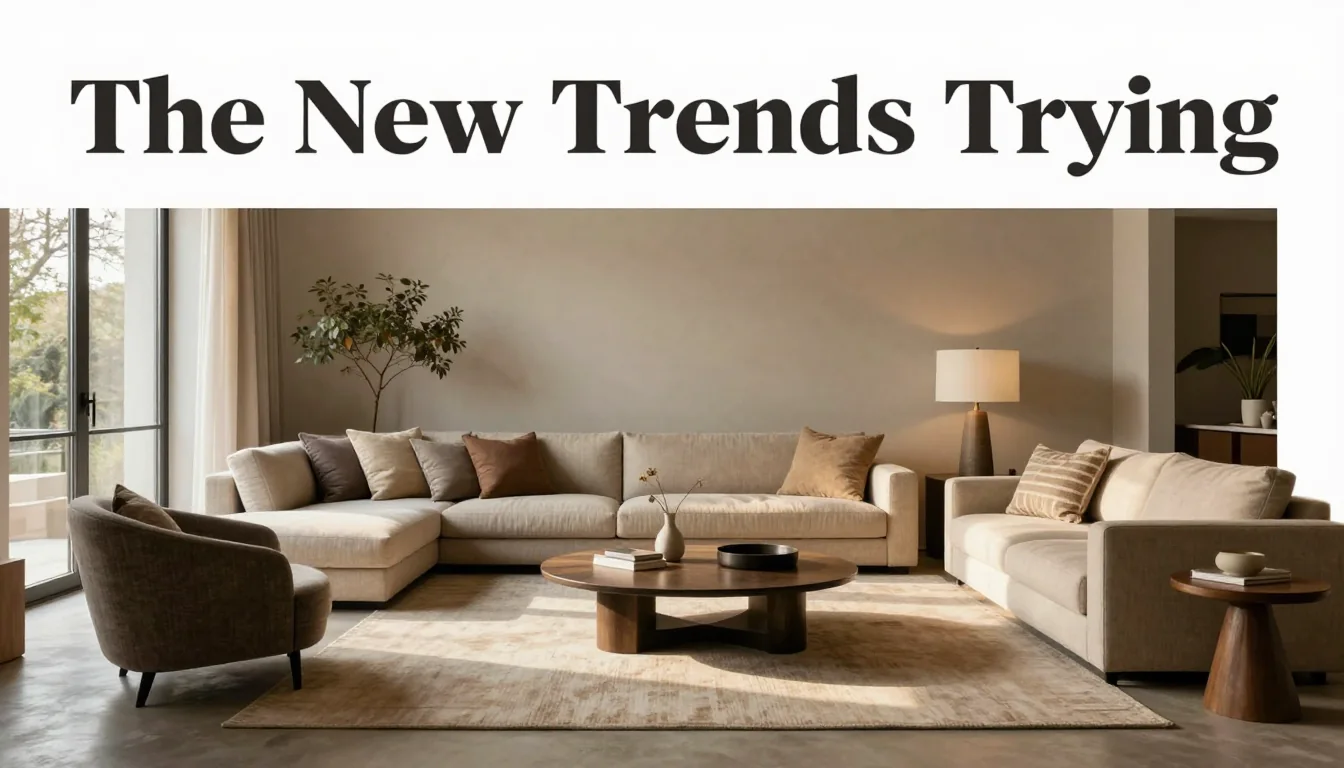
Sophisticated design actively rejects sterile uniformity. Instead, it embraces the patina of life—the subtle marks that tell a story. This means intentionally sourcing pieces that possess character: a ceramic vessel with slight throwing irregularities, reclaimed timber showing its history, or leather furniture that develops creases from use. These objects function as artifacts, injecting personality and grounding the room in reality.
Sourcing items with inherent character demands patience and curiosity beyond mainstream retail channels. Look to artisan markets, specialist salvage yards, and small-batch design studios. When vetting a piece of reclaimed wood for a console table (aiming for a top thickness between 25mm and 35mm), examine the grain variation and joinery; minor inconsistencies are not defects but indicators of its former life. The trade-off here is often time investment versus uniqueness.
Integrate these imperfect pieces strategically, ensuring they complement—not dominate—the overall design scheme. For example, a heavily textured, hand-thrown terracotta lamp base (approx. 15cm tall) should be placed beside a clean, minimalist geometric side table. A common pitfall is 'rustic overkill,' where every piece looks aged or distressed; the power of imperfection lies in its subtlety. Allow one focal point to carry the narrative weight while surrounding it with cleaner lines for visual balance.
Color Philosophy: Anchoring Palettes Through Depth
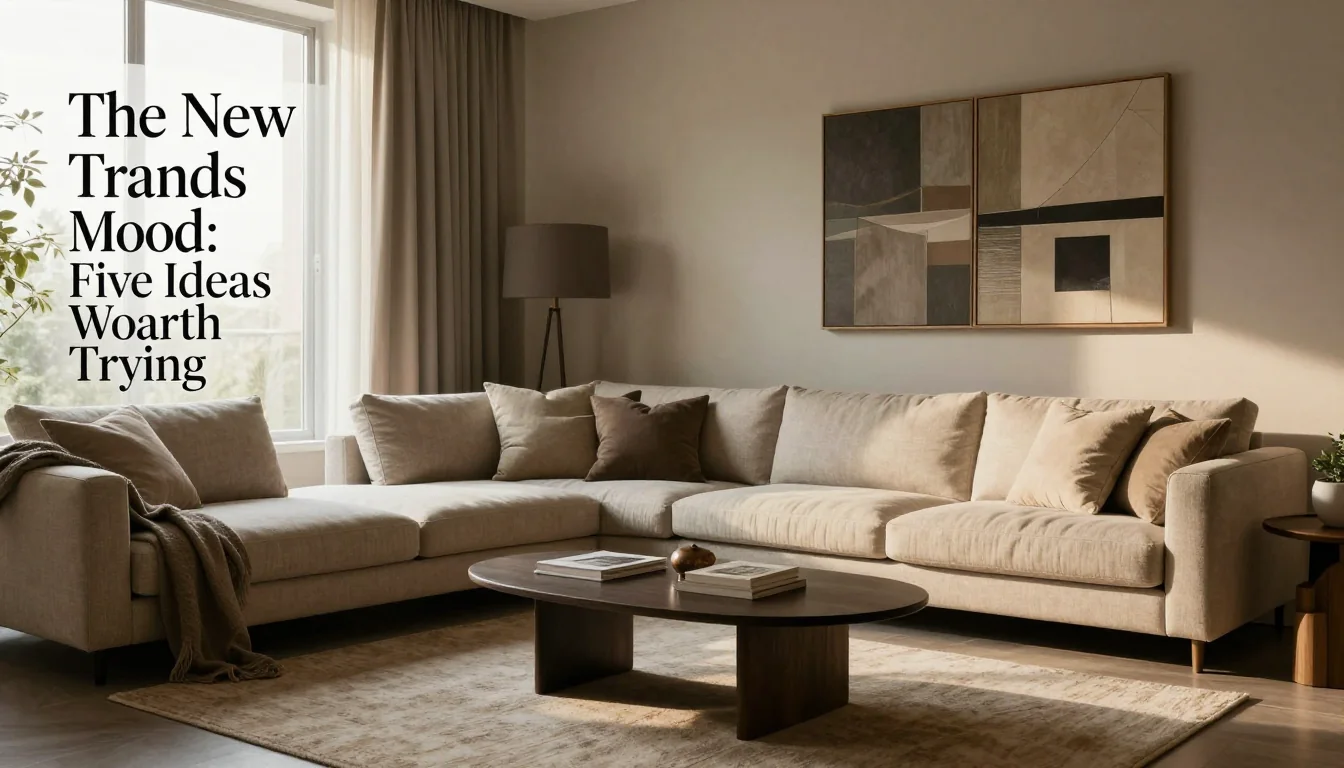
Instead of allowing color choices to be dictated by seasonal forecasts, adopt a philosophy rooted in depth. Ground your primary palette using sophisticated, low-saturation neutrals—think muted sages, deep taupes, warm charcoals, or dusty earth tones. These colors act as stable anchors, providing a rich backdrop that is inherently timeless. A 70/30 rule works well: 70% of the space should be defined by these grounding shades (walls, large upholstery), while the remaining 30% can introduce variation.
The strategic use of accent colors allows you to participate in stylistic shifts without sacrificing the integrity of your design. Rather than painting a room 'mustard yellow' for one season, invest in high-quality accessories—throw pillows, art pieces, or small ceramic bowls—in that hue. These elements are easily swapped out and reconfigured, allowing you to inject momentary energy while preserving the foundational calm of the space.
When selecting accent colors, look for shades derived from natural pigments found in minerals or earth (e.g., oxidized copper green, deep rust, slate blue). These tones possess a history that makes them inherently enduring. A critical mistake is choosing vibrant primary colors directly off-the-shelf; these often lack the subtle complexity required for long-term elegance. Always test color swatches on large surfaces in different lighting conditions before committing to paint or upholstery.