Open shelving presents an architectural opportunity—a chance to integrate function with visual calm. However, it is also a high-risk surface; the slightest lapse in curation can quickly transform functional storage into overwhelming clutter. The goal of effective shelf design is not merely to hold items, but to organize them so that they support daily life while simultaneously offering the eye a resting place. This guide provides actionable protocols for designing open shelving systems that feel intentional, spacious, and enduring.
Establishing Proportion: The Power of Negative Space
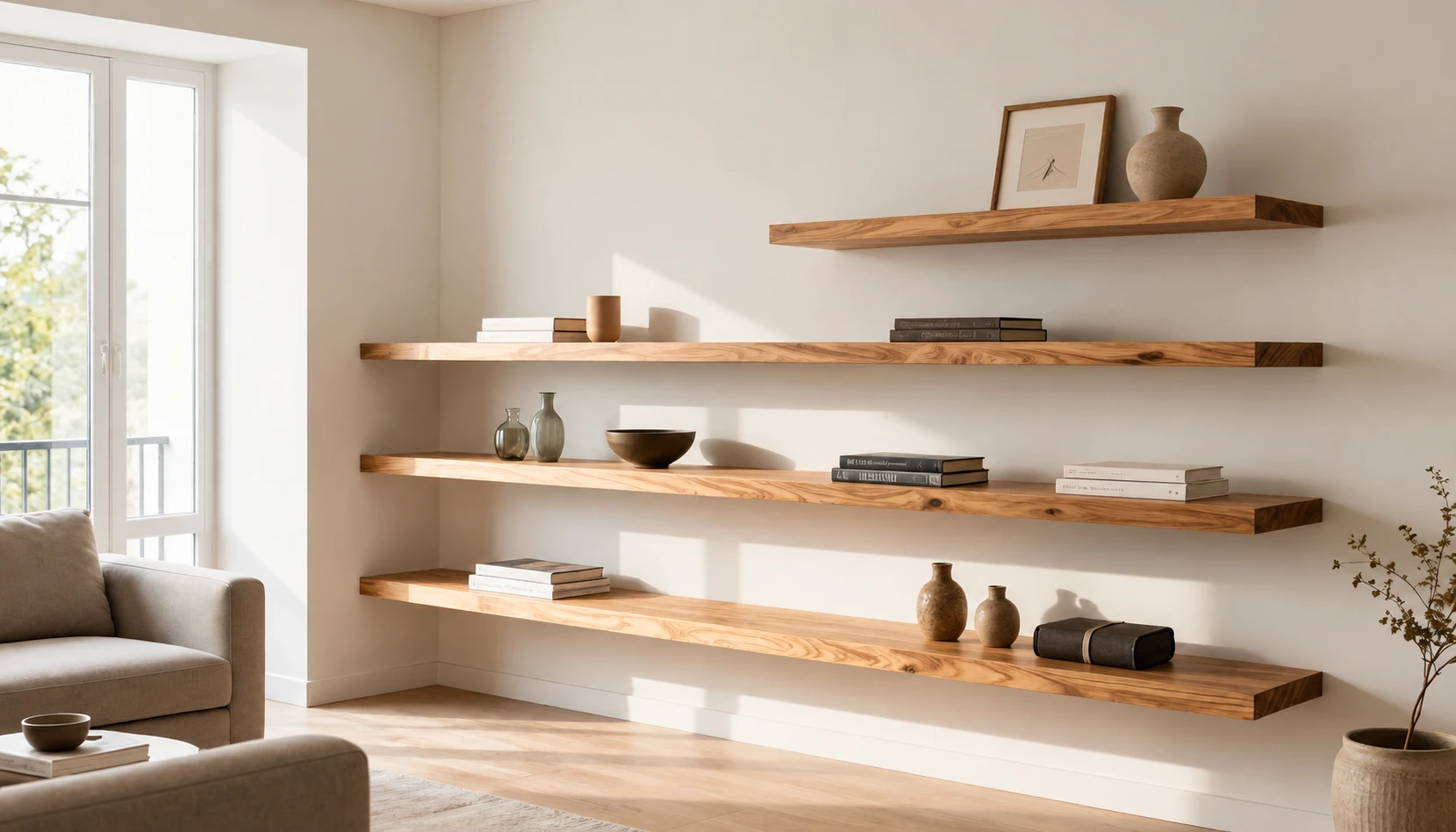
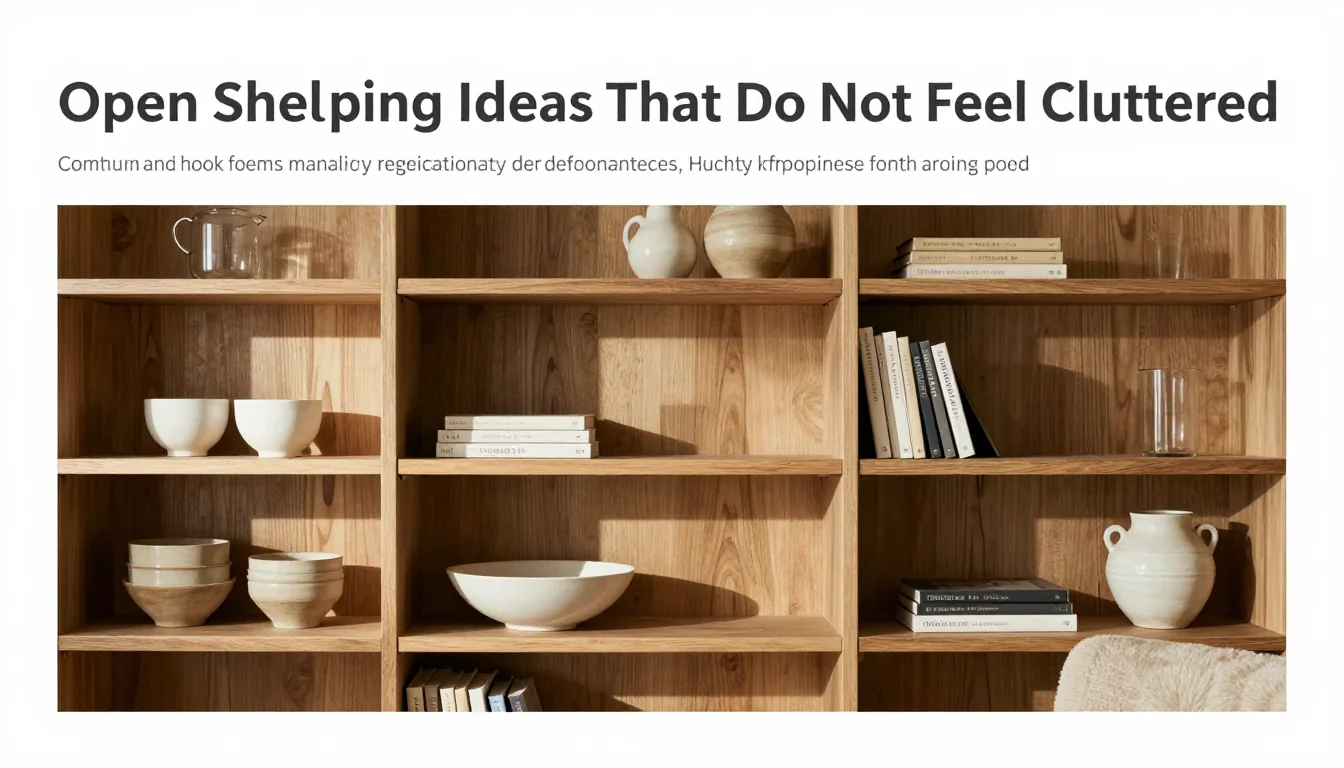
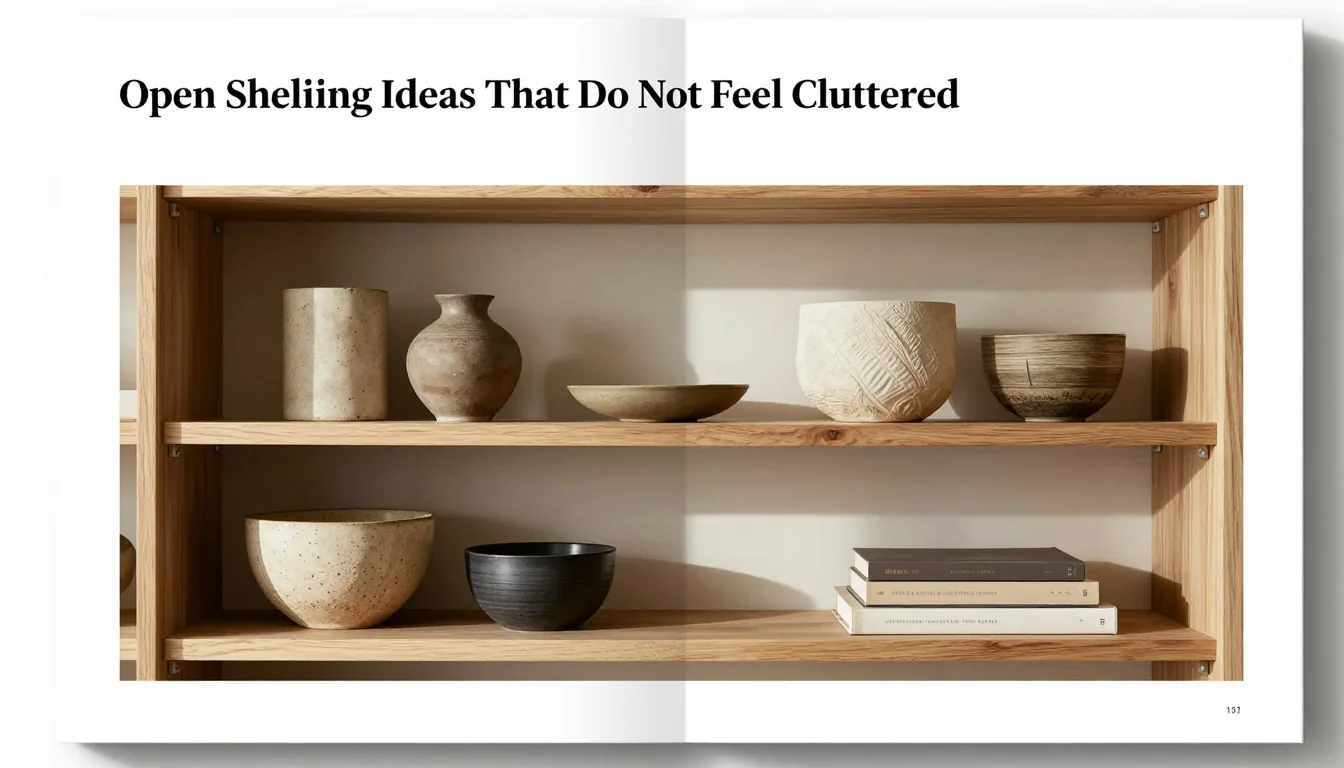
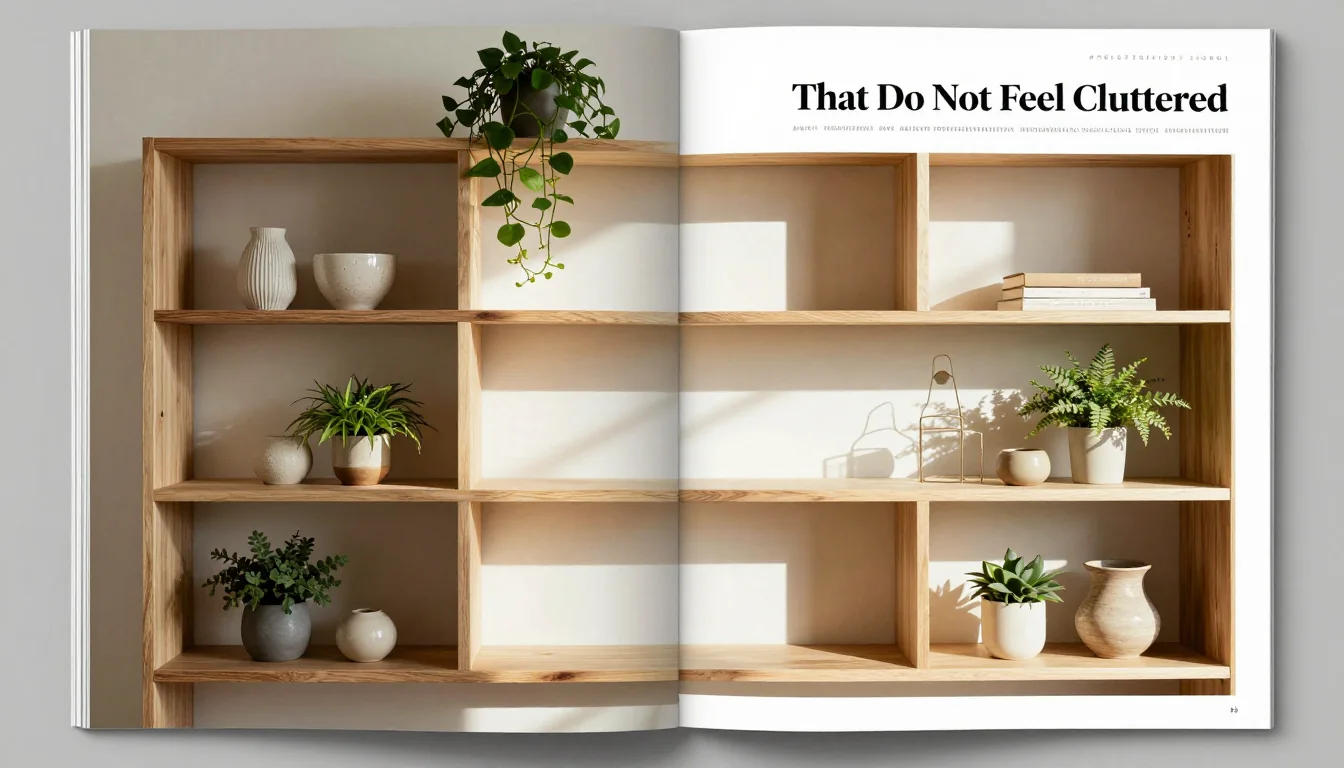
The most critical decision when styling any shelf is determining the amount of negative space. Clutter thrives in density; calm requires breathing room. A good rule of thumb is to ensure that no single grouping or object occupies more than 40% of the available horizontal surface area on a given shelf run. The remaining 60% must be empty, allowing the eye to move freely across the wall and giving individual pieces visual weight. If your shelves are deep—say, 12 inches or more—ensure that items do not feel crowded toward the back; arrange them in staggered rows rather than a flat line.
When grouping objects, avoid creating an arbitrary collection of mismatched items simply because they look 'nice.' Instead, cluster pieces by function or scale. For instance, if you are displaying cookbooks, group them by size and color palette (e.g., all white spines together). If the shelf is used for kitchenware, dedicate a specific zone to serving dishes and another to frequently used tools. Consistency in grouping transforms a jumble of objects into a curated display.
Consider vertical rhythm alongside horizontal space. Instead of filling every available inch from floor to ceiling, deliberately leave gaps between decorative elements or storage bins. If your shelving unit is 6 feet tall, placing large items only on the middle two shelves allows the upper and lower spaces to act as visual anchors, preventing the entire structure from feeling top-heavy or overwhelmingly dense. This measured restraint is key to achieving a sophisticated, uncrowded look.
Curating Objects: Texture, Scale, and Material Integrity
To add visual interest without adding noise, focus on texture rather than pattern or color variation. Introduce natural materials—matte stoneware, woven jute baskets, rough-cut wood blocks, and linen textiles—to ground the space. Instead of buying ten small ceramic items in different glazes, select three substantial pieces (e.g., a large matte white pitcher, a textured grey bowl, and a piece of raw timber) to anchor a shelf section. The repetition of material type creates visual rhythm, which is far more calming than a diverse collection.
Scale is as important as style. When mixing decorative items with functional ones (like books or storage boxes), ensure that the smallest item does not appear dwarfed by the largest. A common mistake is placing an oversized vase next to a tiny stack of coasters. To remedy this, use risers—small wooden blocks or stacked books—to vary the height of objects within a grouping. This variation adds dynamic interest and prevents the shelf from appearing flat, while maintaining visual harmony.
Storage containers must look deliberate. If you are concealing necessary items like charging cords, remotes, or craft supplies, invest in high-quality storage solutions that match your overall aesthetic. A woven basket with clean lines (e.g., a tightly braided natural fiber bin measuring 10x15 inches) is far more elegant than an opaque plastic container. Trade-off consideration: While fully concealing items offers maximum calm, occasionally displaying a single, beautiful functional item—like a uniquely designed kettle or ceramic utensil holder—adds character and reinforces the shelf’s practical purpose.
Maintenance Protocols: Ensuring Long-Term Visual Calm
The longevity of an open shelving system depends heavily on maintenance. Choose items that are easy to dust and reach, particularly those near the front edge of the shelf. Dust accumulation is the fastest way for a curated display to look neglected. For wood surfaces, avoid aerosol sprays. Instead, use a dry microfiber cloth weekly. If your shelves have a sealed oil or wax finish, test any cleaning solution—even diluted furniture polish—on a small, inconspicuous area first (e.g., under a book) before applying it across the entire surface.
Accessibility dictates arrangement. Items used daily should be placed at eye level or within easy arm's reach; items used seasonally or rarely can be relegated to higher or lower shelves. If you have deep shelving and cannot easily reach the back, utilize shallow storage bins for those rear contents. This prevents heavy lifting, reduces dust exposure on hard-to-reach objects, and ensures that your routine use does not become a source of friction.
Plan for change, but resist constant reorganization. A shelf should be designed to support daily life, which means it will inevitably look different after a week of use. Accept this cycle; the goal is sustainable calm, not photographic perfection. If you need to adjust the layout, take all items down and rearrange them fully rather than making small, temporary shifts. This practice prevents 'half-finished' styling and maintains the integrity of your chosen visual rhythm.
Practical Planning Notes
Measure the item group first, then allow a little breathing room rather than filling every shelf edge to edge.
Material Perspective
Closed cabinetry quiets visual noise; open shelving makes everyday items easier to reach but needs a tighter edit.
Before You Commit
Assign a home, access frequency, and reset routine to every storage zone before buying containers.
For related, room-specific ideas, continue with the guides in this category or return to the Furnlyra home page.