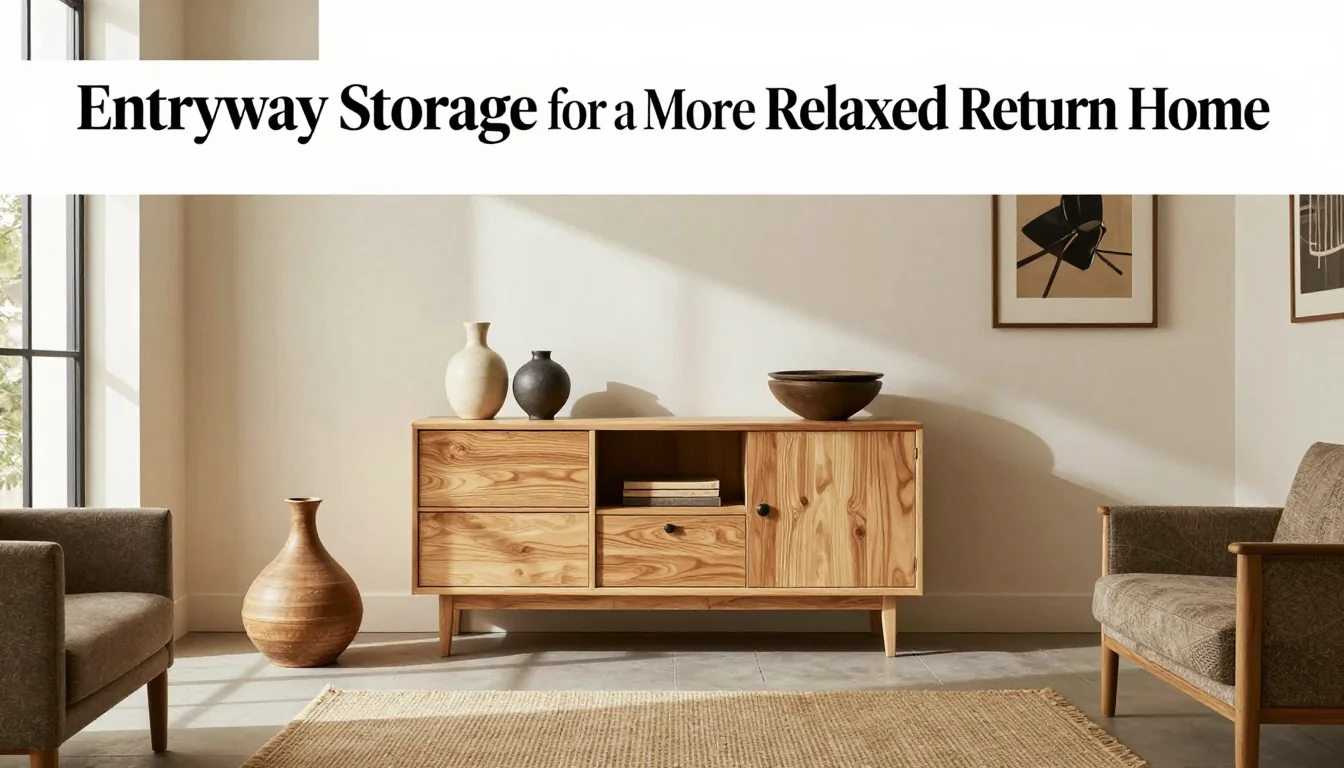
The threshold between the hurried bustle of the outside world and the peaceful sanctuary of home is perhaps the most critical point in any dwelling. Too often, this transitional space—the entryway or foyer—becomes an unintentional repository for discarded keys, overflowing shoe racks, tangled umbrellas, and abandoned coats. This accumulation doesn't just look messy; it imposes a subtle, persistent stress on the moment you step through your door, interrupting the intended sense of calm. A poorly organized arrival zone forces you to confront visual clutter before you can even begin to relax.
Furnlyra believes that design should facilitate living. The entryway is not merely a passage; it is the first impression of your personal style and the initial setting for your daily rhythm. By moving beyond simple racks and hooks, we can engineer an arrival zone that manages daily necessities with grace and efficiency. The goal is to create a functional system that operates silently in the background, allowing you to shed the day’s burdens—both physical and mental—the moment you walk in.
Mapping the Arrival Routine
Effective entryway design begins not with purchasing furniture, but with observing how your life unfolds. A successful entry zone must anticipate movement and establish clear, dedicated pathways for different items. Consider the arrival sequence: shoes come off first; coats are shed next; bags and keys require a quick drop-off point. By mapping this routine, you can ensure that every item has a designated home, preventing the scattershot placement that leads to clutter.
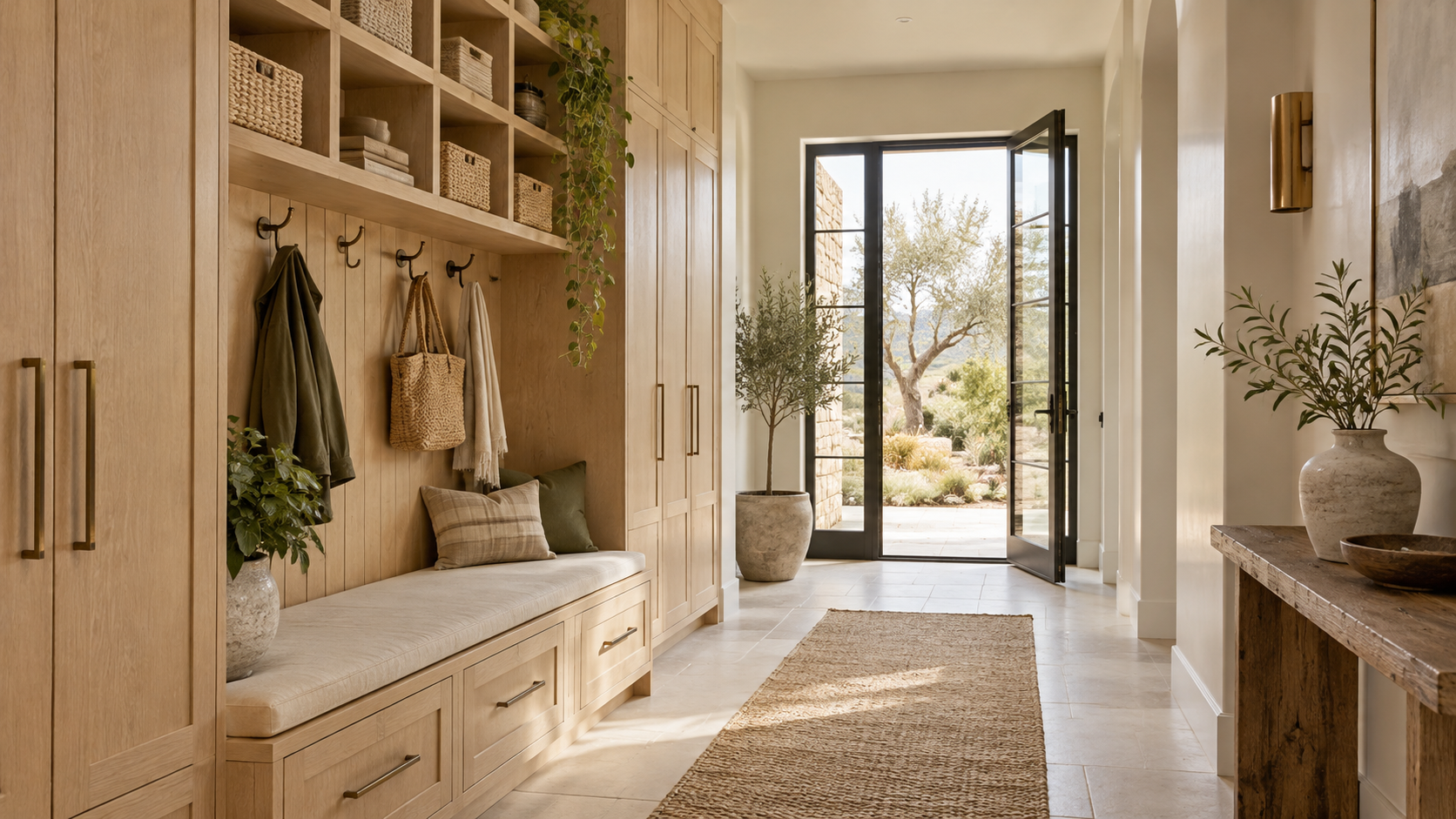
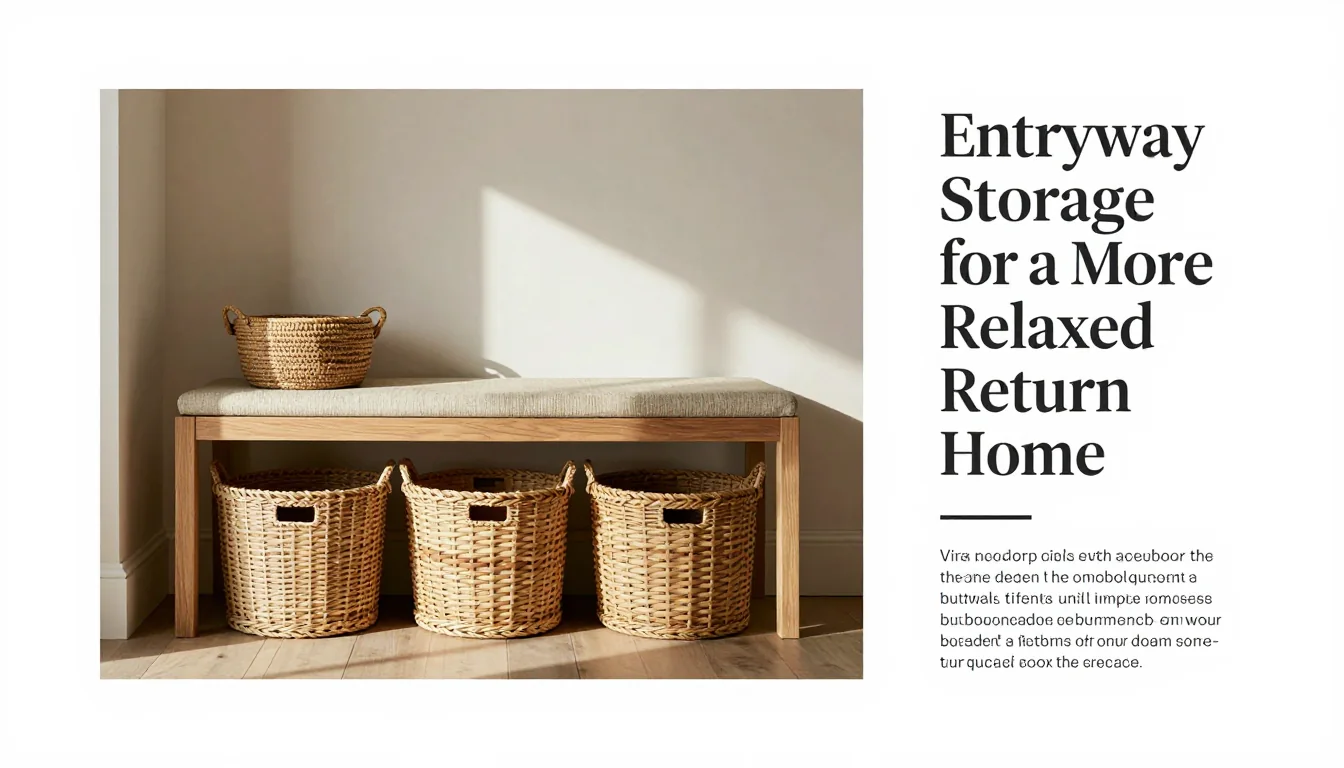
Designated zones should be subtly integrated into the architecture or furniture itself. For instance, placing a slim console table immediately inside the door provides an ideal catch-all for keys and mail, while incorporating low, built-in benches allows shoes to be neatly organized underneath without taking up excessive visual space. These dedicated landing spots reduce decision fatigue; you don't have to think about where things go—they simply belong there.
The Art of Mixed Storage Solutions
The most aesthetically pleasing and functional entryways employ a sophisticated mix of open and closed storage. Relying solely on exposed shelving can quickly devolve into an organized mess, while overly enclosed cabinets can feel restrictive or sterile. The beauty lies in the balance between visibility and concealment.
Closed cabinetry is your silent hero against chaos. Deep, well-designed cupboards offer perfect hiding places for seasonal items, bulky umbrellas, and even pet supplies. When these units feature elegant fronts—perhaps lacquered wood or custom millwork—they function as decorative architectural elements rather than mere storage boxes, maintaining the room’s sophistication.
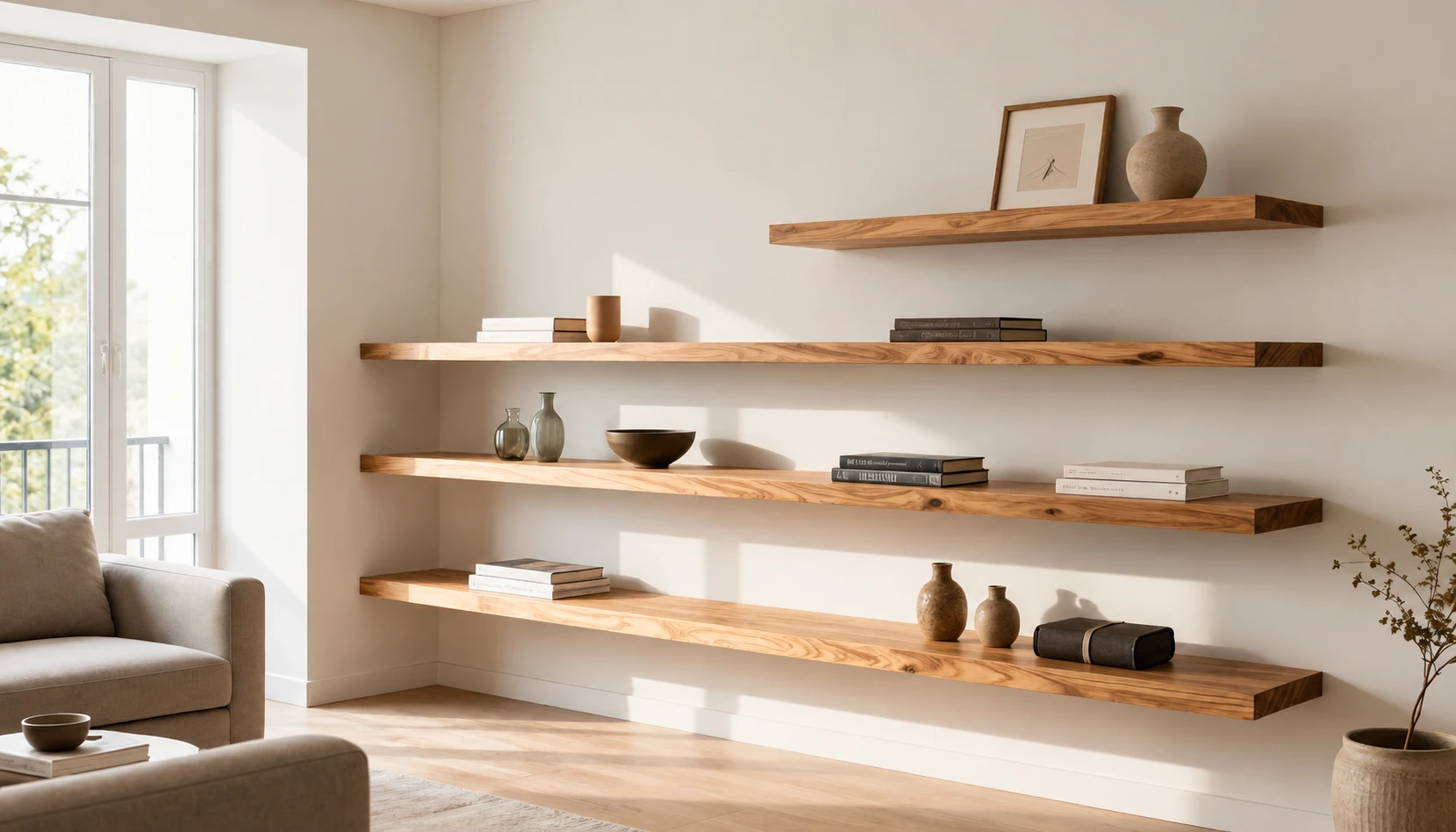
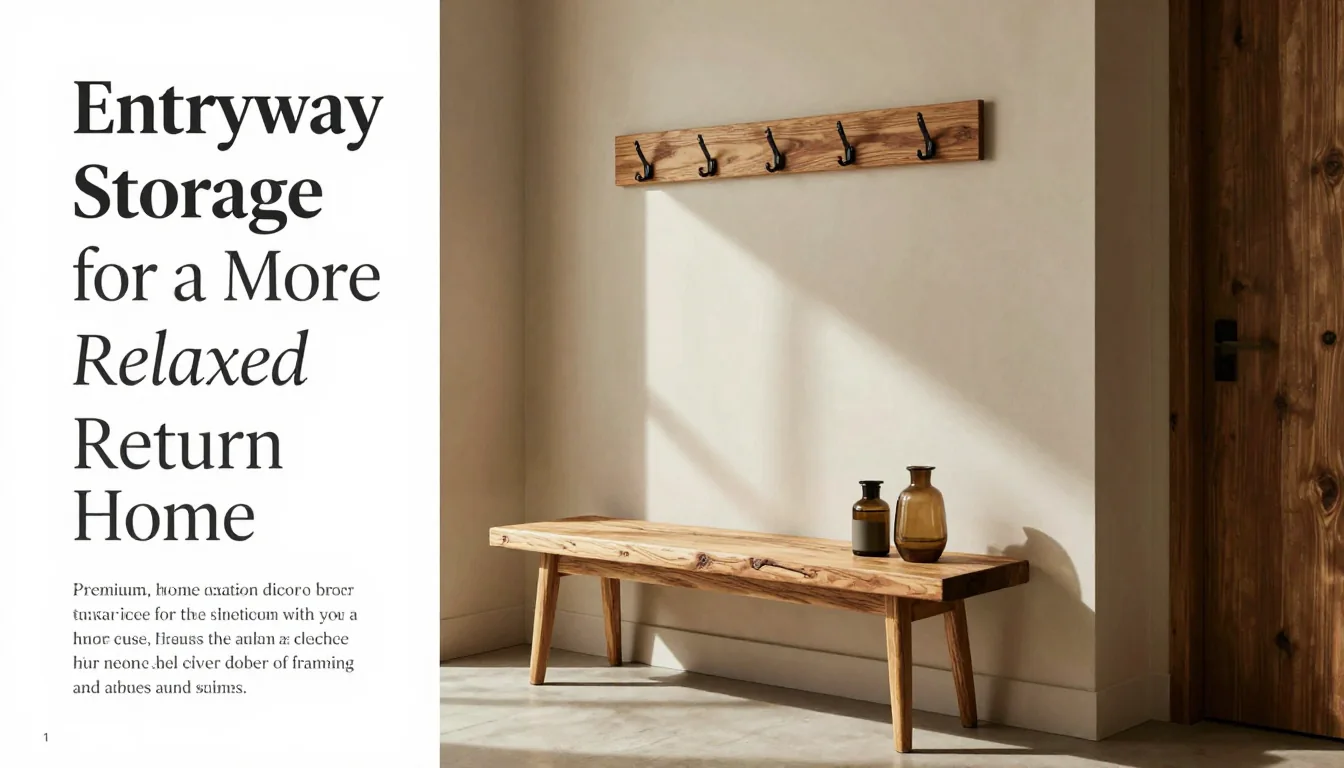
Open shelving, conversely, should be used intentionally to display curated essentials. Instead of piling shoes on a shelf, utilize stylish tiered racks or shallow baskets for visual order. Elegant hooks and wall-mounted coat systems, when selected in high-quality materials, serve as functional art pieces, allowing you to keep frequently used items accessible without sacrificing style.
Curating Clarity: The Power of Empty Spaces
While storage is vital, the power of a well-designed entryway also rests on what you choose *not* to store. The deliberate inclusion of empty space—the negative space—is perhaps the most impactful design choice for achieving true tranquility.
Designate one primary landing surface, such as a console table or a hall bench, and commit to keeping it clear save for a few highly curated items: a decorative bowl for keys, a beautiful piece of pottery, or a small stack of art books. This singular point of focus prevents the entryway from becoming an overburdened dumping ground.
This commitment to visual minimalism is not about deprivation; it's about intention. By limiting surface clutter, you elevate the design elements that remain—the quality of your flooring, the texture of your wall decor, and the sleekness of your storage pieces. A clear entryway sends a powerful psychological message: this is a place of calm, a transition point designed for peace.