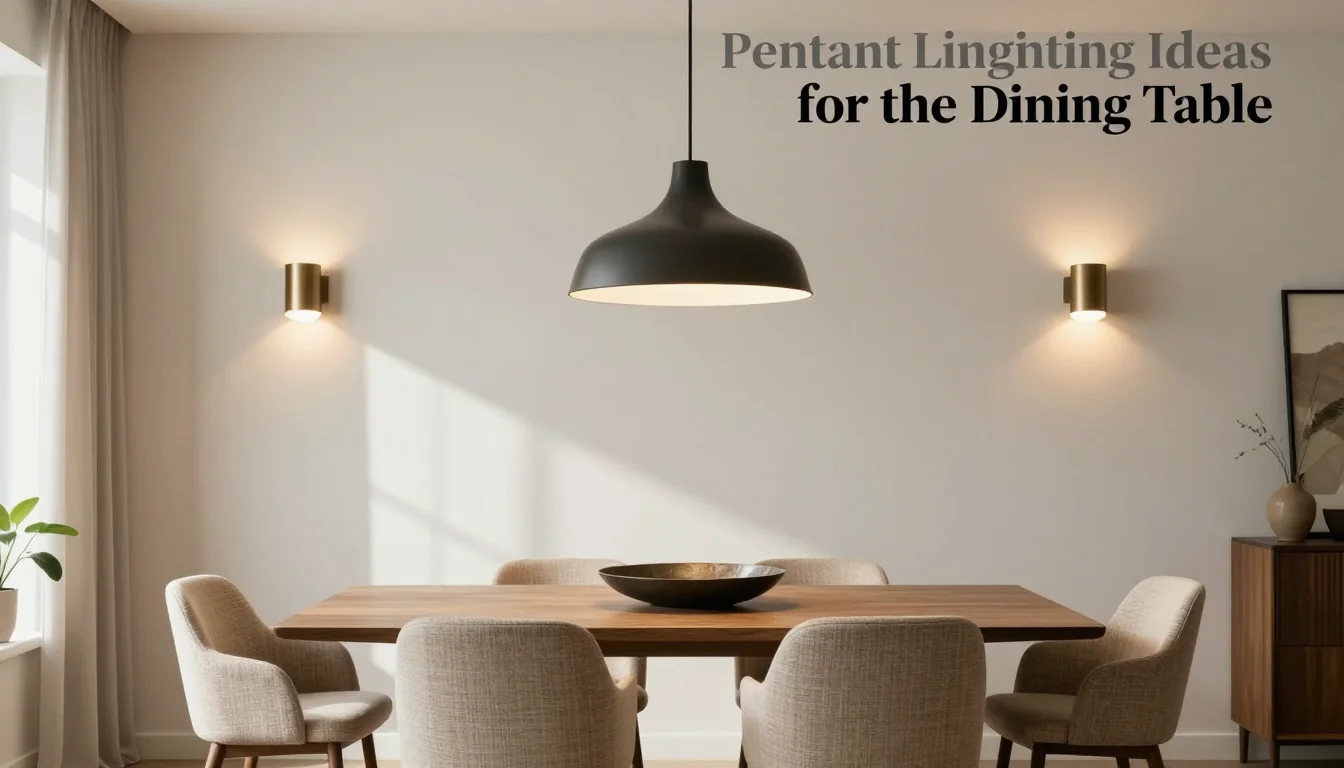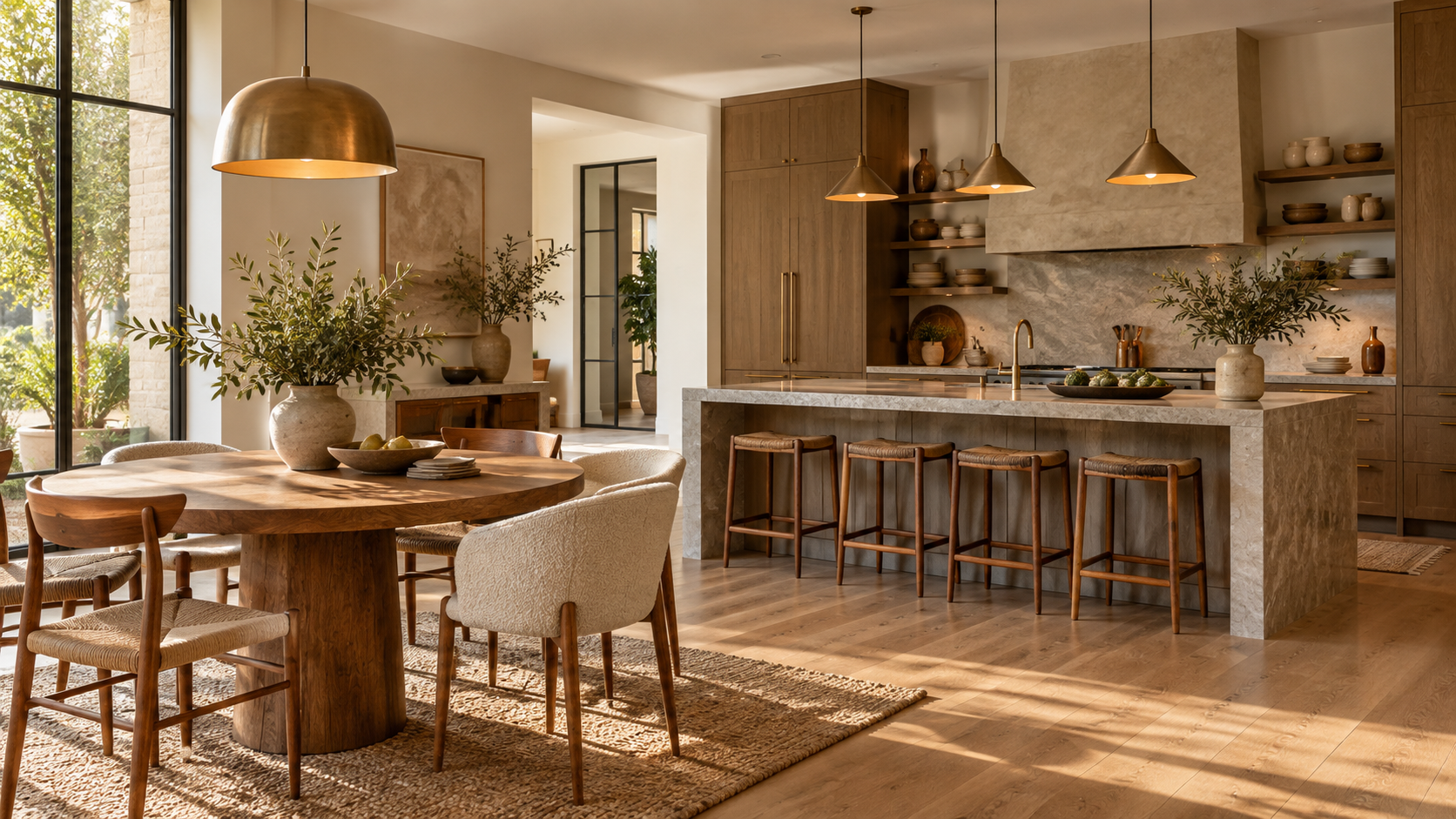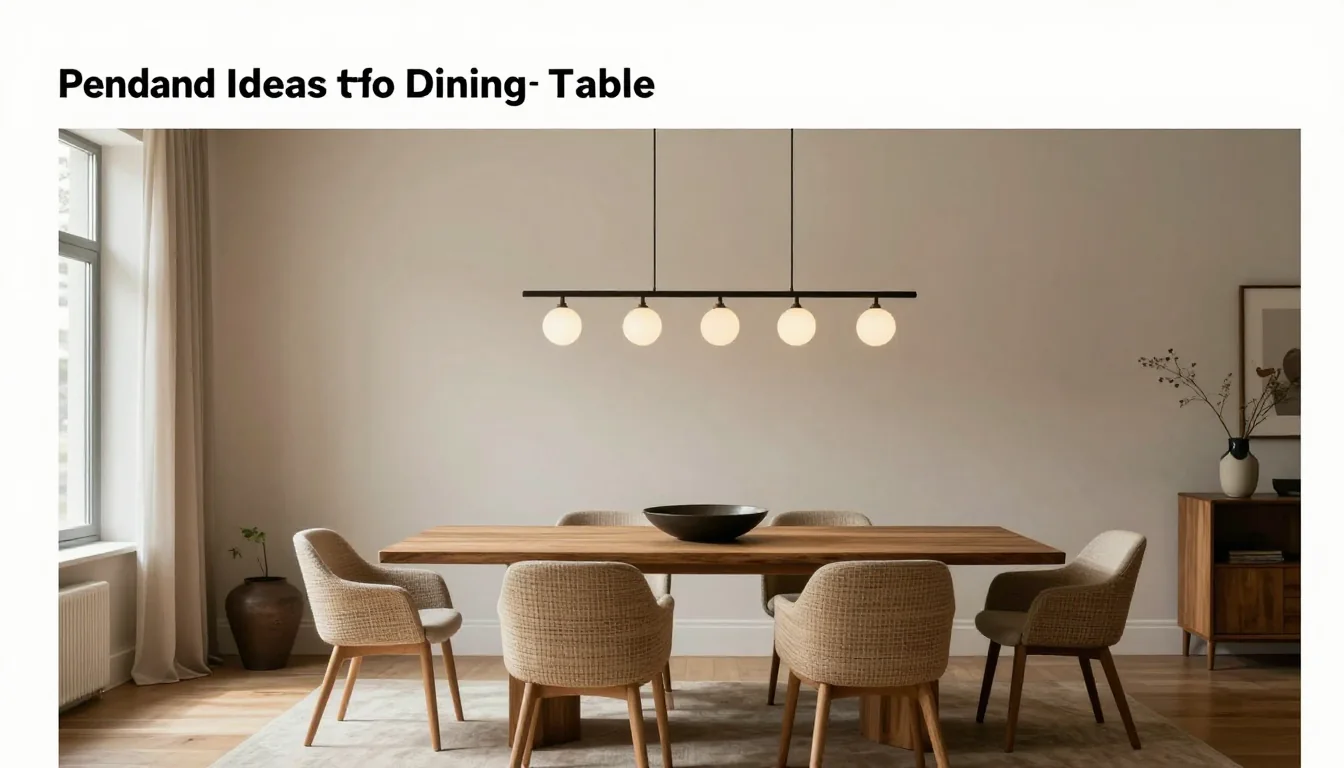
The dining table is far more than just a surface where meals are consumed; it is the emotional heart of the home. It is the site of celebration, quiet conversation, and daily connection. Yet, its beauty and function rely heavily on one crucial element: light. A well-chosen pendant fixture transforms a simple gathering space into a dramatic, cohesive scene. However, selecting dining pendants that are both visually arresting and functionally brilliant requires more than just picking something beautiful. It demands thoughtful consideration of scale, material, ambiance, and the specific rhythm of your life around that table.
Choosing overhead lighting is an act of architectural design, not merely decoration. The right fixture doesn't just illuminate; it anchors the room, defines the space, and sets the emotional tone for every gathering. A poorly chosen pendant can overwhelm a delicate setting or fail to provide the necessary intimacy for meaningful conversation. We delve into three critical considerations—scale, function, and layering—to guide you toward pendants that are as masterful in their design as they are in their utility.
Matching Fixtures to the Table's Scale
The first rule of successful pendant placement is proportionality. The fixture must relate harmoniously to the size of the table and the overall dimensions of the dining area. A grand, oversized chandelier might look stunning over a small bistro set, but it will feel heavy, disproportionate, and visually oppressive. Conversely, placing a minuscule pendant over an expansive, long dining table can result in a lost focal point.
The ideal height is also critical to establishing this scale. The bottom of the pendant should generally hang low enough—typically 30 to 36 inches above the tabletop—to create intimacy and define the space, but high enough that it does not obstruct sightlines or interfere with diners’ heads during conversation. This strategic hanging distance allows the light to pool directly onto the food and the company without feeling claustrophobic.
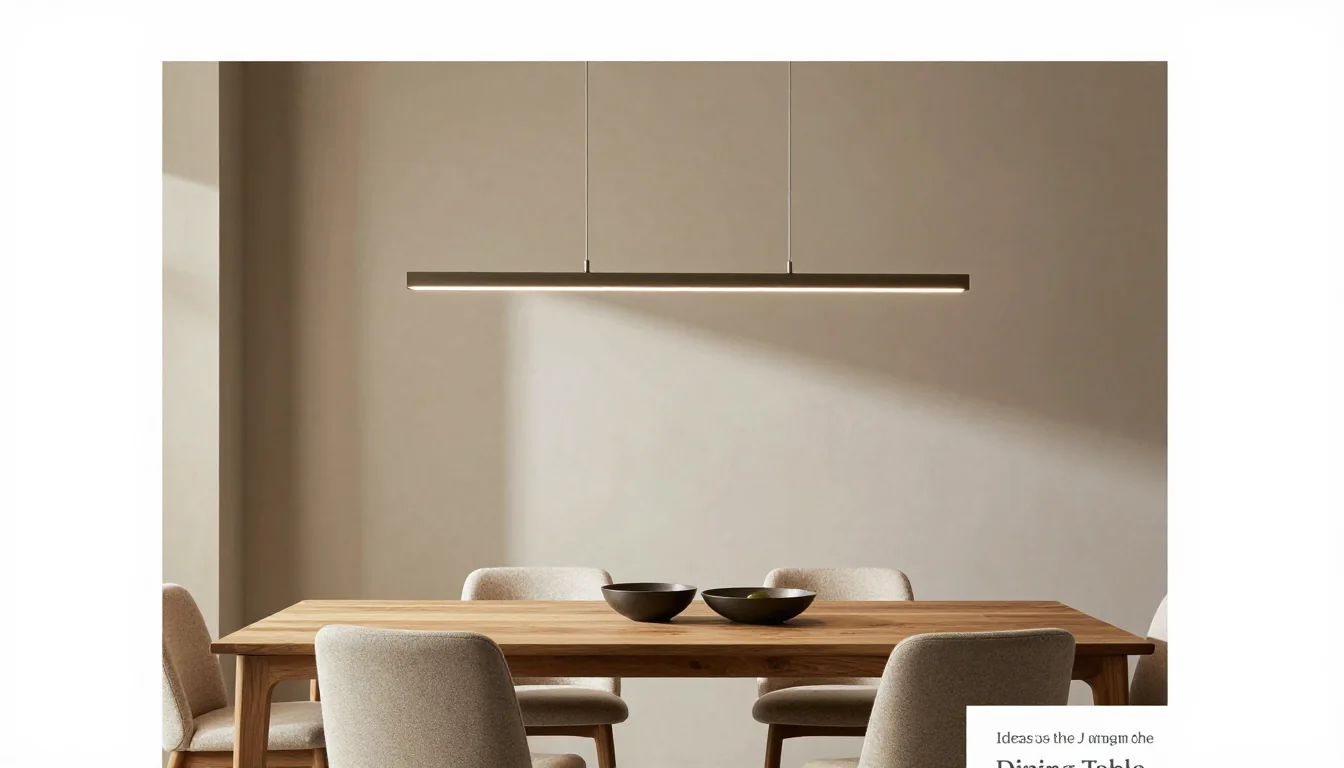
If your table is exceptionally long, consider a linear pendant arrangement composed of multiple smaller lights rather than a single monolithic fixture. This approach maintains visual interest across the length of the surface while ensuring that the illumination remains consistent from end to end. The repeated element provides rhythm and balance, making the entire setup feel intentional and curated.
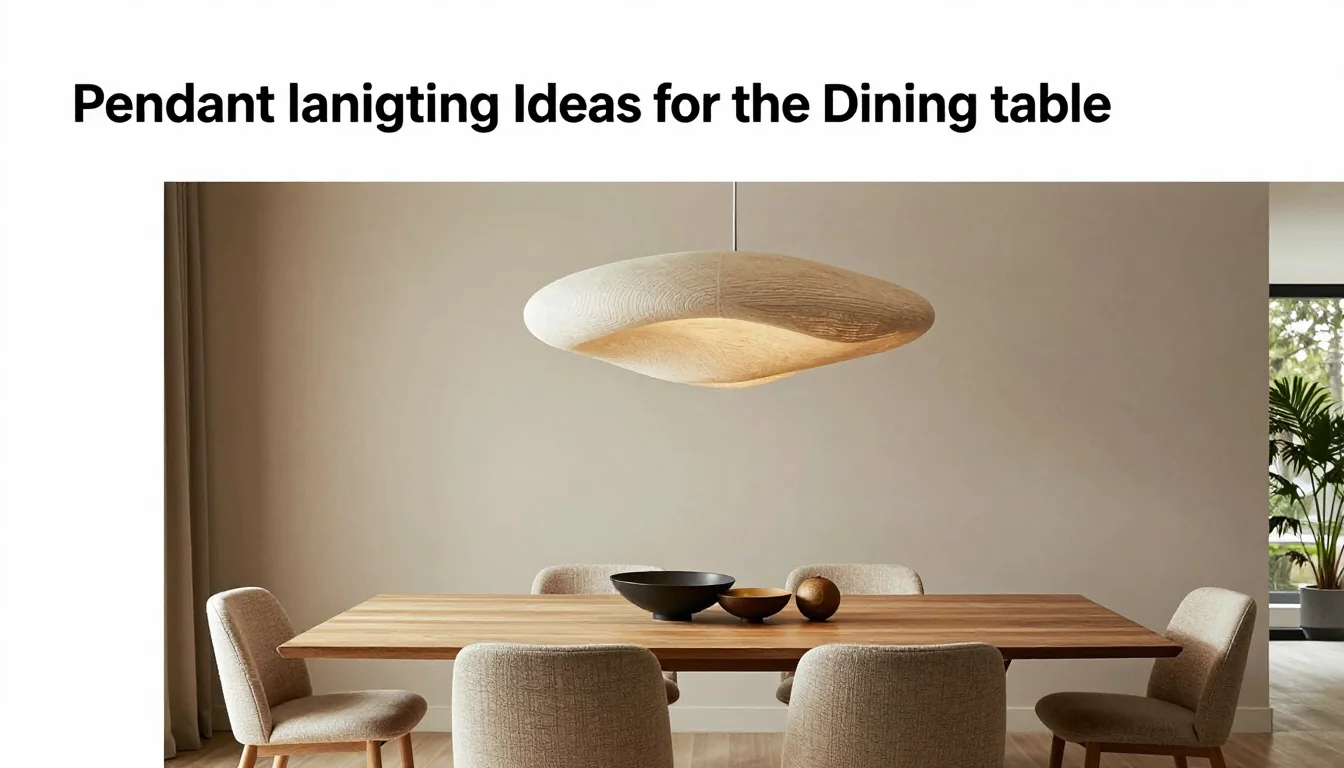
Hanging for People, Not Just Pictures
The second consideration moves beyond aesthetics into functionality: how does this light serve the people gathered beneath it? Lighting needs must be layered, warm, and directed to enhance the human experience of dining. The goal is not merely to brighten a surface, but to create an enveloping glow that makes everyone feel comfortable and centered.
When selecting bulbs, prioritize color temperature (measured in Kelvin). For a cozy, inviting atmosphere suitable for evening dinners, choose bulbs in the 2700K range; this provides a warm, soft yellow hue that mimics candlelight and is incredibly flattering to skin tones. While brighter task lighting might be desirable during preparation or reading, the primary dining light should prioritize warmth over sheer brightness.
A fixture with an adjustable dimmer switch is non-negotiable for sophisticated dining design. The ability to seamlessly transition between bright, functional illumination for a large group dinner and a soft, intimate glow for a quiet evening conversation offers unparalleled control over the room's mood. This adaptability ensures that your pendant serves every occasion.
Adding a Second Layer of Glow
Finally, true mastery in interior lighting comes from layering. Relying solely on the dramatic light provided by the central dining pendant can create harsh shadows and flat illumination. A successful design incorporates ambient, task, and accent layers to build depth and warmth into the room.
Pair your striking overhead fixture with complementary side lighting. Incorporating elegant table lamps on a nearby sideboard or floor lamps in an adjacent seating area provides necessary fill light. This secondary glow softens the edges of the room, eliminates deep shadows cast by the primary pendant, and introduces textural variation to the overall space.
Think about how different materials will interact with light—a polished brass fixture will reflect brilliance, while a matte ceramic or woven shade will diffuse it softly. By combining these elements—the dramatic anchor above, the functional warmth of the bulbs, and the diffused glow from surrounding fixtures—you create an environment that feels rich, layered, and deeply personal. Your dining space becomes not just a room, but a meticulously crafted sanctuary for connection.