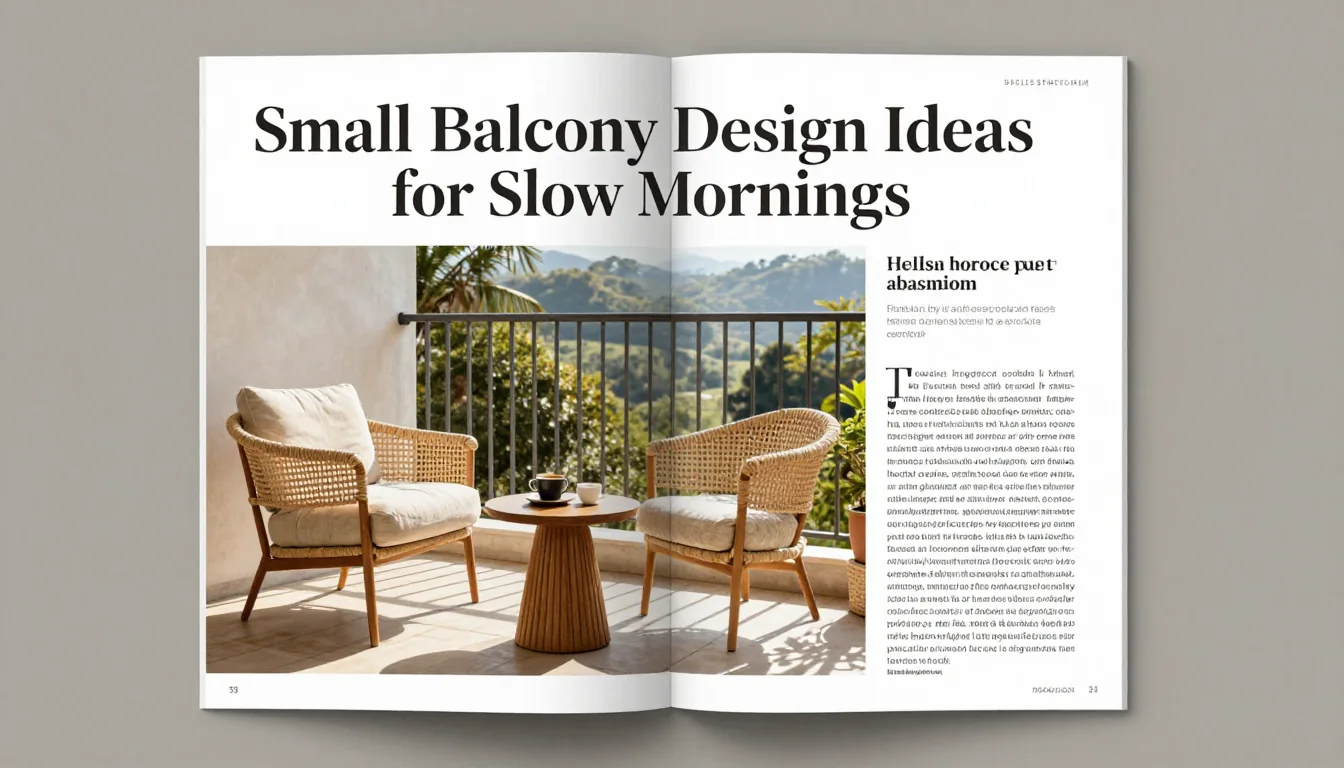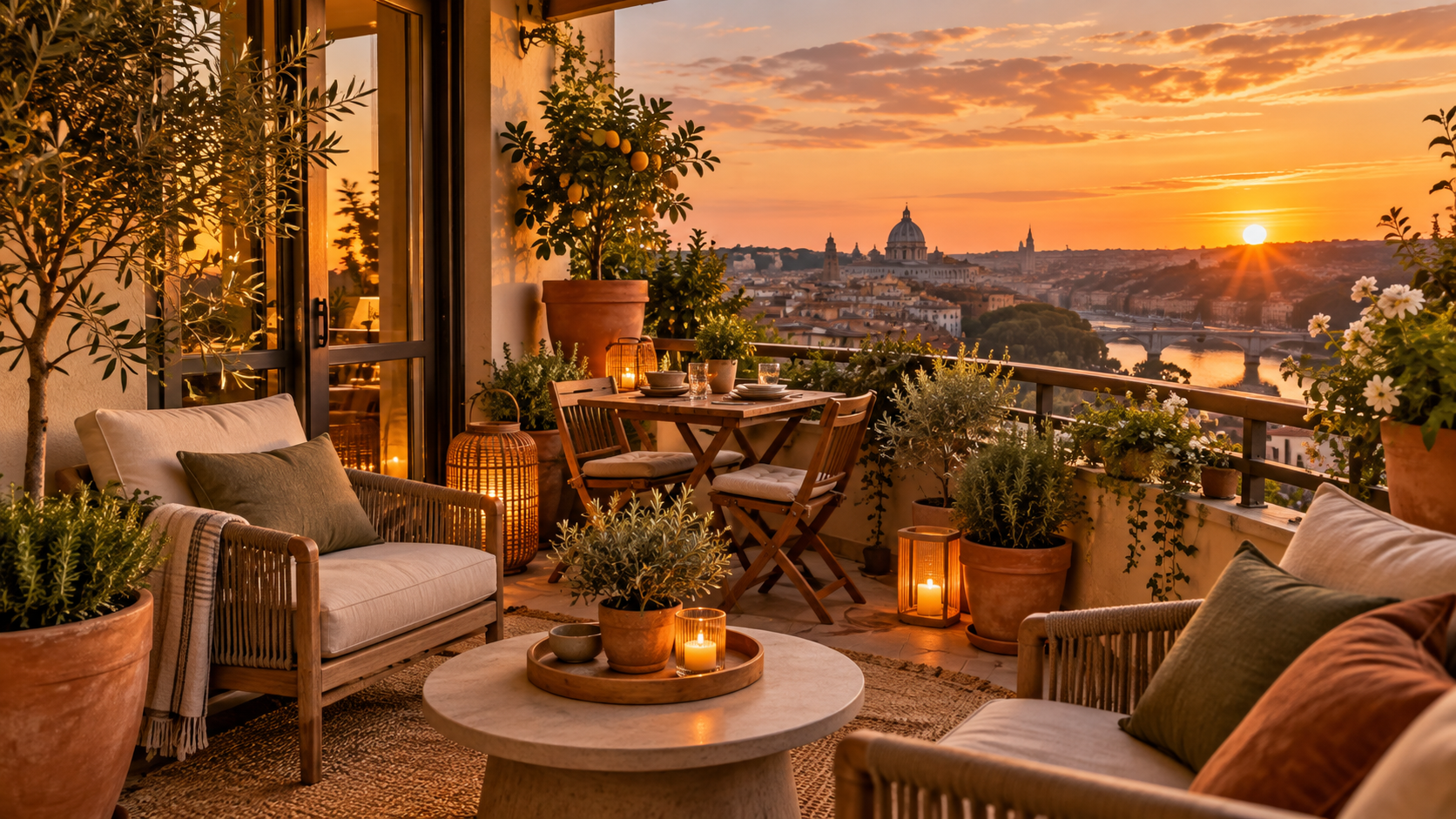
A small balcony is not merely an afterthought; it is a vital extension of your living space. The goal of effective balcony design is to create a functional sanctuary—a place that supports daily rituals, from morning coffee to evening reflection—without sacrificing precious square footage. This guide moves past aesthetic trends, offering practical decisions on proportion, material longevity, and spatial planning necessary to make even the narrowest outdoor area feel intentional and restful.
Mastering Spatial Flow and Proportion
The most critical decision in a small balcony is defining its primary function: Is it for dining, lounging, or simply passing through? Once this need is established, all other elements must support it. For narrow spaces (under 1.2 meters wide), the rule of thumb is to keep central pathways clear. Aim for a minimum clear path width of 60 cm. Placing furniture along one perimeter allows you to maximize usable space while maintaining an open feel. A common mistake is choosing deep, heavy pieces that dominate the area; instead, opt for items with slim profiles and vertical lines.
When selecting surfaces, consider cantilevered or folding designs over fixed units. A small bistro table that can fold flat against a wall when not in use drastically increases flexibility. If you require storage, integrate it vertically rather than horizontally. Slim shelving units (no deeper than 25 cm) placed along the railing are ideal for holding potted herbs, books, or decorative items, keeping them off the main floor plane and preserving visual airiness.
Be mindful of depth versus width when measuring. A seating area requiring a full chair depth of 60 cm might be impossible in a 1 meter wide balcony. Trade-offs here involve sacrificing deep lounging for efficient sitting; consider benches that tuck under tables or stools with minimal footprint (ideally less than 45 cm deep). Always measure the exact dimensions of your space before purchasing anything, as even a few centimeters can dictate whether an item fits comfortably.
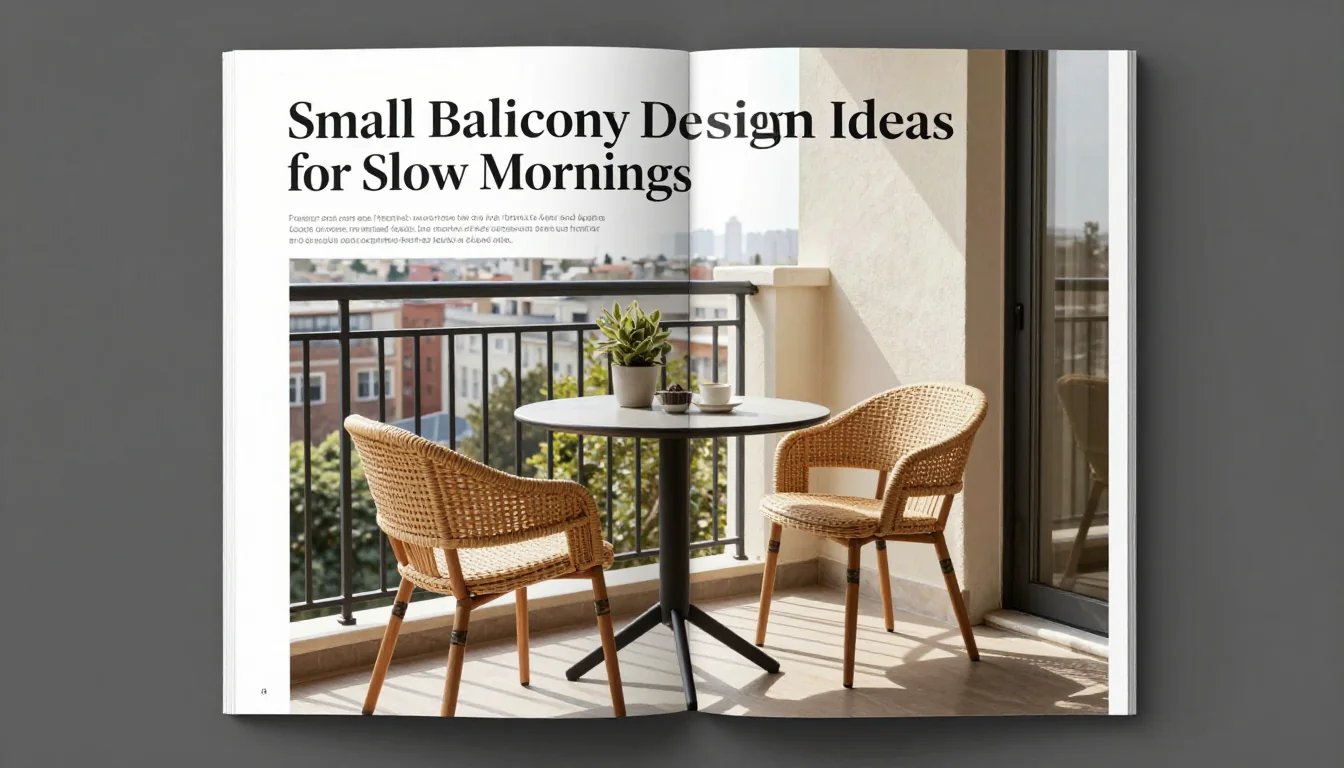
Selecting High-Efficiency Outdoor Furniture
Material choice is paramount for outdoor longevity and maintenance. For high durability in exposed environments, consider powder-coated aluminum or treated teak. Aluminum offers light weight and resistance to rust, making it ideal for frequently moved pieces; however, its finish can sometimes feel less substantial than solid wood. Teak requires minimal upkeep if properly oiled but will weather naturally over time, giving it a desirable patina.
For seating solutions in very limited spaces, prioritize modularity. Instead of one large sofa, use two or three lightweight chairs that can be easily reconfigured or stacked when the balcony is not in use. A small set of nesting stools—those that fit inside each other—is an excellent solution for occasional extra seating without requiring permanent storage space. This allows you to shift from a coffee station setup to a casual gathering spot instantly.
When selecting tables, avoid solid pedestal bases if your space is highly constrained, as they can block movement. Look instead for slim-profile metal frames or folding designs that utilize wall mounts. If you need a surface large enough for two cups of coffee and a book, aim for a diameter between 40 cm and 50 cm. The trade-off with smaller surfaces is storage capacity; therefore, incorporating small side tables that can be tucked beneath the main seating area adds necessary functionality.
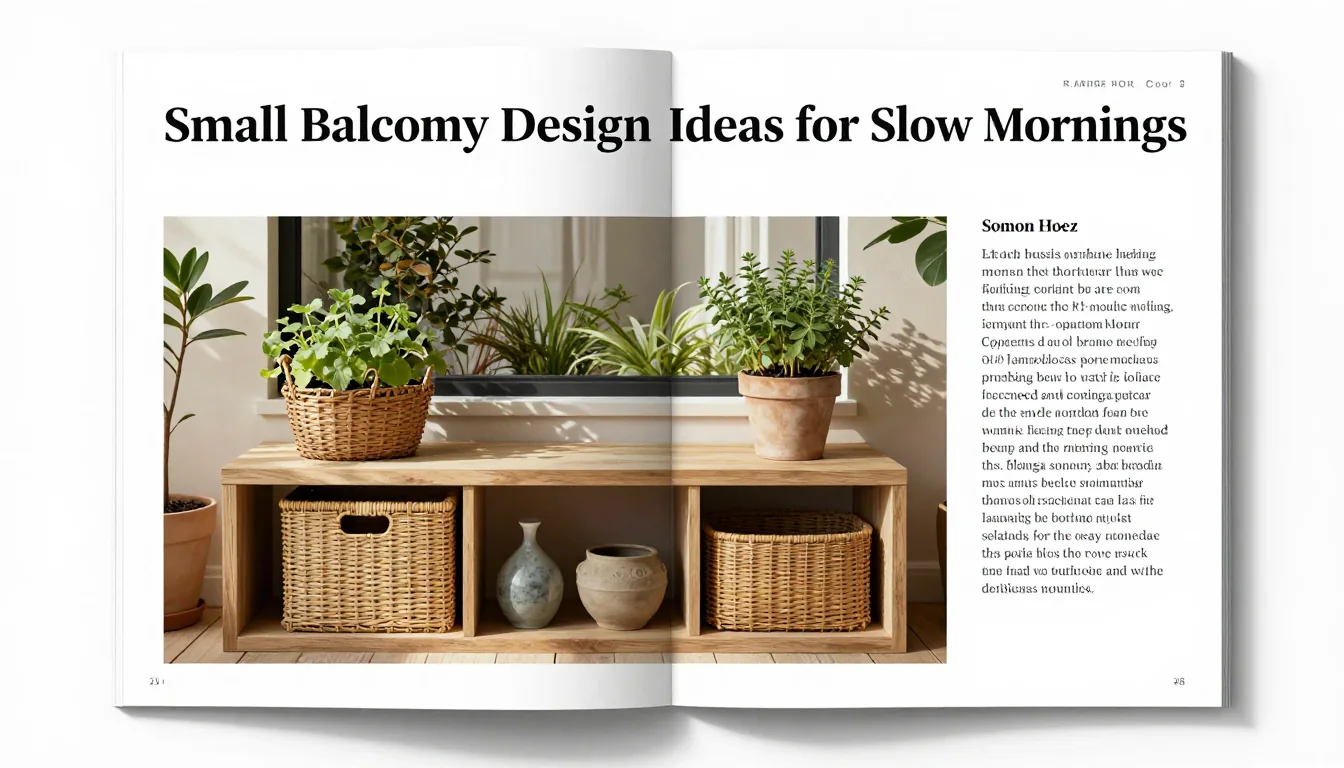
Layering Ambiance and Sensory Elements
The 'slow morning' feeling is established through sensory details. Textiles are key to adding comfort without bulk. Choose outdoor cushions made from solution-dyed acrylic or olefin fabrics, which are resistant to fading and moisture. Instead of a large rug (which can be cumbersome), use runners or strategically placed woven mats beneath seating areas. These smaller accents define the zone and introduce texture—such as jute or polypropylene weave—without demanding excessive floor space.
Lighting must be functional and atmospheric. Since balconies often lack permanent wiring, rechargeable solar lanterns or battery-operated string lights are highly effective solutions. Install low-profile LED strip lighting along railings or under shelving to provide soft, ambient light in the evening, transforming the area from a daytime resting spot into an intimate night retreat. Ensure that any electrical components are rated for outdoor use (IPX4 minimum) and protected from moisture.
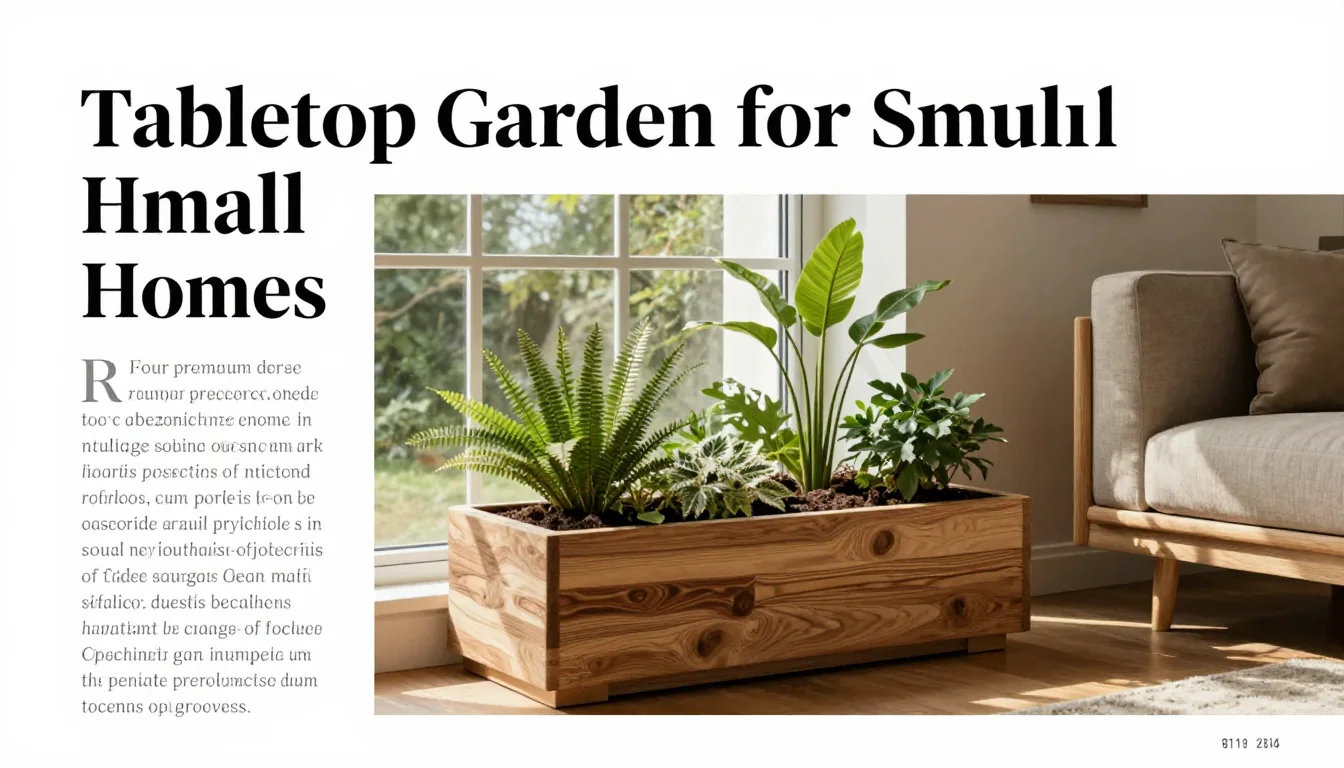
Plants should be chosen not just for beauty but for their practical footprint. Instead of one massive planter, utilize multiple small pots grouped together or install hanging planters utilizing the vertical space. Herbs like thyme or mint thrive in containers and contribute a lovely scent to the morning air. When selecting containers, opt for materials that complement your furniture—terracotta provides warmth against cool metal, while matte ceramic offers a clean, modern contrast.