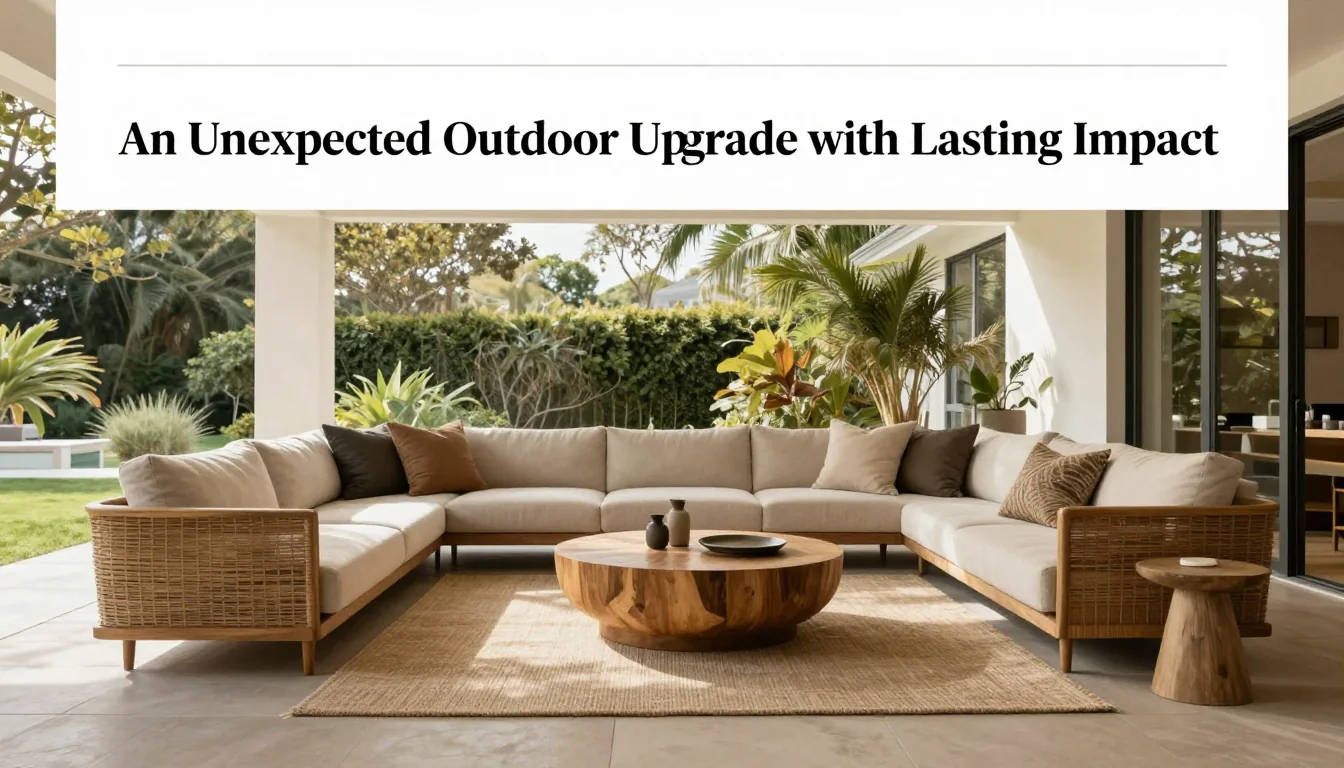
A successful exterior space is never about accumulating more items; it is about curating the right elements that support genuine daily life. The goal of thoughtful outdoor design is not achieving a perfect photo moment, but creating an environment that feels inviting and functional regardless of weather or use. This guide moves beyond fleeting aesthetics to provide actionable strategies for building a durable, comfortable space that seamlessly integrates with your home’s routines.
Prioritizing Proportion Over Presentation
The most critical first step in outdoor design is defining the primary function of the area. Before selecting a single piece, determine if this space is primarily for dining, quiet reading, or social gathering. Once the need is established, approach the layout with restraint. In any usable zone—whether it's an alfresco dining set or a lounge area—ensure there is generous circulation space. A minimum clearance of 90 to 120 centimeters (36 to 48 inches) around furniture pieces allows for comfortable movement and access, preventing the feeling of being cramped when chairs are pulled out or service trays are moved.
Avoid the common mistake of 'furniture stuffing,' where designers attempt to maximize every square inch. This often results in a cluttered scene that appears rich but feels restrictive. Instead, embrace negative space. Allowing open areas provides visual relief and gives the eye a place to rest, allowing the chosen materials—like matte stone or weathered timber—to take on their intended character without competing with excessive objects. A simple, well-spaced arrangement allows the utility of each piece to shine.
When selecting anchor pieces, consider scale relative to the surrounding architectural features and human height. For instance, if your patio is bordered by a high wall, lower seating (like deep lounge chairs) can create intimacy, whereas an open lawn calls for taller, more visible furniture. Trade-off consideration: while large, heavy pieces offer visual stability, they also impede movement; balance mass with leggy designs to maintain a sense of openness.
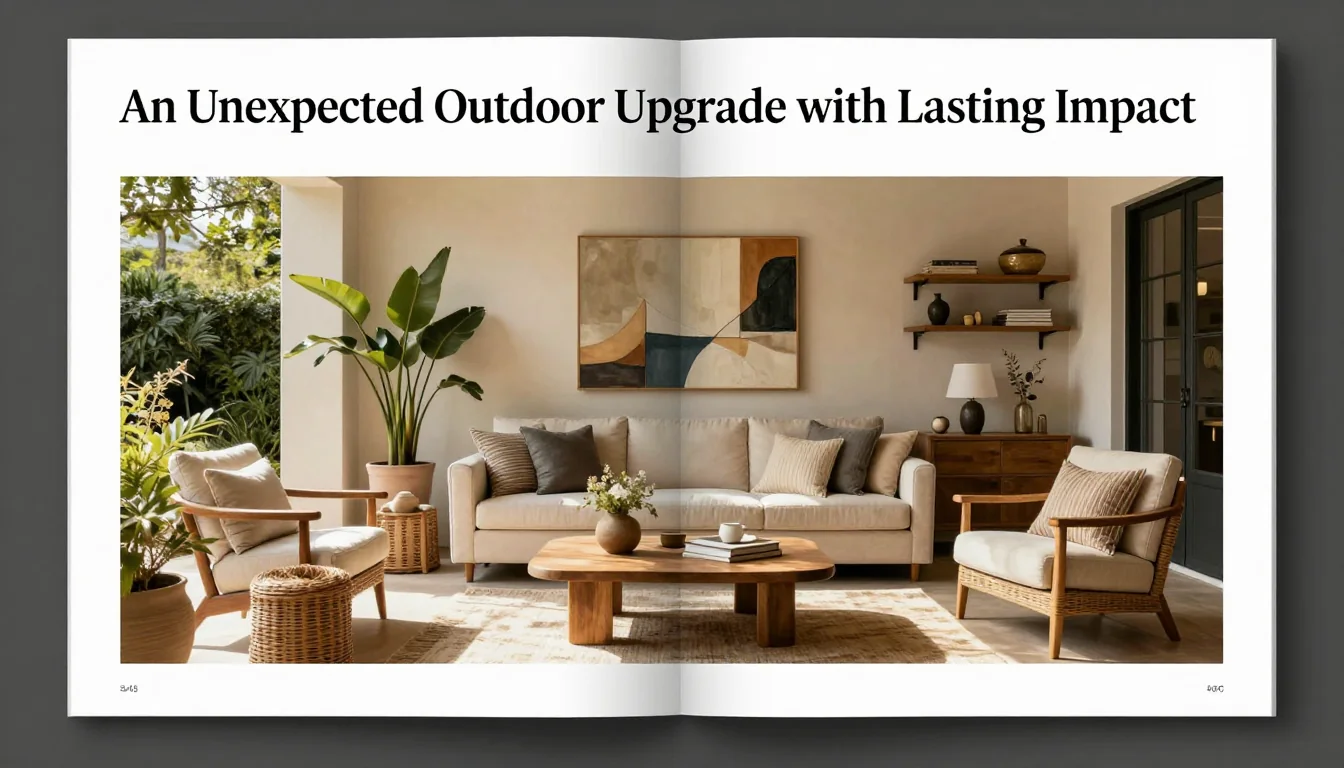
Selecting Resilient Materials and Finishes
The longevity of an outdoor space hinges entirely on material choice. For timber, consider dense hardwoods such as Ipe or Teak, which naturally resist rot and pests. If working with a more affordable softwood alternative, select one treated specifically for exterior use and commit to regular maintenance. When applying oil finishes (e.g., teak oil), always patch-test in an inconspicuous area first—this is crucial, even on high-quality wood—to ensure the finish does not react poorly to your specific climate or timber grain.
Woven elements should be constructed from high-density polyethylene (HDPE) resin wicker rather than natural fibers if exposed to harsh weather. Resin provides consistent structural integrity and requires minimal upkeep. When pairing textures, introduce materials in a limited palette of two to three tones; for example, matte grey ceramic paired with brushed black metal and warm oak. This repetition creates visual cohesion while allowing the different textures—smooth stone, rough weave, polished metal—to provide depth.
For hardscaping and surfaces, consider local slate or poured concrete with an exposed aggregate finish. These materials are highly durable against temperature shifts and moisture penetration. A common mistake is choosing porous stone that absorbs water; this can lead to staining and freeze-thaw damage in colder regions. If using a lighter color palette, ensure the material has good slip resistance when wet, especially for high-traffic zones like dining areas.
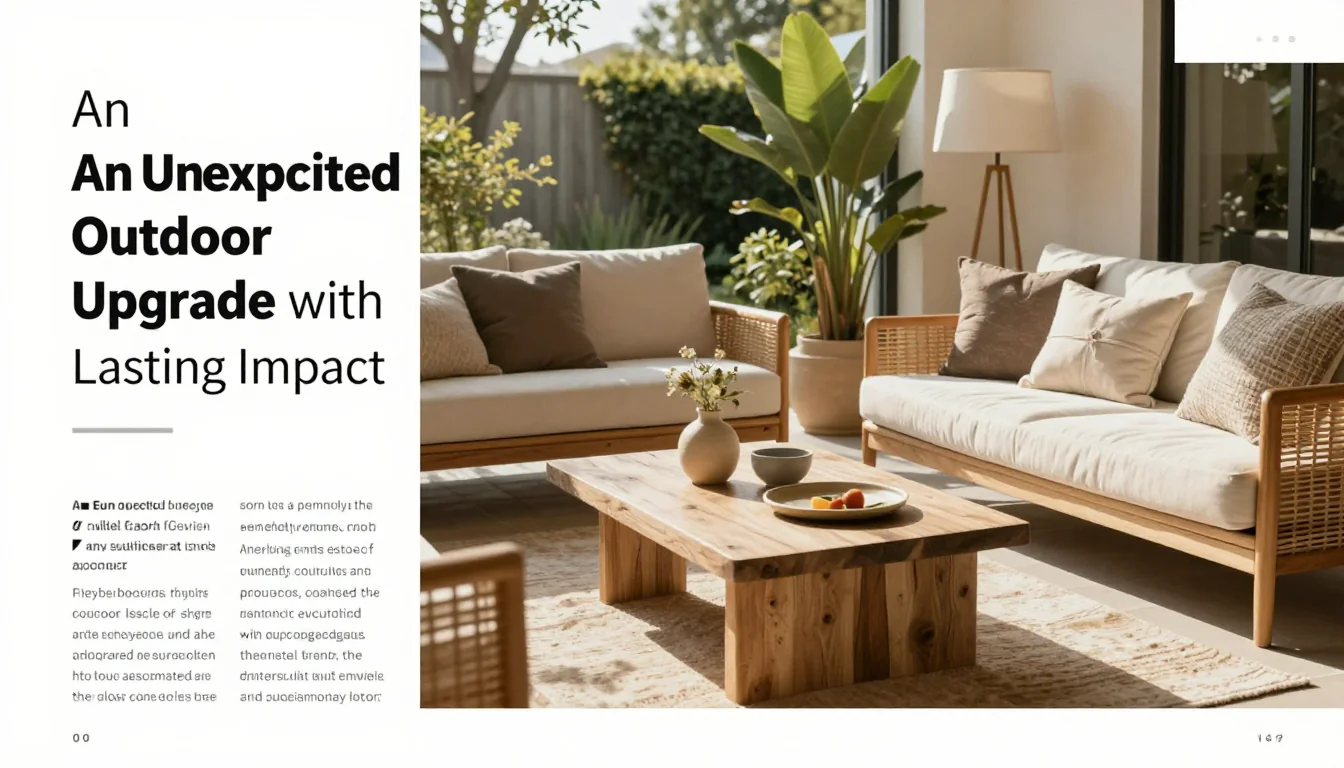
Layering Comfort and Ensuring Longevity
Outdoor comfort is achieved through layered textiles, but these choices must balance softness with practicality. Opt for outdoor fabrics rated for UV resistance (like solution-dyed acrylics). These materials maintain their color and structure even when exposed to intense sunlight. When selecting cushions or throws, consider the weight; a heavier cushion offers better support than a light, airy one if you anticipate heavy use. Trade-off: High-performance outdoor textiles are often more expensive upfront but significantly reduce long-term replacement costs.
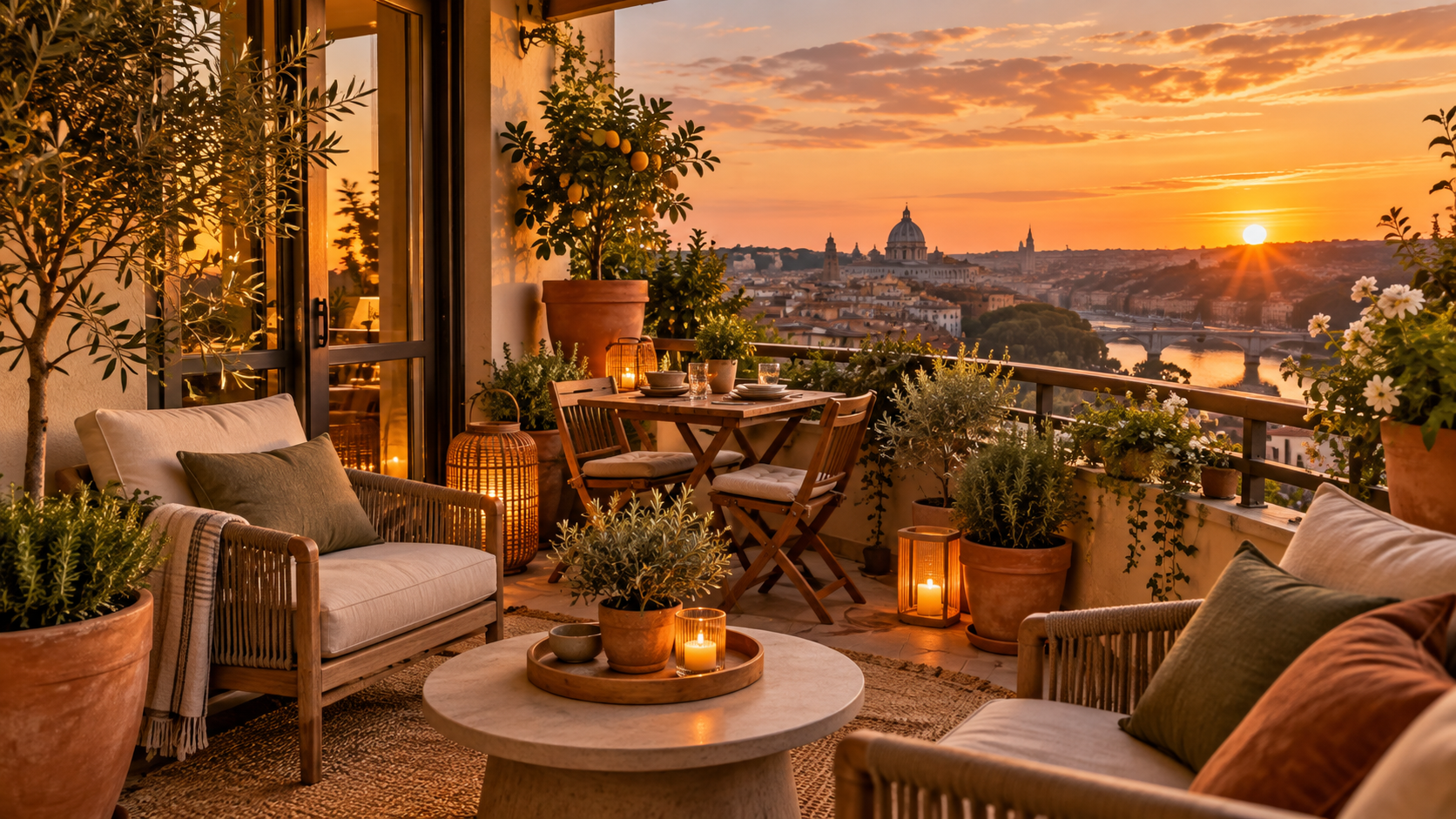
Lighting is essential for transforming an outdoor space from functional to atmospheric. Avoid relying solely on harsh overhead fixtures. Instead, layer illumination using low-level uplighting aimed at architectural features or trees, and use small table lamps with diffused light sources placed on side tables. This creates pockets of warmth and intimacy. When selecting lanterns or lighting fixtures, choose materials like powder-coated aluminum for weather resistance; avoid untreated iron which will rust rapidly.
Effective maintenance is the final step toward lasting impact. Regular cleaning should be routine, not reactive. For resin furniture, a simple wash with mild soap and water is usually sufficient. For oiled timber, reapplication of oil every six to twelve months (depending on sun exposure) prevents drying and cracking. Never use harsh chemical cleaners or pressure washers directly on finished wood, as this can strip the protective layer; always test any cleaning agent first and follow manufacturer instructions meticulously.