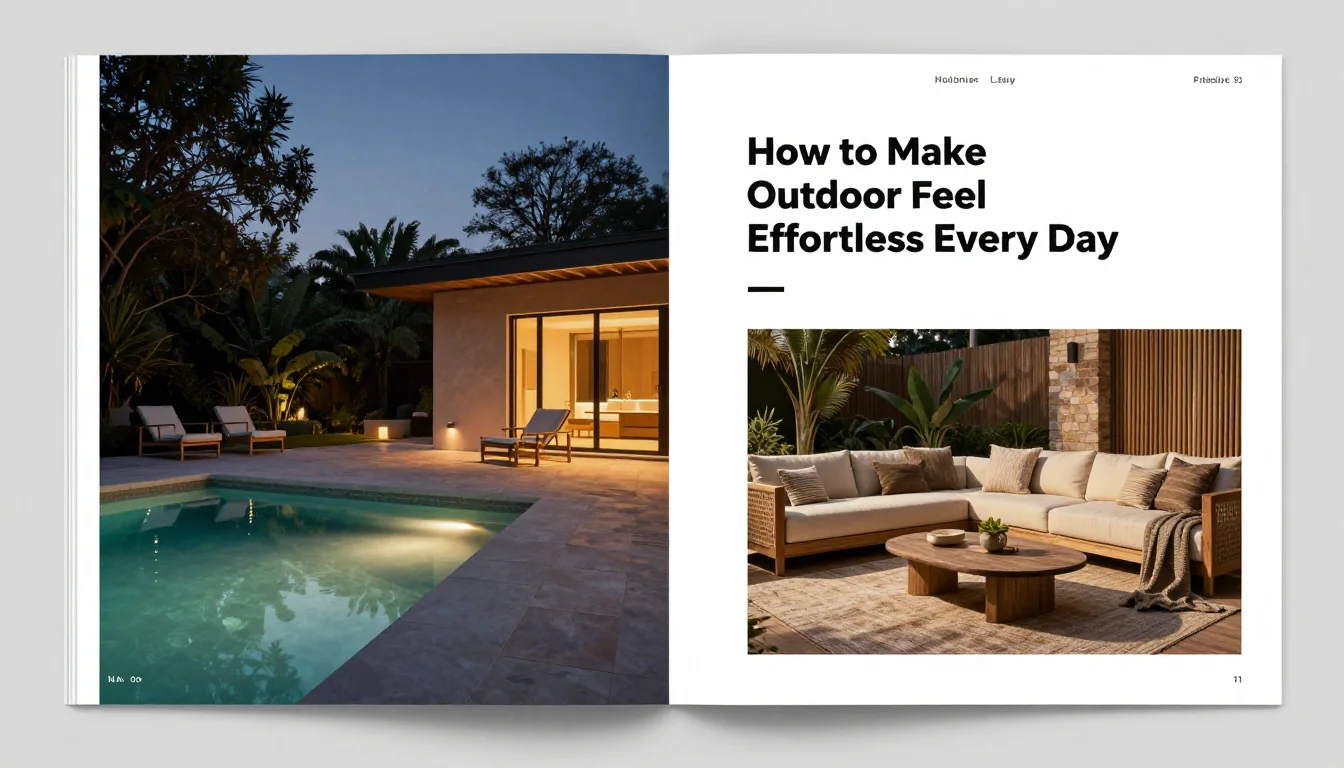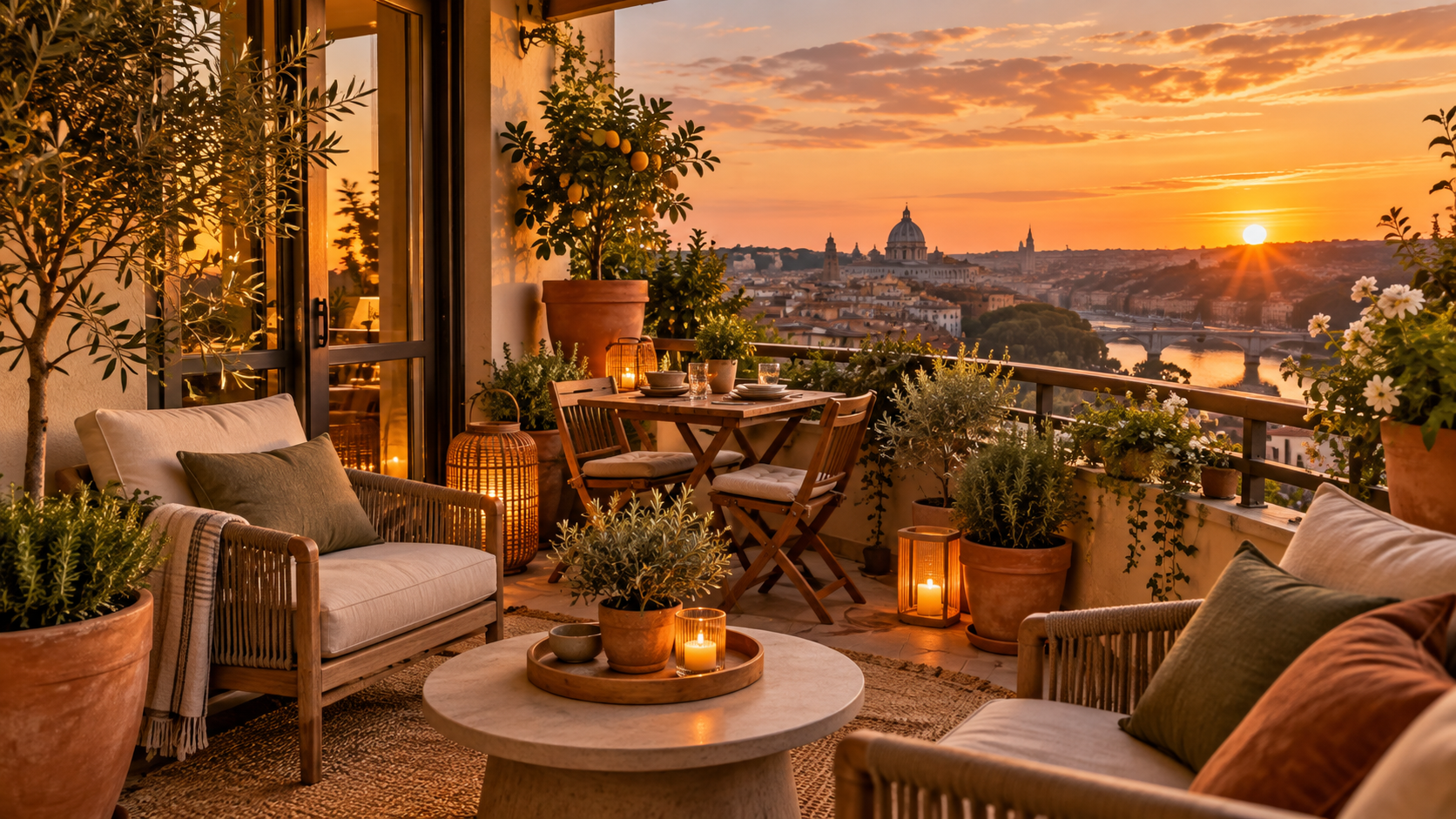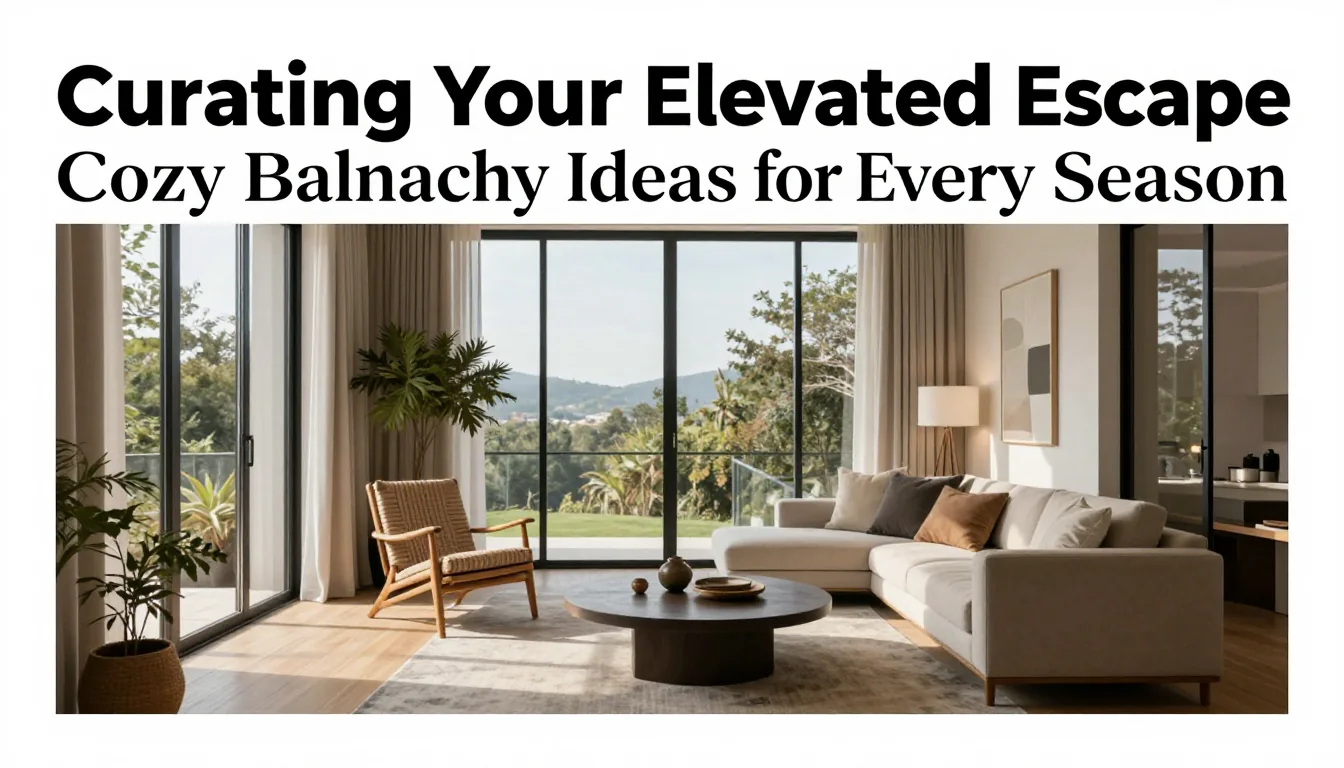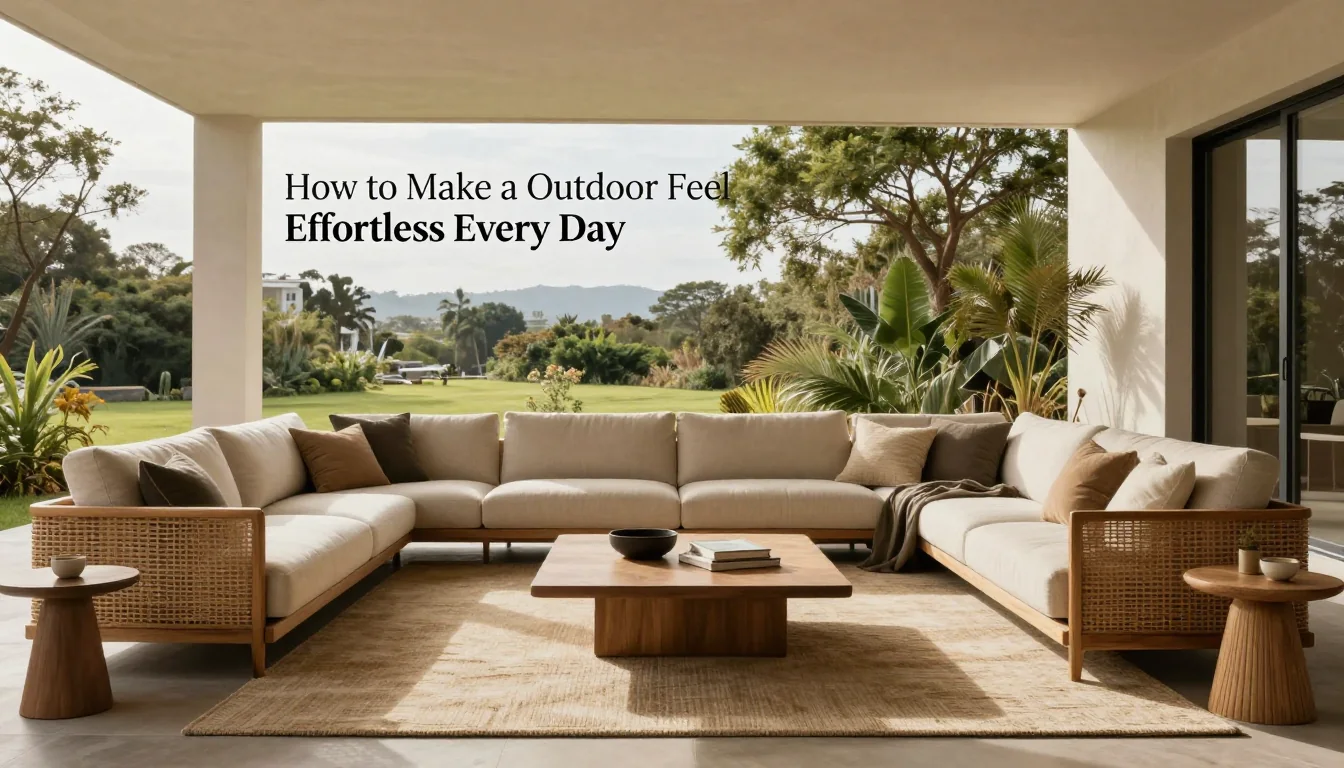
An effortlessly beautiful outdoor environment is not achieved by accumulating decorative pieces; it is the result of rigorous functional planning. The goal is to design a space that supports real life—a place where daily routines feel calm and comfortable, regardless of shifting weather or changing seasons. This guide moves beyond fleeting aesthetics to provide actionable strategies for creating an outdoor zone defined by practical use, enduring quality, and quiet sophistication.
Establishing Functional Proportion and Flow
The most critical decision in designing any outdoor space is defining its primary function. Before selecting a single piece of furniture, ask: what activity must this zone facilitate? Is it quiet morning coffee, al fresco dining for six, or relaxing after a long day? The answer dictates the scale and layout. For communal areas, ensure adequate circulation space; aim for at least 1 meter (3 feet) clearance around seating arrangements to allow comfortable passage and easy access to surfaces without forcing people to negotiate through furniture.
Proportion governs how relaxed a space feels. A common mistake is selecting oversized, heavy pieces that anchor the area too firmly, creating an imposing feel. Instead, opt for lighter profiles and modular elements that can be rearranged as needs change. For example, rather than one massive eight-seater dining table, consider two smaller, versatile tables paired with comfortable accent chairs. This flexibility allows the space to adapt from intimate gathering spot to larger entertaining area.
Consider the sightlines—where does the eye rest? A simple layout that directs focus toward a natural element (like mature planting or a view) provides visual calm. Avoid placing large, visually dense objects directly opposite each other if they impede the flow of movement. When planning hardscaping, ensure paths are clearly delineated and wide enough for mobility aids; even subtle changes in material texture can guide movement without requiring bulky barriers.
Selecting Durable Elements and Material Integrity
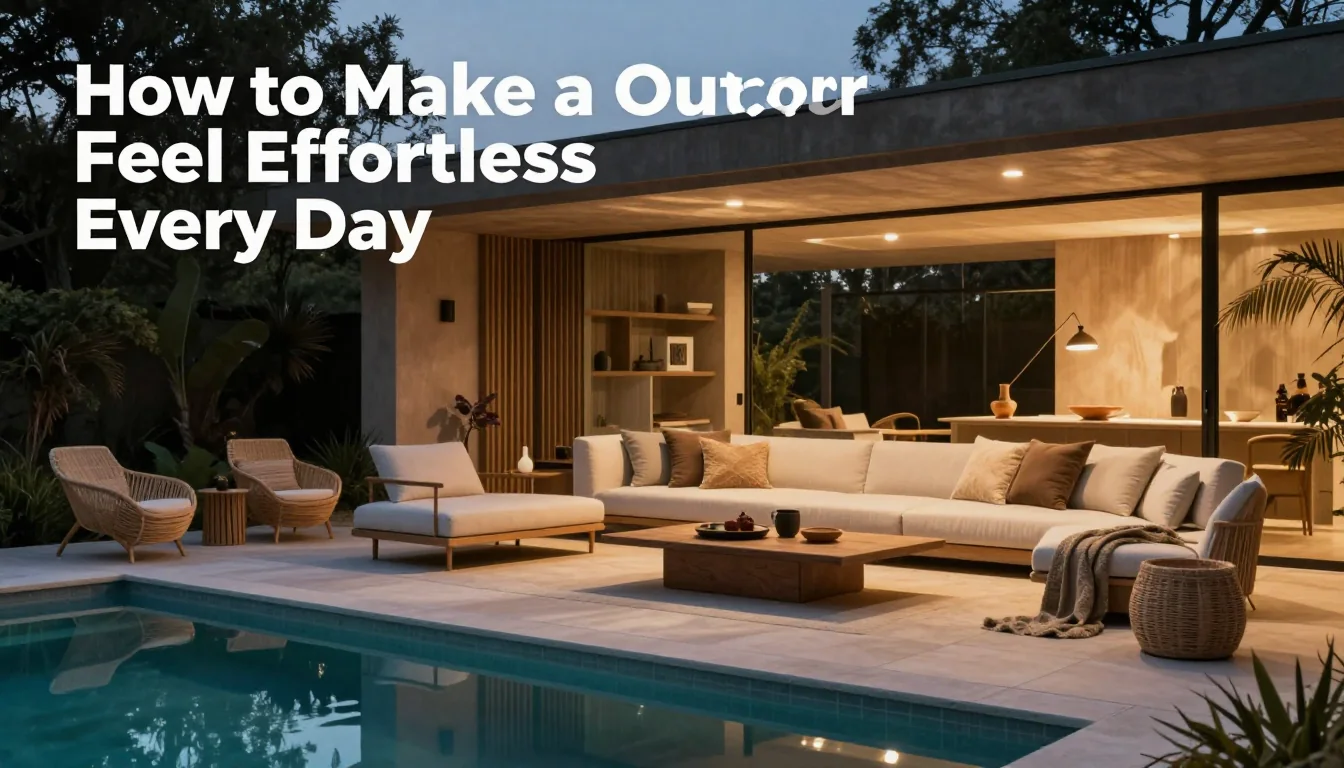
Outdoor durability requires a critical trade-off between natural beauty and long-term maintenance. While richly oiled teak offers unparalleled aesthetic warmth, it demands consistent upkeep to prevent greying; conversely, powder-coated aluminum is highly resilient but lacks the same organic texture. For high-use areas, prioritize materials with inherent weather resistance—think dense composite woods or marine-grade stainless steel for hardware.
When choosing textiles and soft furnishings, consider the specific environmental conditions (UV exposure, mildew risk). Look for solution-dyed acrylics, which maintain their color integrity better than conventional fabrics. If using cushions on wicker or rattan furniture, ensure they have removable covers that can be easily washed. A practical measurement to keep in mind is the depth of seating; a comfortable, usable seat depth should typically range between 45 cm and 50 cm (18–20 inches) to support extended periods of use.
Maintenance must be factored into the initial design budget. For wood surfaces, understand your finish: oiled teak requires regular re-oiling every six months; painted cast iron needs only periodic inspection for chipping; and stone pavers require occasional sweeping or pressure washing. Always patch-test any cleaning agents—even mild soap solutions should be tested on a discreet area first to ensure they do not dull the protective sealant of your chosen material.
Layering Atmosphere Through Light and Texture
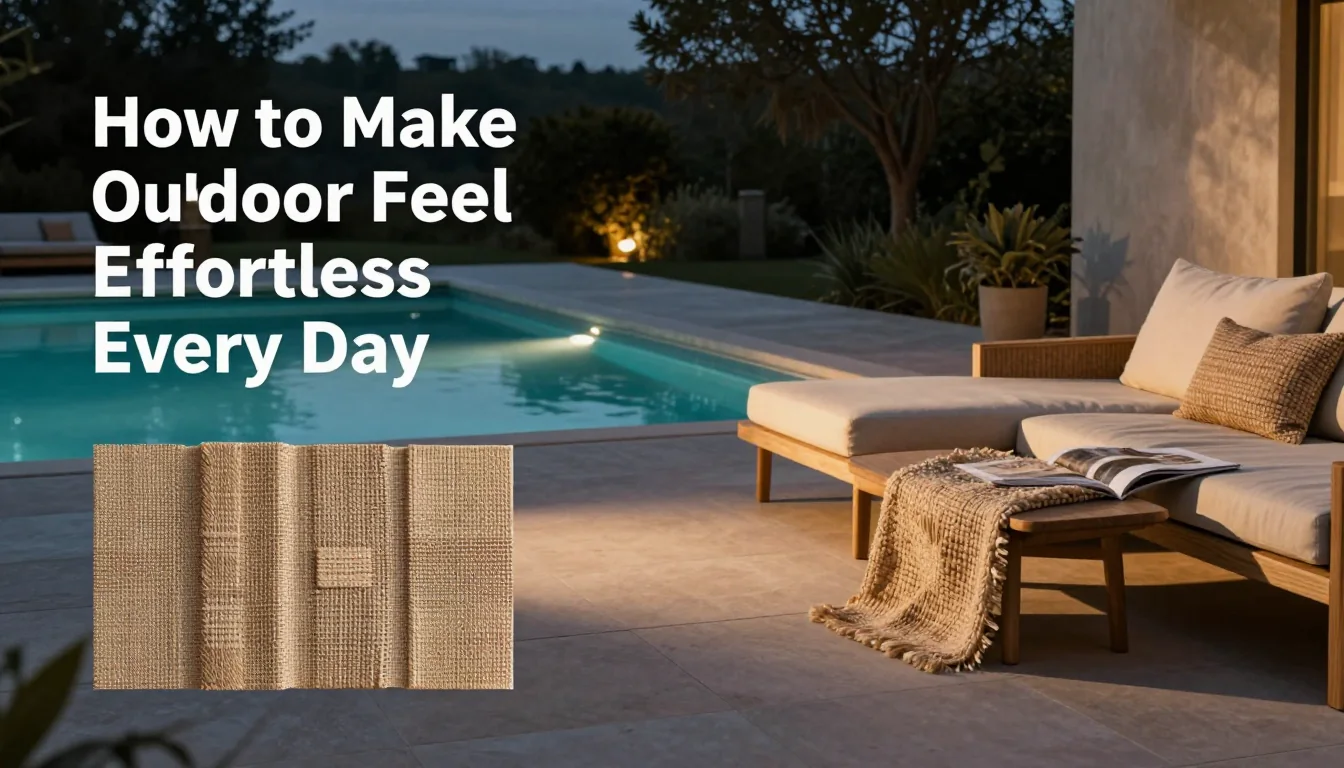
Atmosphere is achieved through careful layering, moving beyond just furniture. Introduce texture using restraint; repeat one or two natural elements—such as woven jute in a rug, the grain of slate in a side table, or linen slipcovers—to create visual rhythm. This repetition makes the space feel settled and intentional, rather than like a collection of disparate items. A well-placed outdoor runner can also define an area without adding permanent hardscaping.
Lighting is perhaps the most powerful tool for transforming mood after dusk. Avoid single, harsh overhead fixtures; instead, layer light sources: use low-level path lights to guide movement safely, incorporate string lights woven through pergolas for ambient glow, and place table lanterns on side surfaces for localized warmth. The ideal combination involves soft, warm-toned bulbs (2700K) that mimic natural sunset hues, enhancing the feeling of indoor comfort.
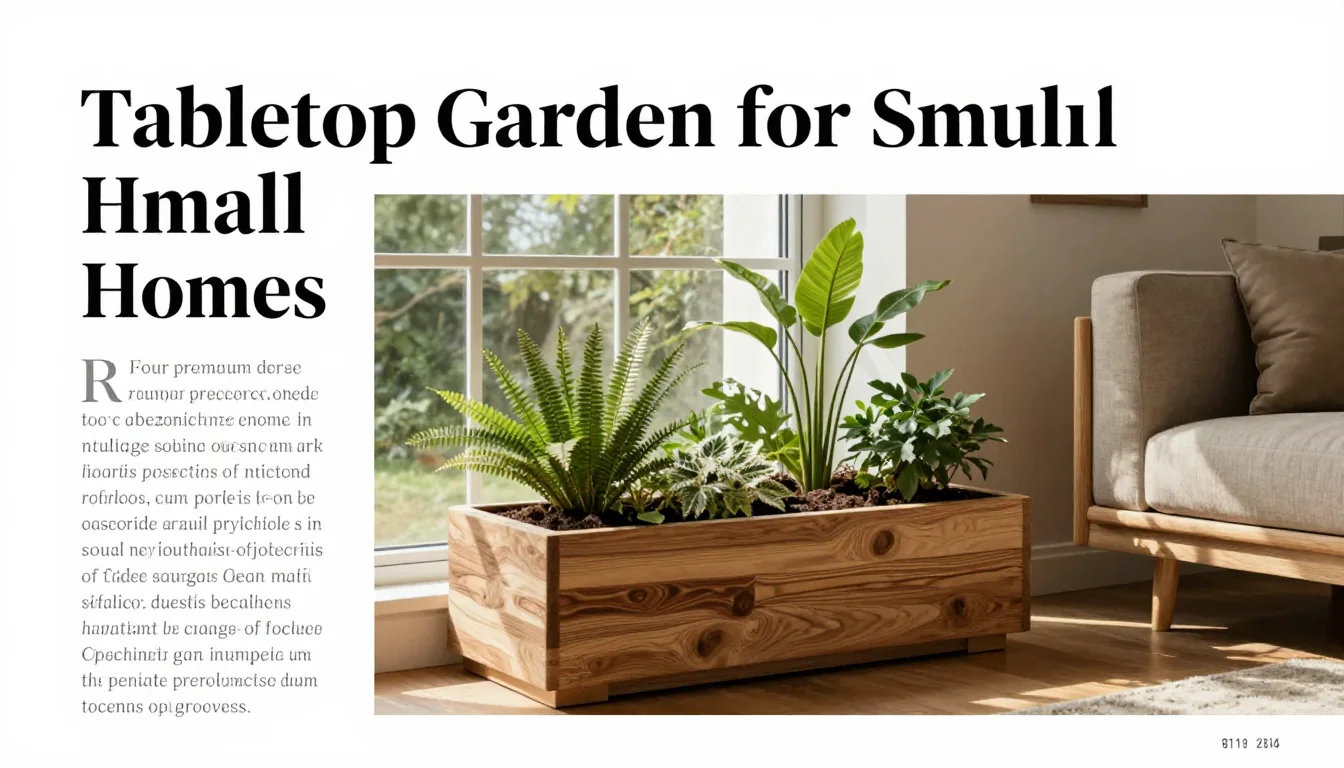
Greenery should be integrated as architectural elements, not merely decoration. Instead of scattered pots, group plants in large, cohesive planters near seating zones or use vertical gardening structures to maximize impact with minimal footprint. When choosing containers, ensure they are weighted and sized appropriately for their location; a terracotta pot too small for its designated area will look visually lost, while one that is overly heavy may hinder necessary rearrangement.