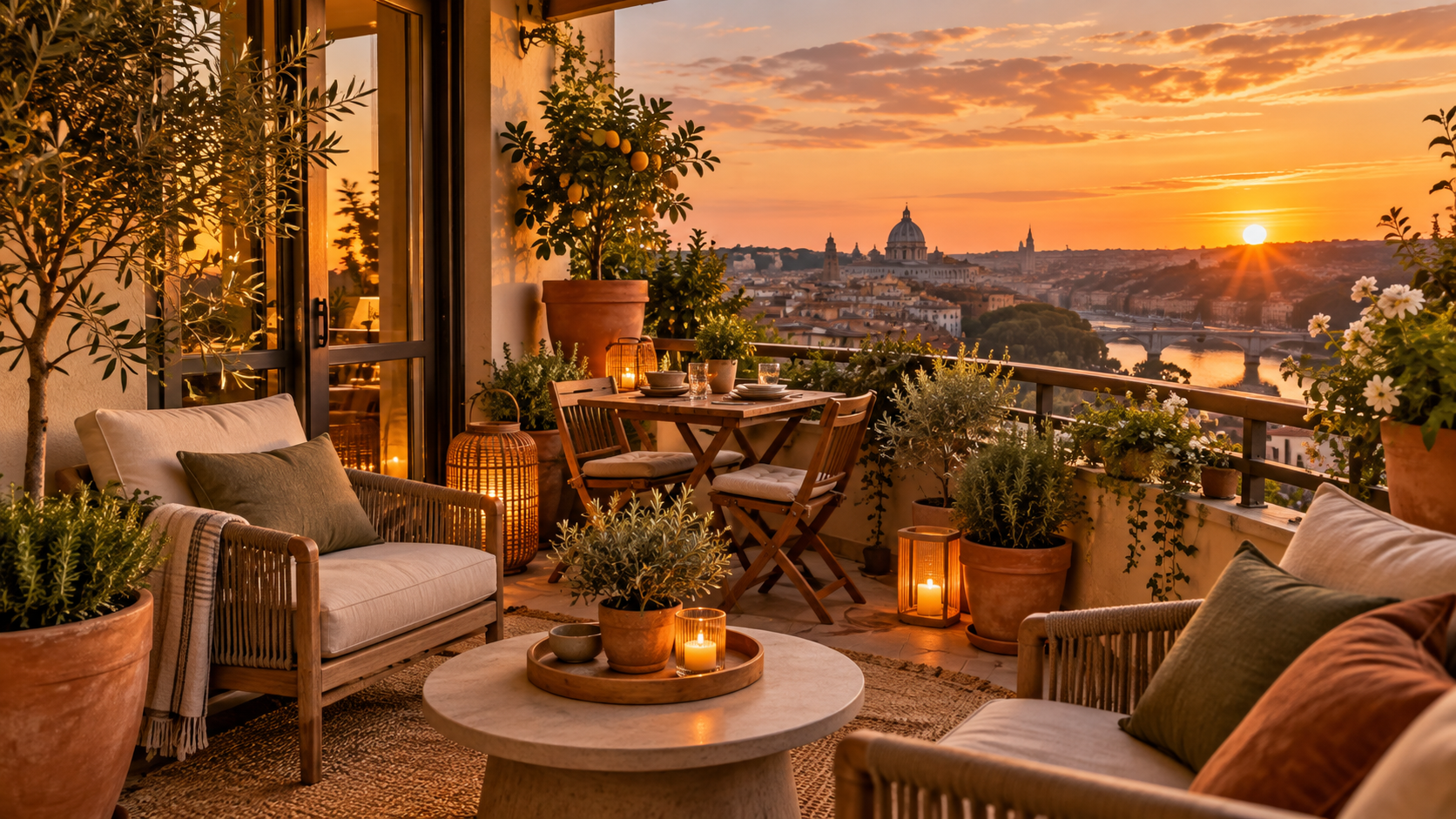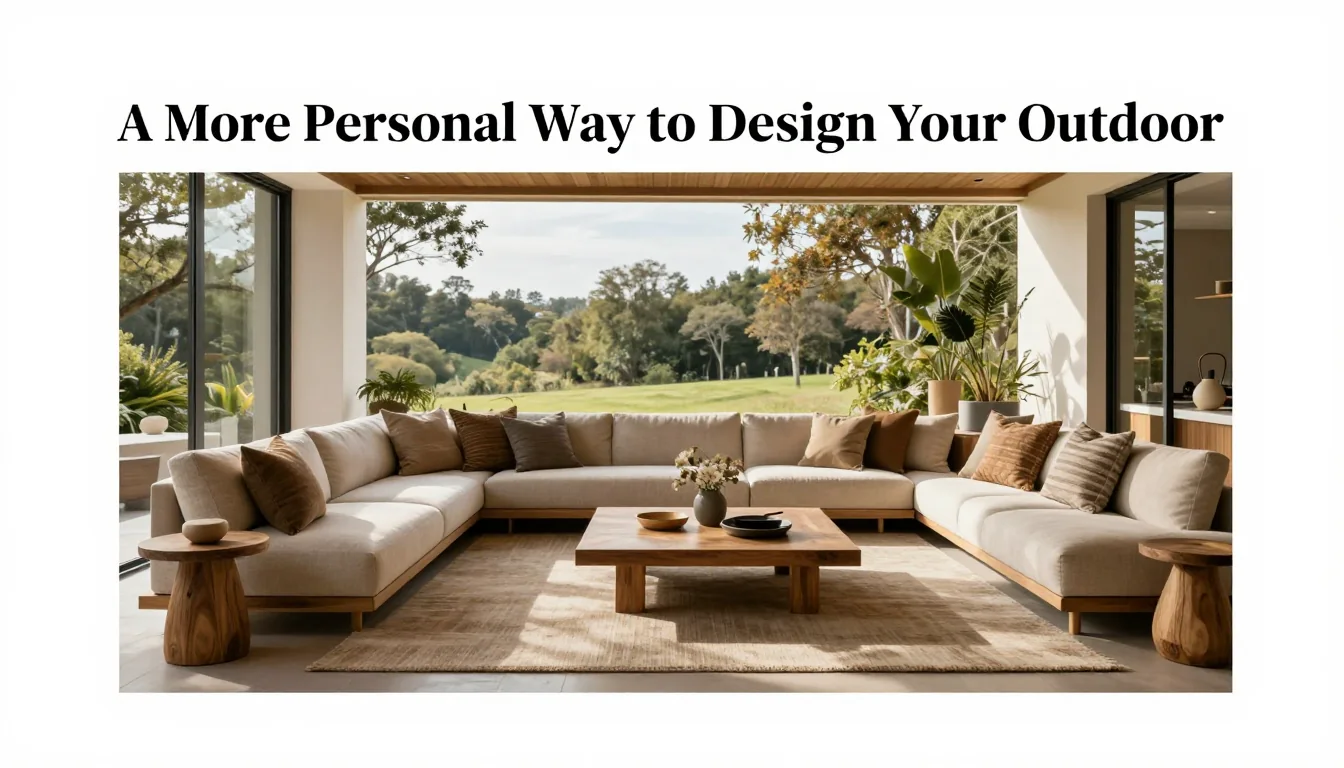
The modern desire for seamless living demands that the boundary between interior sanctuary and exterior expanse become fluid. However, translating the intimate comfort of a curated indoor space to the open environment presents distinct challenges related to durability, weather resistance, and environmental control. Designing an outdoor area successfully is not merely about placing furniture outside; it requires treating your patio or garden as a deliberate, functional extension of your home's living room. This approach necessitates meticulous planning—understanding site-specific microclimates, selecting materials built for endurance, and layering elements that maintain comfort regardless of the shifting conditions.
Foundational Planning: Analyzing Your Site’s Microclimate
Before any procurement begins, a thorough site assessment must dictate your design choices. Identify key environmental factors: where does harsh midday sun track (and for how long)? What is the prevailing wind direction and speed? How rapidly do temperatures drop after sunset in this specific location? These elements are not obstacles to overcome; they are guiding principles that determine material placement, structural needs, and required levels of protection. For instance, if a zone receives intense afternoon western sun, UV-stable materials and deep shading structures are non-negotiable.
Shift your focus from merely placing furniture to establishing distinct functional zones. A primary lounge area designed for evening relaxation might thrive under the diffused light of a pergola (perhaps 2.5m x 3m), while an outdoor dining zone requires more robust, weather-proof structural elements and consistent overhead protection. Define these areas—a quiet reading nook, a social gathering space, a dedicated cooking station—to create a fluid narrative within the space that is purposeful rather than random.
A common mistake is designing one monolithic patio area for all activities. The trade-off between maintaining open flow and ensuring localized comfort must be managed through strategic segmentation. Consider using hardscaping changes—a shift from paving stones to gravel, or the introduction of a low retaining wall—to visually delineate these zones. This subtle change in texture helps ground each functional space while keeping the overall area connected.
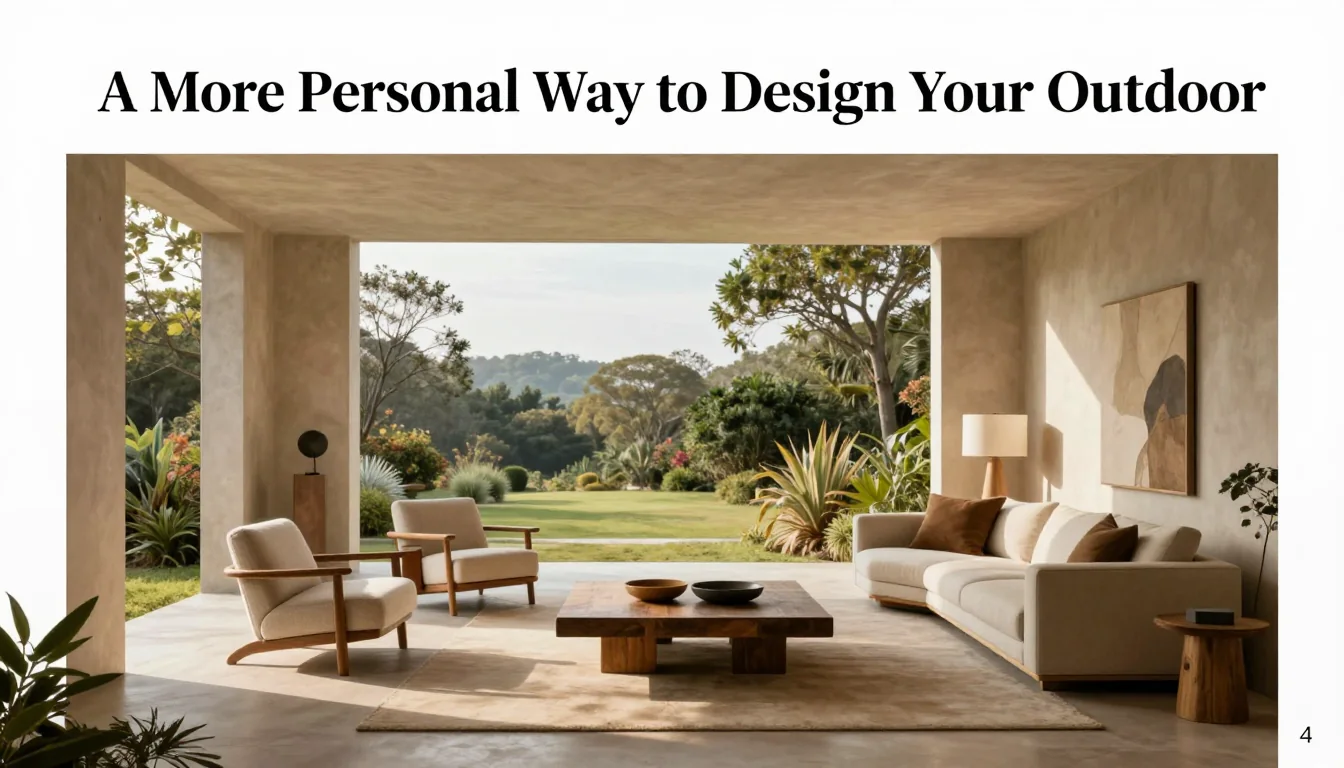
Material Selection: Balancing Aesthetics and Resilience
Choosing materials for exterior use requires prioritizing performance over mere appearance. The correct material must withstand moisture, temperature extremes, and UV degradation without compromising its aesthetic integrity. For wood elements like decking or framing, select species such as Ipe or thermally modified ash, which possess inherent resistance to decay. If using standard lumber, it is critical to apply a marine-grade sealant appropriate for the specific wood type, ensuring application follows manufacturer guidelines.
Metals are highly dependent on their finish and construction. Powder-coated aluminum provides excellent durability and resists rust far better than untreated steel, making it ideal for structural frames or furniture bases. If opting for wrought iron, ensure it is treated with a high-quality, exterior-grade primer before painting to prevent oxidation. A realistic example: dining table legs should be anchored firmly into the patio structure using corrosion-resistant hardware (e.g., stainless steel bolts) rather than simple surface placement.
The most significant trade-off lies between maintenance load and longevity. High-end, naturally durable materials like teak require periodic oiling to maintain their rich tone (typically every 12–18 months), whereas synthetic wicker over an aluminum frame offers a lower maintenance profile but may exhibit less natural texture. Always patch-test any chosen textile or wood treatment on a small, inconspicuous area before committing to the entire project.
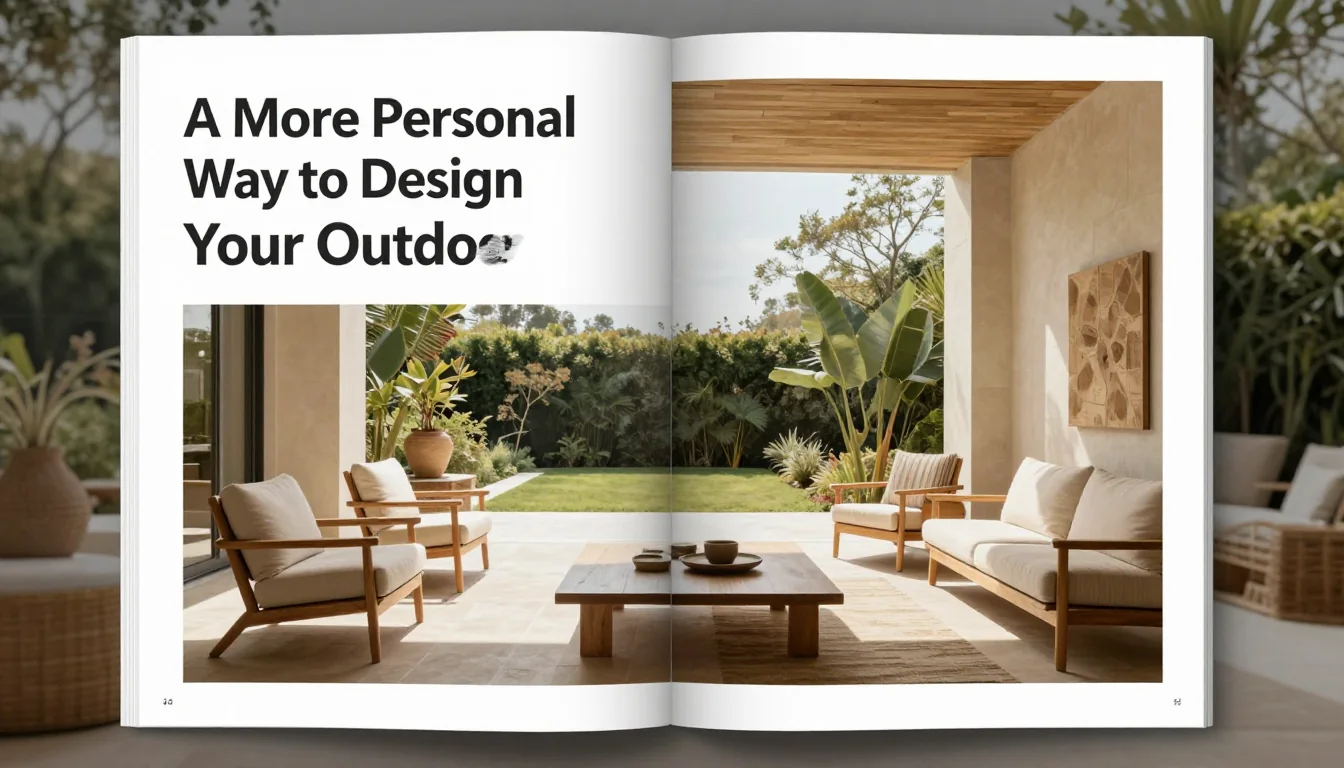
Layering Design: Enhancing Comfort and Intimacy
To achieve the rich, lived-in feel of an indoor room, exterior design must rely on thoughtful layering—combining hard architectural elements with soft, functional components. Start with high-performance textiles for seating; these deep cushions should be constructed from solution-dyed acrylic fabrics specifically engineered to resist fading and moisture absorption. These materials are the primary conduits of interior comfort, offering plushness even when exposed to dew or sudden rain.
Layering extends vertically and spatially. Introducing tall planters filled with structural, textural foliage provides immediate visual height, acts as a natural barrier against wind, and defines boundaries without resorting to solid walls. For creating an intimate retreat within a large open space, consider weaving architectural screens—such as slatted wood panels or woven bamboo dividers (approximately 1.8m high)—to introduce privacy while still permitting light and air circulation.
Functionality must underpin every detail. Avoid purely decorative items; every element should support daily living. For example, ensure side tables are not just flat surfaces but incorporate practical features like integrated spill trays or discreet storage for cushions and remotes. The final details—such as low-level accent lighting placed near seating areas (e.g., 30cm from the ground)—are crucial for extending usability into cooler evenings, transforming a simple patio into an enduring outdoor room.
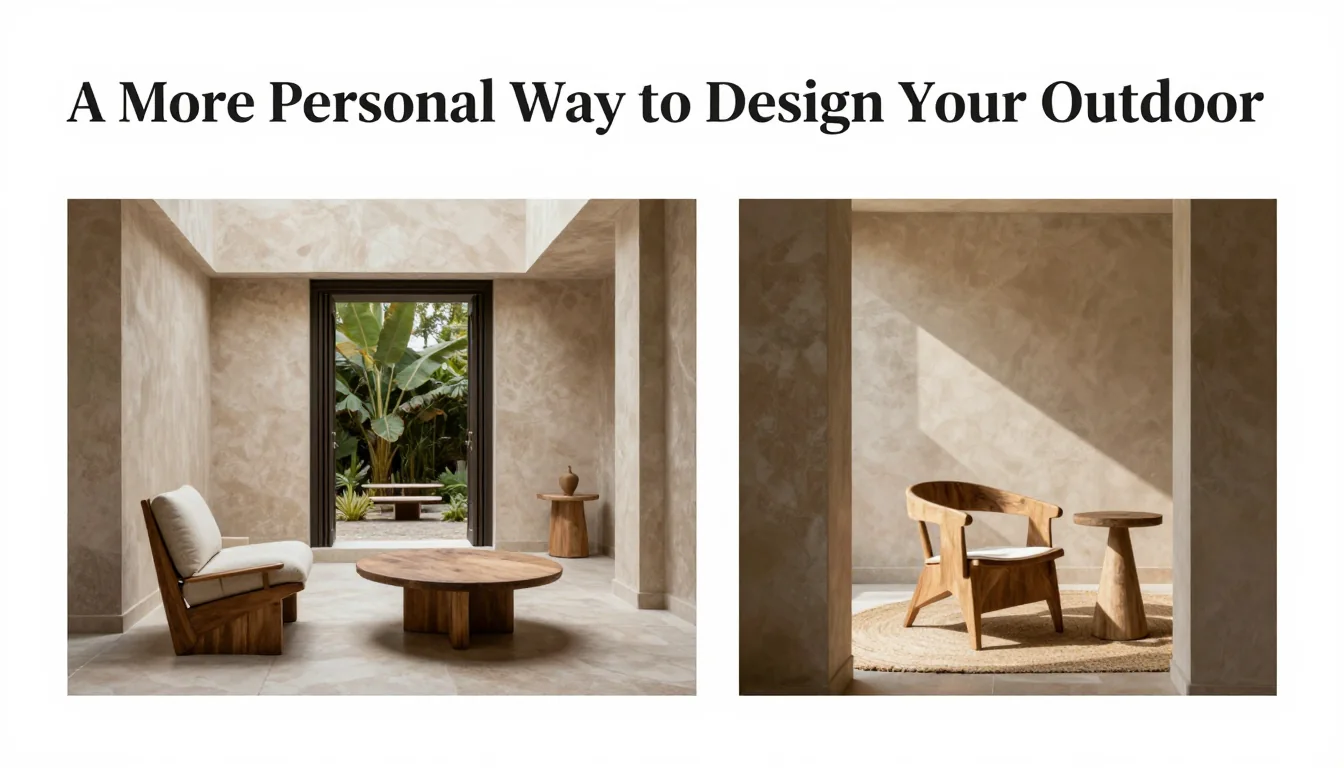
Practical Planning Notes
Create one route from door to seating, leave space for chair pull-back, and plan shade before accessories.
Material Perspective
Powder-coated aluminum is light and low-maintenance; teak weathers gracefully; untreated steel needs weather protection.
Before You Commit
Confirm drainage, wind exposure, winter storage, and washable textiles for the specific outdoor zone.
For related, room-specific ideas, continue with the guides in this category or return to the Furnlyra home page.