Tabletop Garden Ideas for Small Homes
Maximizing Space with Compact Container Displays
When space is limited, the strategy must shift from planting wide to planting up. Tiered planters and stackable pots are highly effective solutions for maximizing vertical real estate on a tabletop or small balcony railing. These systems allow you to layer multiple different plant types—from trailing succulents at the top to robust herbs in deeper lower pots—creating visual density without requiring a sprawling footprint. Choosing containers with varied heights also adds dynamic interest, preventing the display from looking monolithic and uniform.
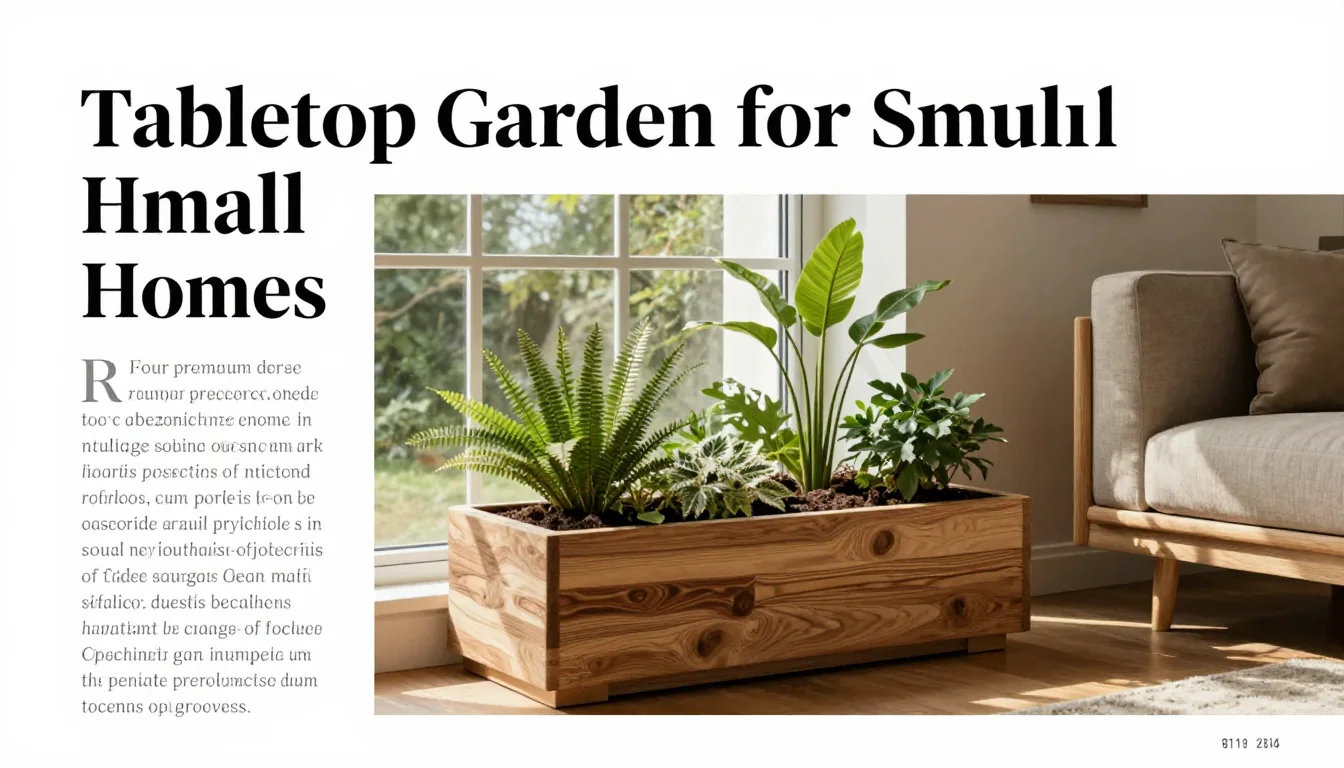
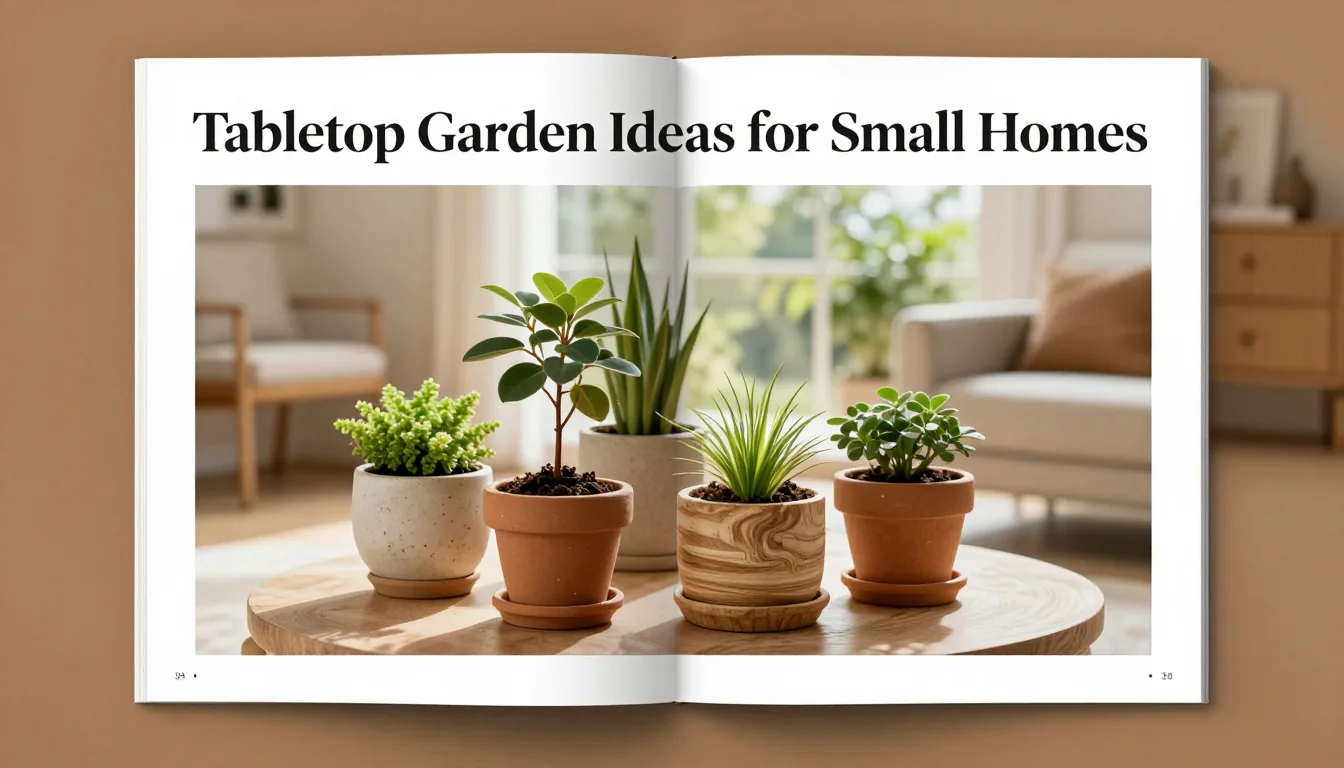
For those preferring a single-level arrangement, grouping smaller, mismatched containers together creates a curated ‘garden vignette.’ This approach works best when plants have varying textures and leaf shapes, providing visual contrast even if the colors are similar. A practical guideline is to keep the total diameter of your display manageable; for most small dining tables, keeping the overall width under 30 centimeters ensures it remains functional as a tabletop element rather than an obstruction.
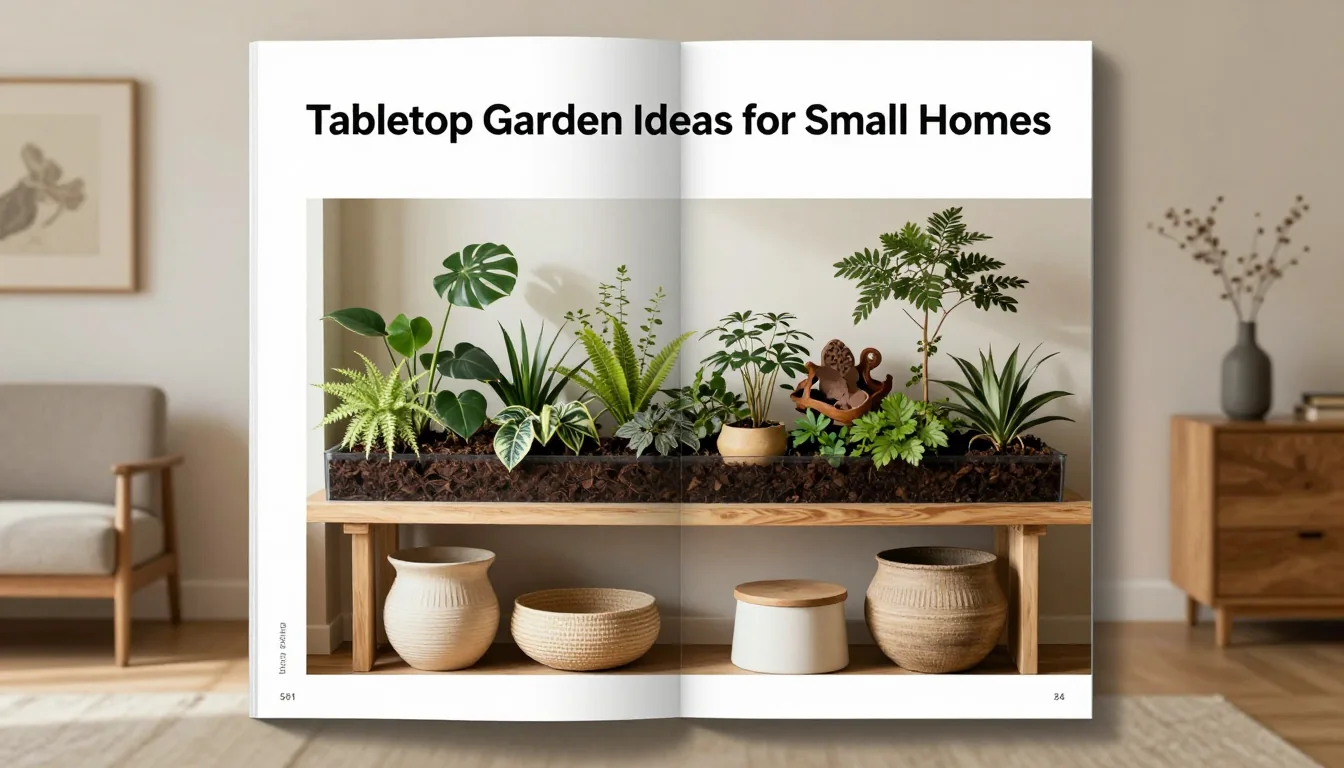
Modular systems offer unparalleled flexibility. These units typically consist of interlocking trays or segmented pots that can be reconfigured seasonally or based on available light. They are especially useful for experimenting with different plant combinations without committing to large, heavy installations. Consider using shallow troughs filled with moss and small groundcovers alongside taller herbs; this creates a layered miniature landscape effect suitable for very tight spaces.
Understanding Light Requirements and Plant Selection
Before purchasing any plant, accurately assessing the light exposure of your chosen table area is paramount. Full sun means six or more hours of direct sunlight daily, requiring resilient plants like rosemary, thyme, and certain ornamental grasses. Partial shade, which receives three to six hours of filtered or indirect light (such as a spot near a building wall), is ideal for foliage-rich varieties such as impatiens or ferns. Misjudging the light exposure is the most common cause of container plant failure.
The tradeoff in choosing plants often lies between high visual impact and low maintenance. Dramatic, fast-growing flowers offer immediate aesthetic reward but demand frequent watering and nutrient replenishment. Conversely, succulents and air plants require minimal intervention once established; they are drought-tolerant and thrive in bright light but may not provide the same lush, dense green appearance as moisture-loving herbs. Select a combination that matches your care capacity.
For small spaces, focus on complementary plant families. Pairing sun-loving Mediterranean herbs (like oregano) with shade-tolerating groundcovers (such as creeping sedums) allows you to utilize different light zones within the same overall display structure. Ensure that any chosen plants are container-friendly; some species naturally prefer deep soil and may struggle in restrictive, shallow pots, regardless of how well they tolerate your specific light conditions.
Ensuring Drainage and Protecting Furnishings
Adequate drainage is non-negotiable for container health. Every pot must incorporate a functional drainage hole at the base; water retention without an escape route inevitably leads to root rot, which kills plants quickly. To enhance this system further, place a layer of coarse material—such as gravel or broken pottery shards—at the bottom of the container before adding potting mix. This prevents the soil from completely clogging the drainage aperture.
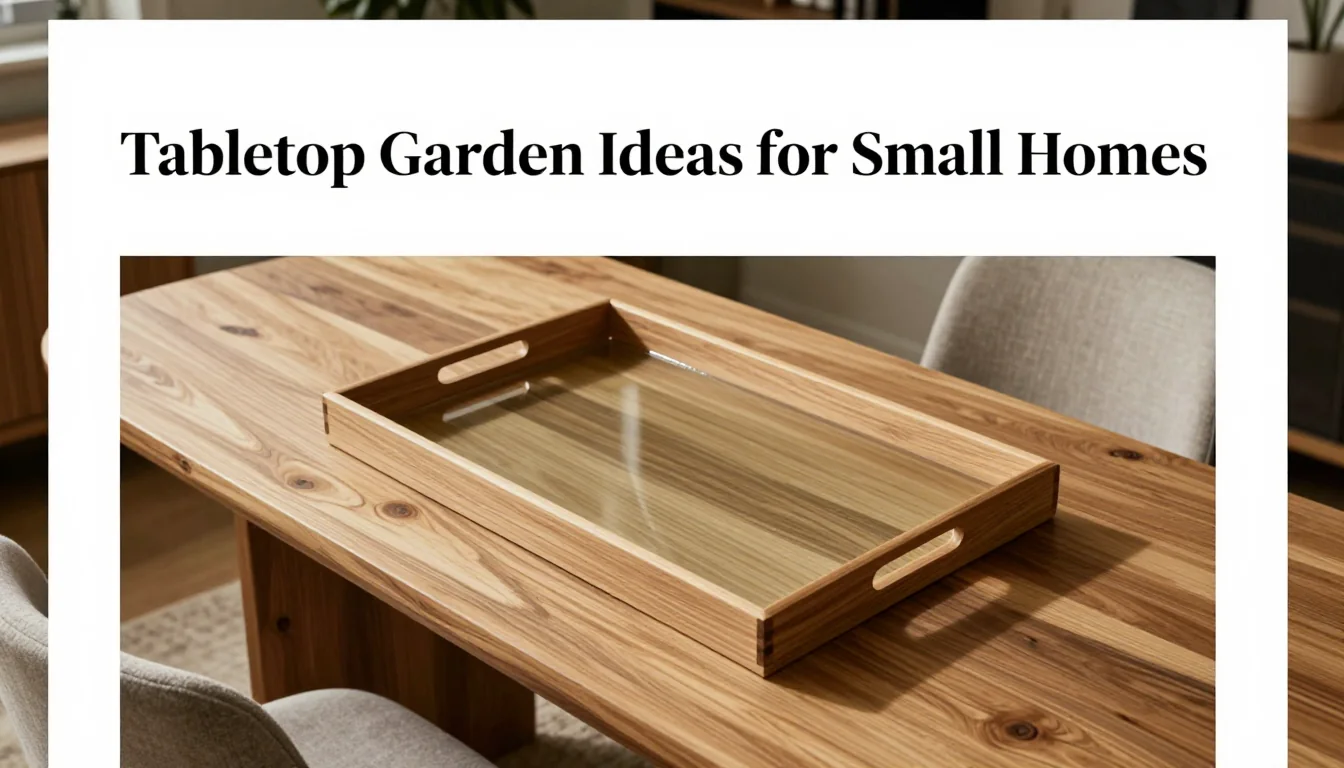
The risk of water damage extends beyond the plant itself; excess runoff can stain and deteriorate outdoor furniture. When positioning your display, use a protective liner underneath the entire arrangement. A heavy-duty plastic tray or a dense rubber mat placed beneath the pots will catch overflow, protecting wood surfaces from prolonged moisture exposure. This simple barrier is crucial for maintaining the longevity of patio tables and chairs.
Material choice dictates specific care cautions. Terracotta and unglazed ceramic containers are highly porous; they look attractive but allow water to evaporate quickly through the sides, meaning you must water more frequently. Plastic or glazed ceramic pots retain moisture much longer, reducing watering frequency but potentially trapping too much humidity if not allowed to dry out periodically. Always check the soil's surface before watering again, rather than adhering strictly to a time schedule.
Practical Planning Notes
Create one route from door to seating, leave space for chair pull-back, and plan shade before accessories.
Material Perspective
Powder-coated aluminum is light and low-maintenance; teak weathers gracefully; untreated steel needs weather protection.
Before You Commit
Confirm drainage, wind exposure, winter storage, and washable textiles for the specific outdoor zone.
For related, room-specific ideas, continue with the guides in this category or return to the Furnlyra home page.