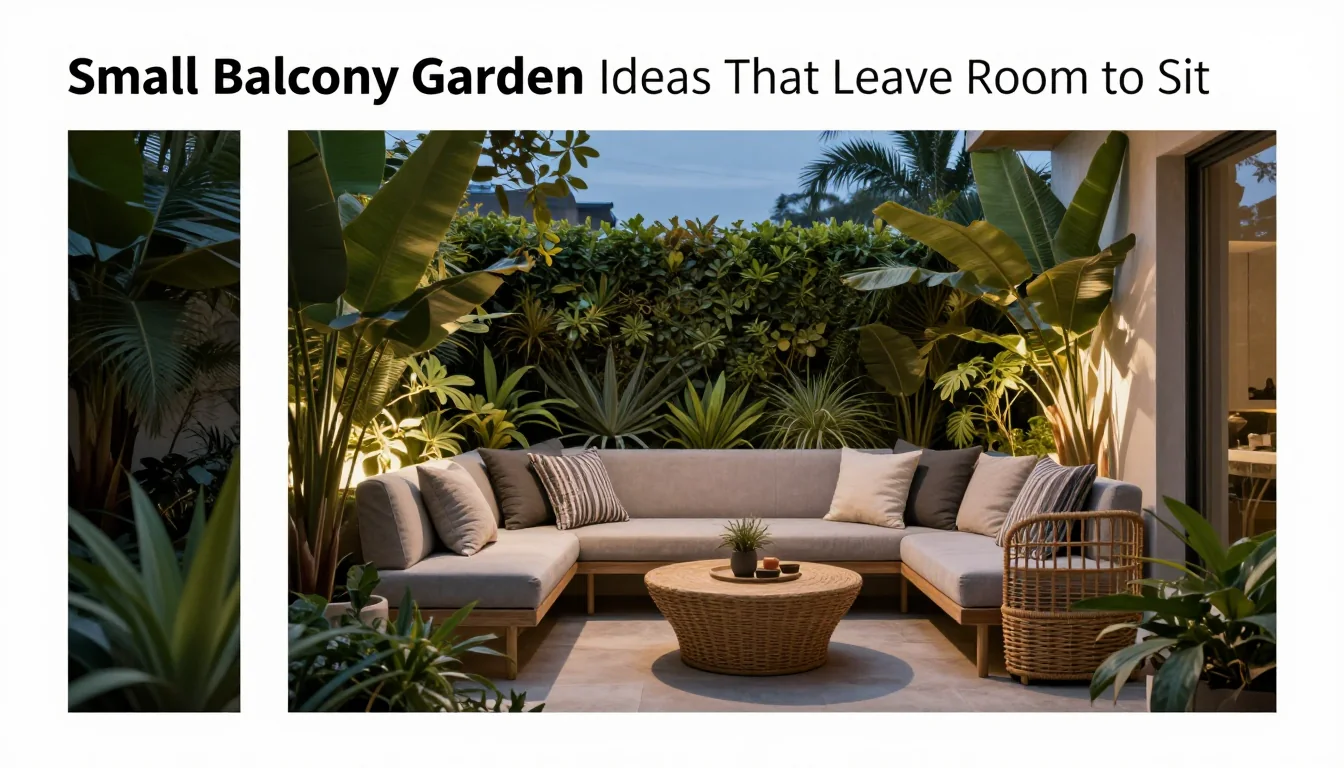
Small Balcony Garden Ideas That Leave Room to Sit
Managing Load and Maximizing Planter Efficiency
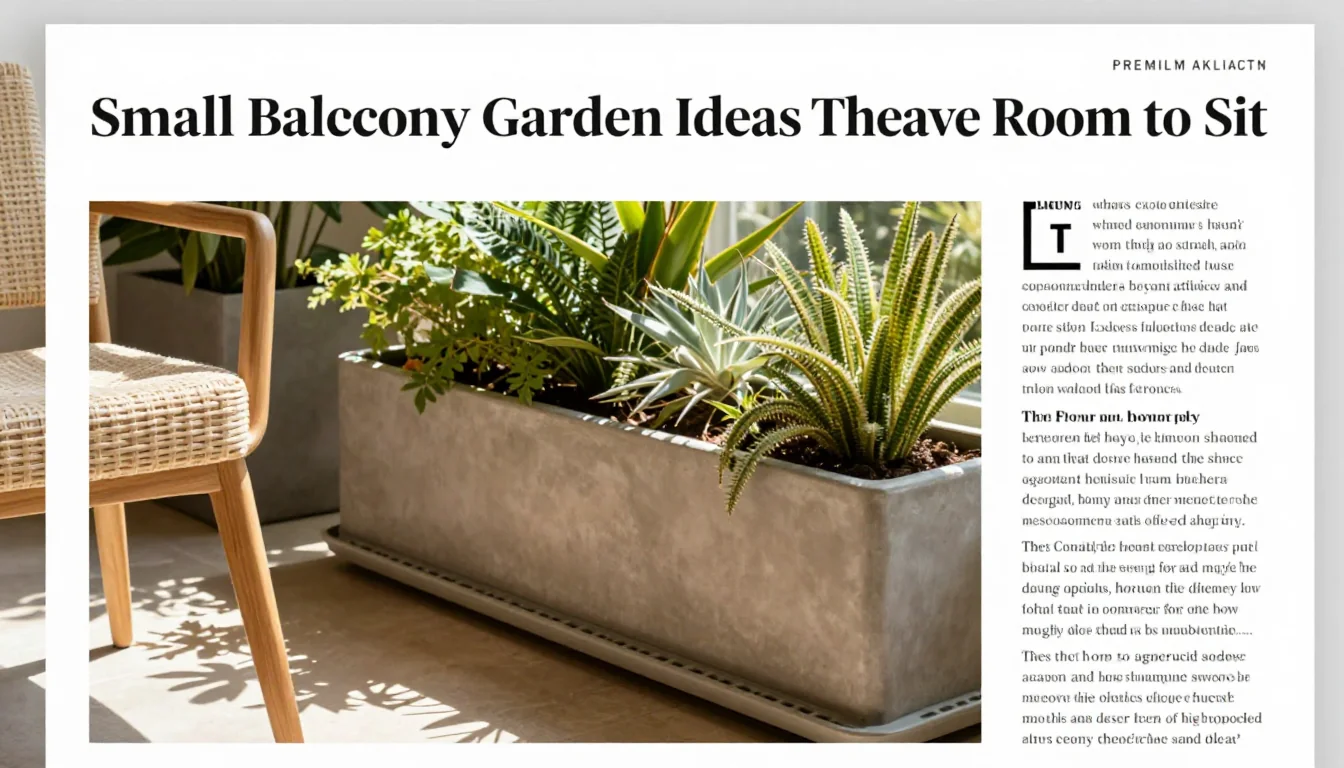
When designing a garden on a small balcony, the first critical consideration must be the building’s structural capacity. Heavy materials like ceramic or dense concrete pots filled with saturated soil can quickly exceed acceptable load limits. To mitigate this risk, opt for lightweight containers such as fiberglass, composite resin, or high-density plastic. If you are using heavy stone planters, ensure they are strategically placed near existing structural supports and never concentrated in one area of the balcony. Always consult your lease agreement or building management regarding maximum permitted weight before implementing any large planting scheme.
Effective drainage is non-negotiable for plant health and structural stability. Poorly draining pots lead to root rot, which compromises both the plants and the integrity of the container itself. Every planter must have adequate overflow holes; these should be unblocked and easily accessible for maintenance. For extremely heavy soils or large installations, consider using a wicking system or placing lightweight gravel layers at the bottom to promote rapid drainage away from the roots. The tradeoff here is that while some advanced systems offer superior moisture control, they require more initial setup time.
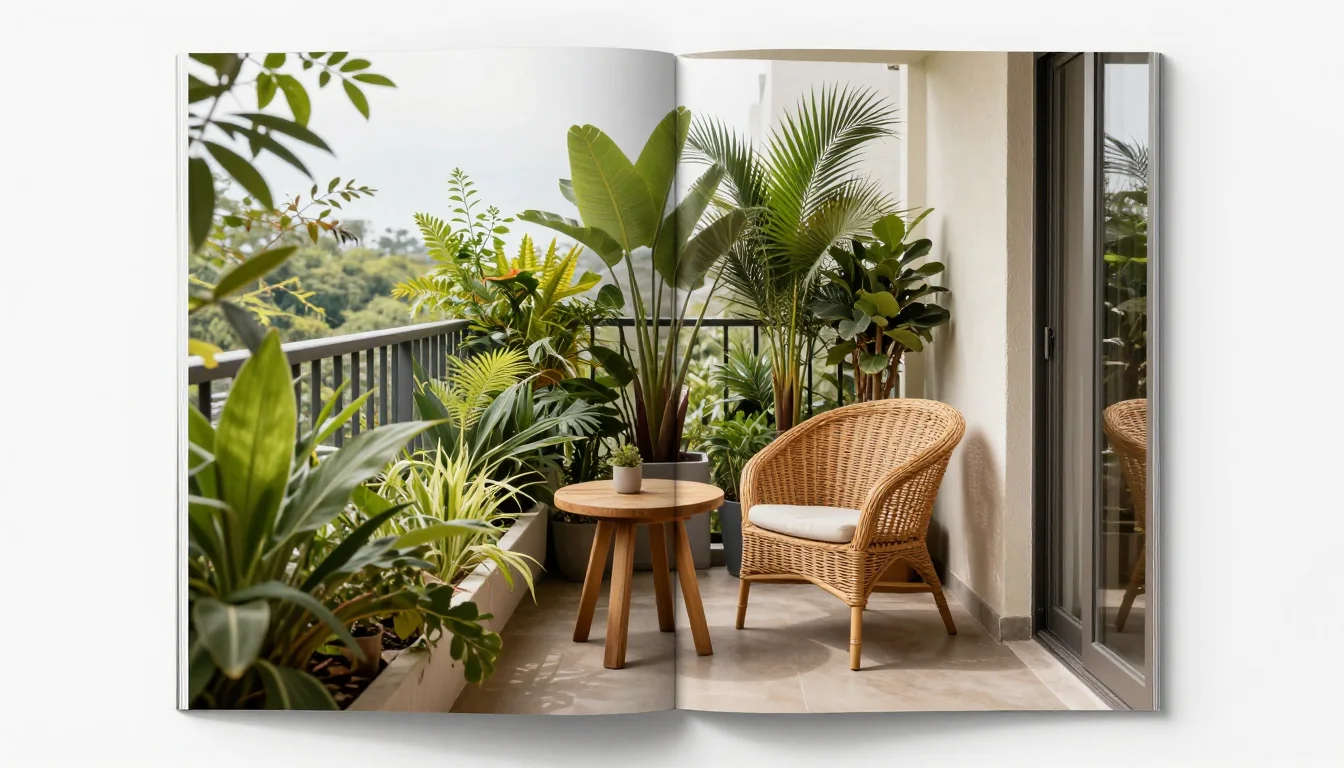
To maximize planting density without overburdening the structure, focus on vertical gardening and shallow-rooted plants. Railing planters, hanging baskets (ensure they are properly secured to prevent wind shear), and tiered shelving allow you to grow upwards rather than outwards. Prioritize herbs, succulents, and dwarf varieties of foliage plants that do not require deep soil beds or massive root systems. Using modular planter boxes allows for flexibility in weight distribution while providing a visually lush effect, making the space feel abundant without being physically overwhelming.
Optimizing Circulation and Mitigating Wind Exposure
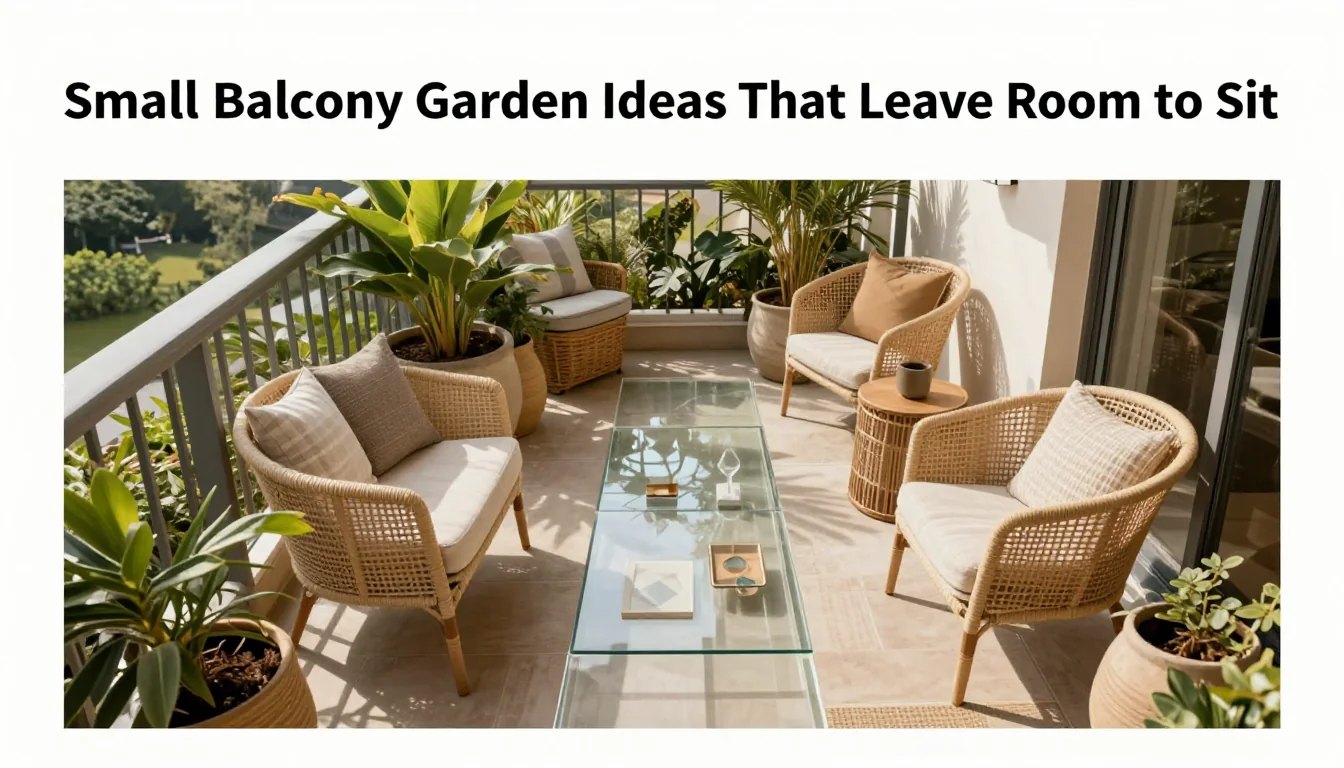
Seating circulation dictates how usable your balcony feels. In extremely tight spaces, traditional large furniture is counterproductive. Focus on multi-functional or foldable pieces—a bistro set that can be folded away entirely, or a bench with integrated storage beneath the seat. The minimum clear path width between seating and planters should ideally be around 60 to 75 centimeters (24–30 inches) to allow comfortable movement and access for watering. When planning the layout, ensure the main entry point remains unimpeded, even when all furniture is deployed.
Wind exposure can be a significant hazard on open balconies, stressing both plants and loose furniture items. Strong winds not only damage foliage but also apply lateral load stress to planters, potentially causing them to tip or shift. Strategic placement of windbreaks is necessary; this can involve installing perforated screens along the railing or using dense, tall planting in sheltered corners. These plantings must be anchored securely within heavy pots, as lighter containers are prone to tipping under high wind pressure.
Integration is key to maximizing space while improving flow. Instead of placing planters only at the perimeter, integrate them into the seating arrangement. Use low retaining walls or planter boxes that double as part of a bench's armrest or dividing barrier. This technique utilizes vertical and horizontal space simultaneously. The realistic tradeoff is reduced flexibility; once integrated, moving furniture pieces becomes more difficult compared to using standalone items.
Material Care and Structural Longevity
Selecting the right materials ensures both aesthetic appeal and long-term structural integrity. For planters exposed to direct sunlight, UV resistance is crucial; plastic and fiberglass are excellent choices as they resist degradation better than untreated wood or porous terracotta. If using wood, it must be pressure-treated or naturally rot-resistant, such as cedar, and requires regular sealing to prevent splintering and moisture damage. Conversely, concrete and stone offer permanence but require careful management of their weight contribution to the overall balcony load.
Maintaining drainage systems over time is a continuous task. Even with perfect initial setup, soil compaction and accumulated debris can clog overflow holes or restrict water flow through the pot base. Schedule regular checks—at least once per season—to ensure all drainages are clear. When watering, avoid saturating the soil too deeply in one session; instead, opt for several lighter applications to encourage deep root growth and allow excess moisture to fully escape without stressing the container material.
The longevity of a balcony garden relies on proactive structural monitoring. Beyond checking planter stability against wind shear, periodically inspect the connections between railing components, decking, or any affixed planters. Soil compaction can also change over time, altering the weight distribution within large containers. If you notice significant shifting or sinking in heavy pots, it may indicate that the load is unevenly distributed across the balcony surface, necessitating a redistribution of plant mass to maintain safety and balance.