Outdoor areas—whether a compact balcony or an expansive garden patio—are extensions of the home that must serve both aesthetic appeal and daily function. The goal is not merely decoration; it is creating a reliable, comfortable environment that supports how you actually live. This guide moves beyond fleeting trends to offer actionable strategies for designing outdoor spaces that are durable, practical, and genuinely inviting.
Optimizing Layouts: Function Before Form
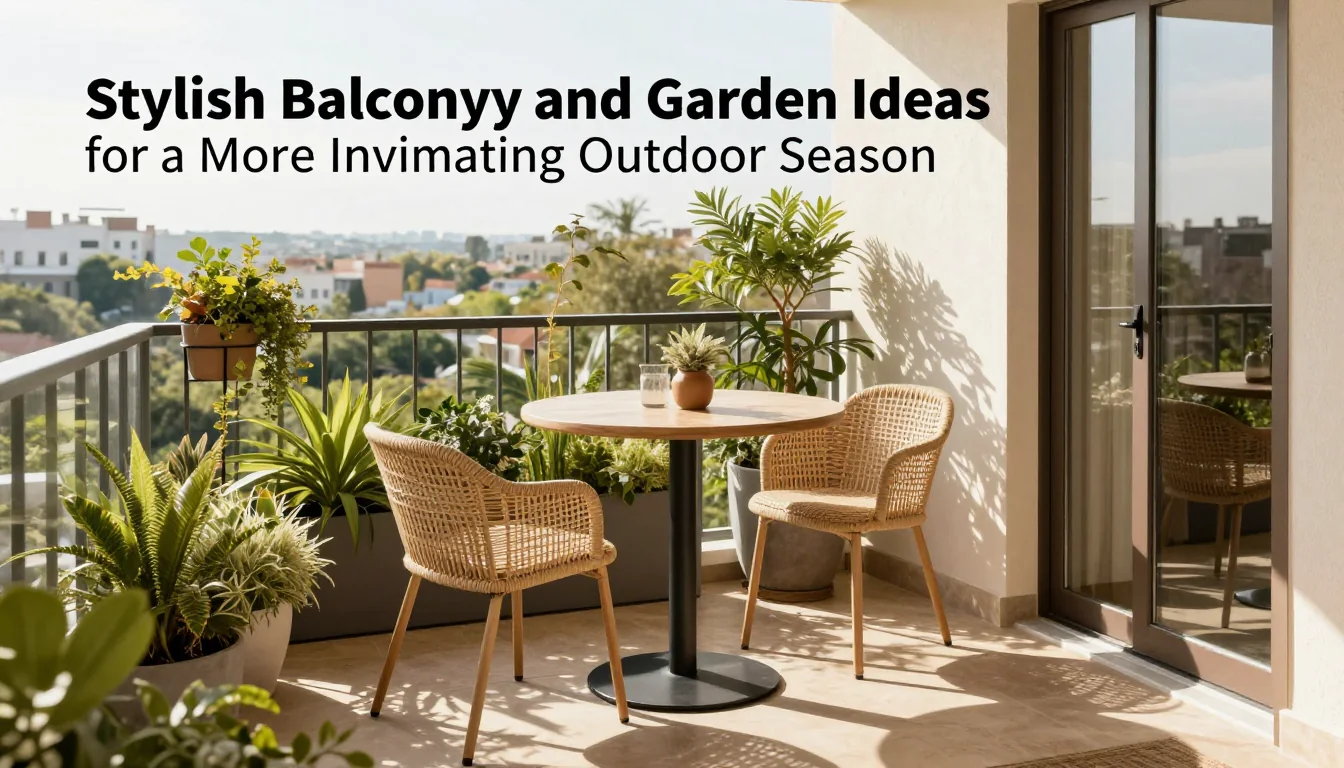
Before selecting a single piece of furniture, assess the space's primary function. Is it an eating area, a quiet reading nook, or a multi-purpose gathering spot? A clear functional mandate dictates layout success. For small balconies (under 8 square meters), prioritize verticality and folding solutions: use wall-mounted shelving for potted herbs, opt for bistro tables with collapsible legs, or incorporate built-in planters that double as low seating. In larger gardens, ensure the flow allows for multiple 'zones'—a distinct dining area separated from a lounging zone by an intervening path or planting bed.
Proportion is critical; never let furniture dominate the available footprint. A common mistake is choosing oversized pieces designed for indoor living. When placing seating, maintain clear pathways of at least 60 cm (24 inches) to allow easy movement and access to surrounding elements like plant pots or railing features. If space is severely constrained, consider modular seating systems that can be rearranged or folded away when not in use. This adaptability maximizes the usable area throughout different times of day.
When deciding on a layout, factor in usage patterns. If you frequently host large groups, ensure your primary gathering spot has enough clearance for people to stand comfortably without bumping into tables. Conversely, if the space is primarily used for solitary relaxation, prioritize deep, comfortable seating over a formal dining setup. Always leave 'breathing room' around focal points—a water feature or a fire pit—to allow the eye and the user to settle into the space.
Selecting Durable Materials: Longevity and Aesthetics
Material choice must balance visual appeal with environmental resilience. For high-exposure areas, natural teak is a classic option due to its oils, but it requires periodic maintenance (oiling every 12–18 months) to prevent silvering. A more low-maintenance alternative is powder-coated aluminum or recycled plastic lumber, which offer modern lines and are highly resistant to rust and rot, respectively. When choosing woven outdoor furniture, look for synthetic wicker made from high-density polyethylene (HDPE); ensure the weave structure is tight to resist UV degradation.
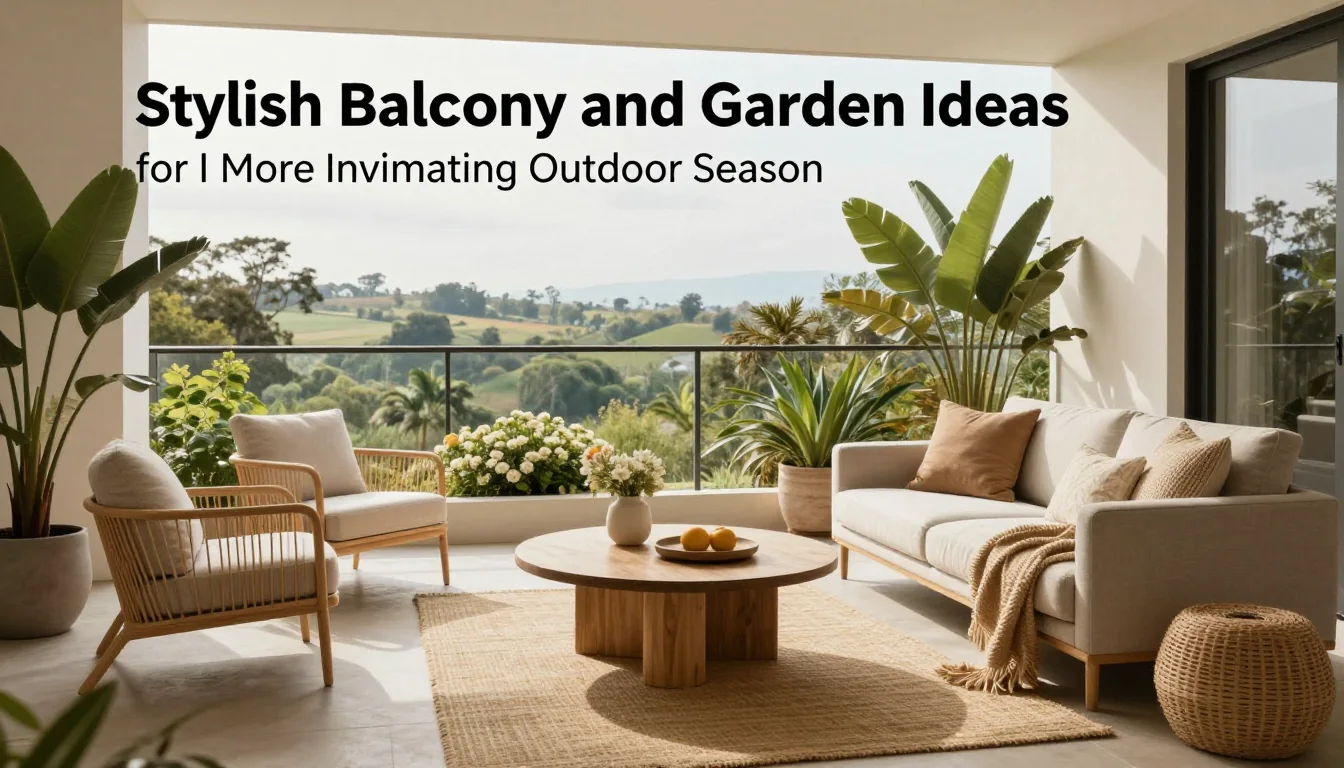
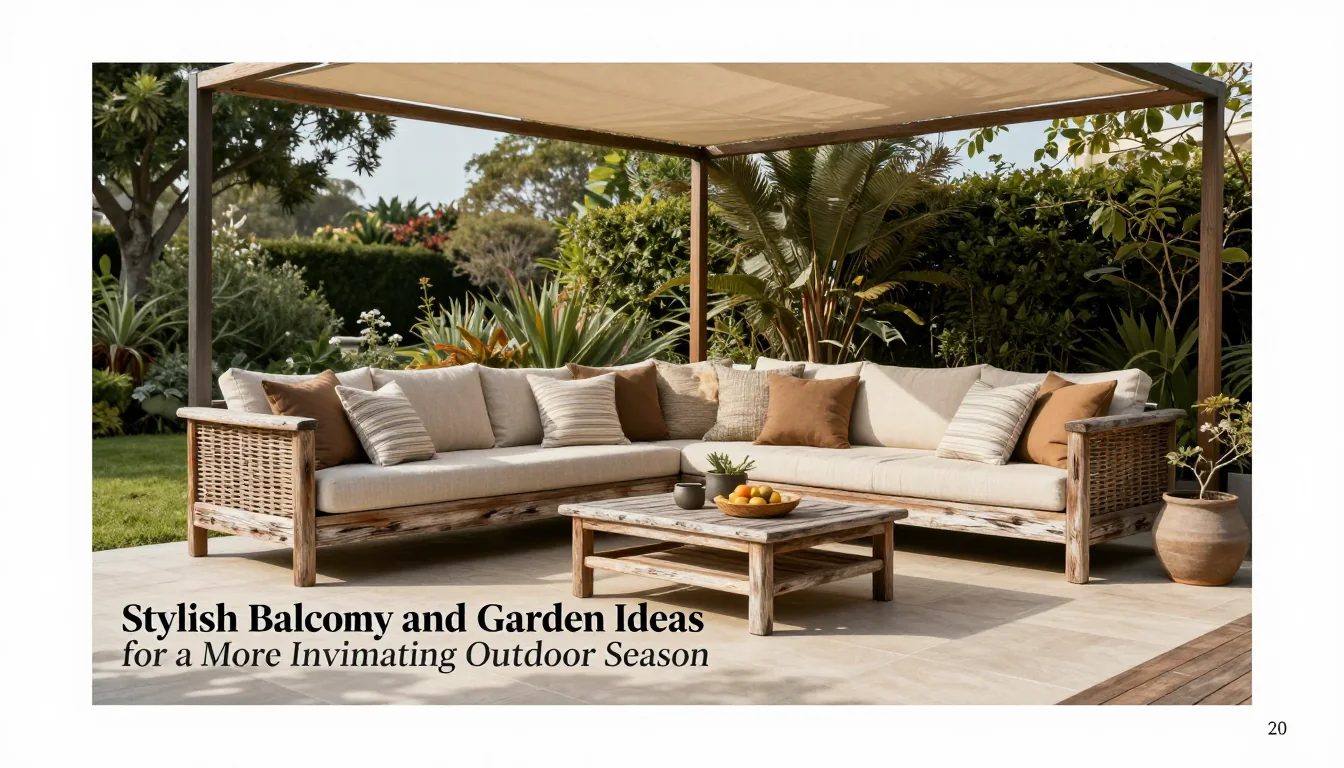
Incorporate texture through varied surfaces rather than numerous patterns. Pair matte ceramic or stone pavers underfoot with soft linen cushions and a brushed metal side table. This layering of finishes adds depth without visual clutter. For wooden accents, if you opt for stained wood, always apply a marine-grade sealant designed specifically for exterior use. Before applying any finish to new wood, perform a small patch test in an inconspicuous area to verify the seal's adhesion and color consistency.
A key trade-off lies between natural beauty and maintenance effort. While untreated stone or native timber offers unparalleled organic character, it demands vigilance against moss growth and temperature fluctuations. For those seeking minimal upkeep, look for composite decking or concrete planters that mimic natural textures. If using outdoor fabric cushions, ensure they are rated for commercial or extreme weather use (e.g., solution-dyed acrylics), as standard indoor fabrics will quickly fade and degrade under prolonged sunlight exposure.
Creating Atmosphere: Light, Comfort, and Maintenance
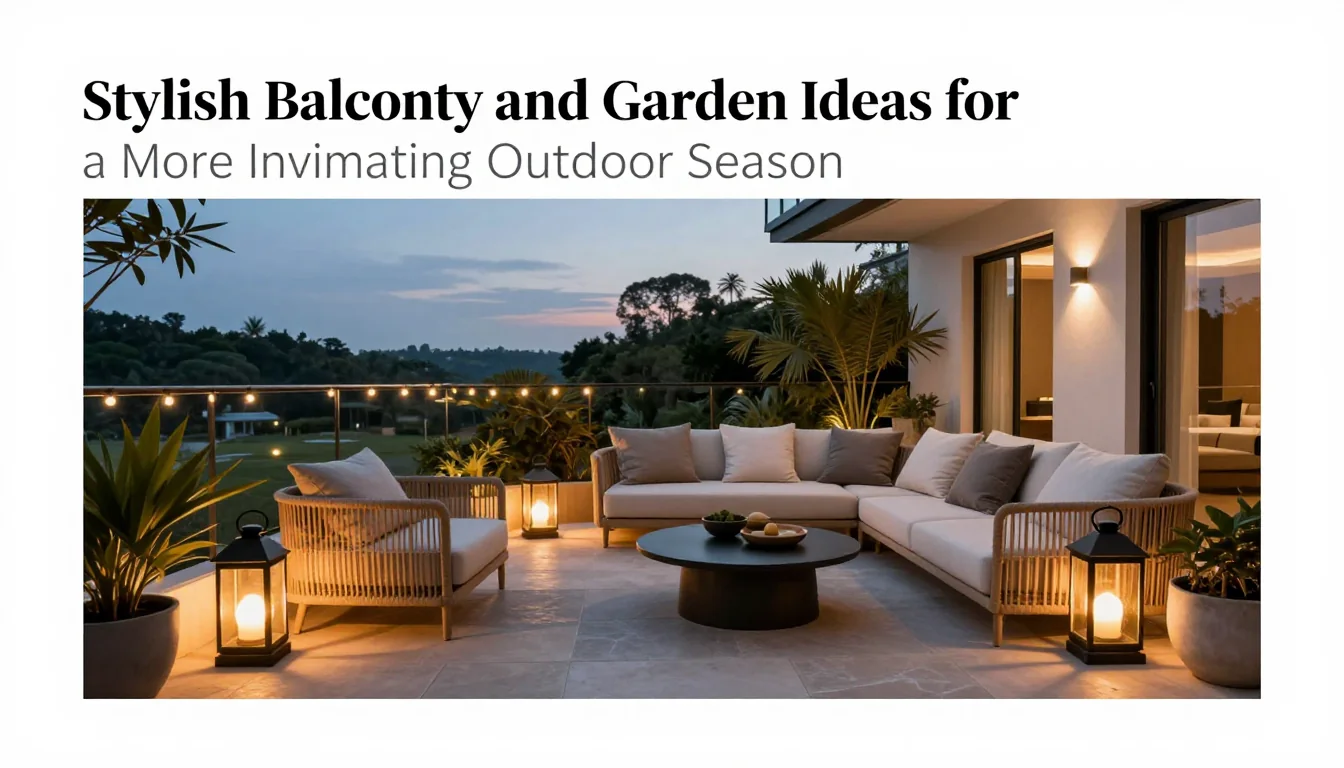
The transition from day to evening requires intentional lighting design. Avoid relying solely on harsh overhead fixtures. Instead, use layered lighting sources: low-level ground uplights to highlight architectural features or mature plants; string lights (bistro bulbs) draped over a seating area for ambient warmth; and small, directional table lamps with weather-resistant bases. Warm white light (2700K–3000K) is crucial for creating an inviting, cozy atmosphere that encourages lingering after sunset.
Comfort extends beyond the cushions. Introduce elements that engage all senses. Soft textiles—outdoor throws in durable acrylics or wool blends—offer immediate tactile comfort on cool evenings. Strategic planting also plays a vital role; choose fragrant herbs (rosemary, lavender) near seating areas to provide olfactory pleasure. If dealing with large garden spaces, consider incorporating water features, which add soothing sound and dynamic visual interest.
Effective maintenance is the secret to long-term usability. Establish a regular routine: wipe down hard surfaces weekly to prevent dust buildup; check furniture joints for signs of movement or stress monthly; and ensure all drainage points in planters are clear before heavy rain. For cleaning wood, use only mild soap solutions designed for exterior timber—never high-pressure washers which can splinter fibers. When cleaning cushions, always refer to the fabric care tag, as improper washing can compromise weather resistance.