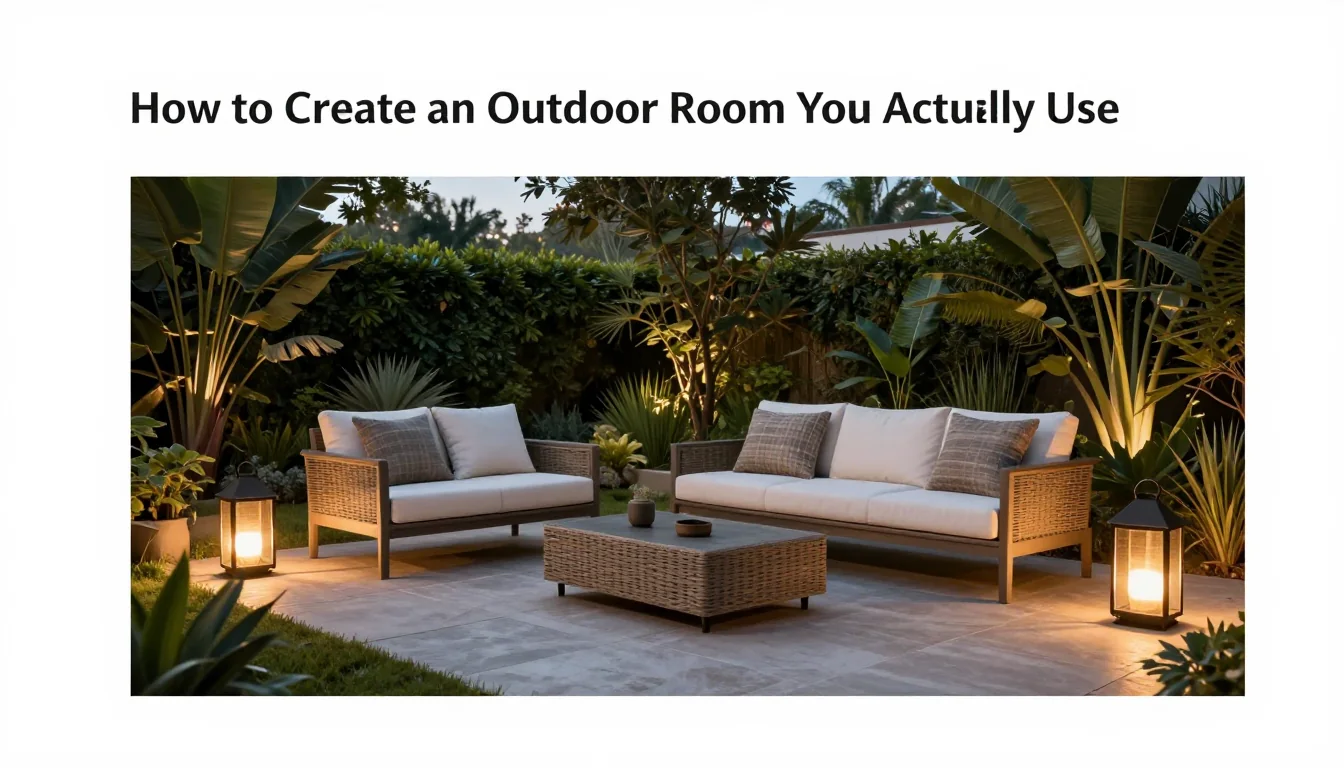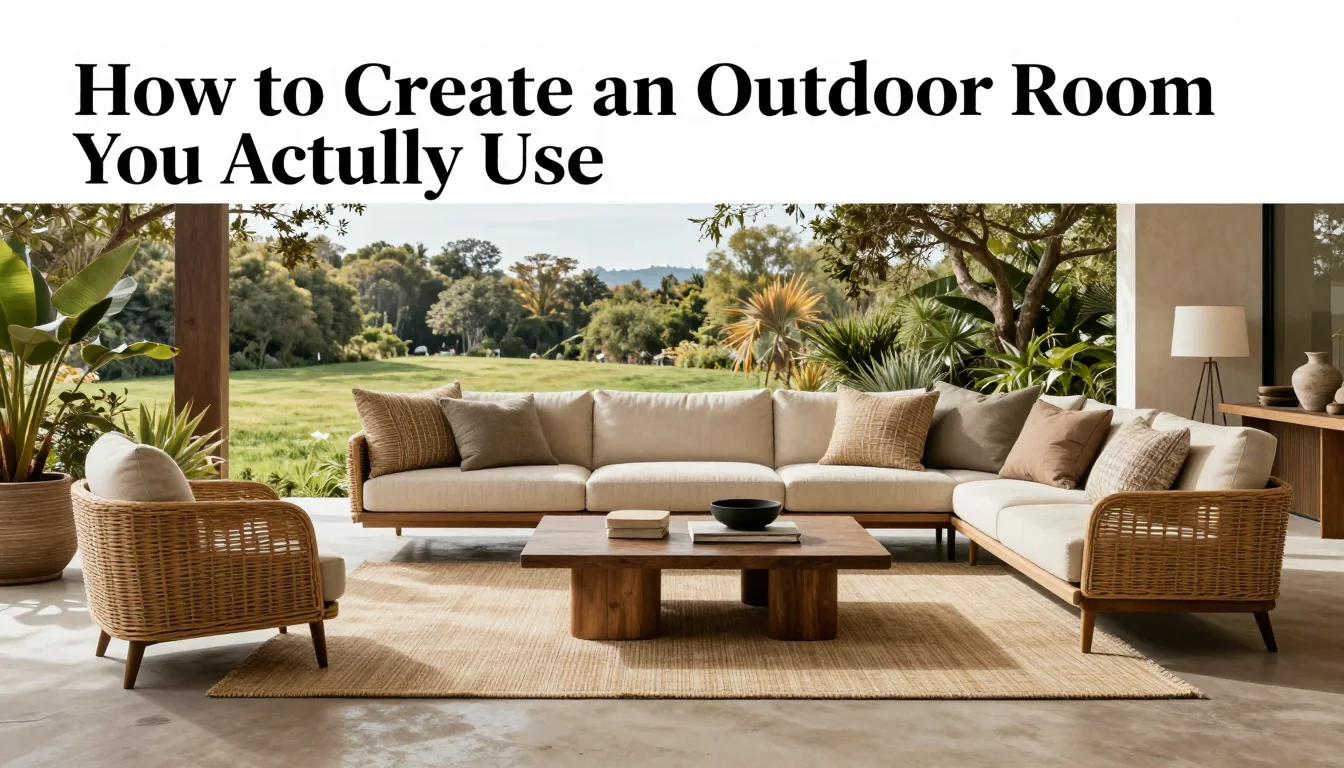
An effective outdoor room is not a static display piece; it is an integrated extension of your home designed for daily use. The goal is to create a setting that supports genuine routine—whether that involves morning coffee, evening conversation, or quiet reading—rather than simply looking perfect in one photograph. Successful design begins by observing how the space will actually be lived in, allowing function and comfort to dictate form.
Prioritizing Flow Over Form: Layout Decisions
The most critical initial decision is defining the room’s single primary purpose. Before selecting any furniture, determine if the space needs to function as a dining area, an intimate conversation lounge, or a solitary retreat. Trying to accommodate multiple functions in one small zone invariably results in clutter and compromised flow. A clear mandate—such as 'outdoor dining for six'—allows you to select pieces whose scale directly serves that need.
When laying out the space, circulation is paramount. Do not allow furniture arrangements to dictate movement; rather, design around it. Maintain a minimum clearance of 90 centimeters (approximately 36 inches) between any two major seating elements or surfaces. This generous pathway ensures that people can move comfortably, open drawers without obstruction, and pause beside a surface without feeling cramped. A simple, uncluttered layout provides the eye with visual rest.
Consider the trade-off between density and ease of use. While stacking chairs might save space, they interrupt the flow needed for comfortable gatherings. If maximizing seating is necessary in a tight area (e.g., 3x4 meters), opt for modular pieces that can be easily reconfigured or stored when not in active use. The common mistake here is choosing low-profile furniture that crowds walkways; prioritize functional depth over superficial compactness.
Selecting Durable Materials and Finishes
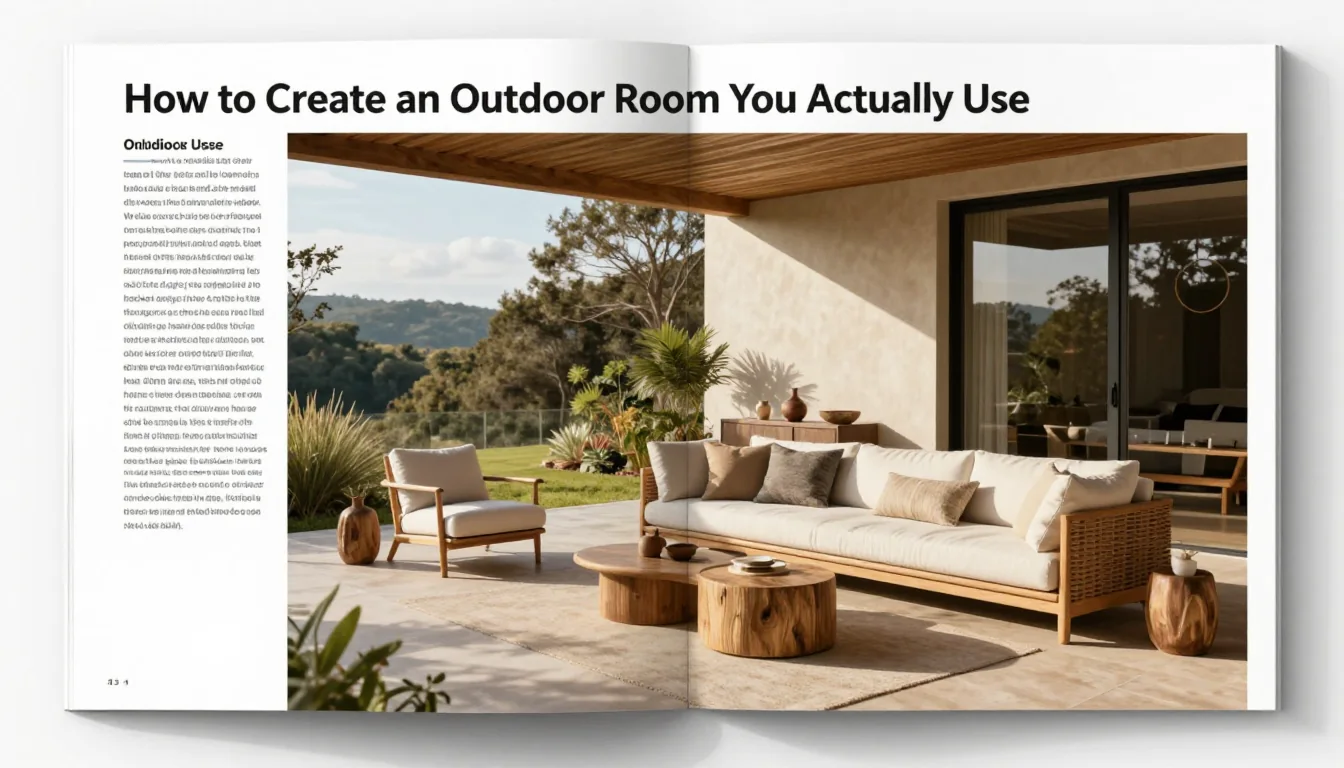
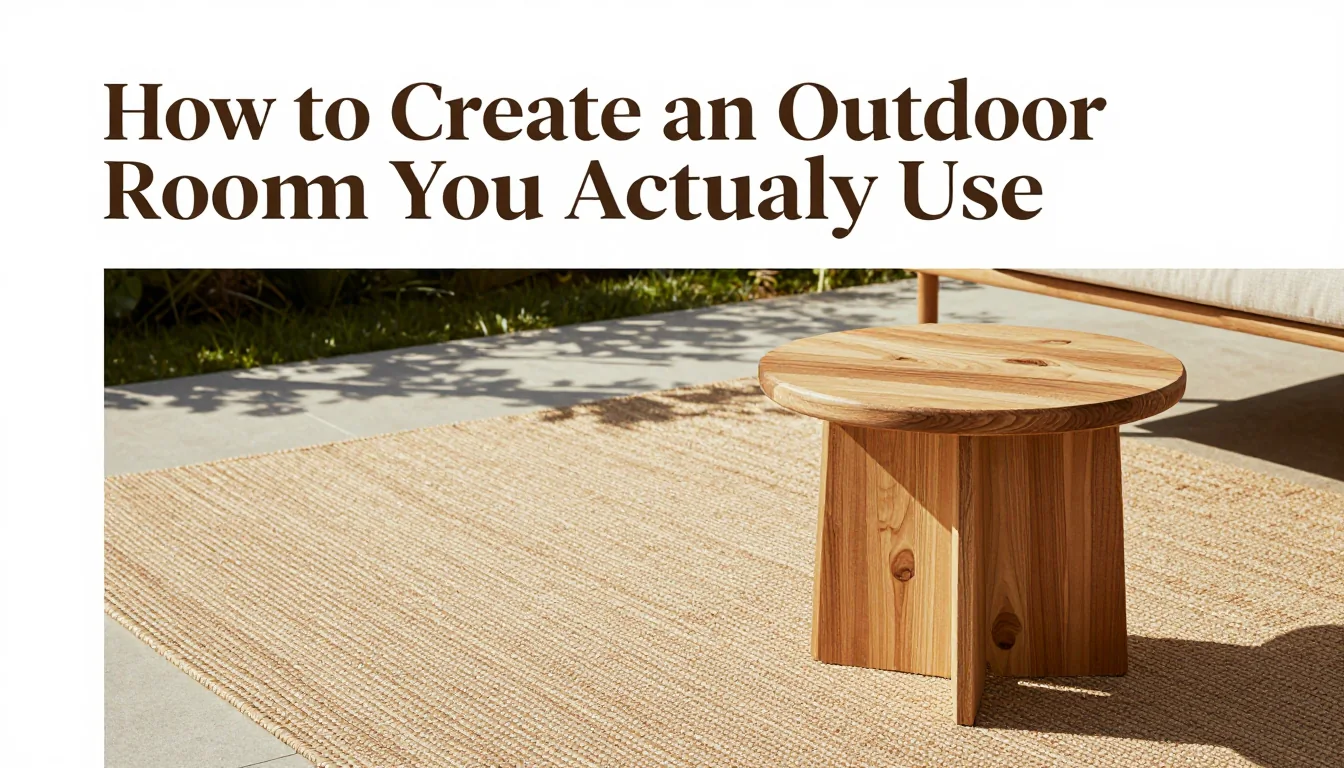
Material selection must be dictated by climate exposure, not just aesthetic preference. For structural elements, consider powder-coated aluminum for its resistance to rust and warping, or robust hardwoods like Ipe or Teak, which naturally resist decay. If choosing untreated wood, understand that weathering is inevitable; plan for this patina rather than attempting to fight it, as aggressive sanding can damage the grain structure.
Introduce texture through restraint. Instead of collecting many disparate finishes, select one or two primary material tones and repeat them across different elements—for instance, pairing matte charcoal ceramic planters with soft linen cushions in a muted grey. This repetition creates visual cohesion and makes the space feel settled, even when actively used. For timber components, test any stains or sealants on an inconspicuous piece first to ensure they adhere correctly to the specific grain.
Cushions and textiles are often the weakest link against outdoor elements. Select fabrics specifically rated for UV resistance and mildew prevention (such as solution-dyed acrylics). When selecting cushion covers, always patch-test any waterproofing spray or fabric treatments on a hidden corner first. The trade-off here is cost versus longevity; while cheap synthetics look good initially, they degrade rapidly under prolonged sun exposure, necessitating frequent replacement.
Layering Light and Optimizing Comfort
To transition the space from a daytime setting to an inviting evening sanctuary, layer your lighting approach. Do not rely on a single overhead fixture. Use task lighting (e.g., a small table lamp next to a chair for reading), ambient lighting (soft string lights draped through foliage or along railings), and accent lighting (uplighting aimed at architectural features). This multi-layered strategy creates depth and warmth.
When installing electrical elements, prioritize safety and ease of maintenance. Utilize low-voltage LED systems, which are less prone to damage from weather fluctuations than higher voltage wiring. Ensure that all light fixtures—including any wall sconces or bollards—are rated for outdoor use (IP44 rating or higher) and installed with proper drainage channels to prevent water ingress into electrical components.
Consider the practicalities of maintenance in your final design decisions. Choose surfaces and furniture frames that are easily wiped down; porous materials, while beautiful, can harbor mildew if not regularly cleaned. For wood elements, a simple wipe-down with mild soap and fresh water is often sufficient for routine upkeep. The best investment here is choosing pieces whose low maintenance profile supports the daily habit of enjoying the space, rather than requiring constant restorative labor.