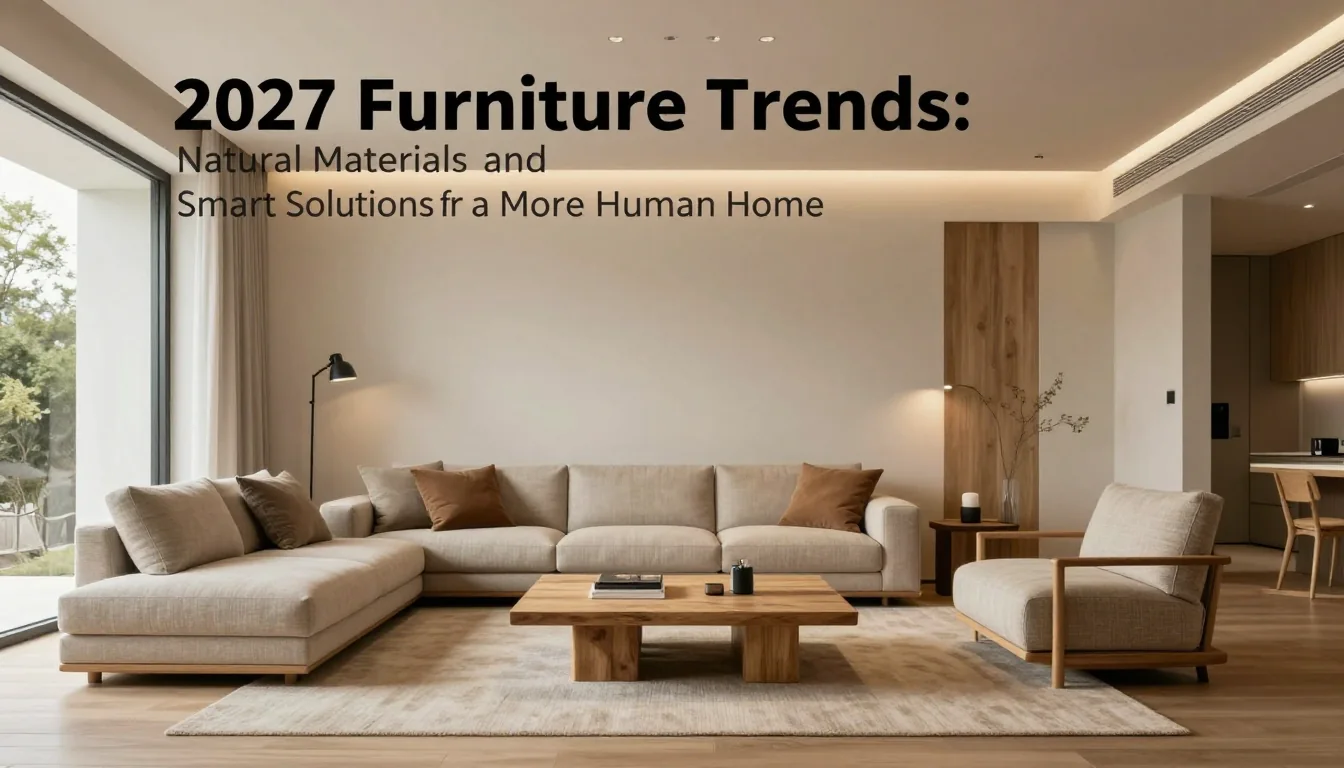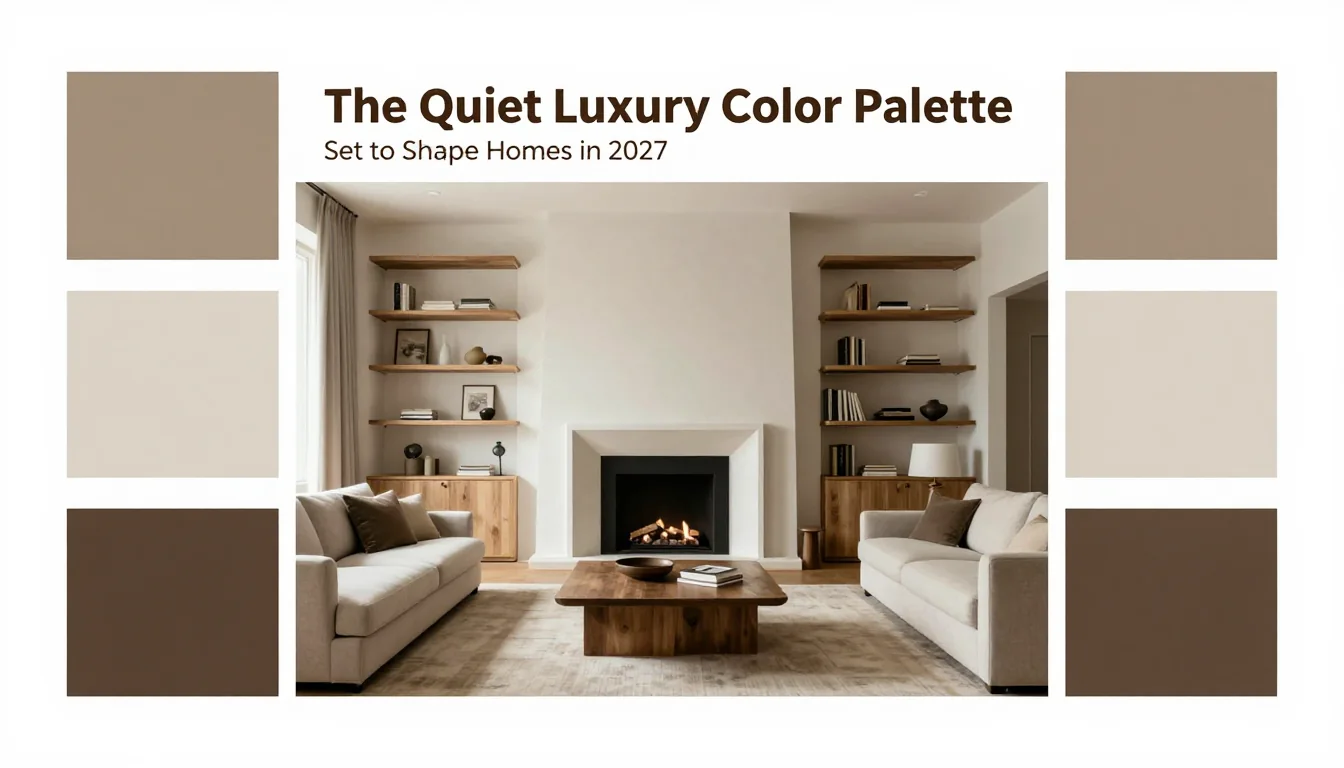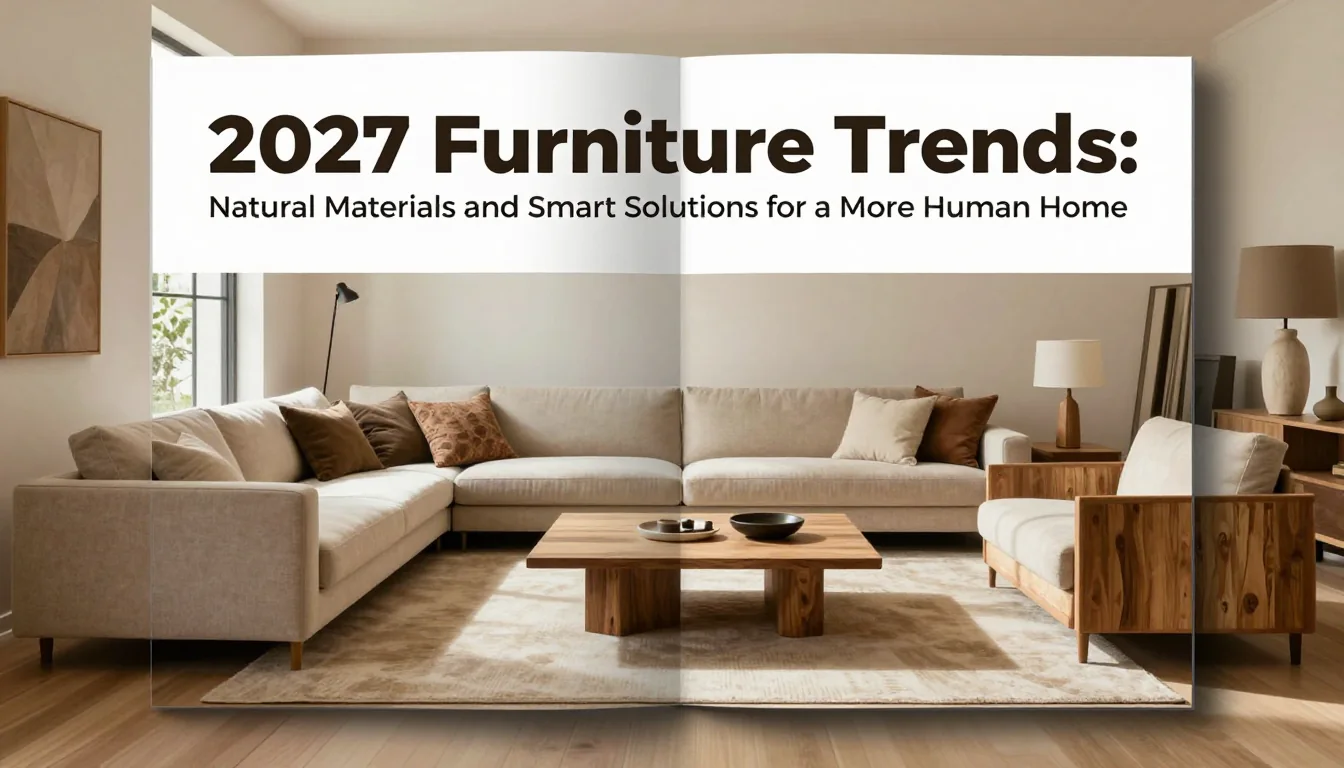
The most enduring interiors are not defined by fleeting trends or excessive ornamentation; they are shaped by function, touch, and quiet permanence. This guide moves past the concept of simply decorating toward the discipline of designing a life within a space. The focus is on selecting elements—from the grain of timber to the placement of a charging port—that support daily routines without demanding constant attention. A truly considered home feels settled and intuitive, allowing materials and form to do the heavy lifting.
The Tactile Palette: Specifying Natural Materials
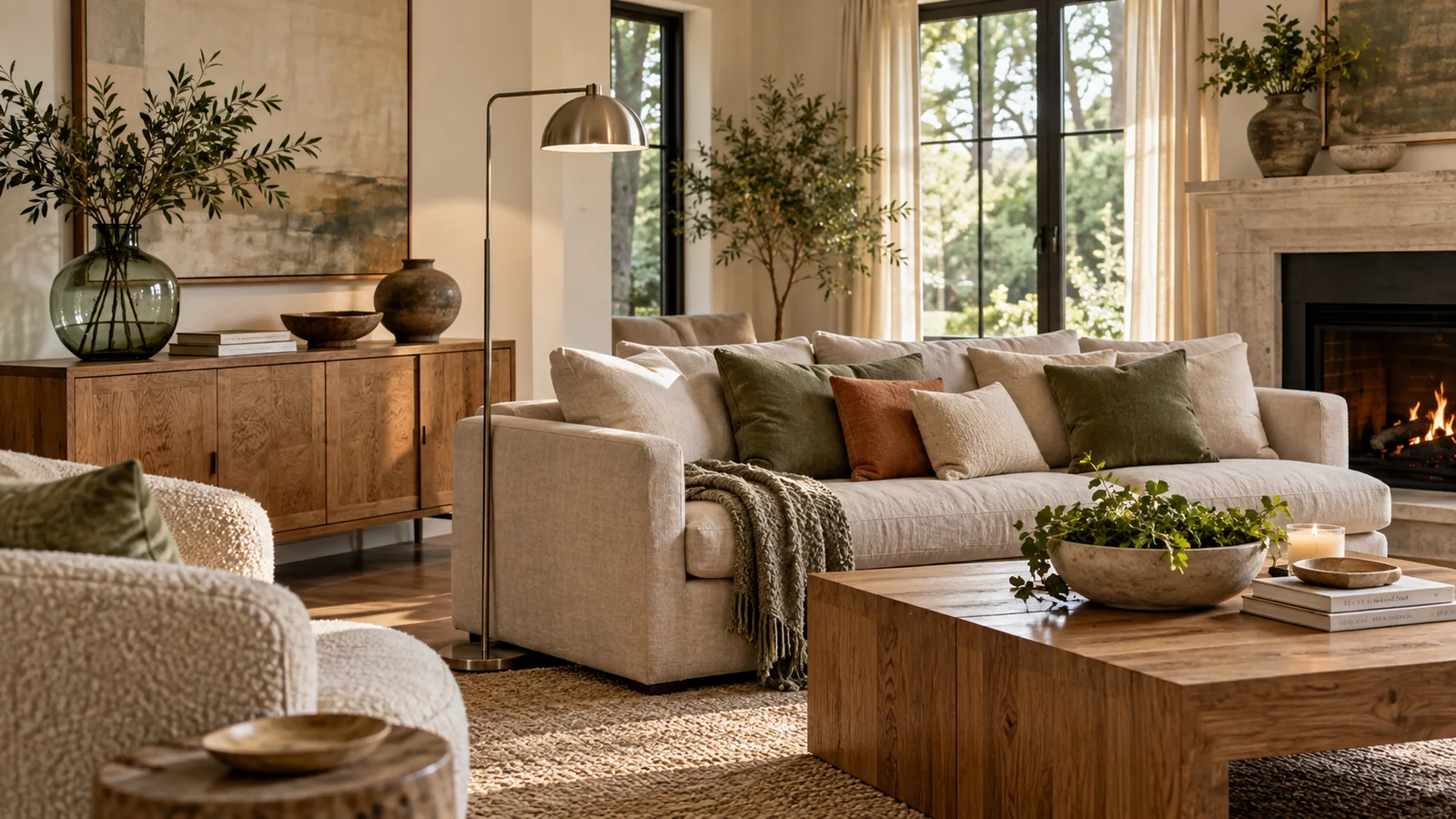
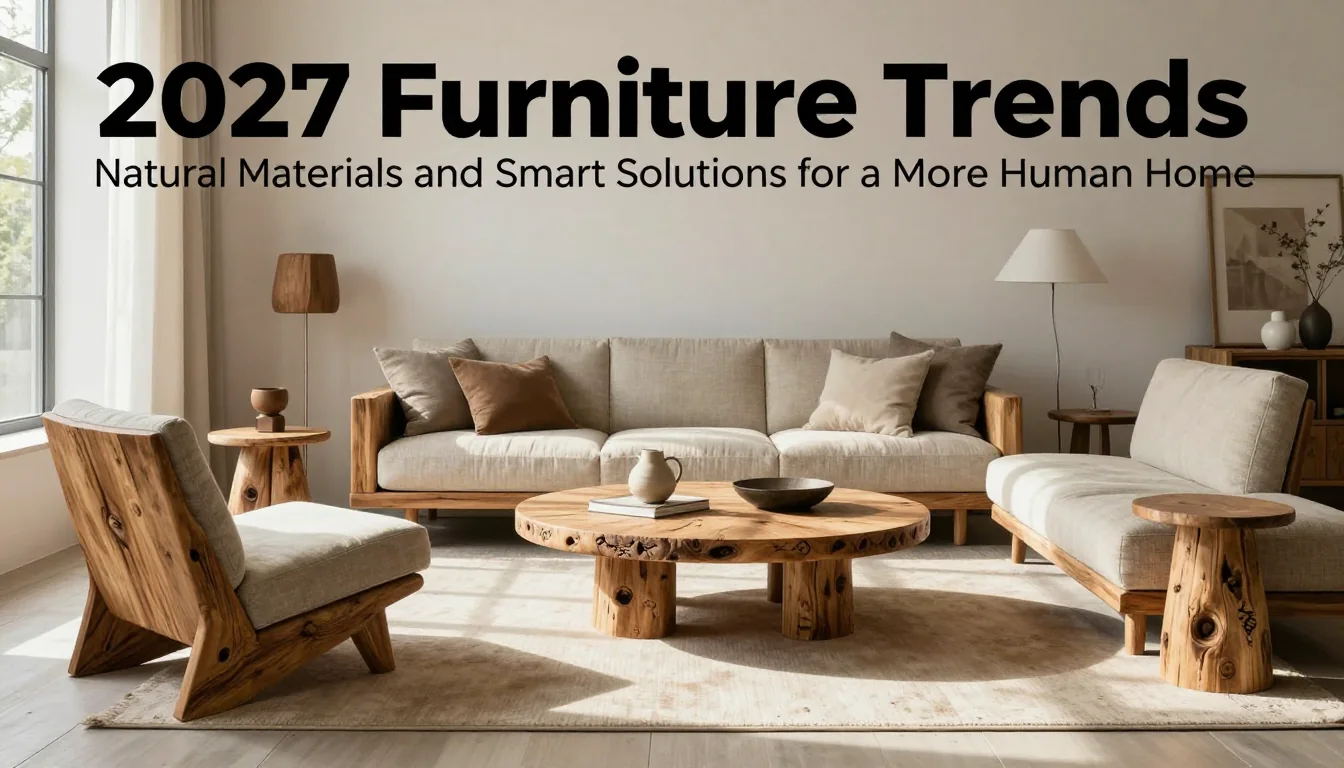
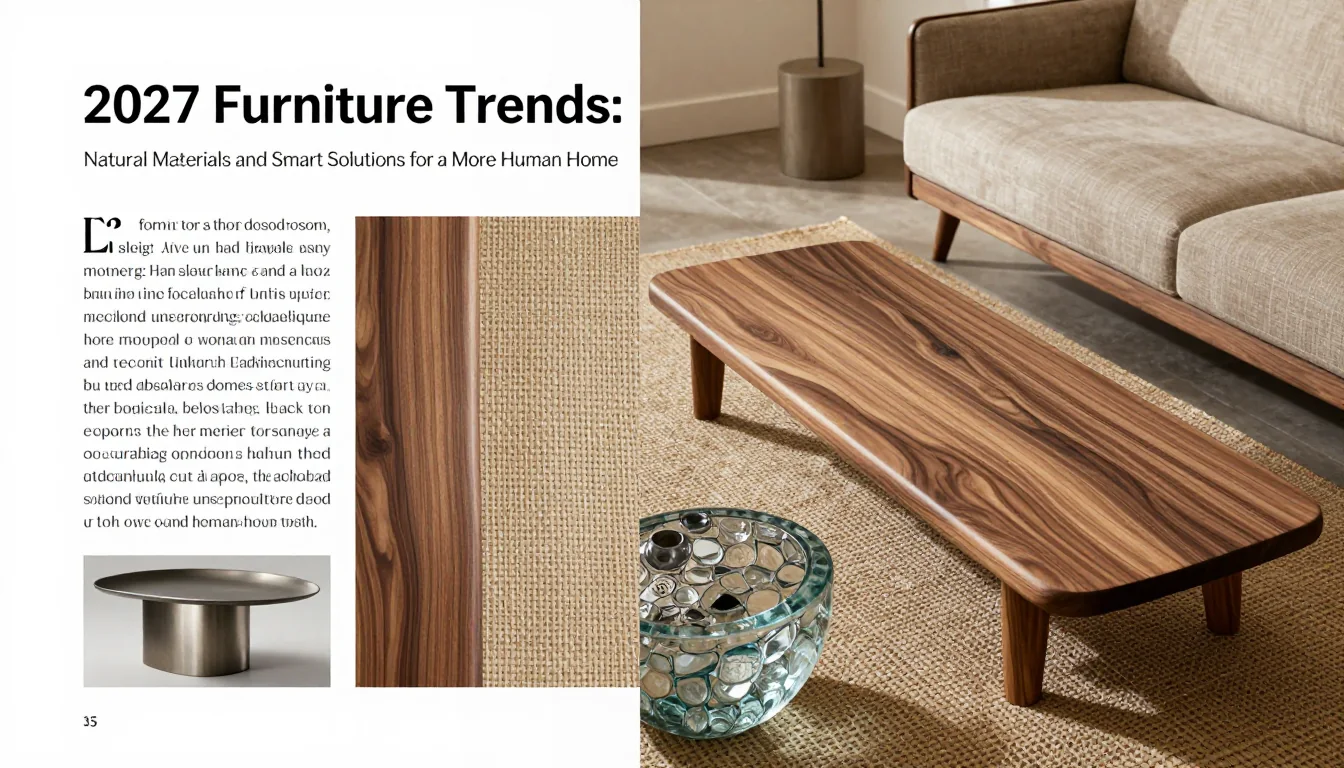
When selecting natural elements, prioritize texture over pattern. Instead of relying on high-gloss finishes that emphasize perfection, opt for materials with visible character—such as heavily grained oak or matte, honed limestone. These surfaces invite touch and age gracefully, acquiring a patina that tells the story of the home. For wood furniture, consider oiled finishes (like Danish oil) rather than lacquers; while they require more careful maintenance, they allow the timber's natural variations to breathe and resist chipping, offering a warmer, less sterile aesthetic.
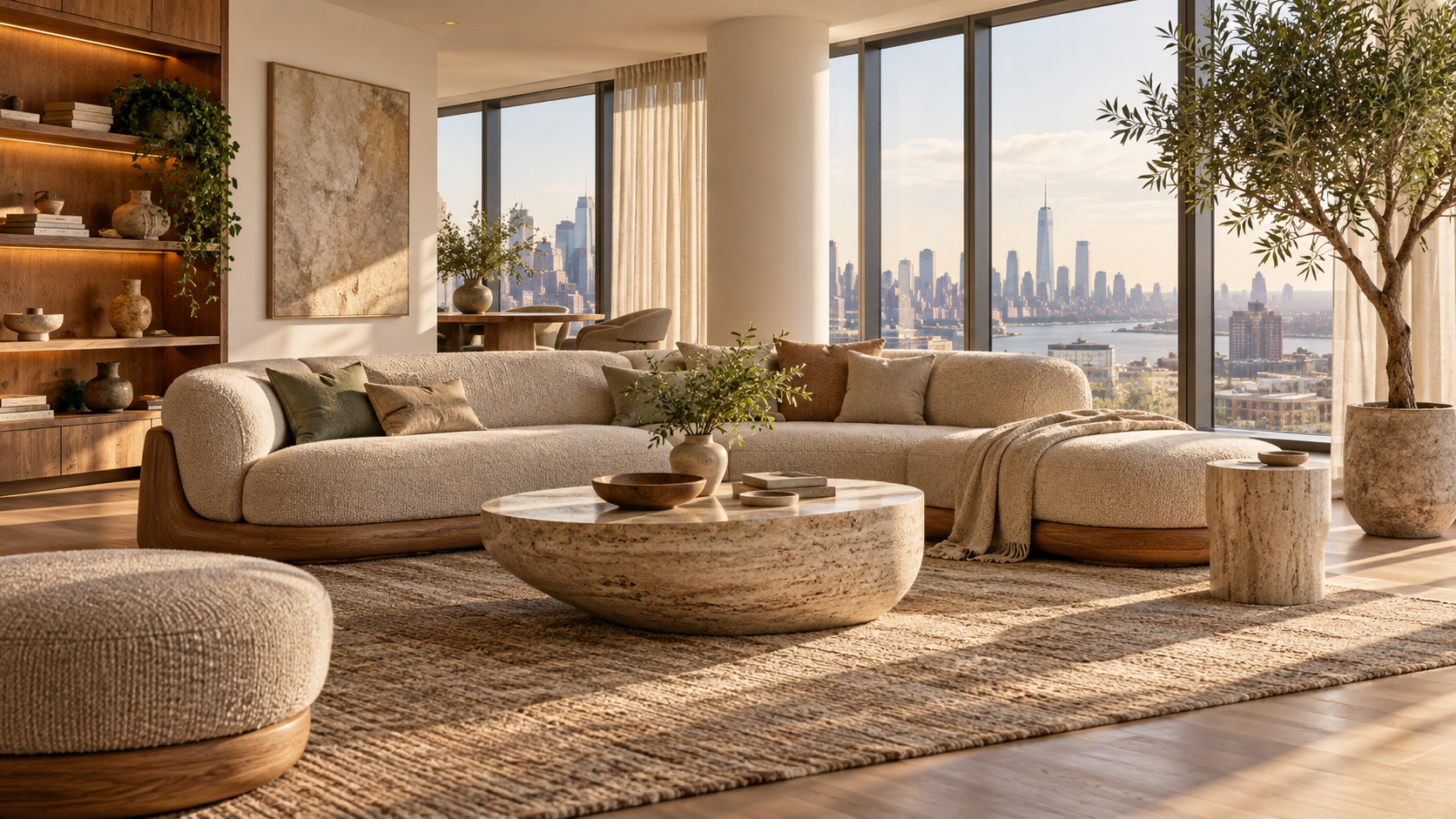
In textile choices, restraint is key. Avoid mixing too many fiber types; instead, repeat one or two core textures across different functional zones. A foundational weave of undyed Belgian linen paired with chunky, low-pile wool rugs can establish immediate visual rhythm. When incorporating stone, look for materials that have been minimally processed—a honed travertine countertop, for example, offers the durability of stone without the cold reflectivity of polished marble. This approach grounds the room and provides a counterpoint to smoother technological elements.
A common mistake is assuming 'natural' automatically means 'low maintenance.' Raw leather sofas, while beautiful, require conditioning; unsealed wood floors demand routine oiling. The trade-off here is between immediate ease and enduring character. If low upkeep is paramount, choose robust materials like dense, sealed composite woods or highly durable matte ceramics for surfaces. Always patch test any finish or sealant on a hidden area before applying it to large furniture pieces.
Invisible Integration: Smart Solutions with Subtlety
Modern technology should serve the environment, not dominate it. The goal is 'invisible intelligence.' This means moving away from visible charging hubs and conspicuous smart speakers toward integrated solutions built directly into the architecture or furniture structure. For example, side tables can feature recessed induction pads or discreetly channeled power strips beneath a drawer lip, eliminating cord clutter entirely. Similarly, ambient lighting should be controllable via subtle sensors rather than requiring constant interaction with apps.
Consider intelligent climate and light management as foundational design choices. Instead of merely turning lights on or off, look for tunable LED systems that adjust color temperature throughout the day to mimic natural daylight cycles (circadian rhythm support). In a home office setting, this can mean transitioning from cool, focused white light during the morning hours to warmer, softer tones in the late afternoon, supporting natural energy levels. This subtle shift enhances comfort without adding visual complexity.
The primary trade-off when integrating smart features is often between perfect automation and necessary simplicity. Over-automating a space can feel cumbersome—a system that requires constant tweaking quickly becomes a source of friction. A practical approach involves choosing simple, robust systems for core functions (like lighting or climate) while allowing manual overrides for everyday comfort. Ensure all integrated technology aligns with the material palette; matte black fixtures blend better into natural wood than highly polished chrome.
The Human Scale: Proportion and Spatial Flow
Design must first answer a functional need, and that need is rooted in human movement. Before selecting decorative items, map out the room's flow to ensure adequate clearance around all fixed furniture. A practical guideline suggests maintaining a minimum of 750mm (30 inches) of clear pathway space between major pieces—enough distance for someone to pause, turn, or comfortably pull out a chair without negotiation. This focus on generous negative space allows the eye to rest and prevents the room from feeling compressed.
Proportion also applies vertically and horizontally. When selecting furniture height, ensure that key surfaces (like console tables or kitchen counters) are appropriate for typical human interaction heights—generally between 900mm and 1050mm. The relationship between large elements must be balanced; a massive, low-slung sofa requires counterbalancing by lighter, taller elements, such as slender floor lamps or vertical shelving units, to maintain visual equilibrium.
A frequent error is allowing accessories to dictate the layout. Instead, let the room’s intended activity—reading, dining, relaxing—dictate the furniture placement. If a space is primarily for quiet reading, ensure that seating has clear sightlines and proximity to ambient light sources, rather than maximizing storage capacity. The trade-off here involves accepting that not every surface needs to be utilized; letting surfaces remain deliberately empty often provides greater visual calm and intentionality.