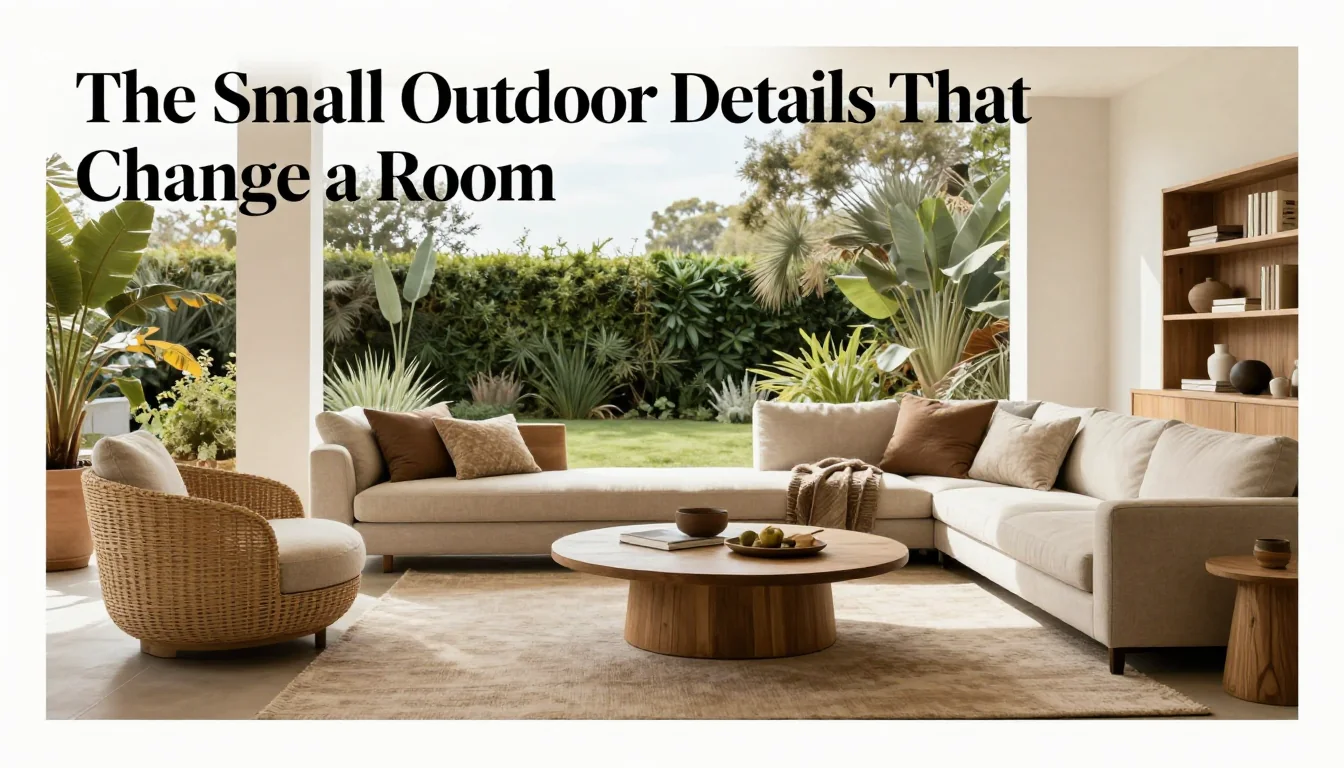
An outdoor area should function as an extension of home—a place where daily life feels comfortable regardless of the season. Rather than aiming for a single, perfect photograph, successful exterior design prioritizes flow, utility, and resilience. The most effective changes come not from grand statements but from making deliberate choices about how furniture interacts with space, what materials withstand weather, and how easily the area can be maintained. This guide moves past aesthetics to provide specific strategies for creating an outdoor environment that supports genuine use.
Establishing Flow: Proportion and Functional Zoning
The fundamental principle of outdoor design is ensuring movement precedes visual appeal. Before selecting a single piece of furniture, map out the primary uses of the space—a dining area, a lounging nook, or a reading corner. Each zone must be sized to accommodate human activity comfortably. For instance, if designing a seating arrangement for four people, ensure there is at least 60cm of clear space between chairs and tables for easy ingress and egress. Avoid crowding; excess furniture immediately turns a relaxing area into an obstacle course.
Proportion dictates the success of the layout. A large sectional placed against a small patio wall will feel disproportionate and cumbersome, regardless of its design quality. When selecting pieces, consider their footprint relative to the overall dimensions of the space. For deeper lounging areas, ensure that pathways leading around them maintain a minimum clearance of 90cm. This allowance permits two people to pass side-by-side or allows someone to pull out a chair without bumping into adjacent elements.
A common mistake is designing for maximal seating capacity rather than optimal comfort. If the space feels too constrained, even beautiful materials will fail to create a sense of ease. Instead of fitting every possible piece, identify the single most important routine—whether it’s morning coffee or evening dining—and size the furniture specifically to make that activity effortless and inviting. This strategic reduction in elements is key to creating an open, usable atmosphere.
Materiality: Choosing Durable Textures for Exterior Use
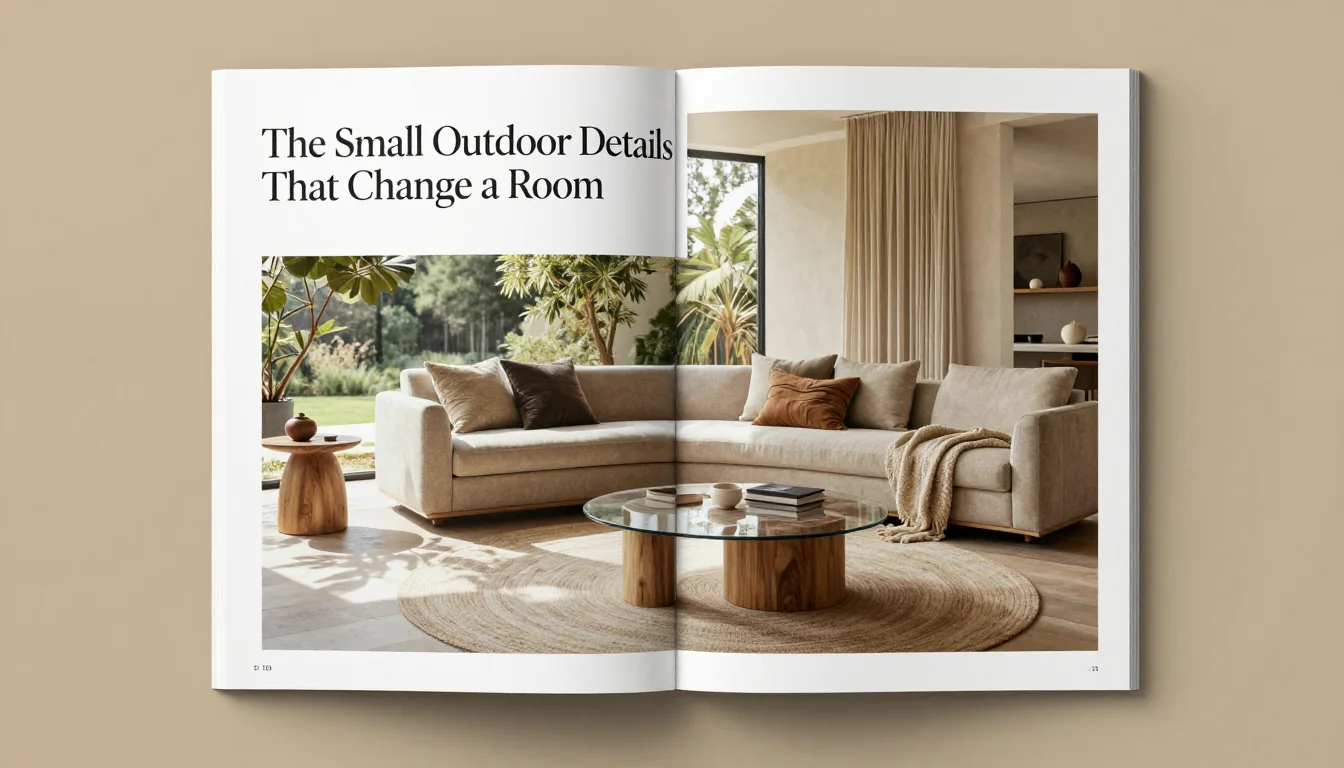
The choice of material dictates the longevity and feel of your outdoor space. For structural pieces like tables and lounge chairs, invest in naturally resistant woods such as Ipe or Teak, which possess inherent oils that repel moisture and resist rot better than softwoods. If durability is paramount and a natural wood aesthetic is not required, consider powder-coated aluminum or high-density polyethylene (HDPE) wicker; these materials offer consistent lines and minimal maintenance but may lack the warmth of timber.
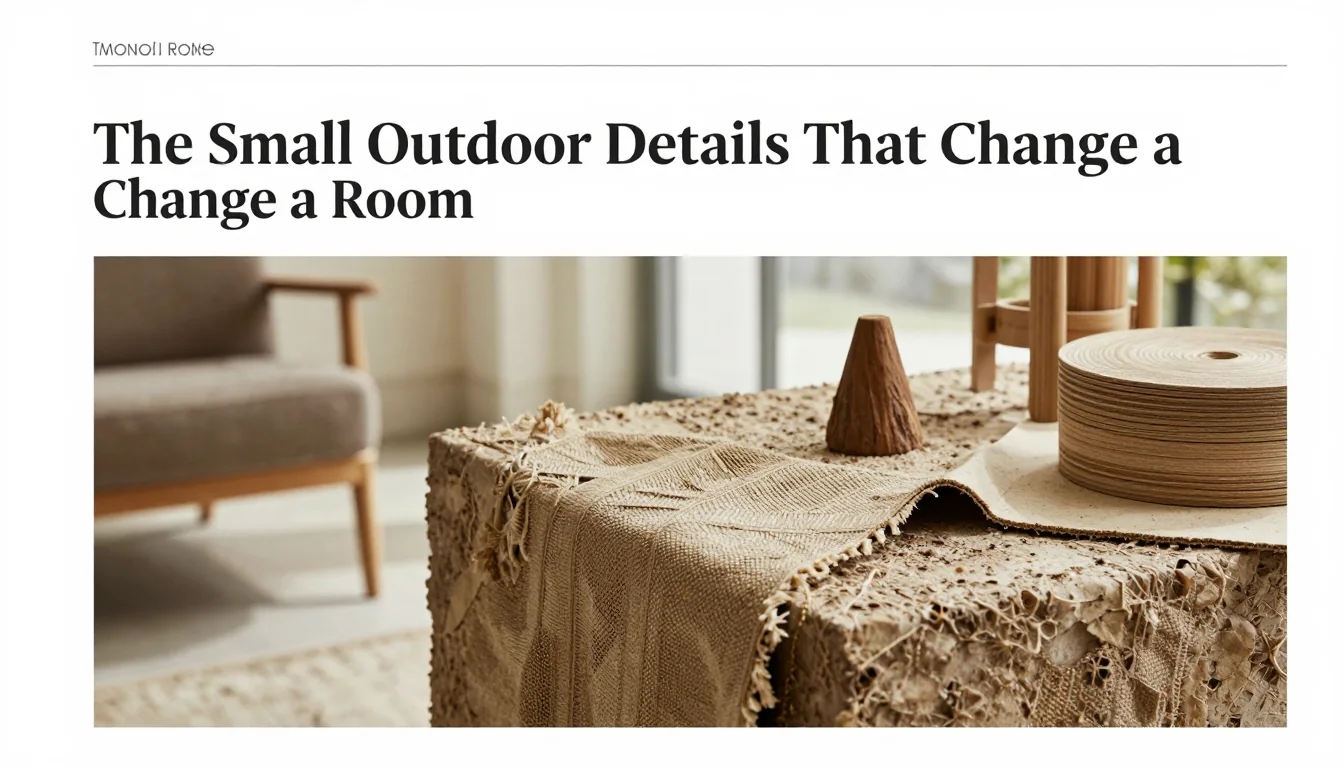
Texture should be introduced with careful restraint to maintain visual cohesion. Instead of mixing numerous textures—like woven rattan, slate tiles, brushed steel, and linen cushions—select one or two primary tactile finishes and repeat them throughout the space. For example, pairing a smooth matte ceramic planter with textured outdoor-grade linen cushions creates rhythm without chaos. The repetition anchors the design, making the area feel settled even as conditions change.
Trade-offs are inherent in exterior material selection. While highly durable synthetic wicker is low maintenance and weather-resistant, it can sometimes look less organic than natural woven fibres. Conversely, solid stone pavers offer exceptional permanence but demand precise installation and require careful management of drainage to prevent pooling or frost damage. Always factor the local climate—high humidity requires materials that resist mildew, while intense sun demands UV stability in textiles and finishes.
Practical Details: Maintenance, Light, and Climate Resilience
Attention to detail extends into maintenance. Select cushions and fabrics specifically rated for outdoor exposure (e.g., Sunbrella or equivalent solution-dyed acrylics), as standard textiles will fade and degrade rapidly under UV light. For wooden furniture that requires periodic upkeep, always patch test any sealant or oil on a hidden area first to check for discoloration. Use only products formulated for exterior use; never mix chemicals.
When dealing with wood, regular cleaning is more important than aggressive treatment. A gentle wash with mild soap and water, followed by drying, is sufficient for routine care. If deep nourishment is needed, apply an appropriate marine-grade or teak oil annually during the dry season. Allow the wood to cure fully before reassembly; rush this process and you risk cracking or warping.
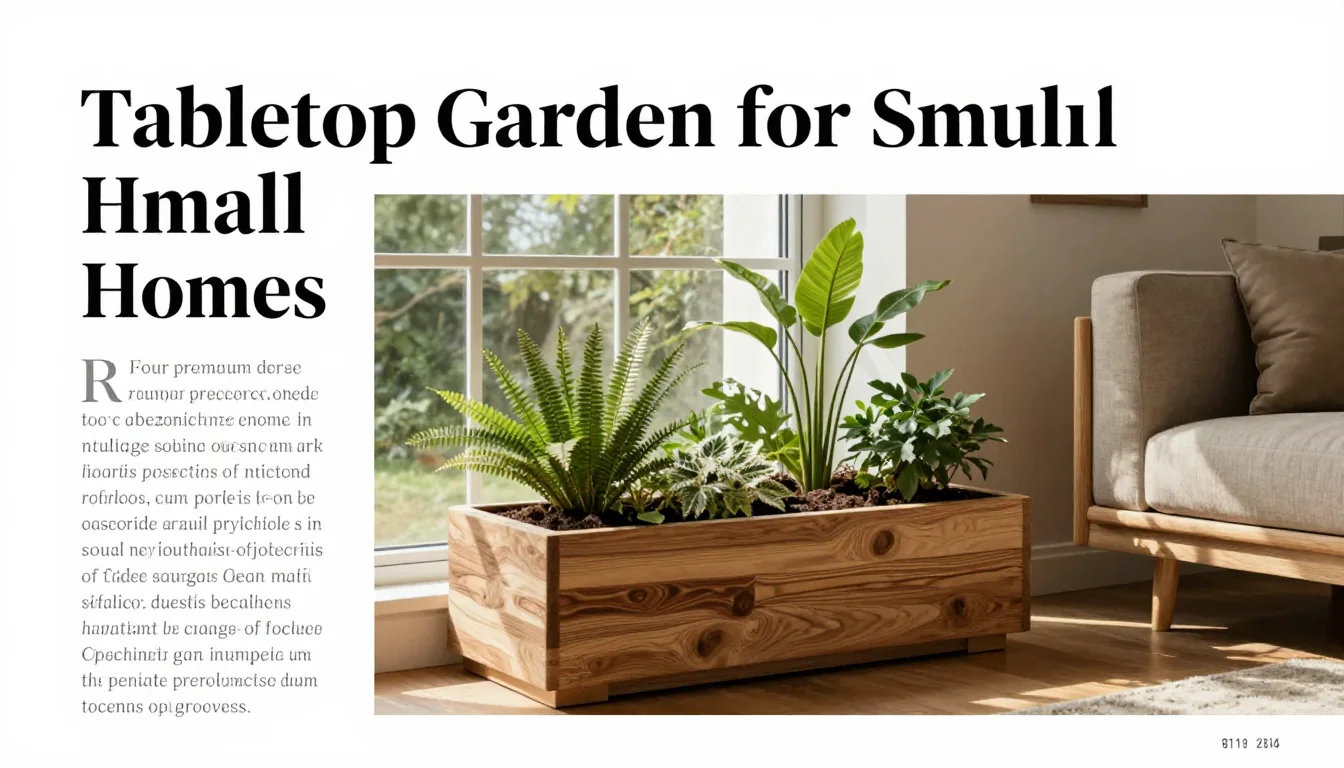
Finally, use light and greenery to soften hard lines and extend the usability of the space into evening hours. Install low-voltage path lighting that uplights key architectural features or spotlights planters. A simple, robust lantern or a string of solar lights can transform an area without requiring complex wiring. Incorporate large, hardy plants—such as structural grasses or ferns—in matte ceramic containers to introduce natural movement and shade, turning a functional patio into a living retreat.