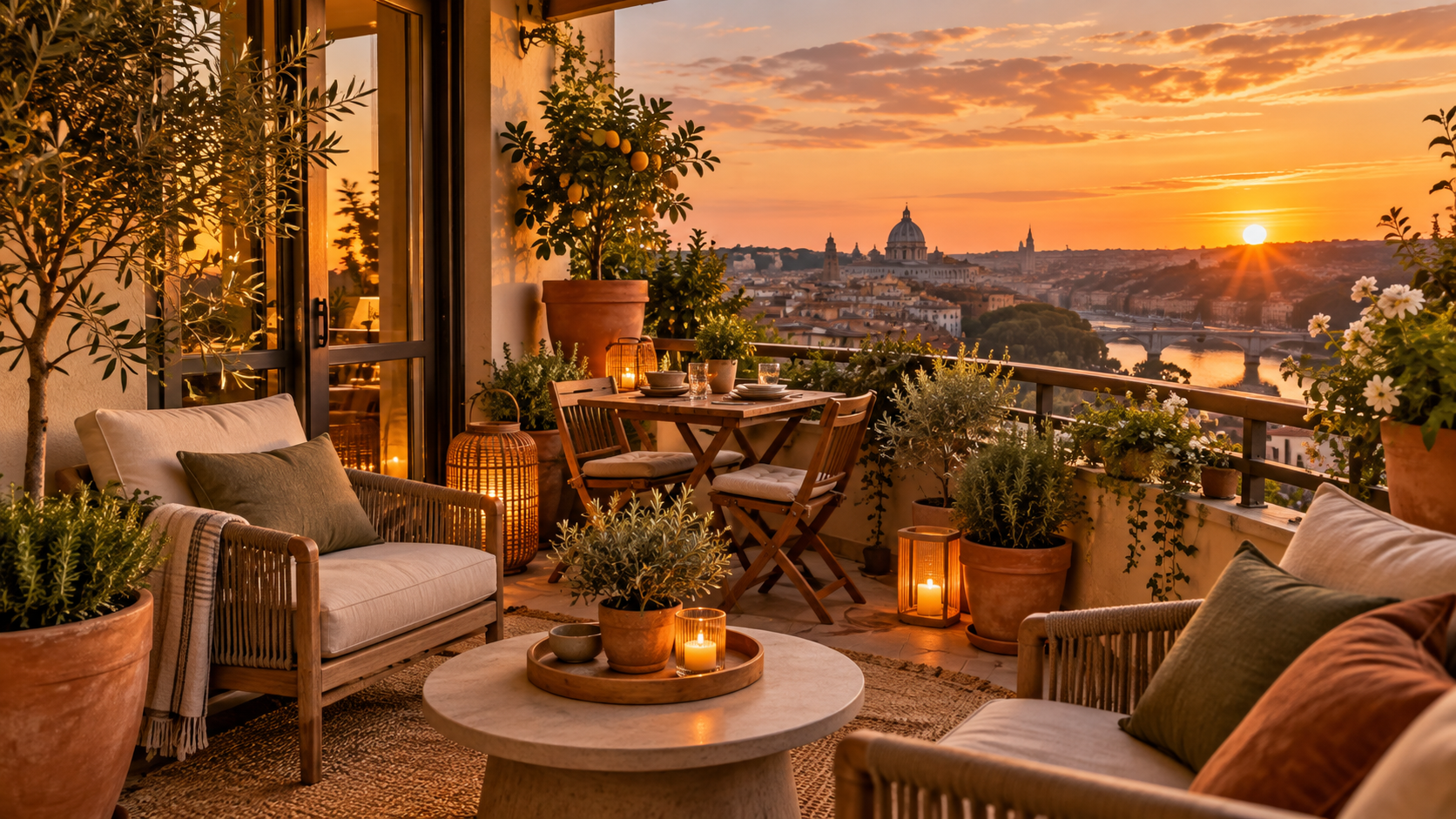
Modern living demands that our homes extend beyond four walls. The contemporary approach to outdoor spaces views them not as mere utilitarian patios, but as sophisticated extensions of the interior—functional, beautiful sanctuaries capable of providing comfort regardless of weather. Achieving this seamless transition requires abandoning casual improvisation in favor of meticulous design principles borrowed directly from high-end residential interiors. This guide provides actionable strategies for transforming your yard or balcony into a durable, elegant living space that functions beautifully across all seasons.
Establishing the Foundation: Hardscaping and Overhead Structure
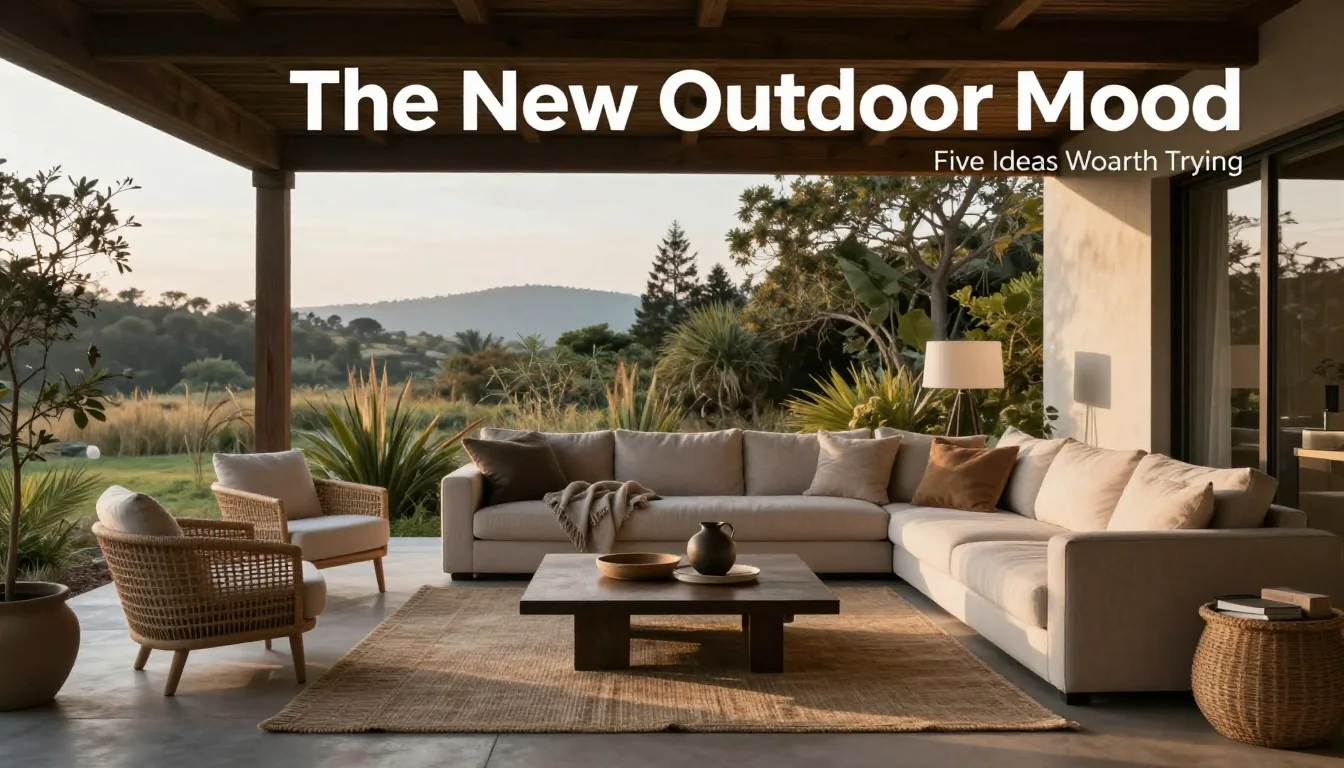
The base of any successful outdoor room is its hardscape. Flooring must be robust yet aesthetically aligned with your indoor palette. Large-format porcelain tiles are an excellent choice, as they mimic natural stone while offering superior resistance to moisture and temperature fluctuations—a critical factor for longevity. If opting for wood alternatives, composite decking is preferable; ensure the material features a consistent, non-porous surface that allows for proper drainage and resists warping. When selecting finishes, aim for neutral tones or colors pulled directly from your indoor living room to create an immediate visual flow.
Overhead cover provides necessary definition and protection without sacrificing the feeling of openness. A fixed pergola is often too heavy; instead, consider adjustable louvered pergolas or integrated motorized awnings. These systems grant dynamic control over light exposure—allowing you to shift from bright midday sun to dappled twilight instantly. For a typical outdoor dining zone measuring 12x14 feet, an overhead structure should span at least the longest dimension of the area to ensure comprehensive coverage and visual impact.
To complete the structural enclosure, consider vertical elements that define the space's boundaries. Privacy screens made from slatted wood or woven metal can create a sense of intimacy without completely blocking light. Alternatively, implementing integrated vertical gardening systems not only enhances aesthetics but also helps moderate localized temperatures. These structured additions transform an open yard into a deliberate, curated 'room,' giving it architectural weight and purpose.
Curating Comfort: Furniture Selection and Durable Textiles
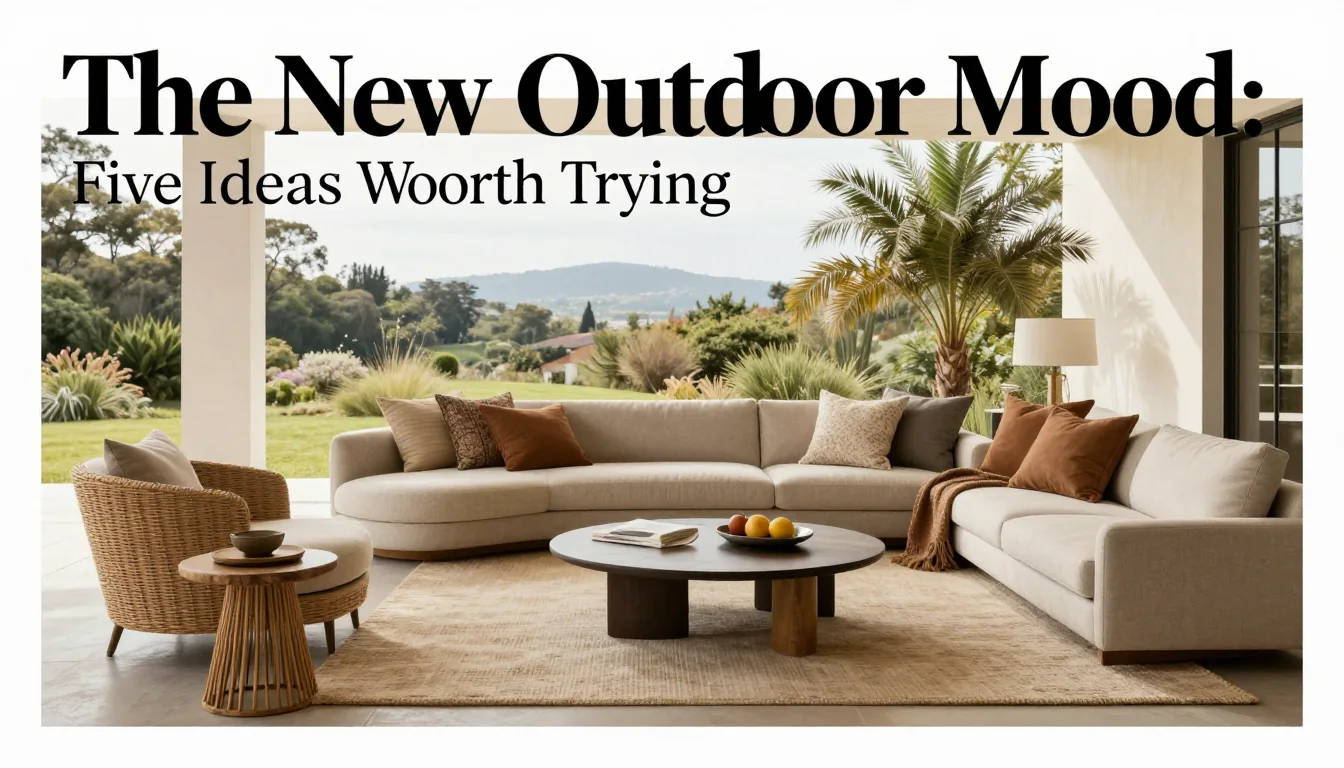
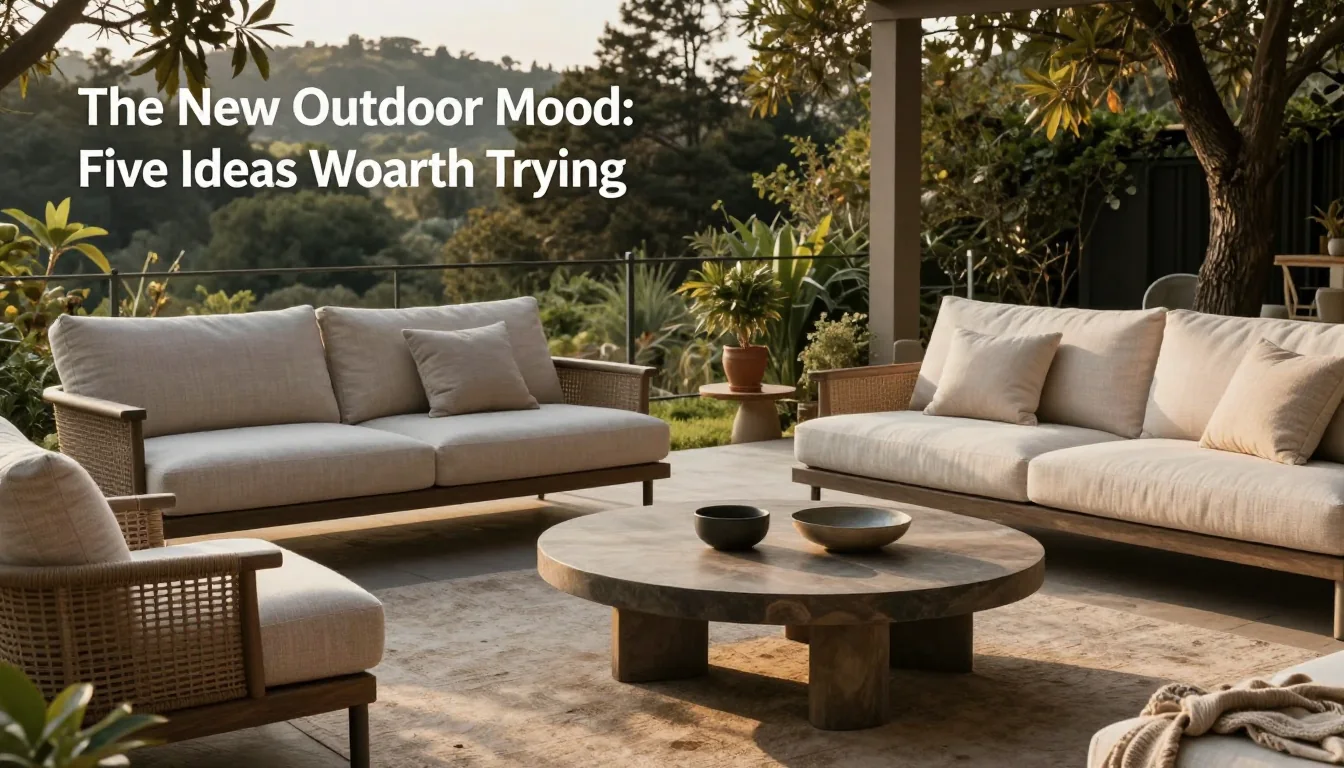
Comfort in an exterior setting is achieved through thoughtful layering, not just static furniture. When selecting pieces, prioritize modularity over singular, fixed sets. Modular groupings allow you to reconfigure the space—shifting from a large gathering area for six people to two intimate conversation nooks—depending on the occasion. Materials like powder-coated aluminum or high-grade teak offer excellent durability and sleek profiles that complement modern interior lines.
The textiles are where luxury meets resilience. Invest exclusively in weatherproof upholstery crafted from performance fabrics such as Sunbrella or solution-dyed acrylics. These materials maintain rich color saturation and resist fading even under intense UV exposure. Crucially, always patch test any chosen fabric before a full purchase to ensure it holds up to your specific climate and sun intensity. For seasonal versatility, layer durable outdoor throws in heavy knits over seating areas during cooler evenings; these accessories inject immediate warmth and texture.
To manage environmental comfort beyond textiles, strategic heating elements are vital. Instead of relying on large, intrusive heaters, consider low-profile radiant heat panels positioned discreetly near seating zones, or integrate a contained fire bowl into the center of a lounge area. The key design decision here is placement: ensure any heating source maintains a safe distance from combustible fabrics and does not become an aesthetic focal point that overwhelms the overall design.
Mastering Atmosphere: Lighting, Flow, and Integration
Lighting is the single most powerful tool for defining atmosphere in an outdoor space. Move beyond simple string lights; a successful al fresco sanctuary employs layered lighting—ambient, task, and accent. Install dimmable pendant lighting over dining tables for focused task illumination. Use low-profile LED uplights tucked into planters or along retaining walls to highlight architectural features and create dramatic shadows. This layering allows you to control the mood, transitioning from bright functionality during dinner service to a soft, intimate glow after dusk.
The ultimate goal is seamless integration with your interior design philosophy. To achieve this flow, maintain consistency in material textures and color palettes between indoor and outdoor pieces. For example, if your indoor accents feature matte black metals, select powder-coated aluminum furniture in the same finish outside. If your flooring incorporates slate-like tones indoors, mirror that texture or hue on your patio pavers. This subtle repetition signals to the eye that the space is a unified extension of the home.
A common mistake is underestimating maintenance requirements and prioritizing initial cost savings over long-term material integrity. Choosing materials that are aesthetically pleasing but not functionally durable—such as untreated, soft woods in high humidity or non-commercial grade fabrics—will lead to premature decay. Always factor in proper drainage planning for the hardscape, ensuring water flows away from structural bases, thus protecting both your investment and the overall elegance of the sanctuary.
Practical Planning Notes
Create one route from door to seating, leave space for chair pull-back, and plan shade before accessories.
Material Perspective
Powder-coated aluminum is light and low-maintenance; teak weathers gracefully; untreated steel needs weather protection.
Before You Commit
Confirm drainage, wind exposure, winter storage, and washable textiles for the specific outdoor zone.
For related, room-specific ideas, continue with the guides in this category or return to the Furnlyra home page.