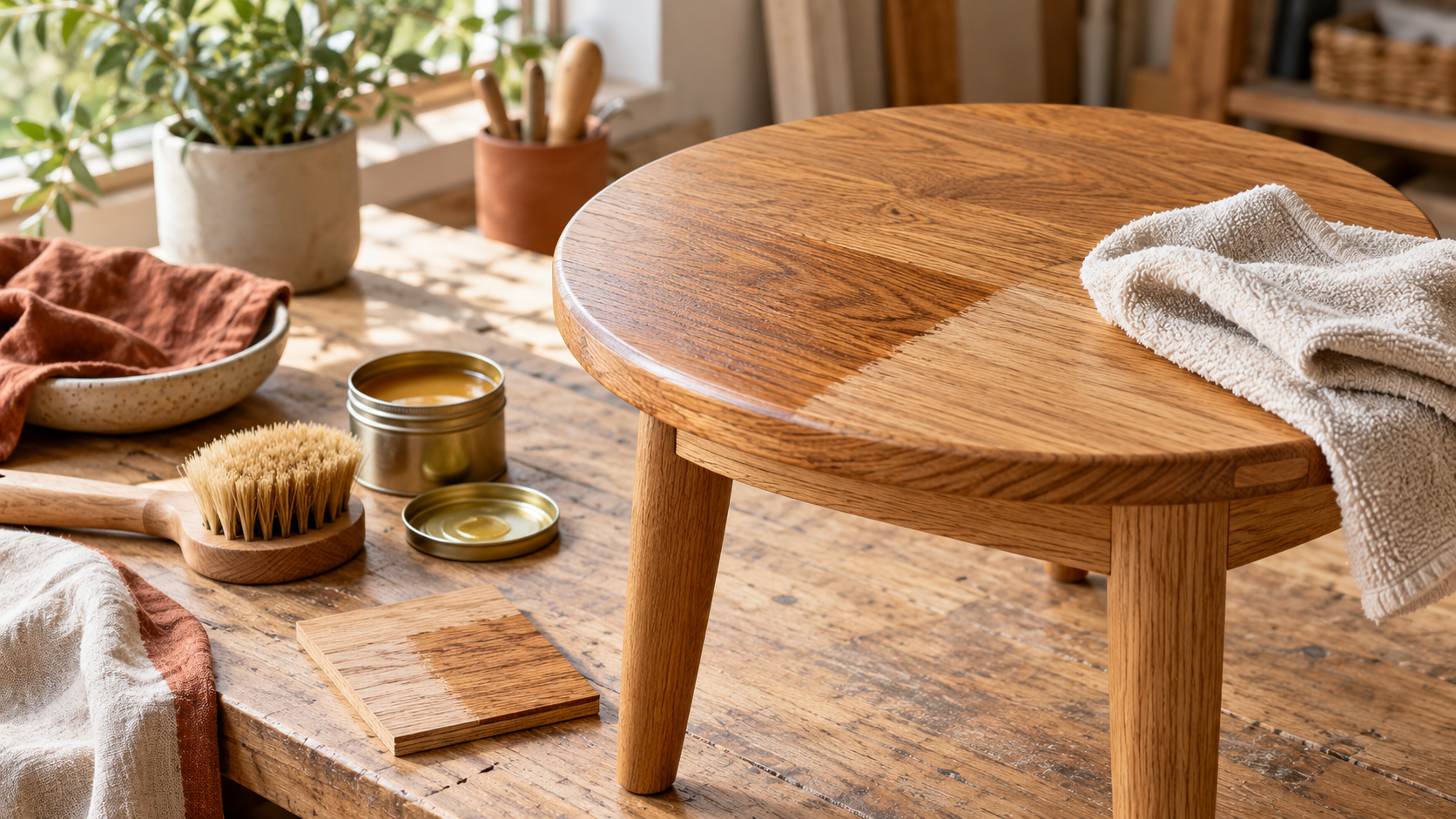
In the pursuit of a curated space, the focus often falls on acquisition—the constant search for the next beautiful object. However, true interior depth is found in stewardship: the thoughtful commitment to the materials already present in our homes. Quality furnishings and enduring architecture are not temporary possessions; they are long-term partners whose character deepens with time. Shifting our perspective from viewing wear as decay to seeing it as a narrative written by life transforms maintenance into an act of profound care. This guide moves beyond simple cleaning, offering specific, actionable strategies for preserving the integrity of your surfaces and subtly enhancing their beauty without resorting to destructive renovations.
Material Longevity: Proactive Defense Against Wear
The first step toward enduring design is speaking the specific language of your materials. Before any cleaning or treatment, conduct a comprehensive vulnerability assessment. For example, high-traffic hardwood floors require vigilance against moisture fluctuations and abrasive grit; honed marble surfaces are acutely susceptible to acidic etching from spills; while natural leather demands consistent conditioning rather than aggressive washing. Understanding these inherent weaknesses allows you to implement targeted, non-invasive care routines that protect the material’s core structure.
For wooden furniture, the choice of treatment is critical and must match the existing finish. If your piece has an oil-based finish (like tung or linseed), applying a thin coat of food-grade mineral oil every 6–12 months will nourish the grain and repel dust effectively; however, if it features polyurethane or varnish, excessive oil can soften the coating. Always patch-test any product on an inconspicuous area—a hidden drawer bottom or underside corner—to ensure compatibility before full application. This prevents finish damage and maintains the material's structural integrity.
Textiles require a proactive approach to prevent degradation. Instead of waiting for stains, immediate spot treatment is essential; use distilled water mixed with a mild pH-neutral soap solution on upholstery, blotting rather than scrubbing. For stone surfaces like kitchen counters, preventative sealing (typically every 1–3 years, depending on usage) creates an invisible barrier against oils and acids. When dealing with delicate fabrics, ensure your vacuum attachments are soft-bristled to avoid stressing the fibers, preserving their textural richness for decades.
Strategic Enhancements: Non-Invasive Aesthetic Upgrades
The most immediate and high-impact upgrades often involve hardware. Replacing tarnished or worn knobs, pulls, and hinges can instantly revitalize a piece of furniture or an architectural fixture, adding depth that far surpasses the cost of buying entirely new pieces. When selecting replacements, consider the weight and scale; overly delicate hardware on a large cabinet will appear disproportionate. A practical trade-off is balancing material authenticity (e.g., solid brass) against maintenance ease (e.g., coated finishes). Ensure all replacement hardware aligns with the room’s overall finish tone.
Functional layering—the art of adding textiles and soft furnishings—is a powerful way to inject personality into structurally sound pieces. A heavy, hand-woven throw draped over an otherwise austere leather chair adds immediate warmth and texture. When introducing runners or throws on console tables, pay close attention to scale; a runner that is too narrow will look lost against the table's expanse. These additions are temporary yet impactful, allowing you to experiment with color palettes while preserving the foundational quality of your permanent furniture.
Lighting serves as a subtle but crucial finishing detail. Rather than replacing entire fixtures, consider upgrading bulbs and adding strategic accent lighting (such as small picture lights or floor lamps). The choice between warm-toned light (2700K to 3000K) versus cooler white (4000K+) dictates the mood of the space; warmer tones enhance wood grain and leather patina, while cooler tones suit modern stone and glass. A simple switch in bulb temperature can fundamentally alter how your existing decor is perceived.
Targeted Surface Care: Restoring and Maintaining Key Materials
Caring for natural stone requires specialized knowledge of its mineral composition. For polished marble or travertine, routine maintenance involves avoiding abrasive cleaners and minimizing contact with vinegar or citrus acids. If etching occurs (a dulling due to acid exposure), professional poultice treatments can sometimes draw out the damage, but this is a delicate procedure requiring specific chemical agents; therefore, consult a stone conservator rather than attempting DIY fixes. A preventative measure is ensuring that all items placed near vulnerable surfaces—like acidic fruit bowls or cleaning sprays—are kept away from the edges.
Hardwood floors require diligent moisture control as much as surface cleaning. Never allow water to pool on wood; use damp mops, not wet ones. The correct maintenance depends entirely on the floor’s finish: if it is sealed with a hard wax, clean it using pH-neutral cleaners designed for waxed surfaces and reapply the wax according to manufacturer guidelines every few years. If it has an oil or urethane topcoat, use specific wood floor cleaning solutions that do not strip the sealant. Applying excessive moisture can lead to warping; keep environmental humidity levels stable (ideally 35–45%).
Leather and quality upholstery benefit from periodic conditioning. Leather should be nourished with a specialized leather conditioner—not just cleaned—to prevent cracking and hardening, which is often caused by drying out. Apply the conditioner sparingly in small circular motions, allowing it to absorb completely before buffing off any excess. For heavily textured fabrics, spot cleaning must focus on the stain itself, working gently into the fibers using minimal moisture. The key trade-off here is time versus intervention; consistent preventative conditioning takes minutes weekly but prevents costly deep restoration later.

Practical Planning Notes
Measure twice, test products in an inconspicuous area, and photograph fittings before taking anything apart.
Material Perspective
Microfiber is gentle for finished wood; natural-bristle brushes suit detailed dusting; abrasive pads can damage protective coatings.
Before You Commit
Note the finish, cleaning product, test area, drying time, and any change before treating the full surface.
For related, room-specific ideas, continue with the guides in this category or return to the Furnlyra home page.