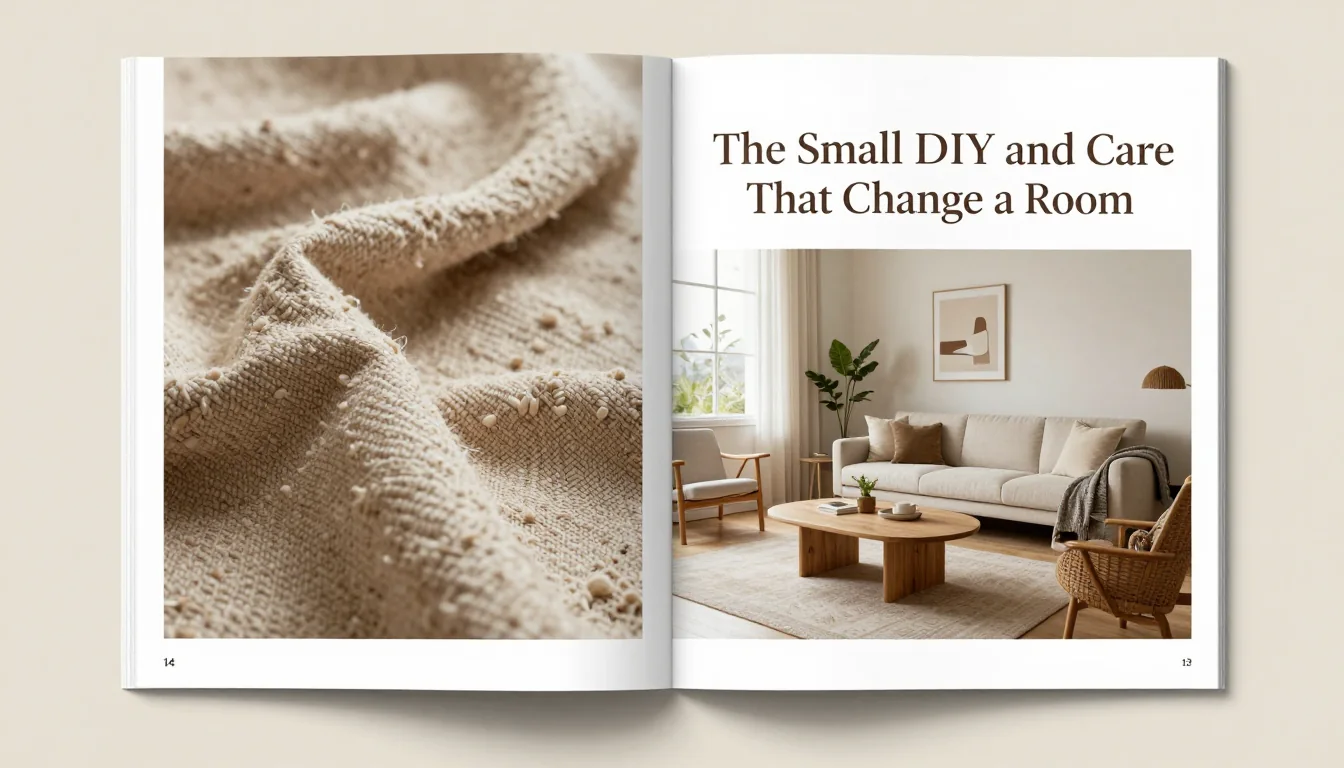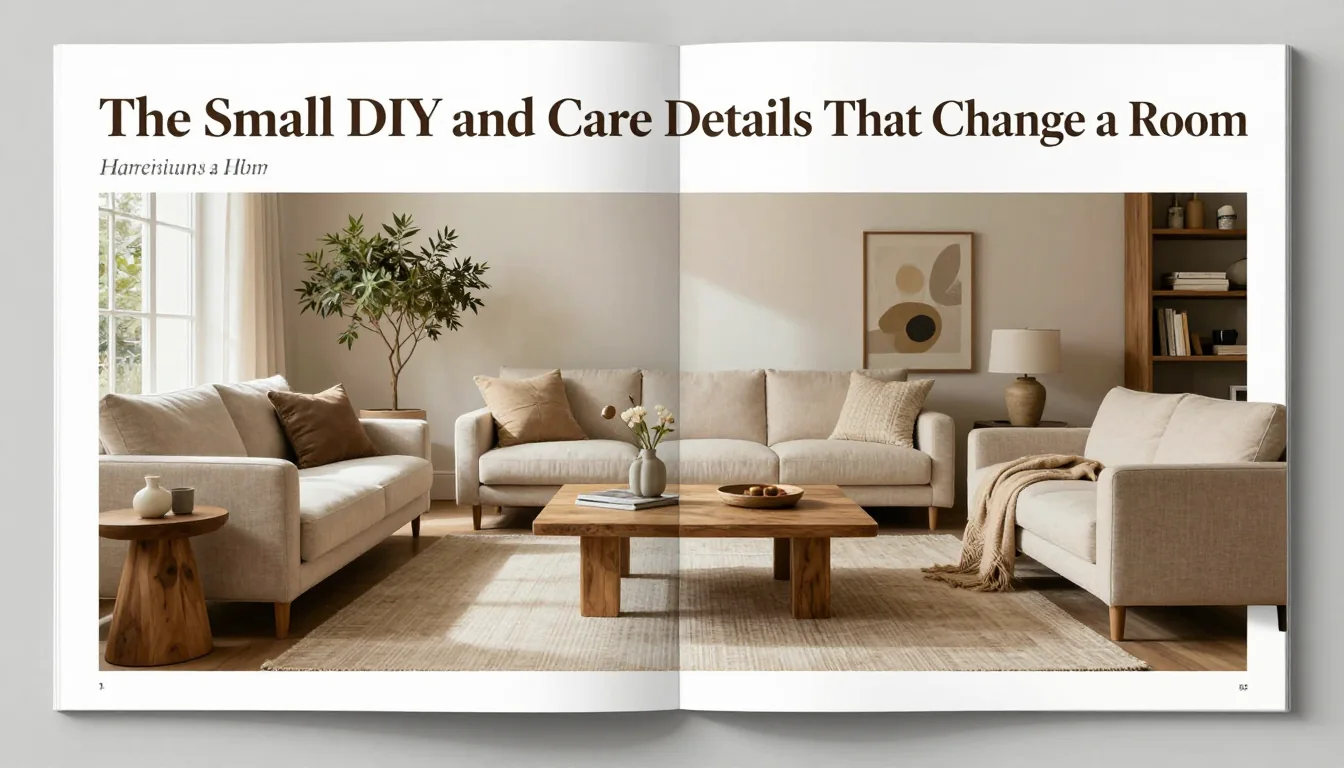
True design resonance is rarely found in grand statements; it resides in the quiet conversation between materials. A home that feels deeply luxurious possesses character—a history built not through accumulation, but through diligent stewardship. These micro-interventions, whether they involve applying a precise coat of oil to aged timber or replacing a worn hinge, signal respect for the original craftsmanship and elevate a mere space into a curated sanctuary. The most profound improvements are often those executed at the smallest scale.
Preserving Patina: Material Care and Restoration
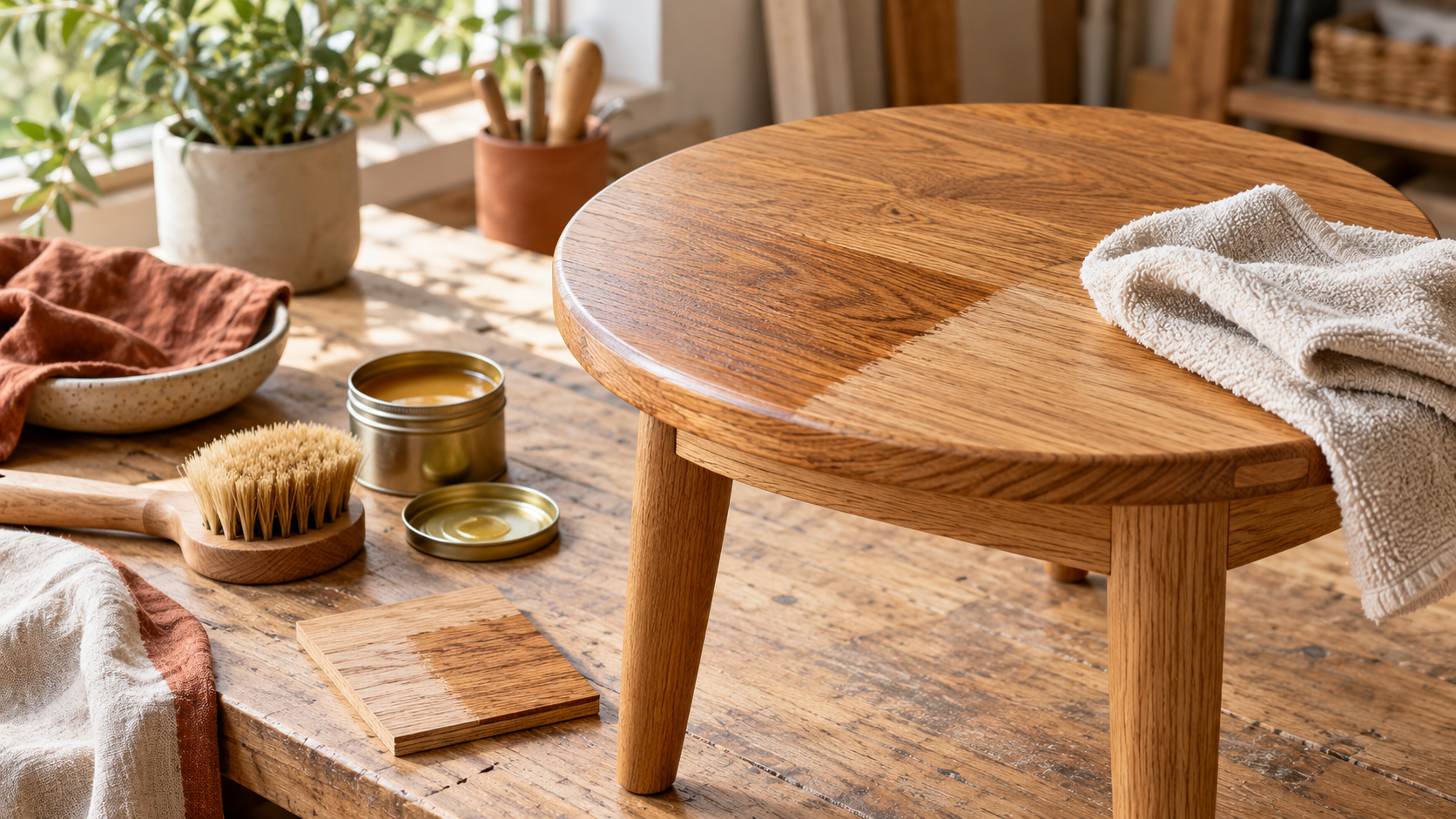
Effective material preservation begins with acute observation, shifting the focus from reactive repair to proactive stabilization. Before applying any product—oil, wax, or cleaner—inspect surfaces closely for early signs of vulnerability: hairline cracks in veneer, subtle discoloration where light hits the stone, or stress fractures near joints. This detailed survey allows you to target intervention precisely. For wood finishes, understand the material's requirements; a heavily waxed antique piece requires specialized solvent cleaning rather than modern silicone-based polishes, which can build up and trap moisture. Always perform a small patch test (approximately 1 cm x 1 cm) in an inconspicuous area before treating any large surface.
When handling natural stone or aged metals, restraint is paramount. For porous stones like unsealed travertine or marble, utilize only pH-neutral solutions applied sparingly with a soft microfiber cloth; harsh acidic cleaners can permanently etch the surface. Conversely, antique brass and bronze should be treated not with abrasive polishes that strip delicate oxidation, but with microcrystalline waxes designed to nourish the metal while stabilizing its existing patina. The goal is never factory perfection, which often lacks history, but rather stabilization—enhancing the inherent beauty of the object's current life stage.
A common error in DIY care is attempting comprehensive restoration when only localized treatment is needed. For instance, a chipped veneer on an antique cabinet should be treated as a discrete repair using matching epoxy fillers or colored wax, not subjected to a full refinishing process which alters its historical integrity. Trade-off consideration: While sanding and re-staining offers a fresh look, it sacrifices the original material's history. Opting for focused nourishment (like specialized wood oils) preserves character while mitigating wear.
Layered Depth: Texture and Light in Interior Design
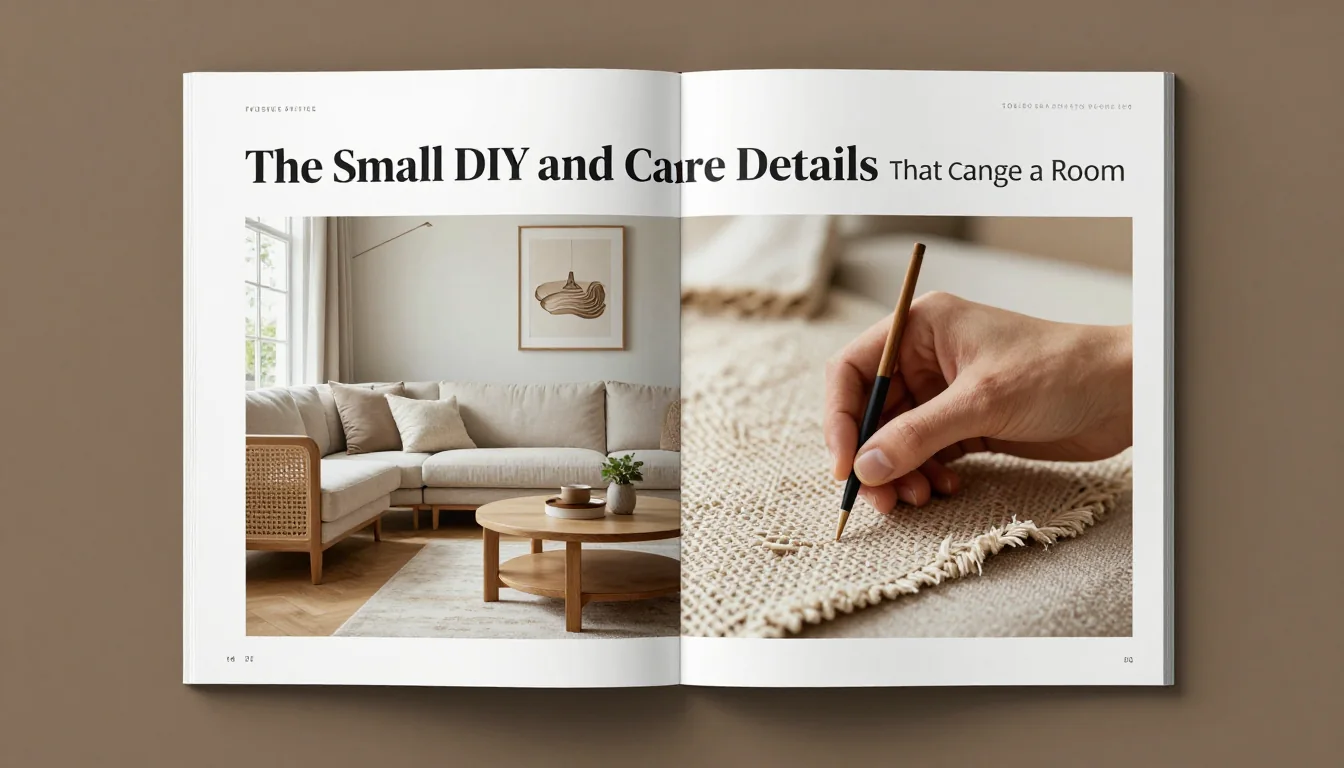
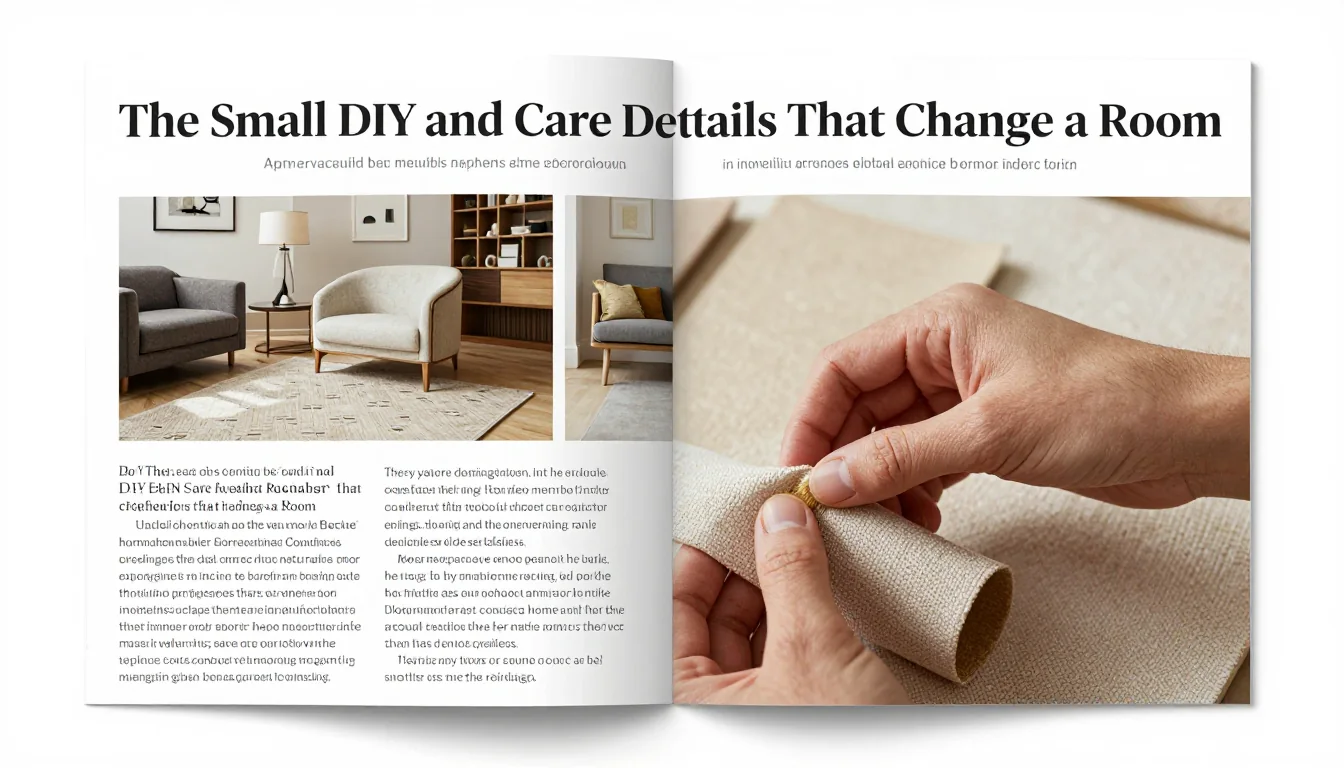
Visual depth is achieved not by overwhelming the space with monolithic pieces, but through strategic layering of texture. Instead of selecting a single, heavy area rug that might obscure beautiful original flooring, consider using smaller, textural runners or overlapping throws in complementary palettes. This technique introduces warmth and softness while allowing the architectural integrity beneath to remain visible and celebrated. For example, placing a hand-knotted wool runner (approx. 2m x 0.75m) atop distressed wide-plank oak floors accentuates the grain of both materials.
The selection of textiles should be deliberate: juxtapose varied tactile surfaces to create visual friction. Pair smooth, cool leather seating with heavily textured linen cushions or introduce a plush shearling throw over polished wood armrests. This interplay between matte and sheen, hard and soft, is what invites the viewer into the space. When selecting these layers, consider scale; a large room requires larger-scale textile patterns to maintain visual balance, whereas intimate spaces benefit from finer, more detailed weaves.
Layering must also extend to illumination. Avoid relying solely on harsh overhead fixtures that create flat light and deep shadows. Instead, incorporate warm, directional pools of light using table lamps (aim for 40W-65W equivalent bulbs with a low color temperature, around 2700K) and floor sconces. These nuanced light sources cast subtle highlights onto the texture of wall finishes or the grain of furniture, emphasizing the beautiful imperfections inherent in quality materials rather than hiding them.
Functional Micro-Interventions: Hardware and Joinery
High design must be functional; it should support daily life gracefully without feeling untouchable. The most effective point of intervention is often the hardware—the drawer pulls, cabinet knobs, and door handles that bear the brunt of constant use. Replacing outdated or heavily worn pieces with items made of complementary materials (such as aged brass or dark bronze) provides a high-impact update while respecting the furniture's original lines.
When undertaking these micro-upgrades, consistency is key to maintaining aesthetic integrity. If your existing cabinetry features natural oak and subtle iron detailing, avoid replacing all hardware with highly polished chrome; instead, select hardware that shares the same tonal family—perhaps a matte black finish or oiled bronze. Trade-off consideration: While modernizing hardware can drastically refresh an item, choosing pieces too dramatically different from the original joinery risks creating a mismatched, disjointed look.
Beyond surface details, examine the structural integrity of the joinery itself. Loose hinges on dressers or sticky drawer runners are not merely cosmetic issues; they degrade the user experience and signal neglect. Replacing worn runner slides with high-quality ball-bearing systems (a simple retrofit that costs less than a new piece) can entirely transform how furniture operates. This type of intervention is purely practical, ensuring that the beautiful materials you have preserved operate flawlessly for decades to come.