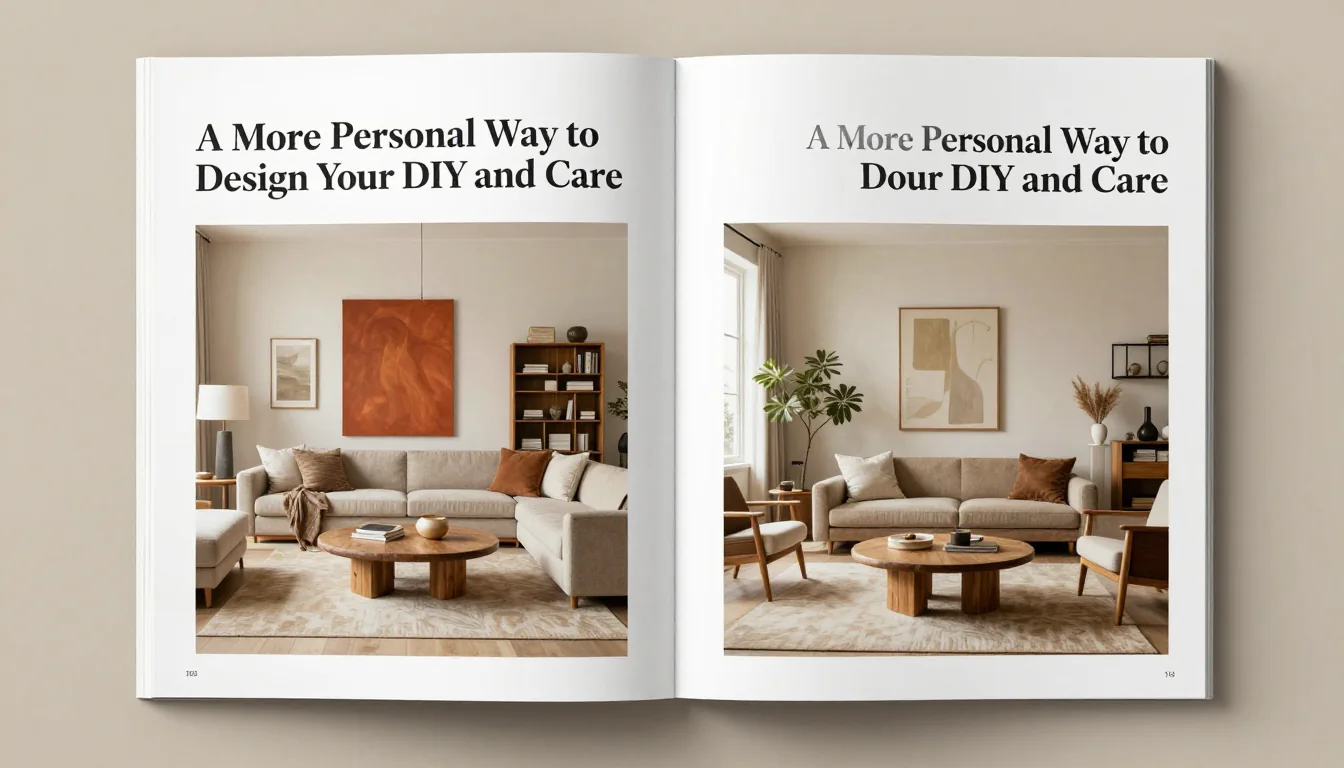
In sophisticated interior design, longevity is the ultimate luxury. While dramatic aesthetics capture attention, true enduring elegance resides in how well a space ages—the patina developed on quality materials over years of thoughtful stewardship. This approach reframes maintenance not as reactive repair, but as an integrated layer of design itself. By understanding the specific needs of wood grain, natural fibers, and stone surfaces, you shift from merely inhabiting your home to actively preserving its narrative. We move beyond generic cleaning advice to provide precise routines that extend material life, ensuring your sanctuary retains its character while defying transient trends.
Mastering the Care of Wood Finishes
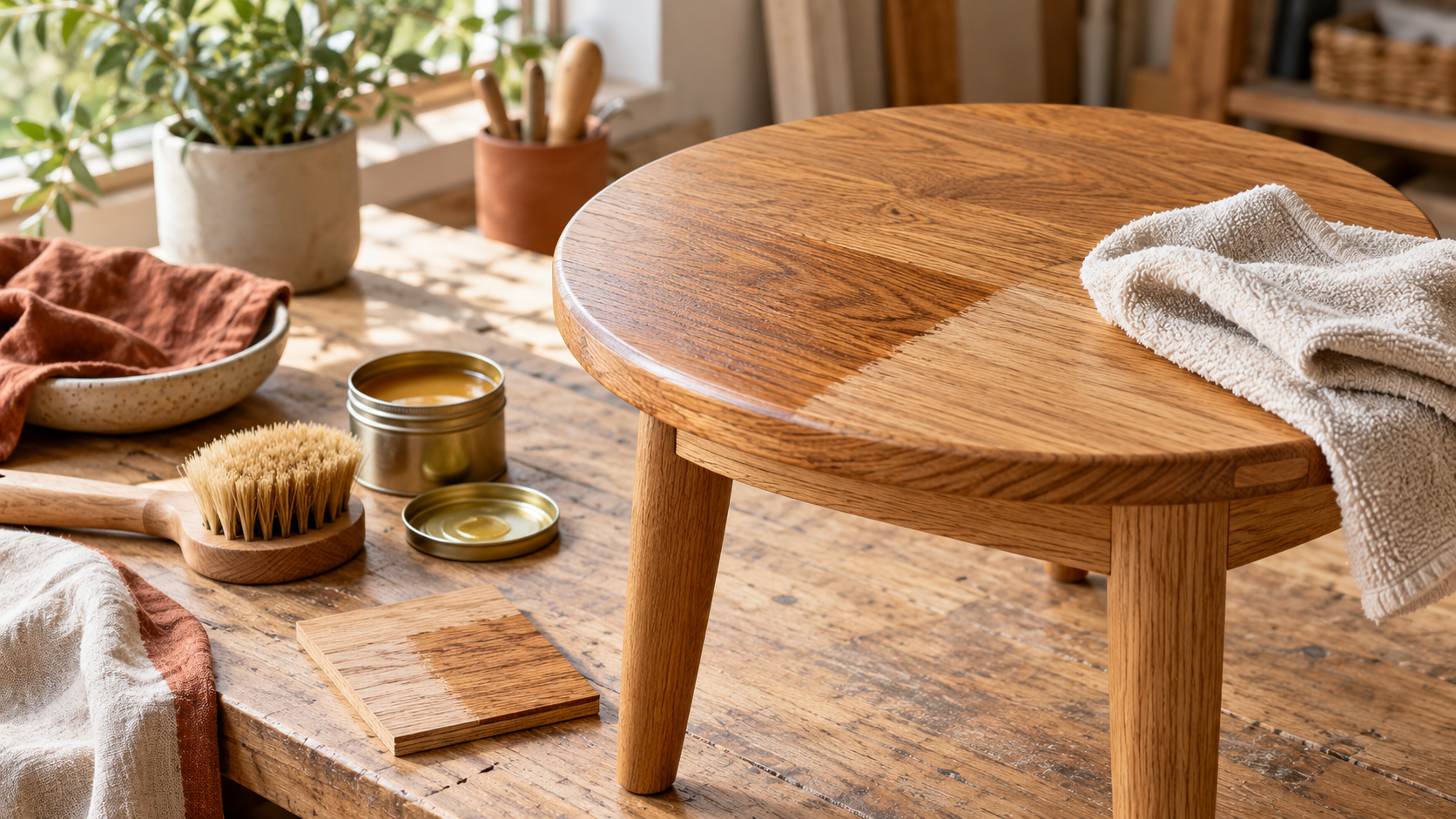
The approach to wooden furniture and flooring must first be dictated by its finish—whether it is a sealed lacquer, an oiled patina, or a waxed surface. Lacquered pieces are highly durable but sensitive to harsh solvents; they require gentle dusting with a slightly damp microfiber cloth (using distilled water only) to prevent abrasive buildup from settled dust. Oiled wood, conversely, needs periodic nourishment. Every 12 to 18 months, apply a specialized furniture oil sparingly, using a soft cotton pad, focusing on the grain rather than coating the surface thickly. Always test any product in an inconspicuous area, such as the underside of a drawer, before application.
For solid hardwood floors, maintenance is primarily preventative and mechanical. Avoid high-moisture mops; instead, use damp-mop systems with minimal water content (aim for less than 40% saturation) to prevent swelling or finish damage. If your flooring is finished with a polyurethane sealant, occasional vacuuming using a soft brush attachment is essential to lift grit that can scratch the surface during normal foot traffic. Never drag heavy furniture across wood without placing felt pads underneath legs; this small detail prevents localized stress points and micro-abrasions.
A common mistake when caring for fine wood is over-polishing or applying generic household cleaners, which often contain acidic ingredients that degrade the sealant over time. If you notice specific areas of dullness or wear, do not attempt a full refinish immediately. Instead, consult an expert to determine if the finish requires localized spot repair (such as touch-up waxing) rather than wholesale replacement. This preserves the wood's history and ensures repairs match the original integrity.

Selecting and Sustaining Soft Furnishings
When layering textiles, prioritize natural fibers like high-quality wool, heavy linen, or undyed cotton. These materials possess inherent resilience; they develop a rich patina that speaks to the home's life, unlike synthetics which often fade or pill unevenly. When selecting area rugs for wood floors (e.g., 140x200 cm), ensure the rug is substantial enough to dampen impact and prevent abrasive friction between furniture legs and flooring. A thick wool pile acts as both a design element and a protective buffer, extending the life of delicate subflooring.
Protecting upholstery requires understanding its fiber composition. For natural fibers like silk or linen, routine spot cleaning with a mild, pH-neutral detergent solution is necessary to prevent acidic residues from setting into the weave. Avoid steam cleaners on heavily textured or dyed fabrics unless specified by the manufacturer, as intense heat can damage dyes and weaken natural fibers. In high-traffic areas, consider using protective slipcovers (especially for linen) that are easily removable for deep cleaning cycles.
Stain prevention is an active ritual. For spills on delicate upholstery, immediate action is critical; gently blot the area with clean white cloth, applying light pressure rather than rubbing, which pushes the stain deeper into the weave. If a stain has set, specialized enzymatic cleaners designed for that specific fiber type are required, applied according to precise manufacturer instructions. Never attempt aggressive scrubbing or using hot water on protein-based stains (like wine or coffee) as heat sets them permanently.

Environmental Control: Prevention Over Reaction
The most effective maintenance strategy is environmental control. Fluctuations in temperature and humidity are the primary drivers of material stress, leading to warping in wood and cracking in stone. For interior stability, aim to maintain relative humidity levels between 40% and 55%. In seasonal environments prone to moisture build-up (e.g., basements or bathrooms), strategic use of dehumidifiers is a low-cost investment that prevents the insidious degradation of paneling and wooden frames.
Beyond humidity, managing light exposure is crucial for preventing material fatigue. Direct, prolonged sunlight—especially UV rays—is highly damaging to both wood finishes and natural dyes in textiles. Position valuable furniture pieces or wall art away from south-facing windows where possible, or utilize sheer linen drapery as a controlled filter. If your space receives intense afternoon sun, consider UV-filtering window films applied discreetly to the glass; this protects the material integrity without sacrificing natural light.
Dust accumulation is not just an aesthetic issue; it is an abrasive agent that wears down finishes and attracts moisture. Implement a consistent dusting ritual—weekly for high-traffic areas and monthly for deep surfaces. Use specialized, electrostatically charged microfiber cloths which capture fine particulate matter rather than merely displacing it. For stone countertops (like marble or granite), ensure they are sealed according to their porosity requirements every few years; this preventative step prevents liquids from penetrating the surface and causing mineral staining.